
Demonology & Spirits
Crocell
A Goetic duke, also called Procel, associated with geometry, hidden matters, and sounds of water.
A Goetic duke, also called Procel, associated with geometry, hidden matters, and sounds of water.
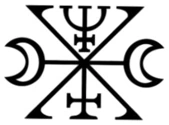
A Goetic spirit associated with philosophy and the compelled appearance of deceased souls.

A Goetic president associated with learned subjects and transformations that alter a person's understanding of identity.
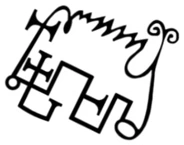
A Goetic president initially appearing as flame, associated with astrology, learning, familiars, and protected treasure.
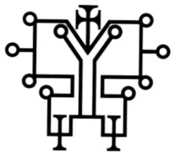
A mounted Goetic marquis whose office includes the stars, planetary mansions, and social dignities.
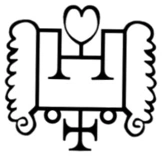
A winged lion-shaped Goetic duke associated with crafts, philosophy, and learned subjects.
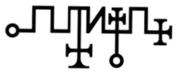
A Goetic spirit with a winged bull form, associated with wit and transformations of liquids and metals.
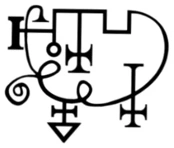
A peacock-shaped Goetic marquis associated with geometry, measurement, astronomy, and bird transformation.
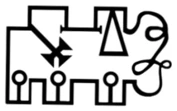
A mounted Goetic marquis associated with grammar, rhetoric, logic, and hidden treasure.
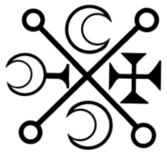
A Goetic marquis appearing as a star, associated with plants, stones, and bird-like apparitions.

A Goetic prince riding a winged horse, associated with rapid movement and the recovery of hidden things.
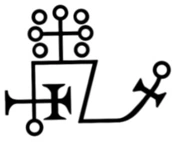
A many-faced Goetic duke carrying a book, associated with thoughts, knowledge, and visions of other people.
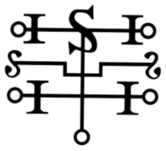
The final Goetic spirit, associated with stolen goods, concealed wrongdoing, and hidden treasure.
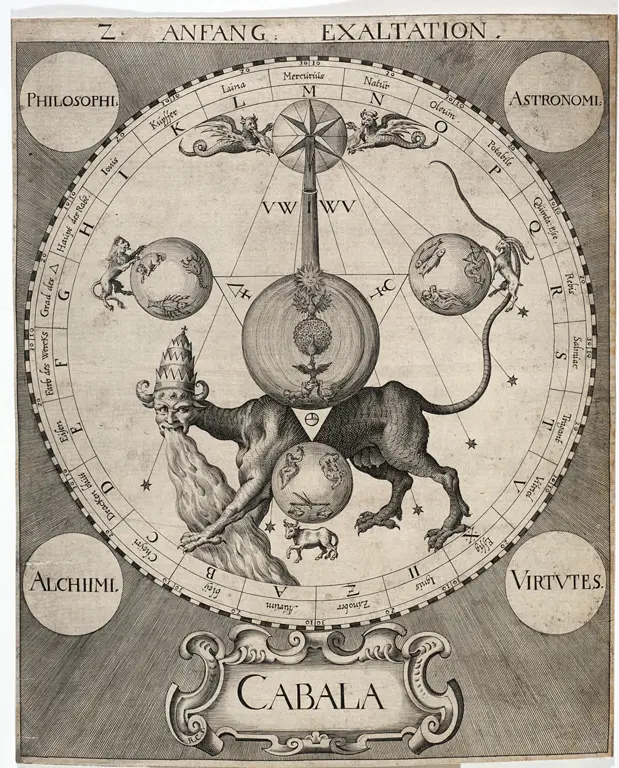
An initiatory order whose Draconian system brings together Qliphoth, Goetic magic, alchemy, and other esoteric traditions.
A retelling of Genesis and early Exodus arranged through jubilees, with angelic revelation, calendar teaching, and expanded narratives.
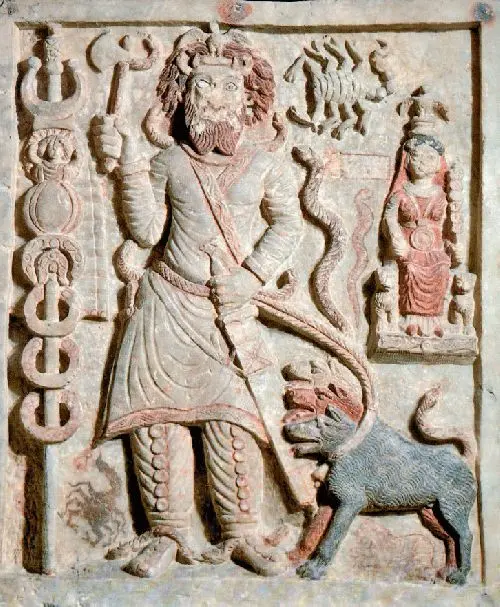
A Mesopotamian deity associated with death, war, disease, and the underworld.
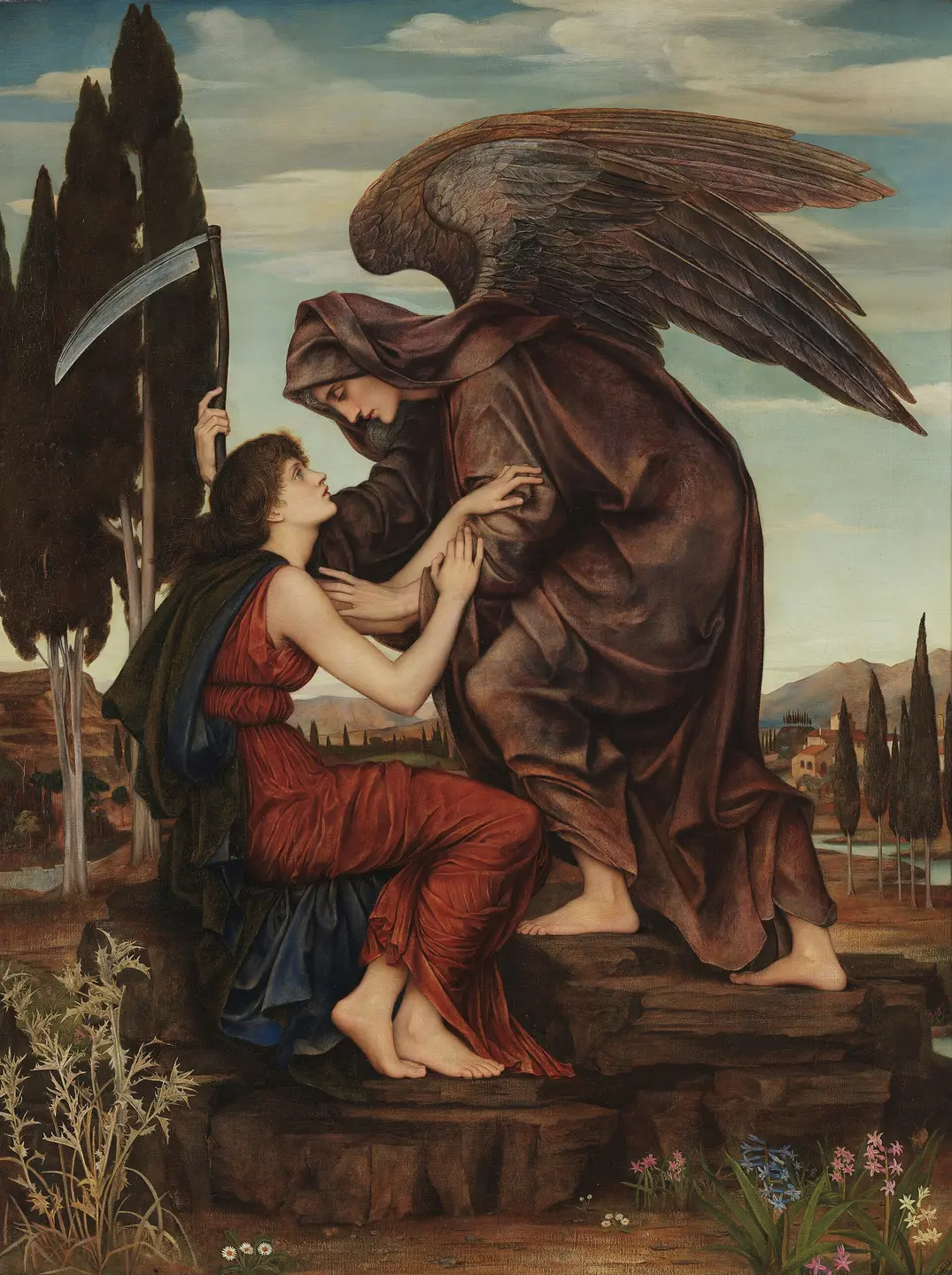
Samael appears in Jewish interpretive literature in roles that vary between texts. His relationship with Satan, the serpent, and other figures should be described source by source.
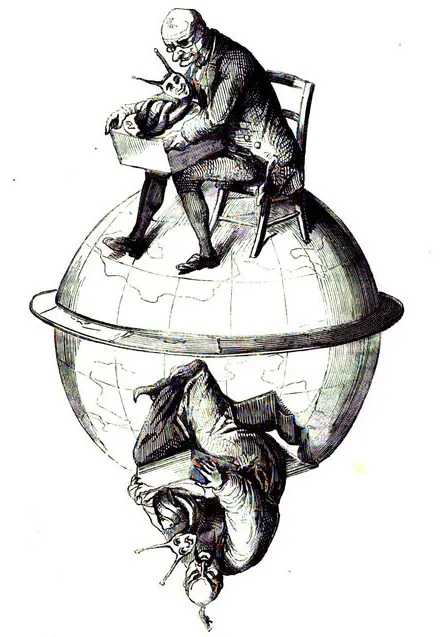
Collin de Plancy’s Dictionnaire infernal gathered supernatural traditions in a dictionary format. Its 1863 entries and illustrations remain influential in modern depictions of spirits.
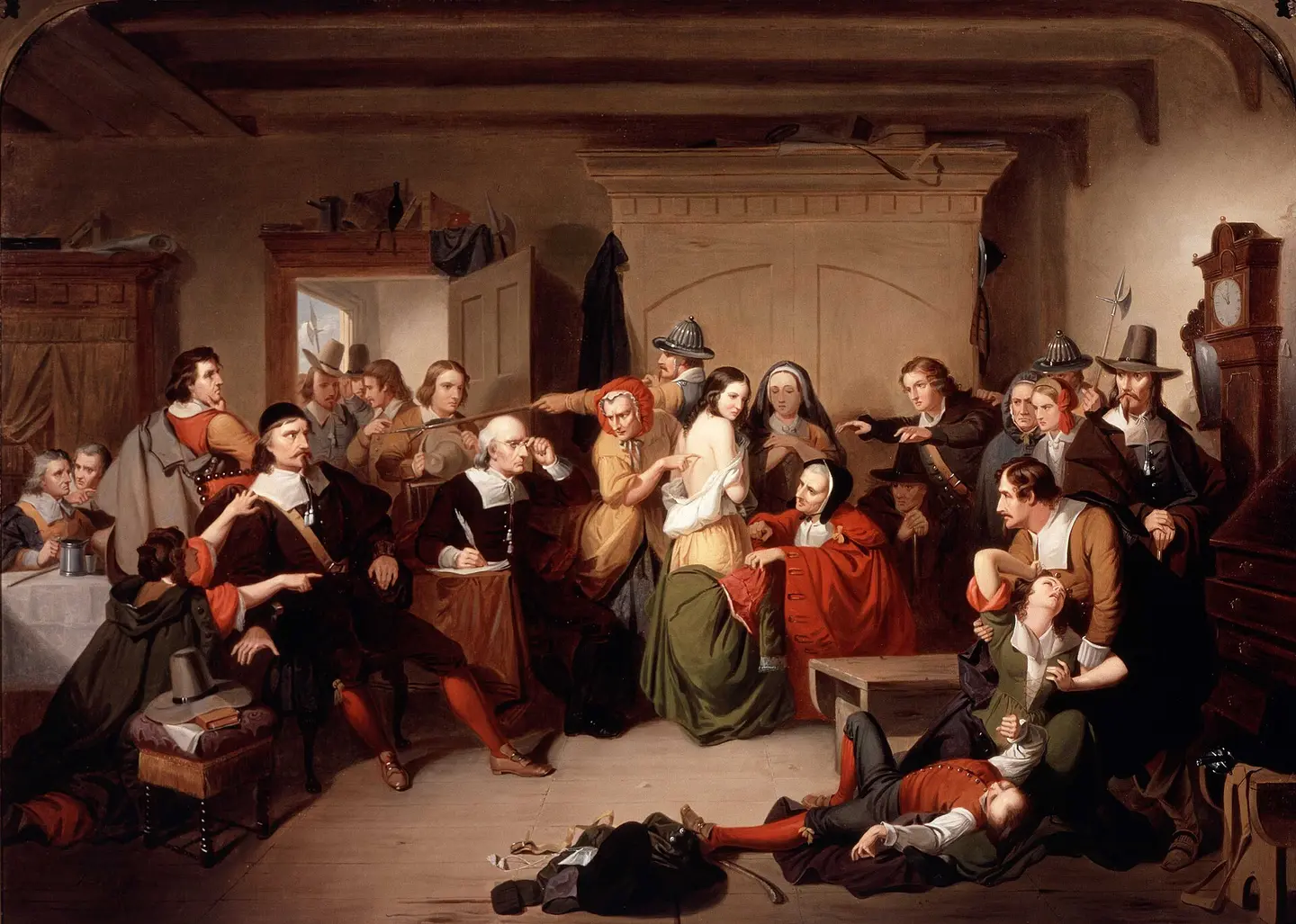
Witch trials produced records of accusations about harmful magic and the Devil. Those records require attention to how testimony was obtained and to the purposes of judges and writers.