Organizations & Traditions
Temple of Set
The Temple of Set is an initiatory organization whose identity centers on Set and Xeper. Its relationship with Satanism requires attention to both historical origins and later self-description.
The Temple of Set is an initiatory organization whose identity centers on Set and Xeper. Its relationship with Satanism requires attention to both historical origins and later self-description.
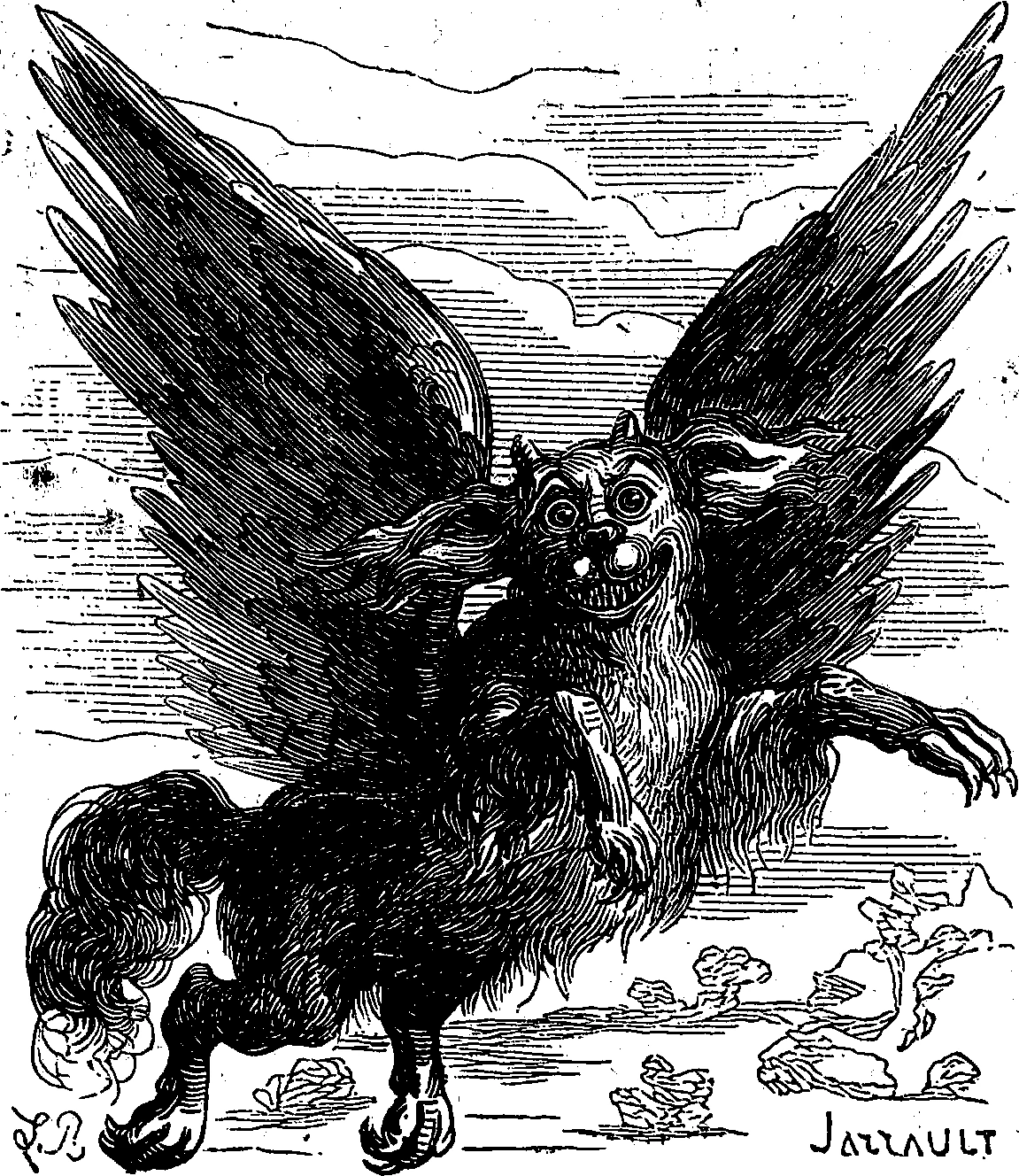
A Goetic spirit combining learned offices with a violent reputation and a winged dog form.
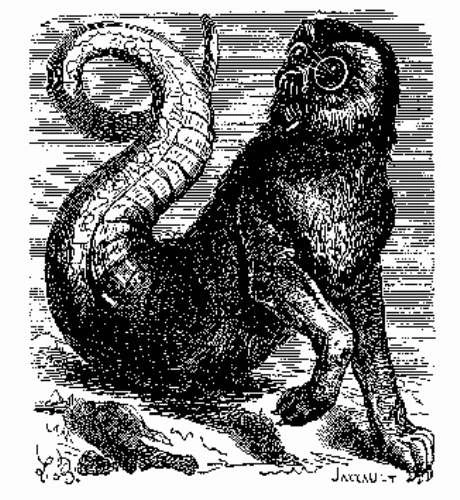
A Goetic marquis with a wolf-like appearance, associated with knowledge and the making or resolution of disputes.
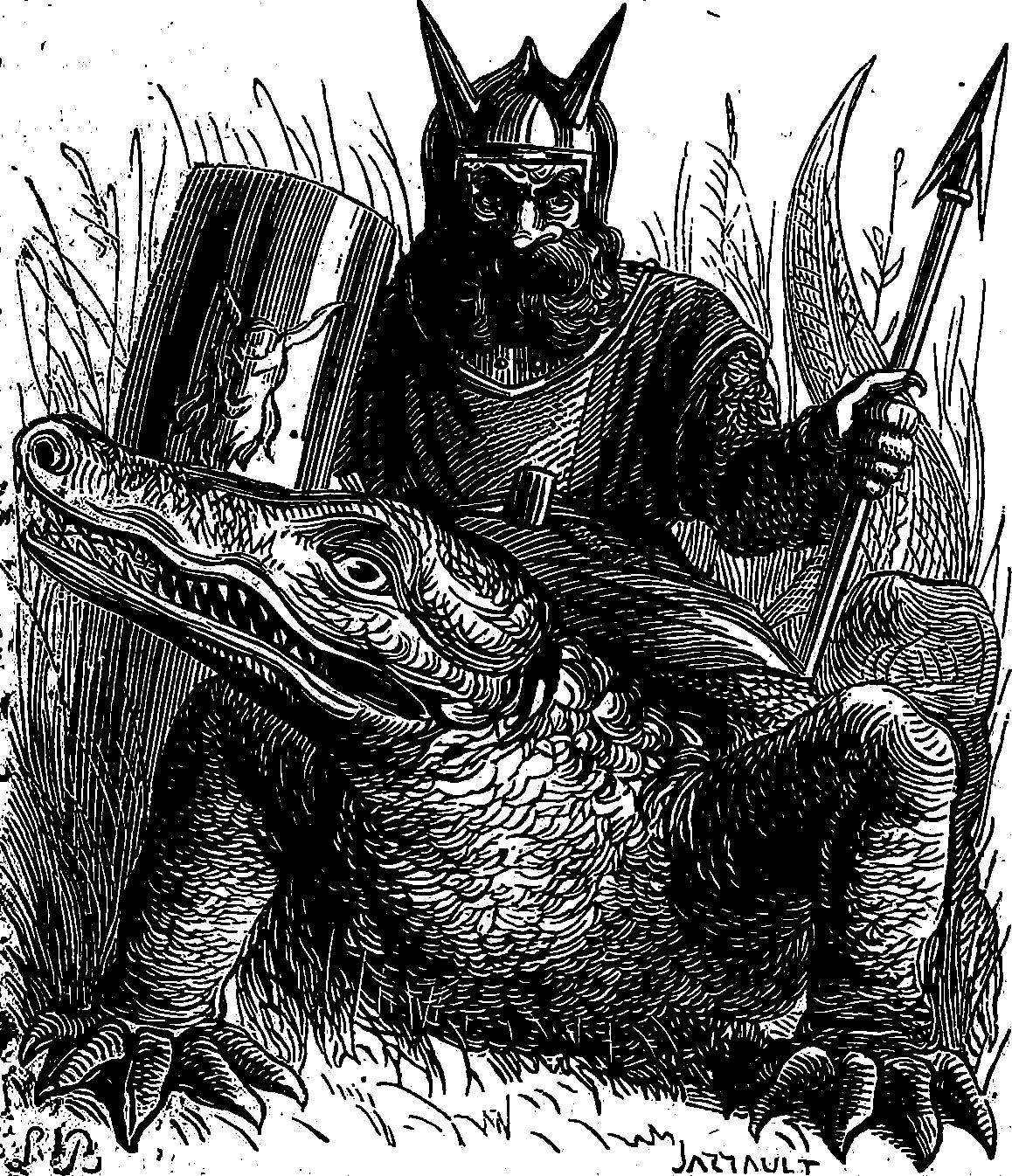
A Goetic duke, also called Saleos, described as a peaceful soldier riding a crocodile.
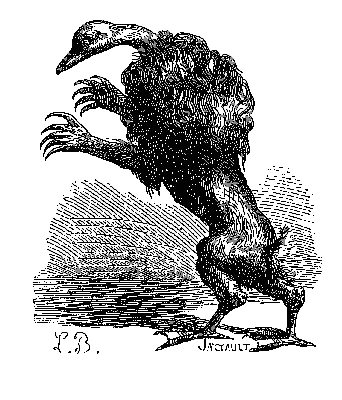
A Goetic spirit with an angelic body, lion head, goose foot, and hare tail, associated with knowledge and boldness.
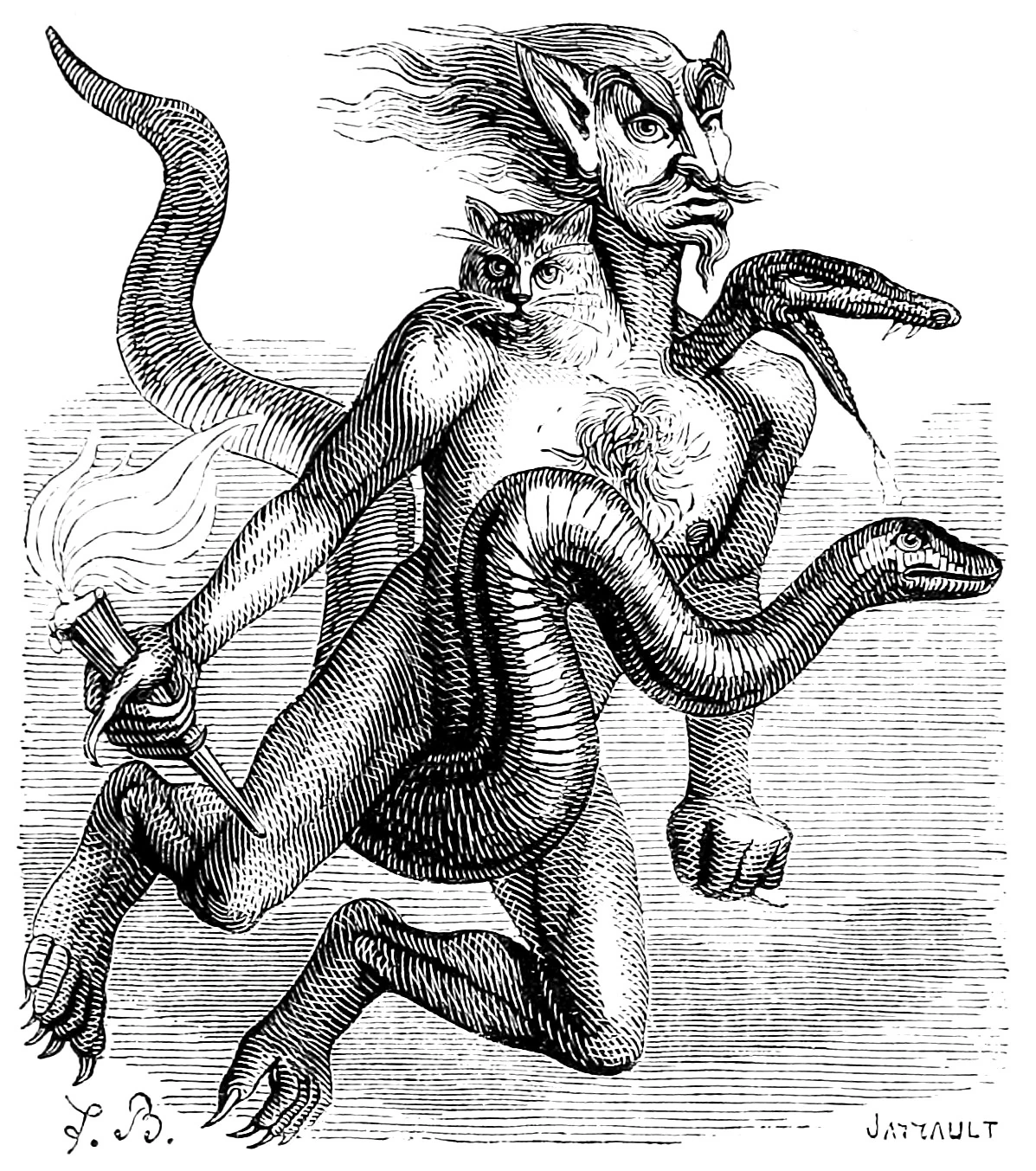
A Goetic duke with three heads, a serpent mount, and a firebrand, associated with fire and private questions.
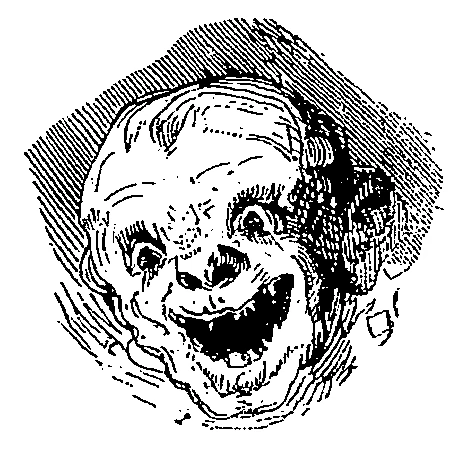
A Goetic earl associated with learned subjects, burial places, and lights at graves.
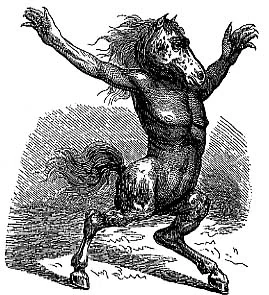
A Goetic prince portrayed as a horse and then a human, noted for the fidelity attributed to him.
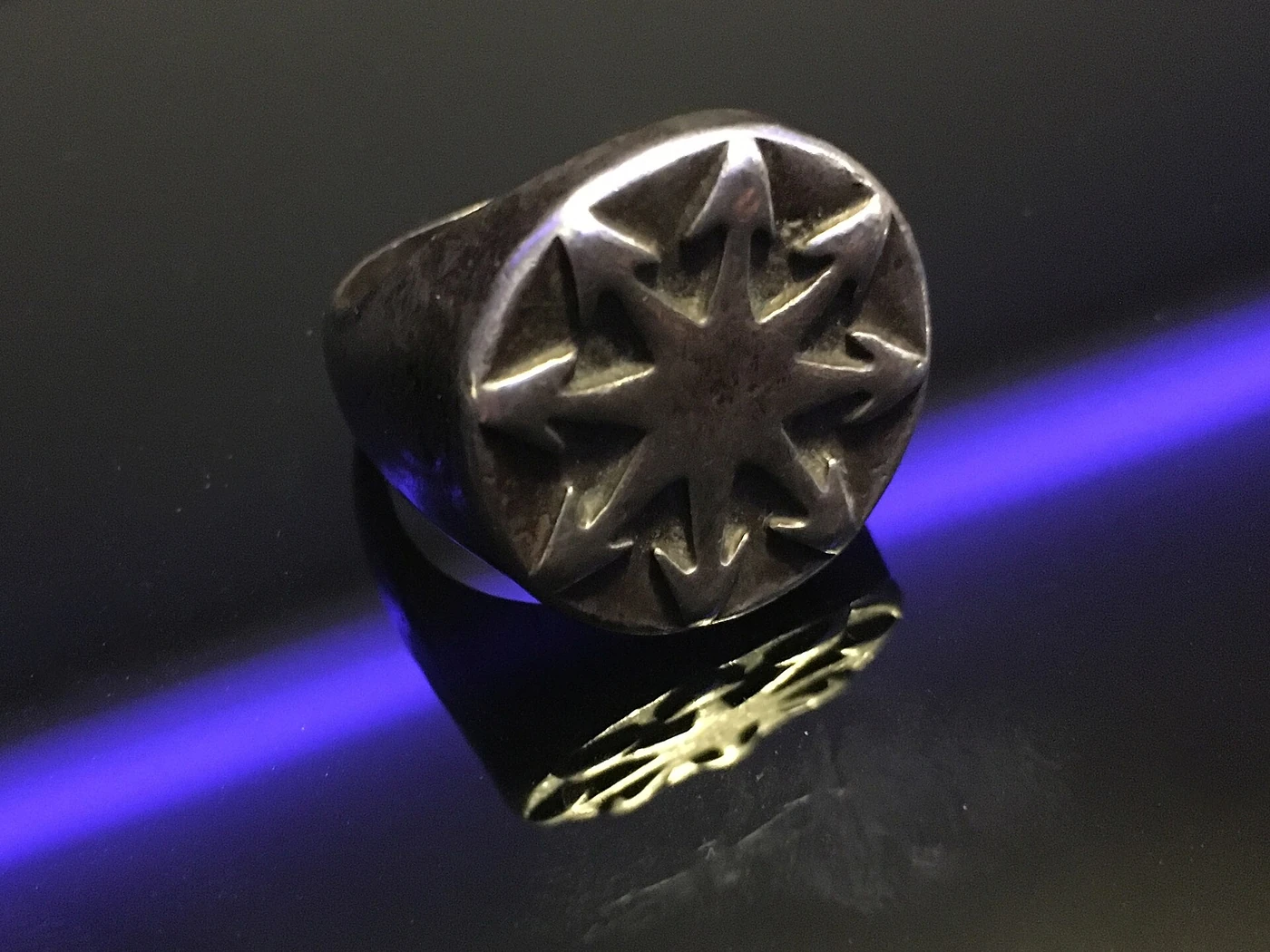
A modern approach to magic that treats techniques and belief systems as tools for practical experimentation.
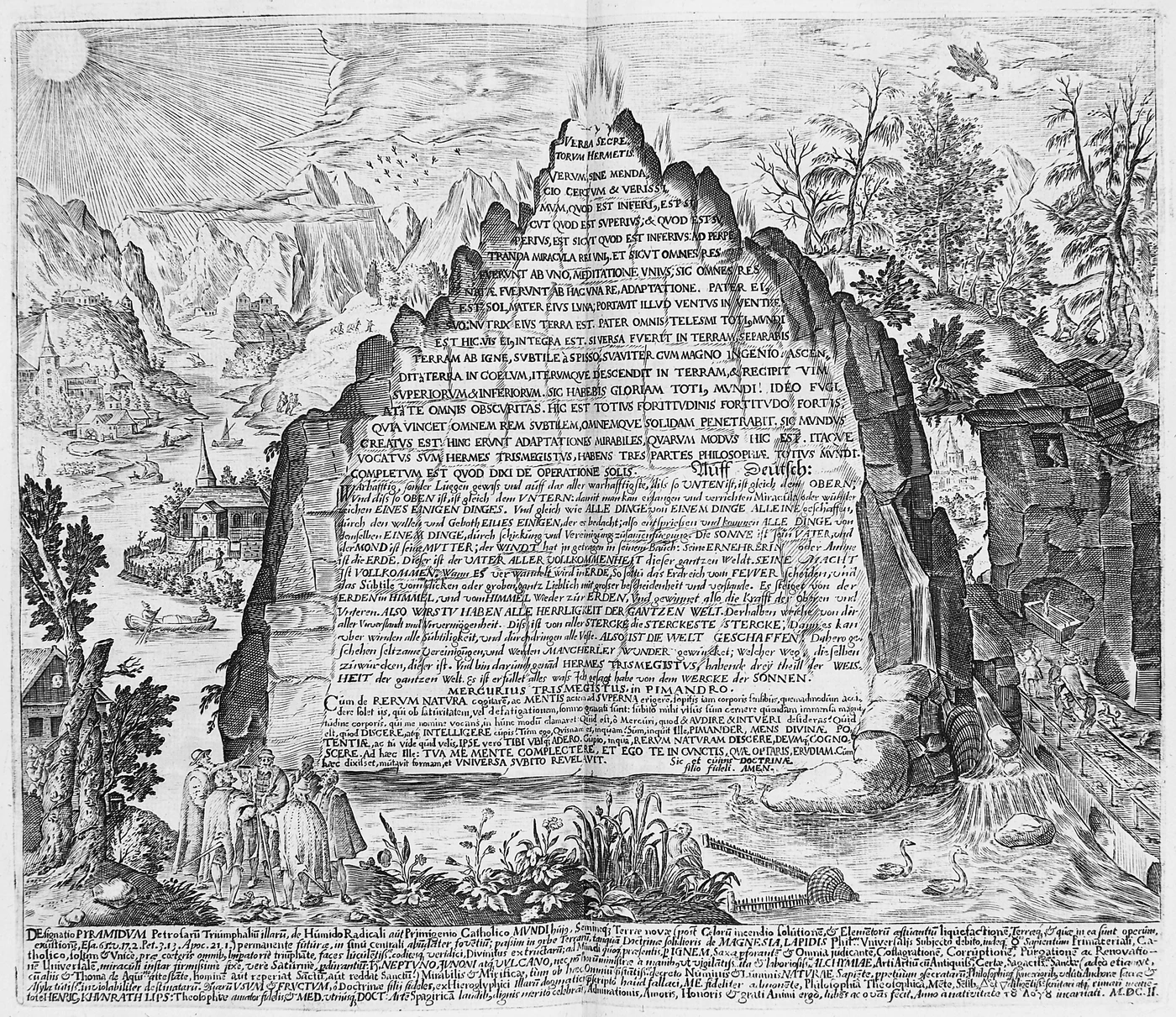
A brief Hermetic text whose images of above and below, sun and moon, and transformation influenced alchemical writing.
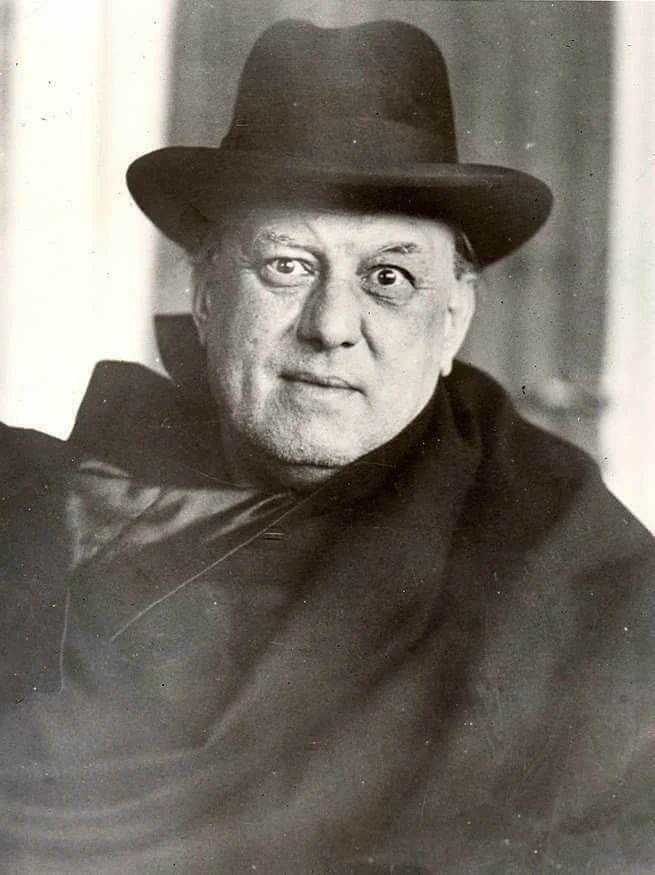
The author and religious figure associated with Thelema, The Book of the Law, and a large body of magical instruction.
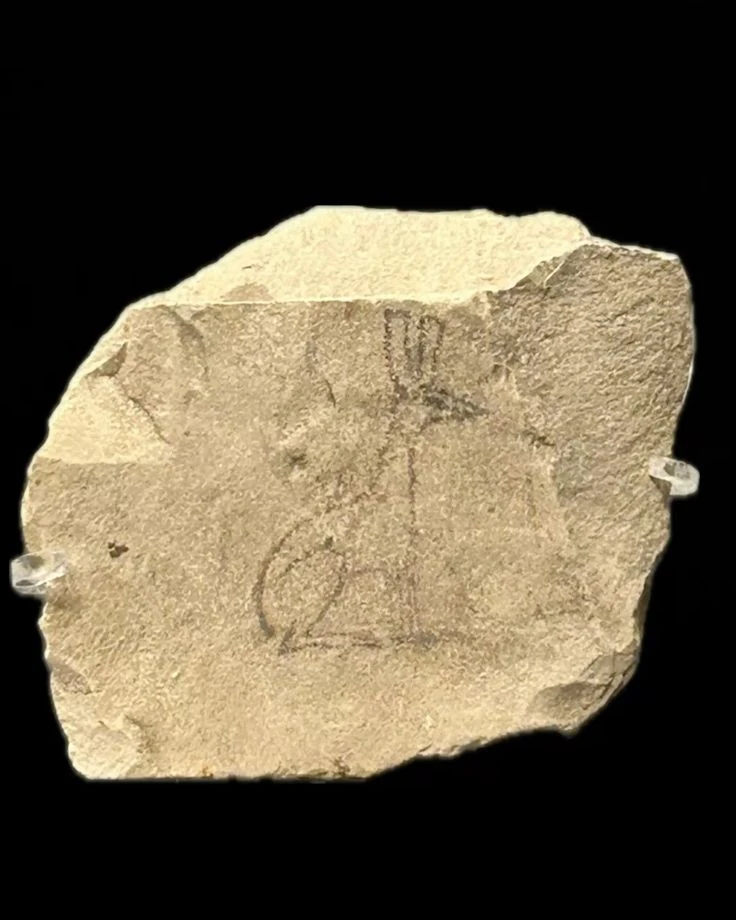
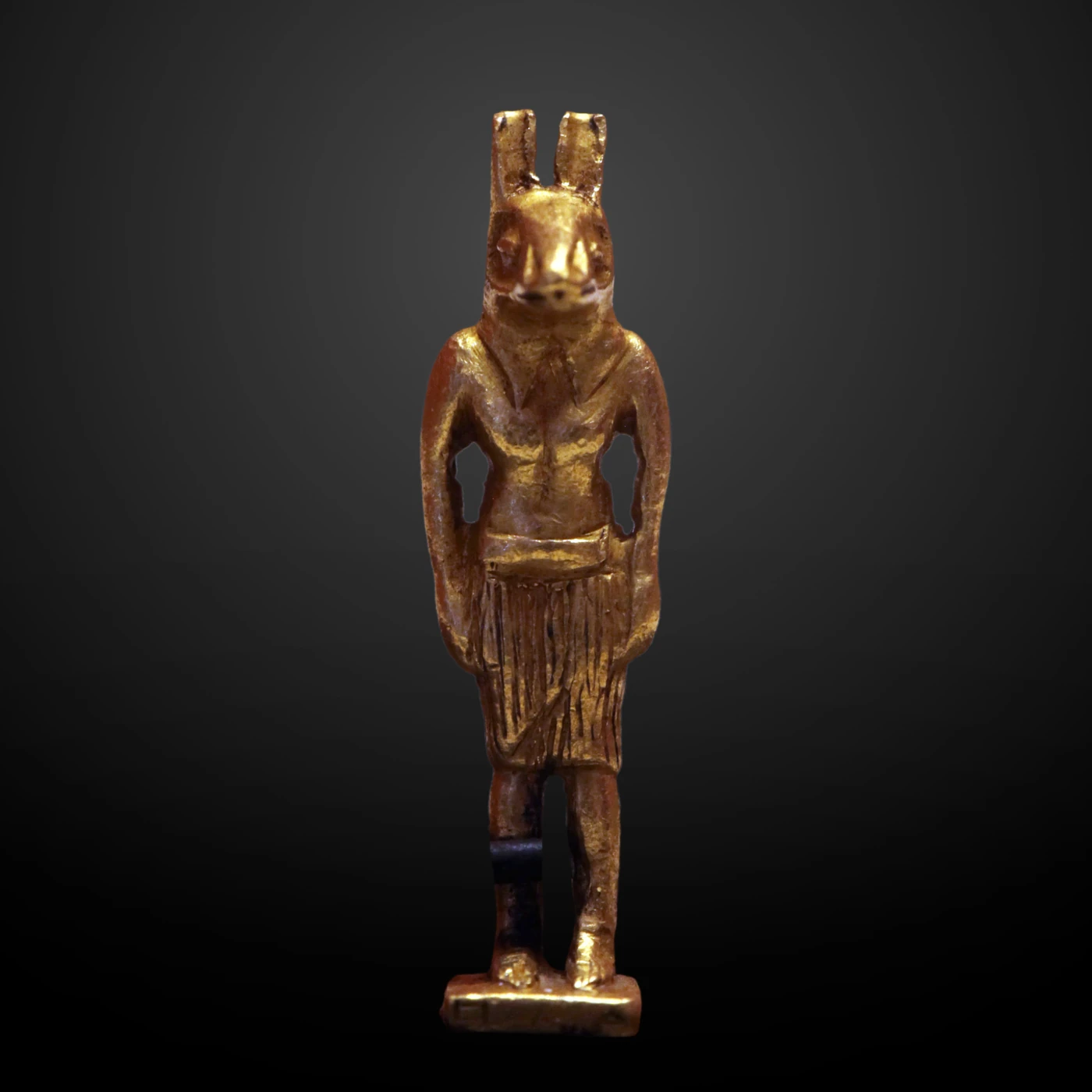
An ancient Egyptian deity associated with conflict and disorder, also reinterpreted in modern Setian religion.
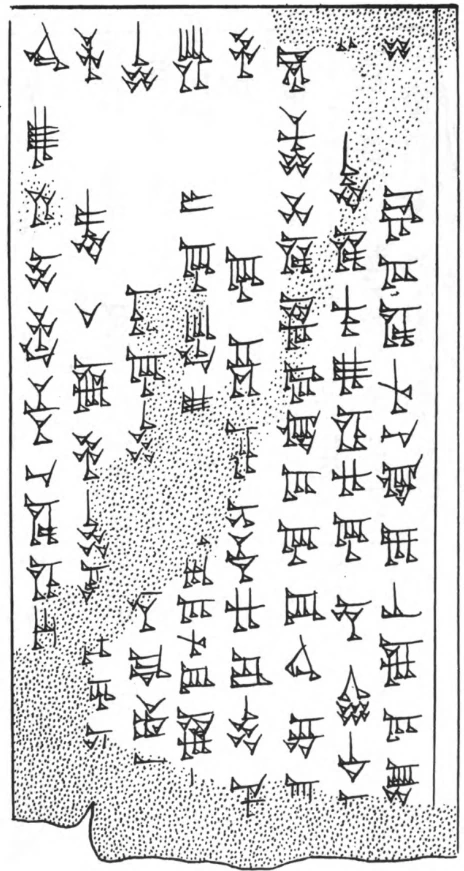
The primordial sea figure in the Babylonian creation epic Enuma Elish, defeated by Marduk in its account of cosmic ordering.
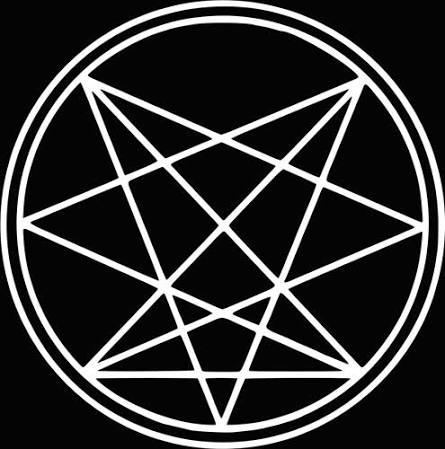
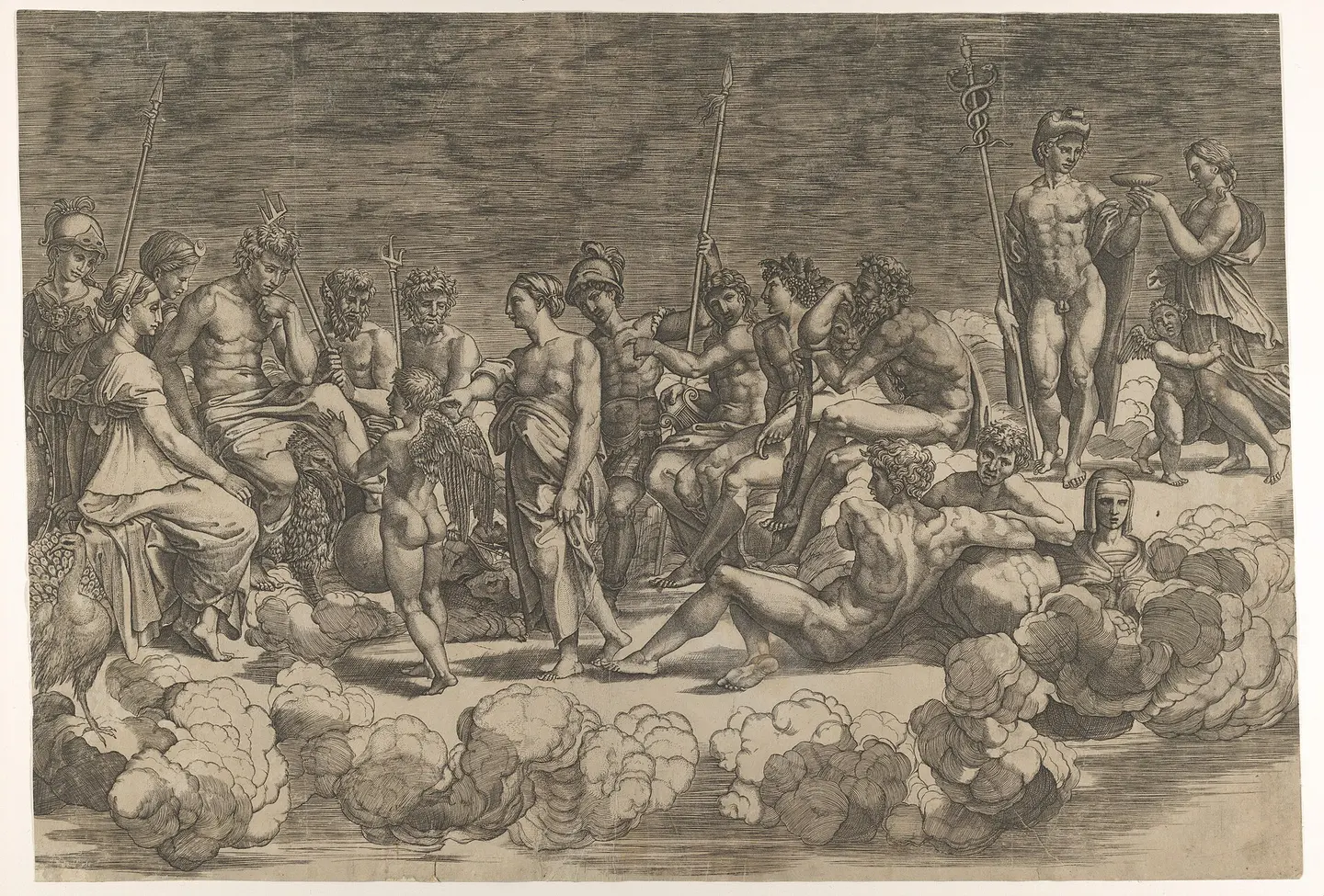
Polytheism involves belief in multiple deities. The existence of several gods does not by itself settle their relationships, moral authority, or the forms of devotion directed toward them.
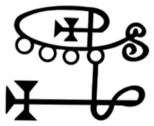
A Goetic duke whose description combines a lion-like form with a warning about theft and familiar spirits.
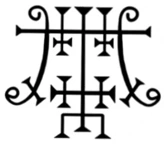
A Goetic president associated with logic, ethics, plants, stones, longevity, and lost things.
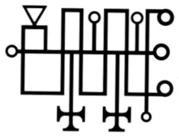
A Goetic president with a winged bull form, associated with wisdom and the transformation of substances.
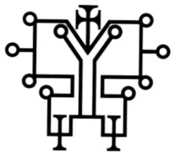
A mounted Goetic marquis whose office includes the stars, planetary mansions, and social dignities.
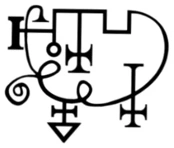
A peacock-shaped Goetic marquis associated with geometry, measurement, astronomy, and bird transformation.