History
Witchcraft
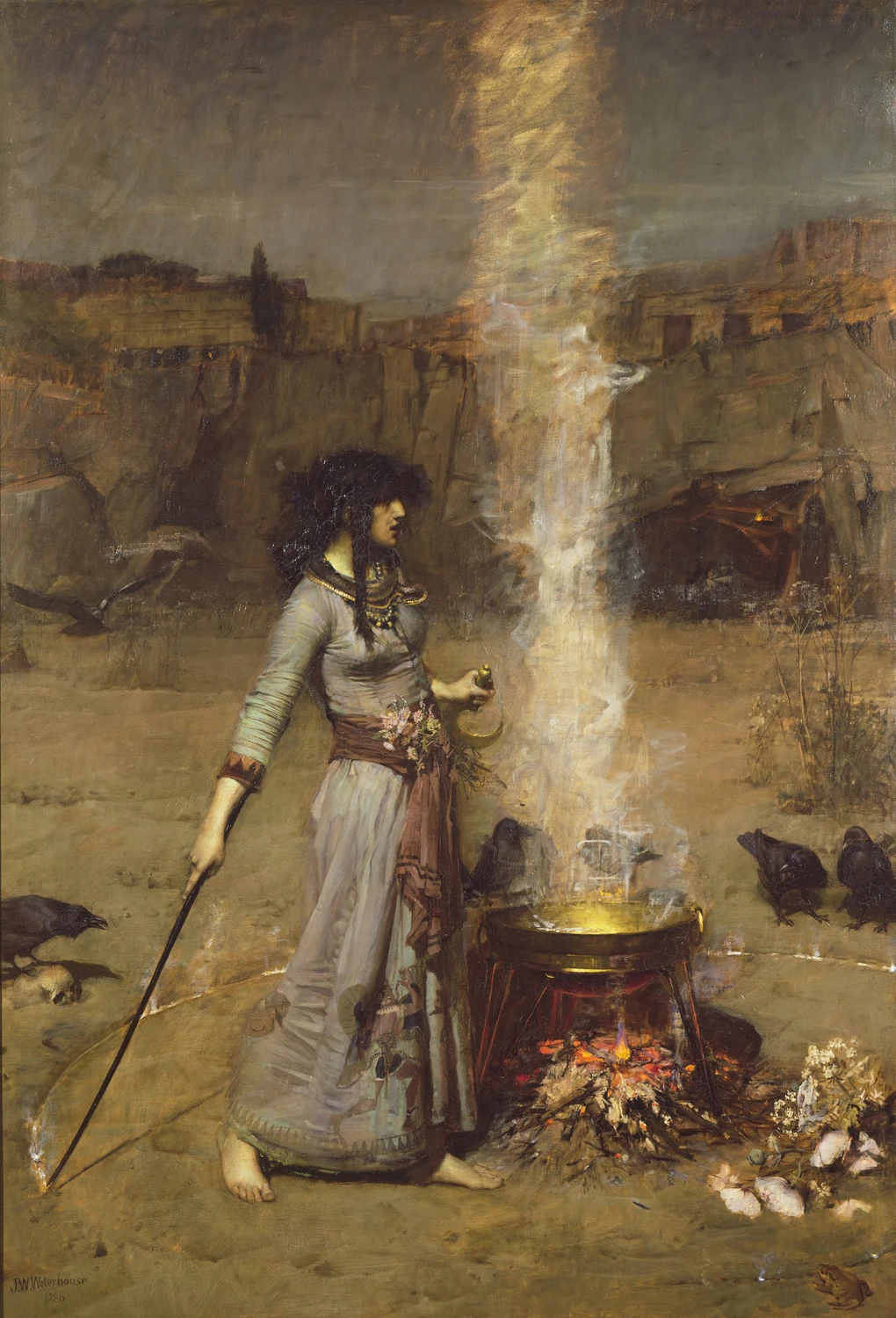
How witchcraft has meant an accusation, a magical practice, and a modern identity, with examples from museums and trial records.
How witchcraft has meant an accusation, a magical practice, and a modern identity, with examples from museums and trial records.
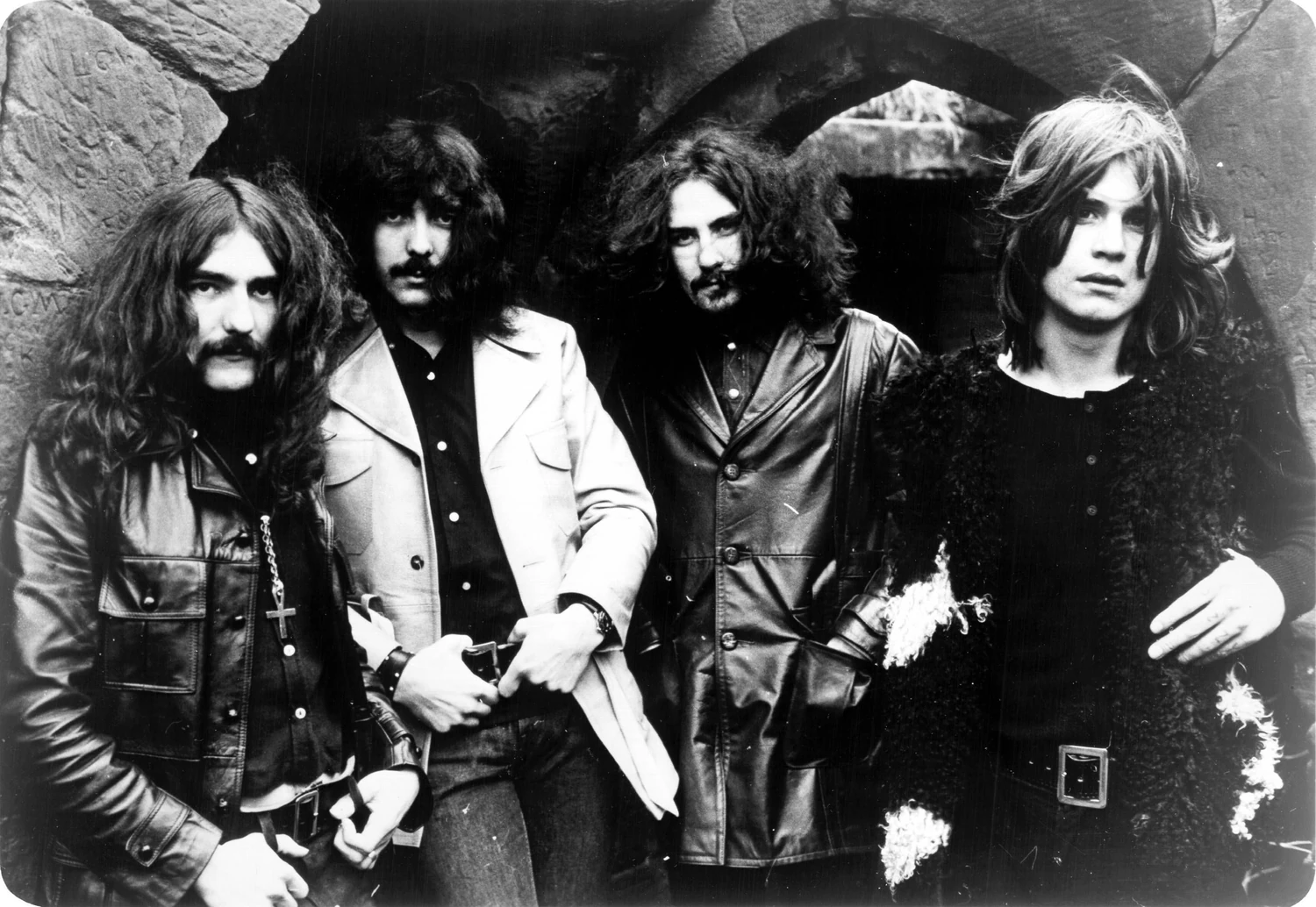
How Black Sabbath and Venom used dark or Satanic imagery, and why a song, stage character, and religious affiliation are different evidence.
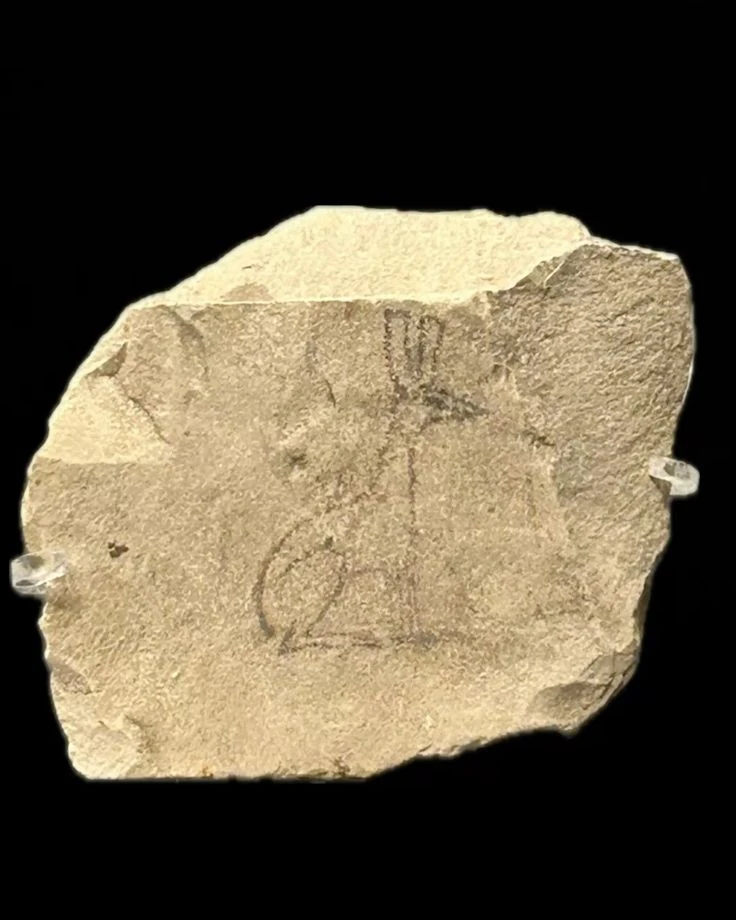
An ancient Egyptian deity associated with conflict and disorder, also reinterpreted in modern Setian religion.

A Goetic spirit with royal and comital rank, associated with hidden things, walls, and stormy waters.
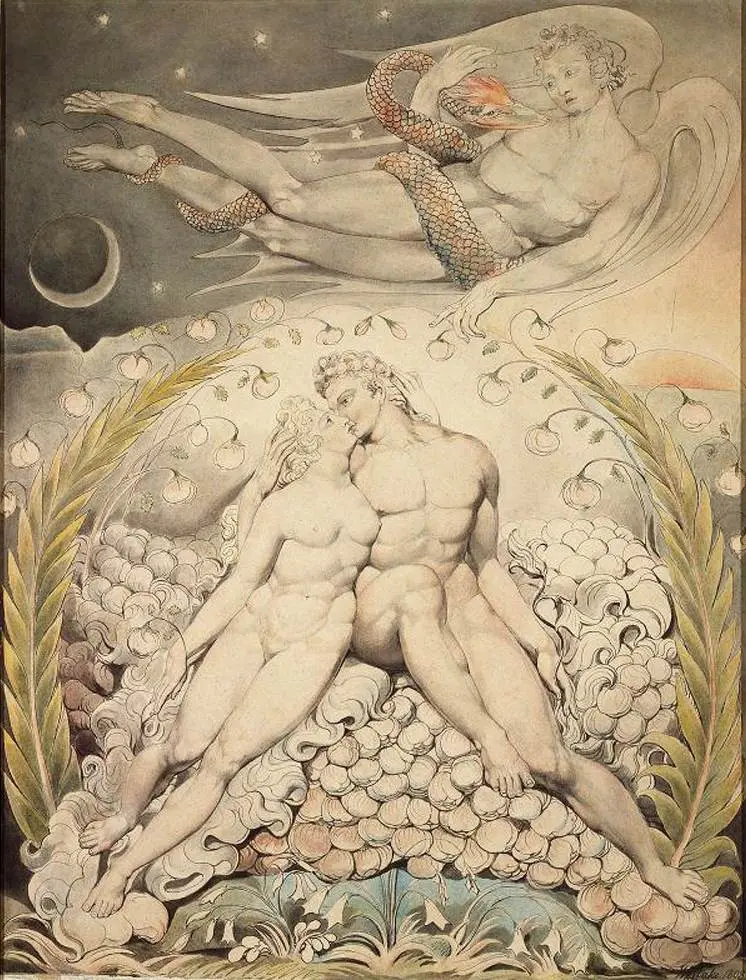
Religions that give Satan a central symbolic or divine role, with substantial differences in belief and practice.
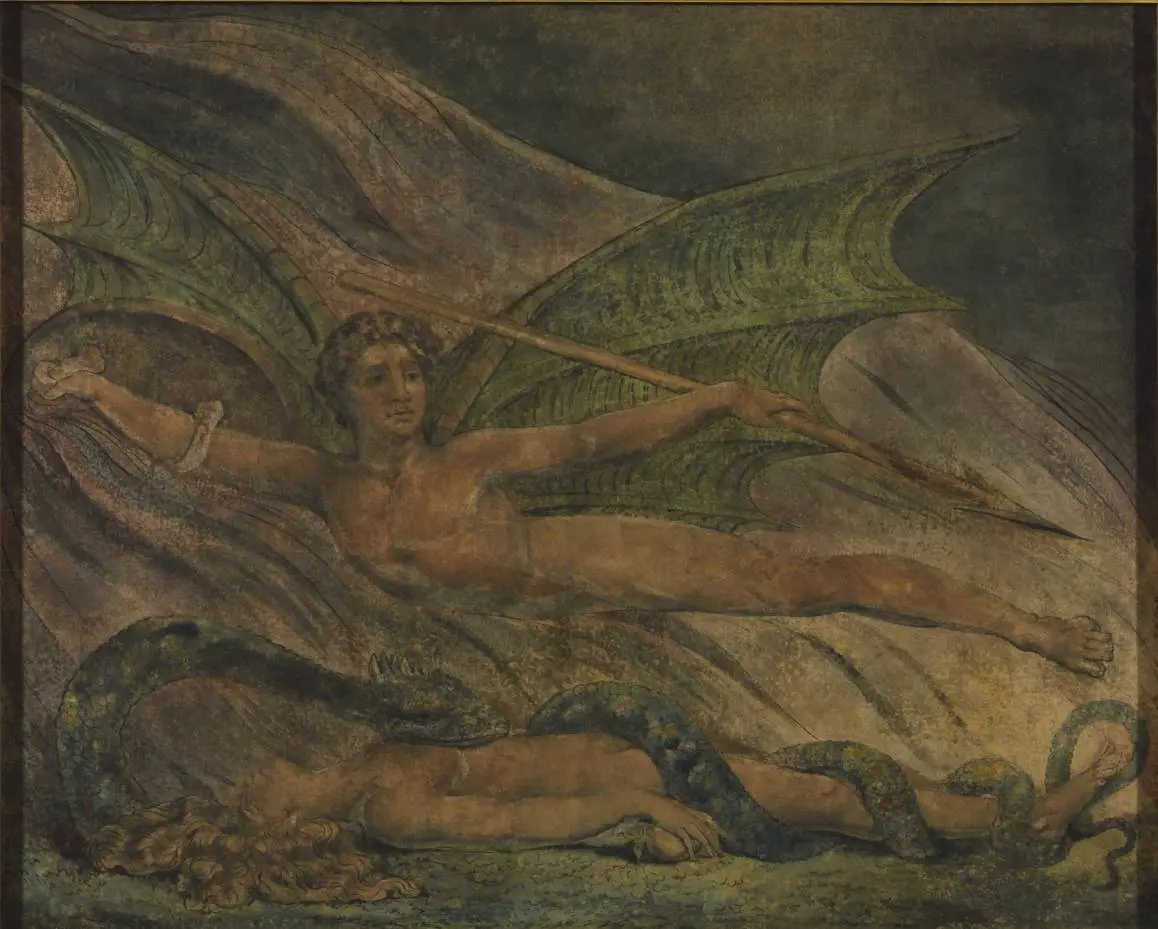
Romantic Satanism concerns literary and political readings that give Satan a positive role in opposition to tyranny or conventional authority. It should be distinguished from membership in a religious organization.
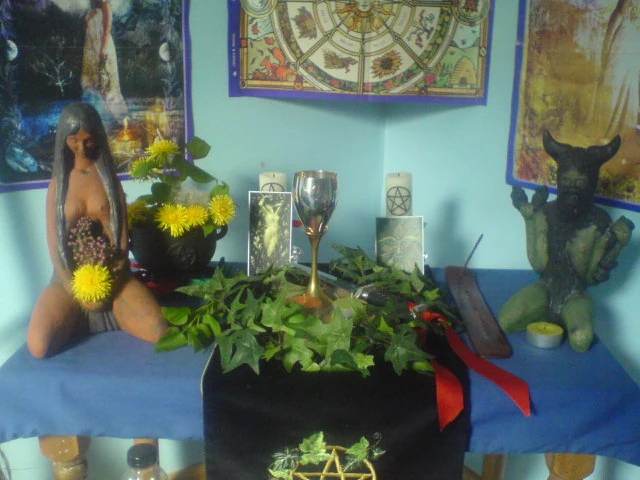
Modern Pagan religious witchcraft, its Gardnerian and Alexandrian traditions, ritual practice, and relationship to Satanism.
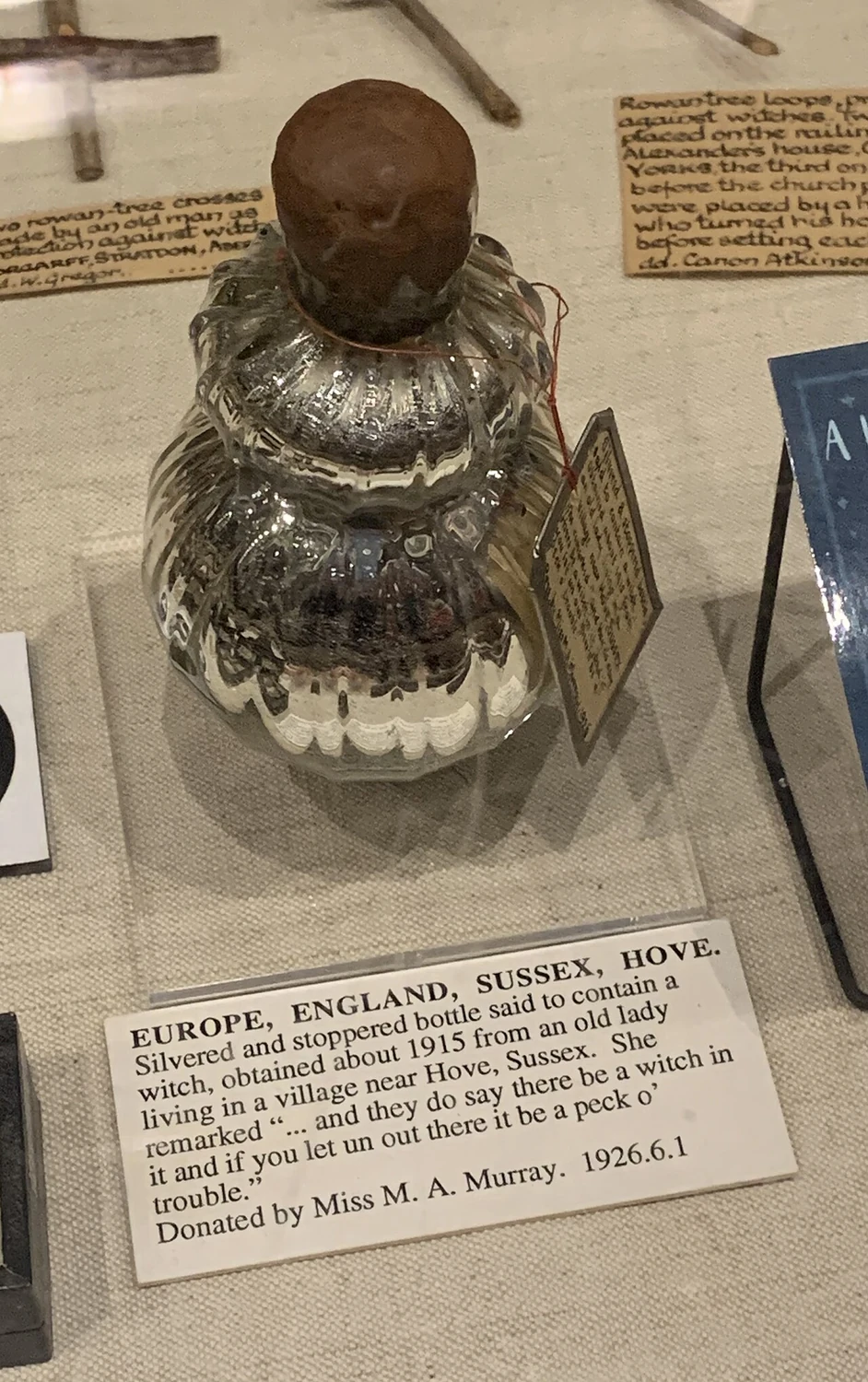
Protective charms, witch bottles, and everyday materials in local magical traditions, with documented British museum examples.
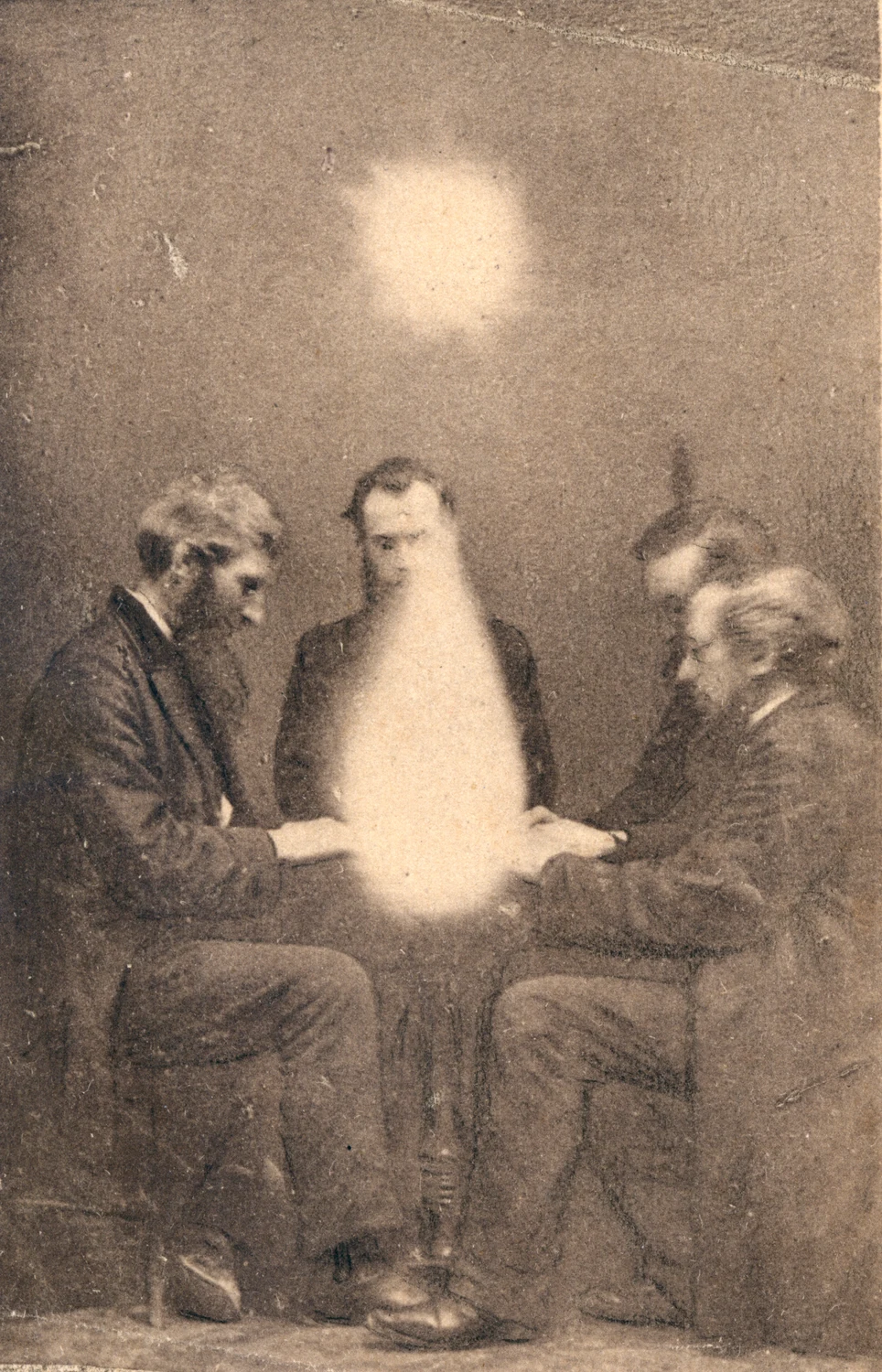
A religious movement centered on mediumship and continued personal identity after death, with church teachings and spirit photography.
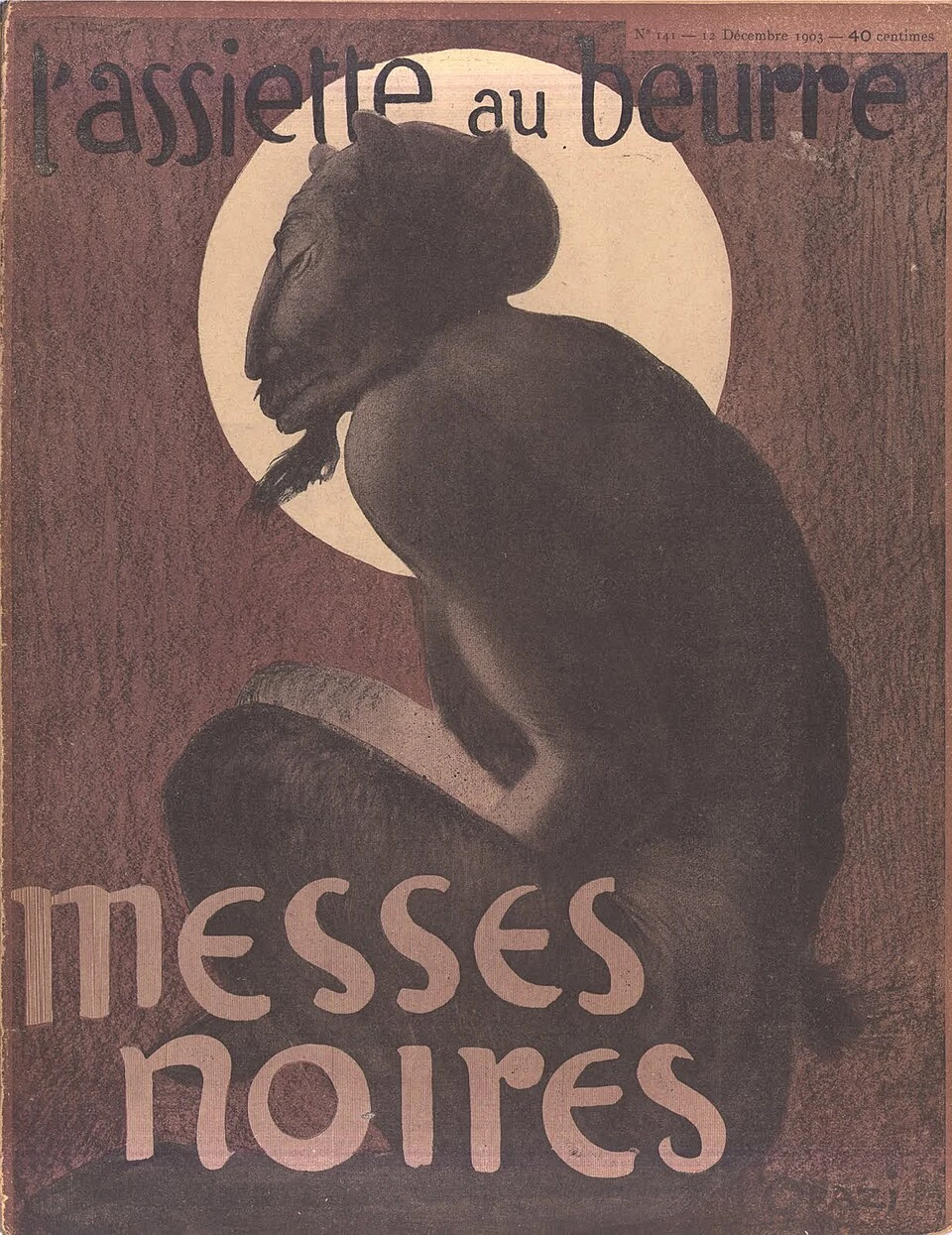
A term for ritual inversion of Christian worship, with Huysmans's literary portrayal and a modern distinction from Satanic Mass.

Freedom of religion and belief in international human rights texts, including minority religions, nonbelief, and religious expression.
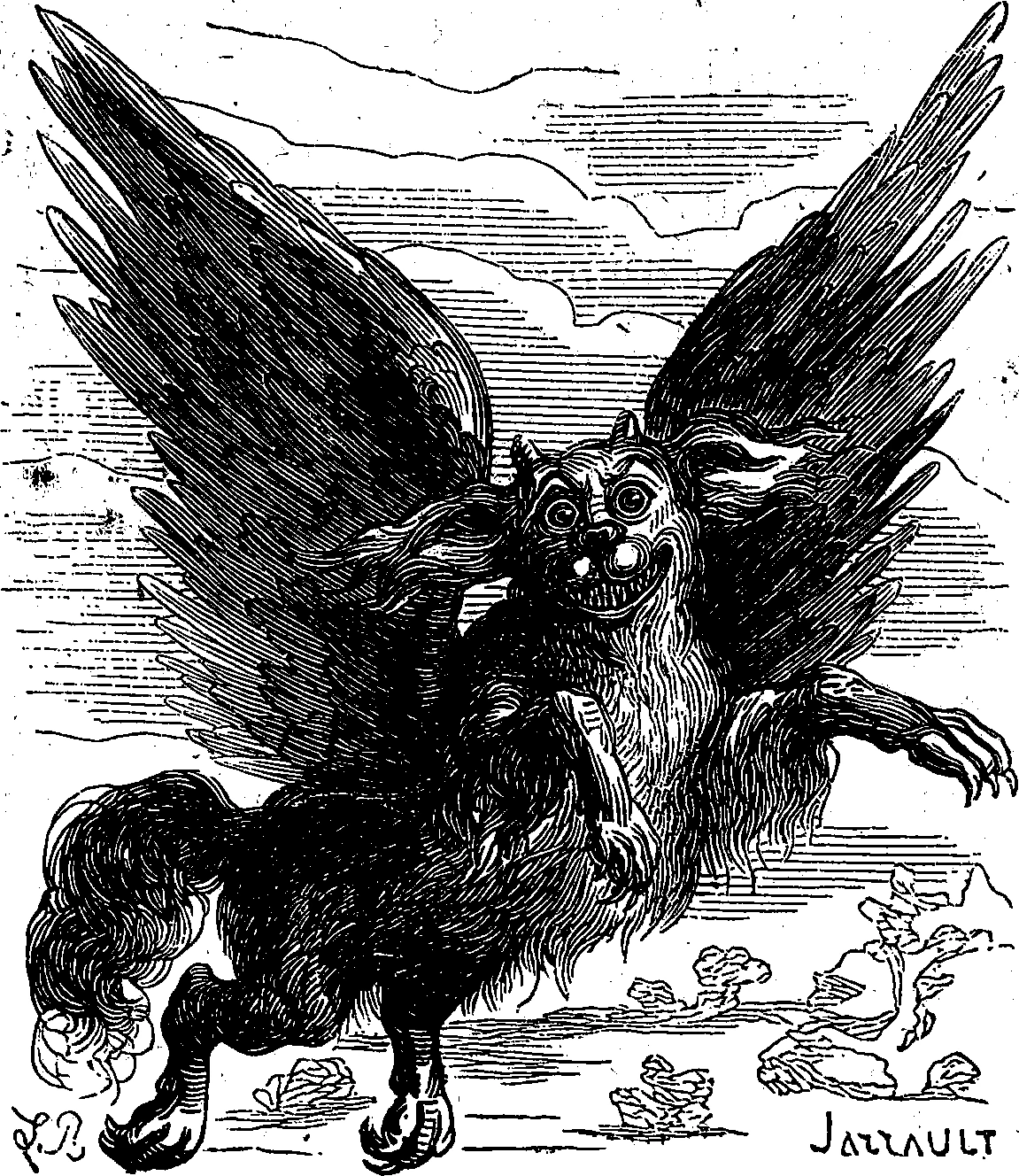
A Goetic spirit combining learned offices with a violent reputation and a winged dog form.
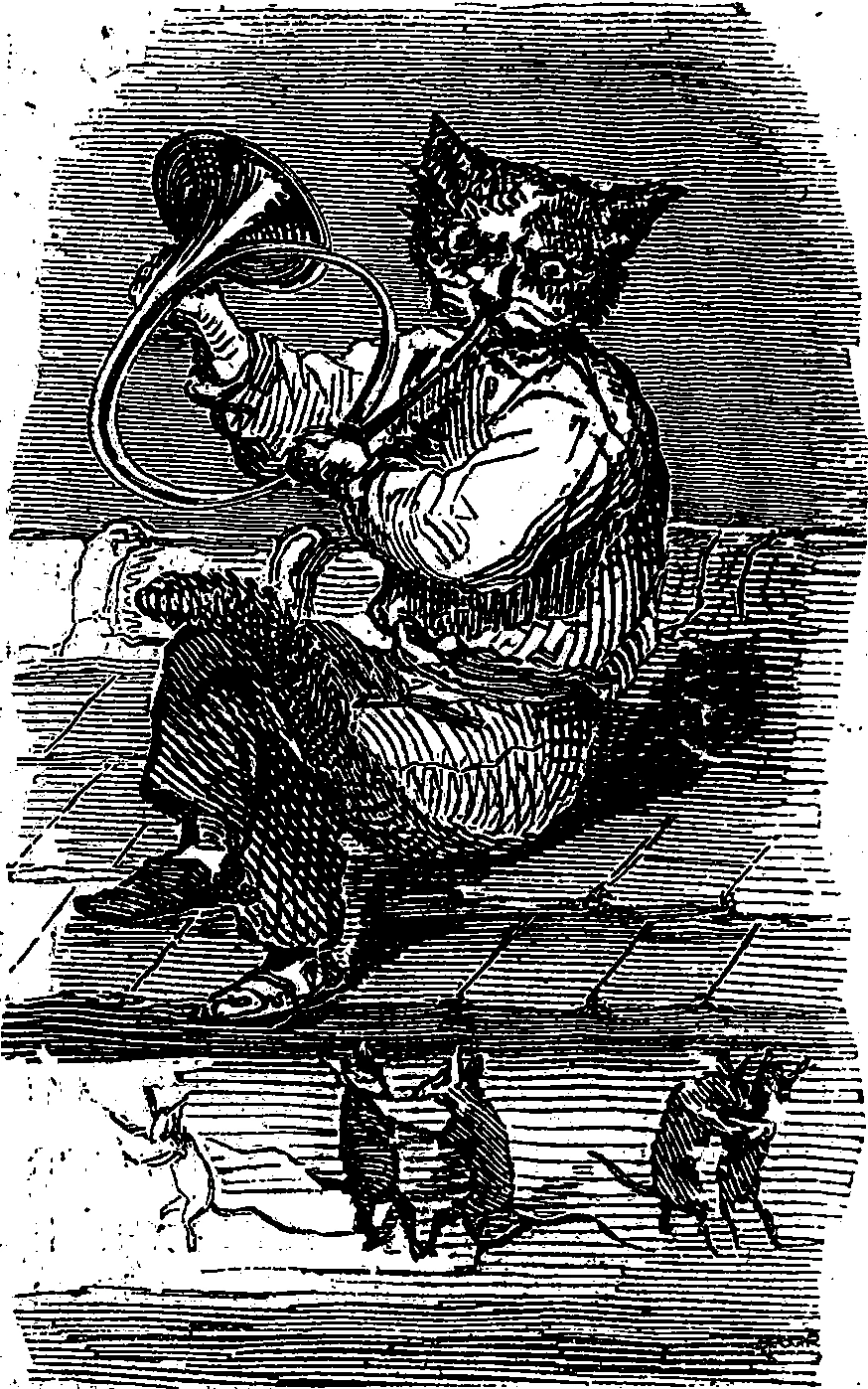
A Goetic king riding a pale horse, associated with desire and an elaborate ceremonial reception.
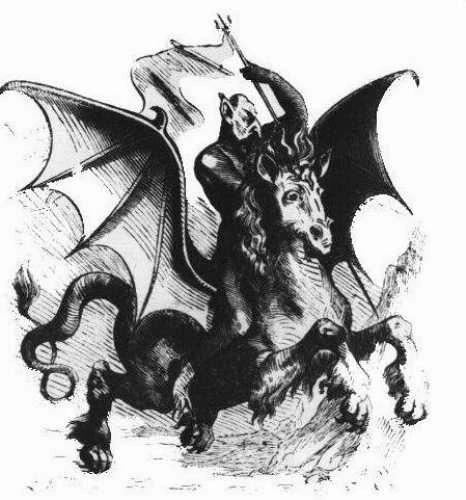
A Goetic duke depicted as a knight, associated with hidden matters, battles, and favor from powerful people.
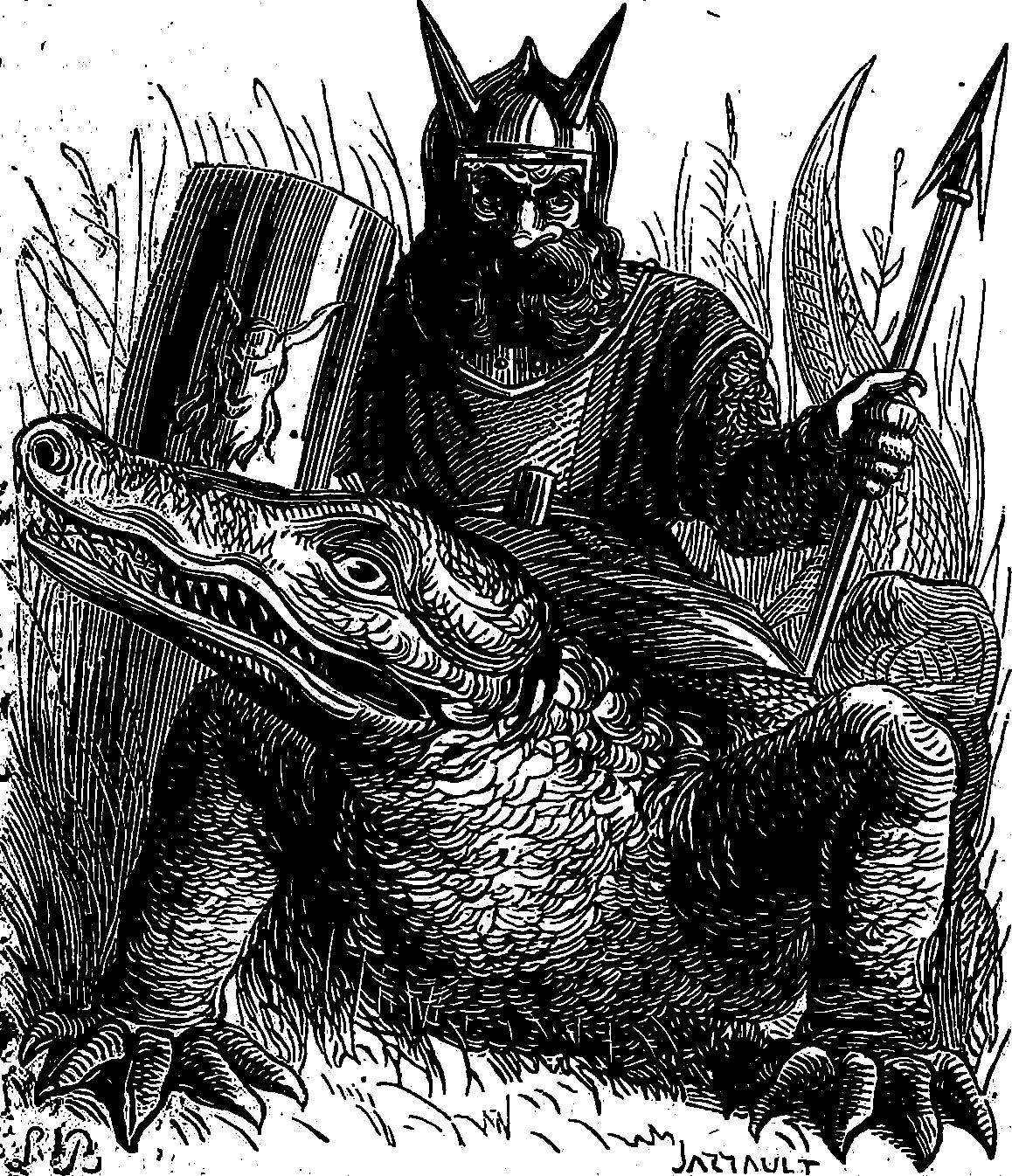
A Goetic duke, also called Saleos, described as a peaceful soldier riding a crocodile.
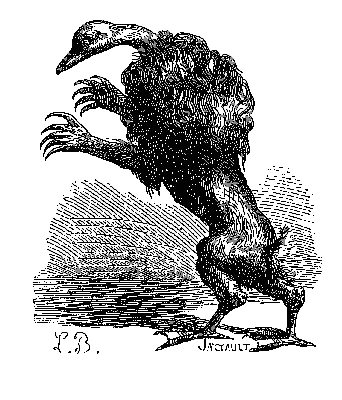
A Goetic spirit with an angelic body, lion head, goose foot, and hare tail, associated with knowledge and boldness.
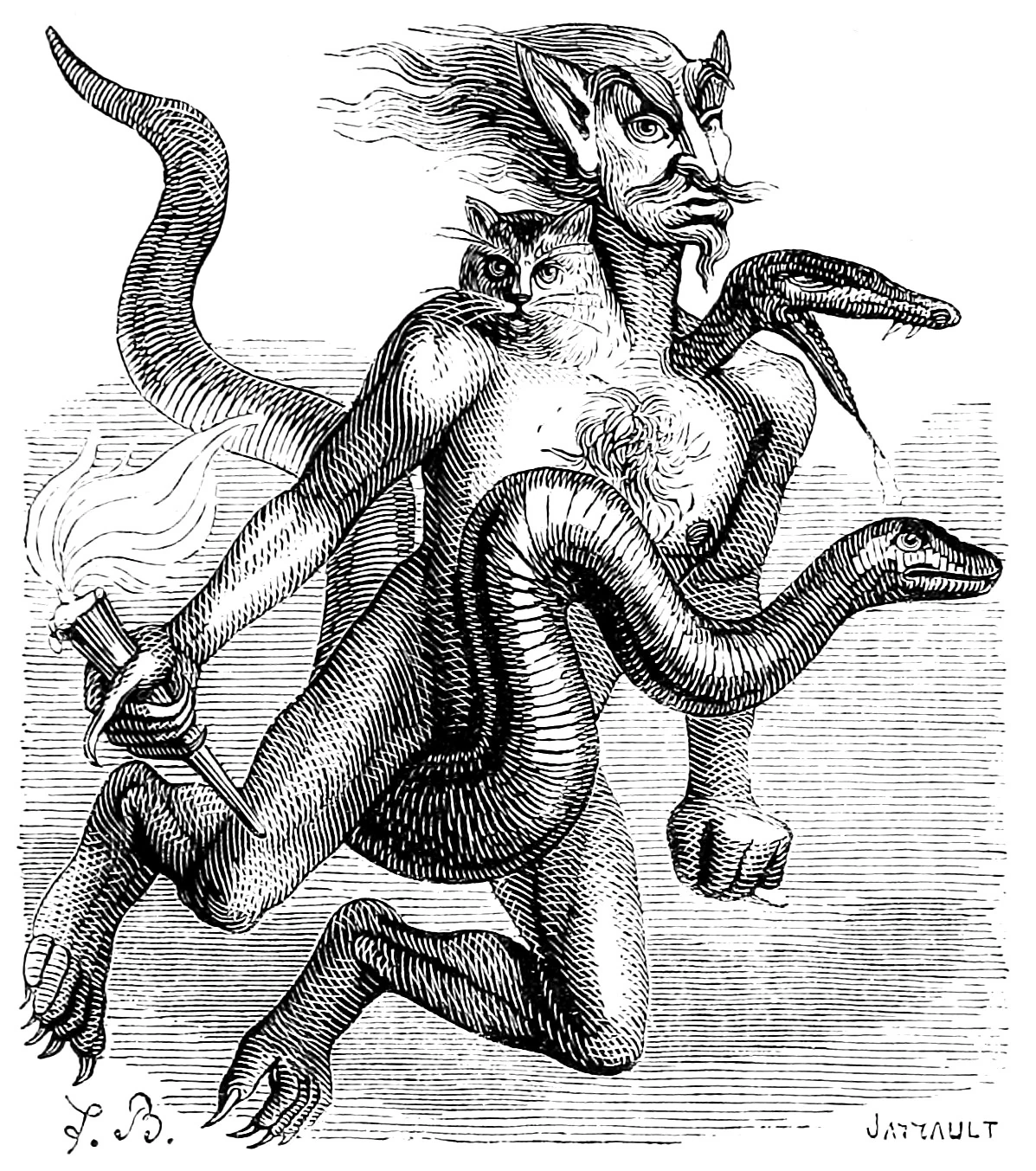
A Goetic duke with three heads, a serpent mount, and a firebrand, associated with fire and private questions.
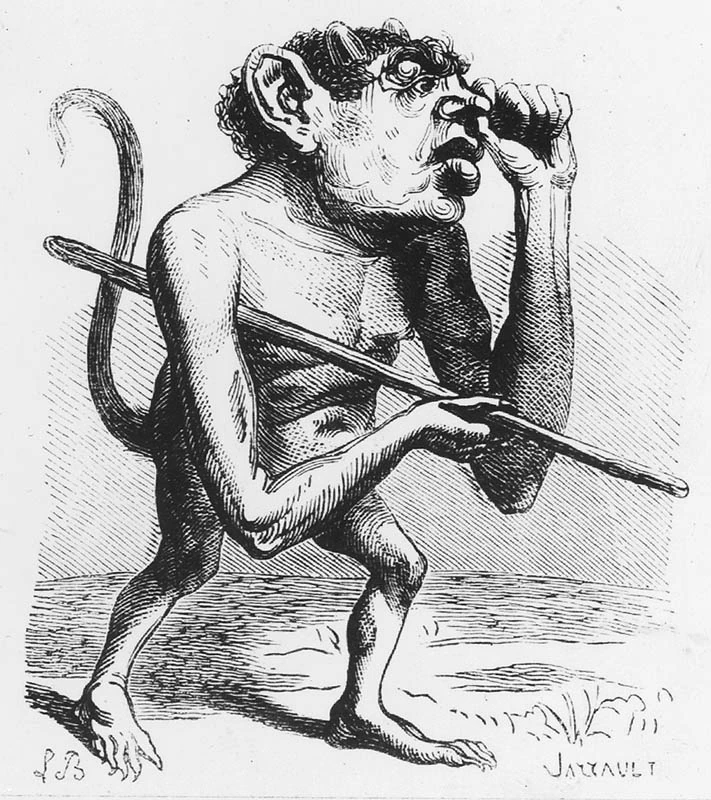
A Goetic spirit associated with rhetoric, languages, servants, and social favor.
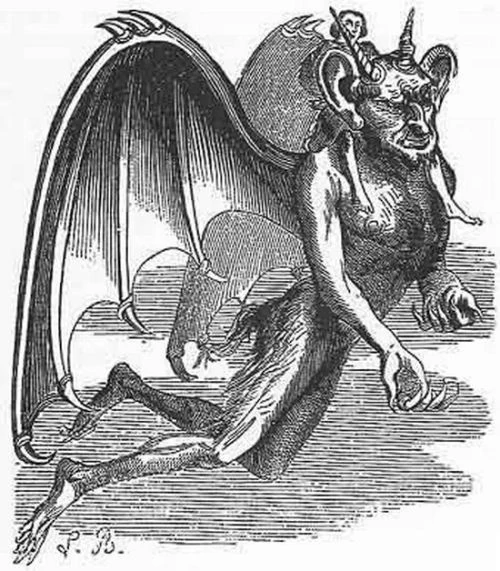
A Goetic spirit associated with learning, altered perception, familiars, and rapid travel.
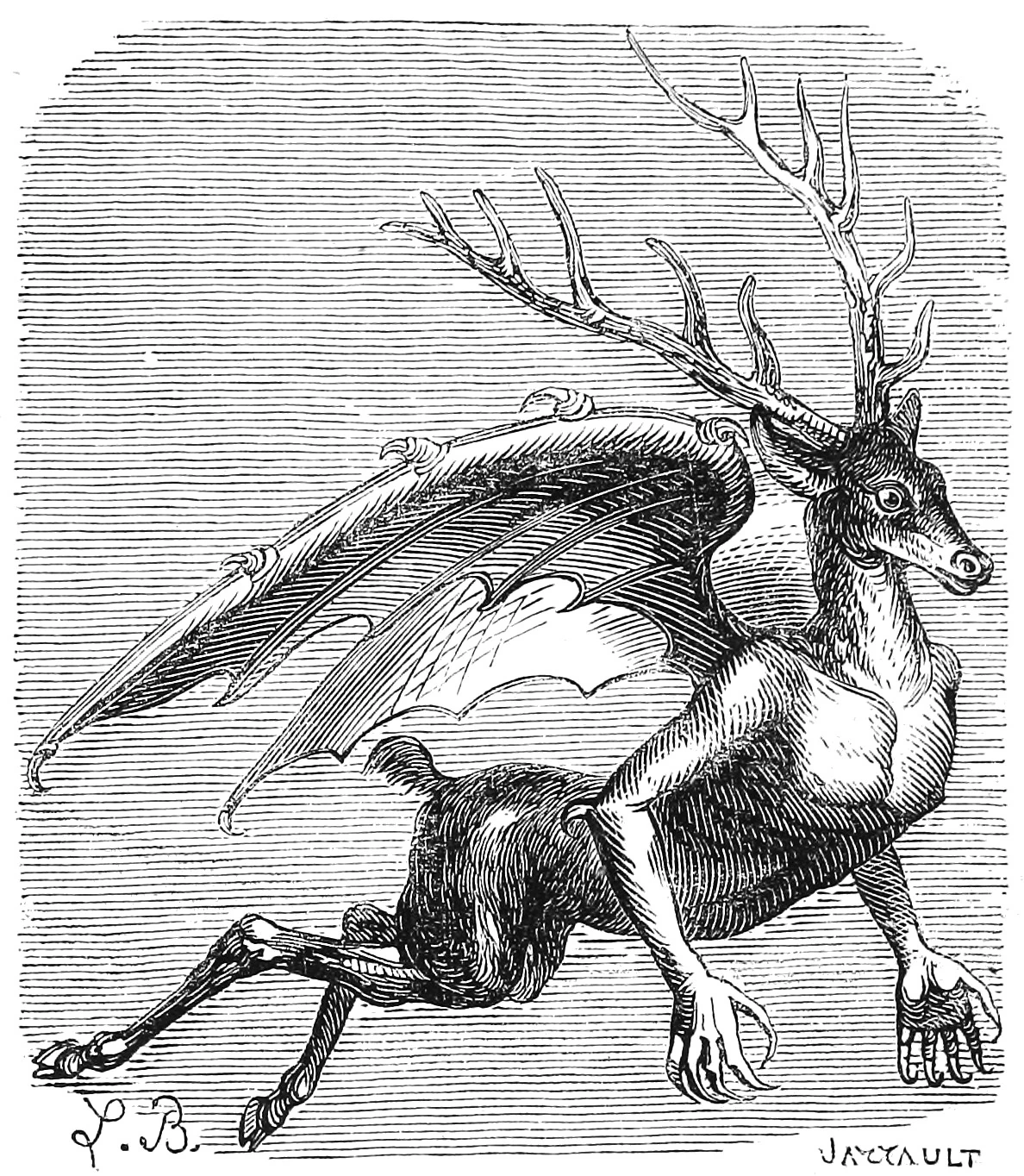
A Goetic earl depicted as a hart with a fiery tail, associated with storms and constrained answers.