Culture & Ethics
Myth and literal belief
A religious myth can organize meaning while also receiving literal belief. Literary form, personal interpretation, and historical evidence should be discussed as related but distinct questions.
A religious myth can organize meaning while also receiving literal belief. Literary form, personal interpretation, and historical evidence should be discussed as related but distinct questions.
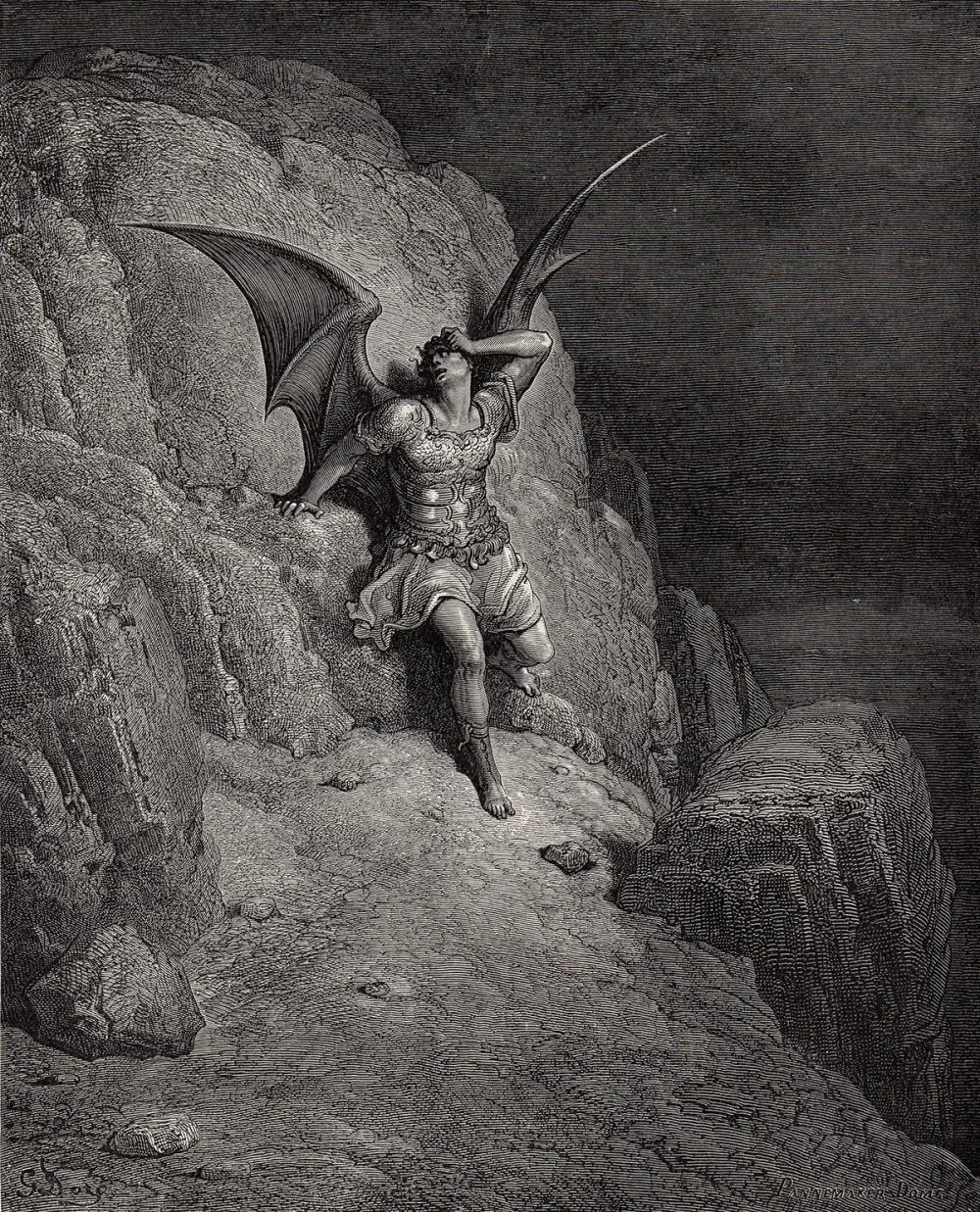
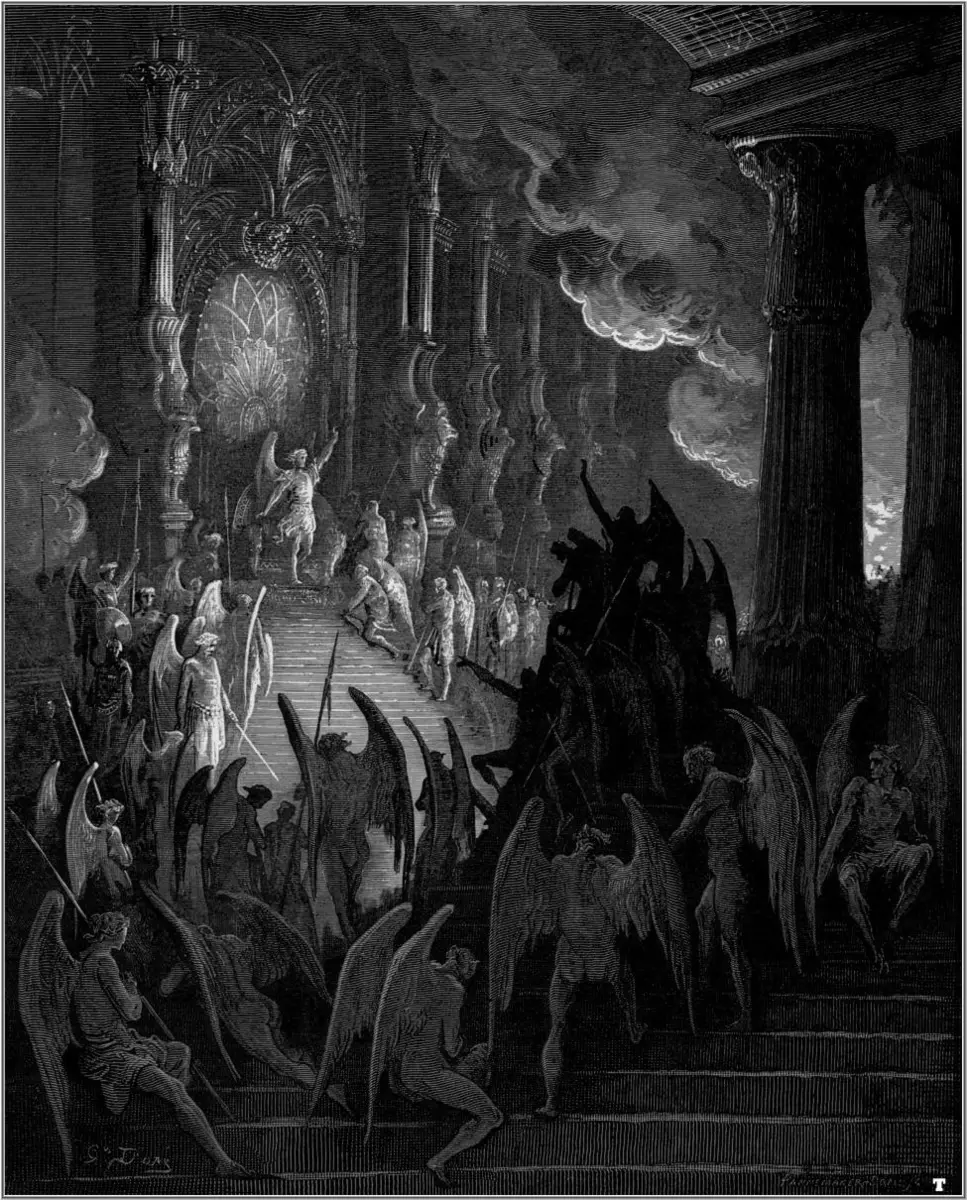
Milton’s Paradise Lost gives Satan an influential literary characterization. His persuasive speeches must be read alongside the narrator’s account and the consequences of his actions.
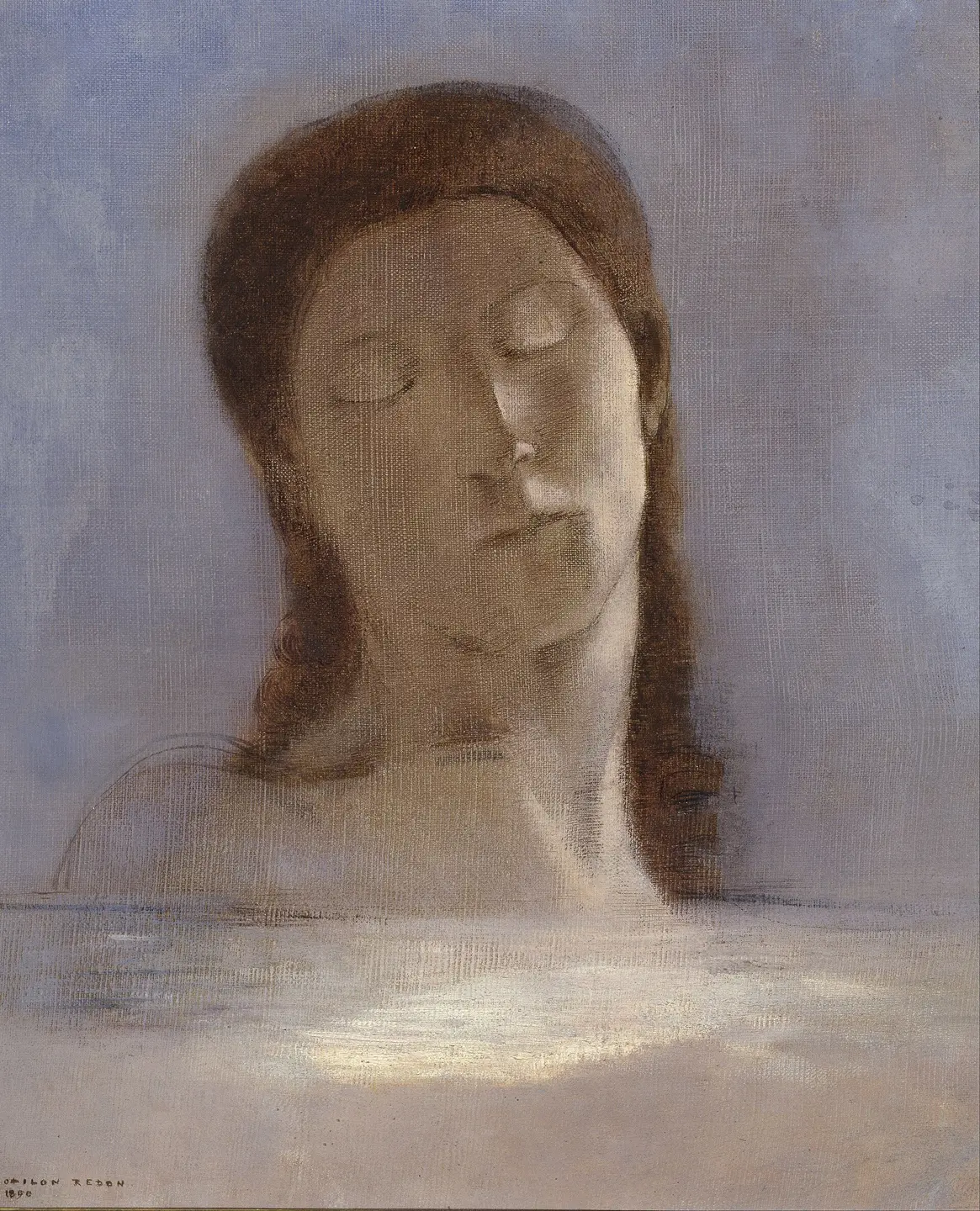
Unverified personal gnosis identifies a spiritual claim or interpretation whose source is personal experience rather than established textual or communal authority.
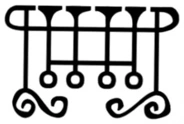
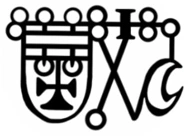
A Goetic duke associated with answers, reconciliation, and the obscure term Xenopilus.
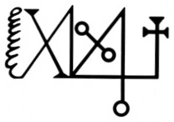
A Goetic duke associated with herbs, precious stones, and sudden travel between countries.
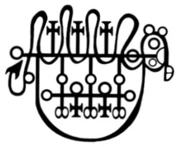
A Goetic duke with griffin wings, associated with winds, the sea, and shipwreck.
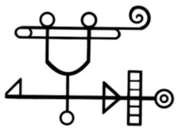
A Goetic duke portrayed as a mermaid, associated with ships, storms, and afflicted wounds.
A Goetic marquis depicted as a lion-headed soldier, associated with fortifications and wounds.

A Goetic duke, also called Procel, associated with geometry, hidden matters, and sounds of water.
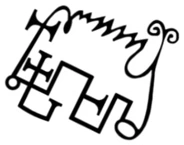
A Goetic president initially appearing as flame, associated with astrology, learning, familiars, and protected treasure.
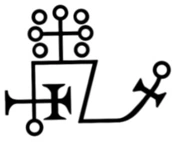
A many-faced Goetic duke carrying a book, associated with thoughts, knowledge, and visions of other people.
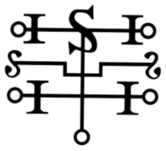
The final Goetic spirit, associated with stolen goods, concealed wrongdoing, and hidden treasure.

An initiatory organization associated with Thelema and the public celebration of the Gnostic Mass.
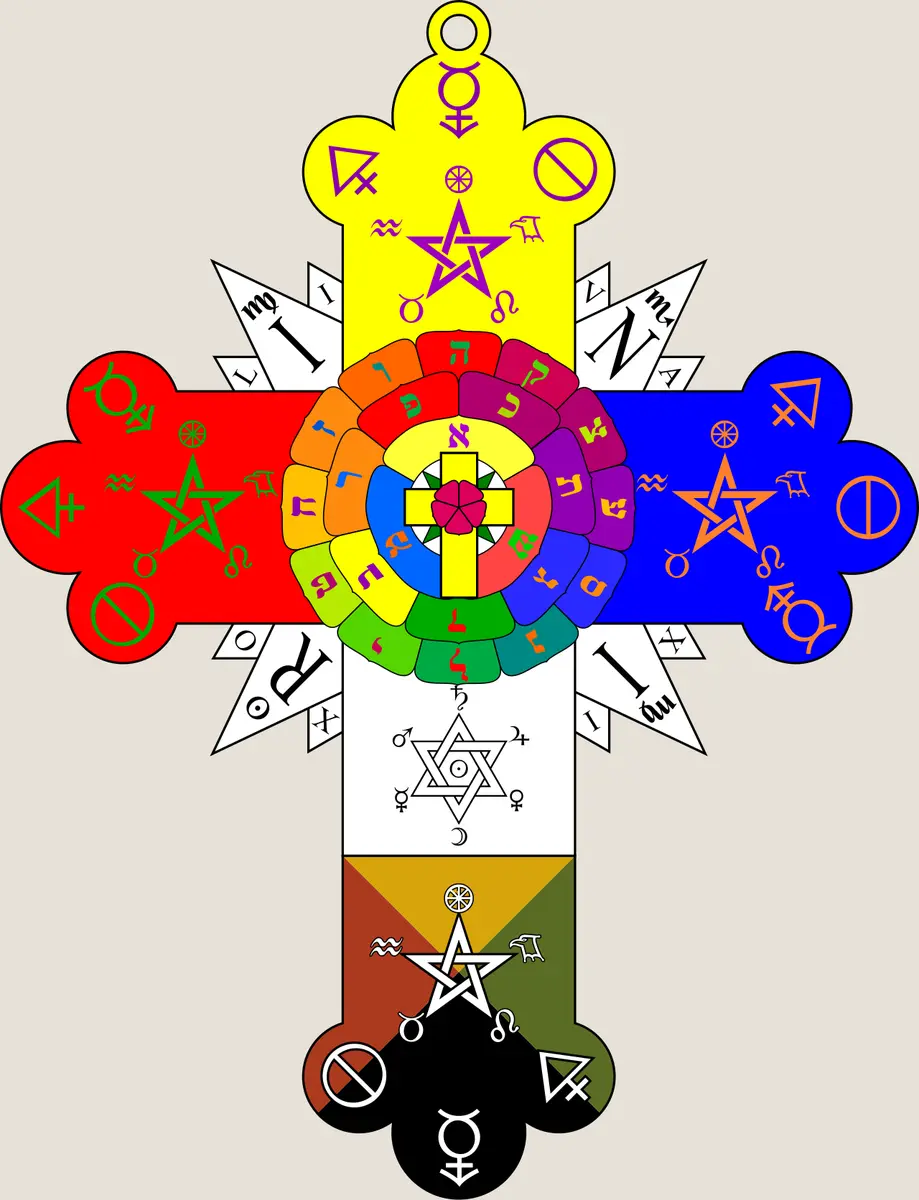
A late nineteenth-century British initiatory order that shaped modern ceremonial magic, Tarot, and Hermetic Qabalah.
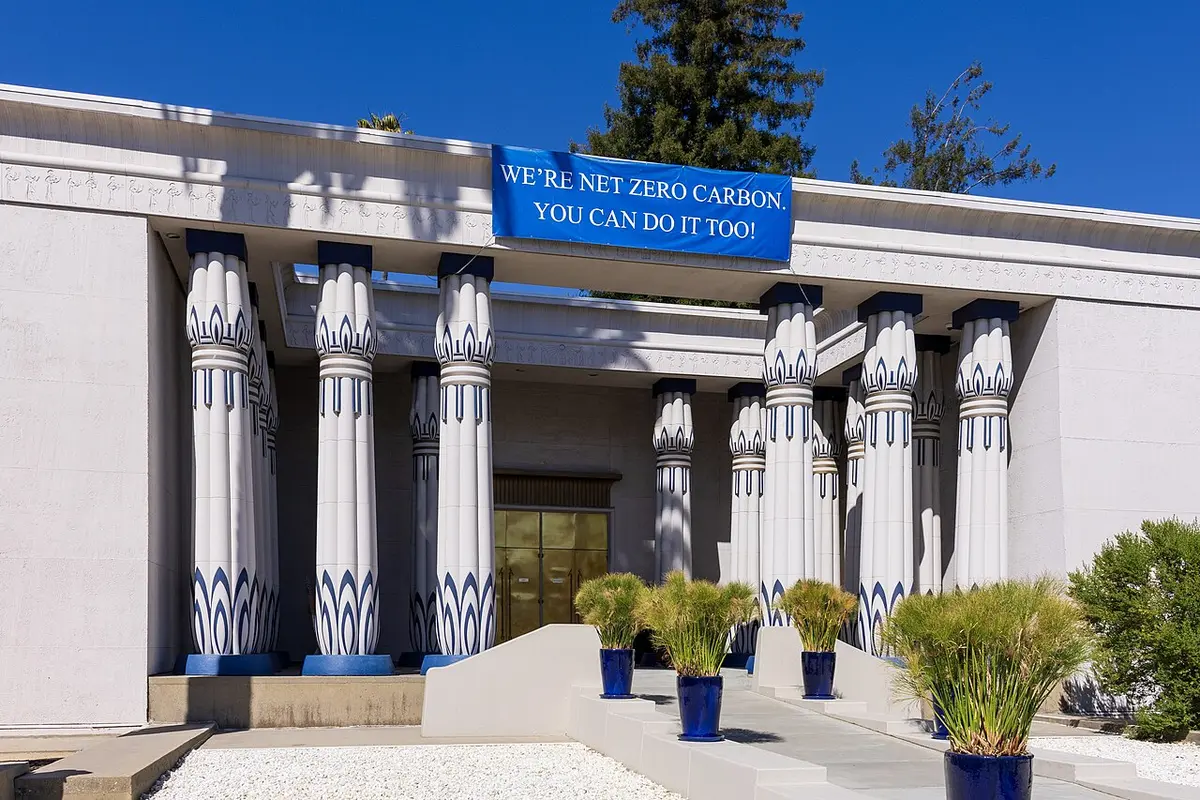
A modern Rosicrucian organization, usually called AMORC, that teaches through lessons and local study groups.
A nontheistic Satanic organization whose public principles emphasize self-determination, compassion, and responsibility.
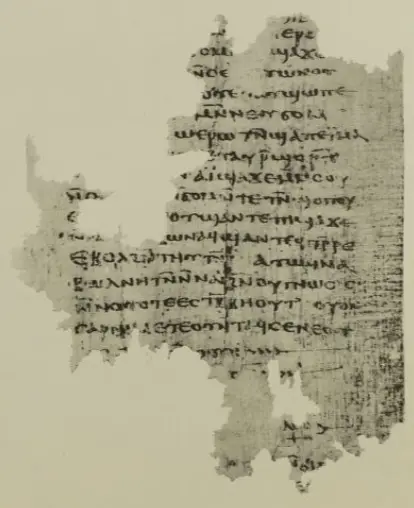
A modern umbrella term for several ancient religious movements and texts concerned with saving knowledge and divine origins.
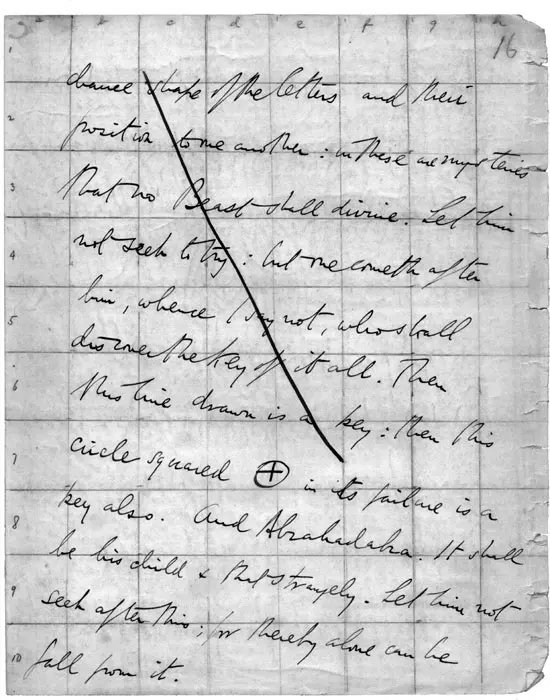
The three-chapter revelatory text at the center of Thelema, also titled Liber AL vel Legis.
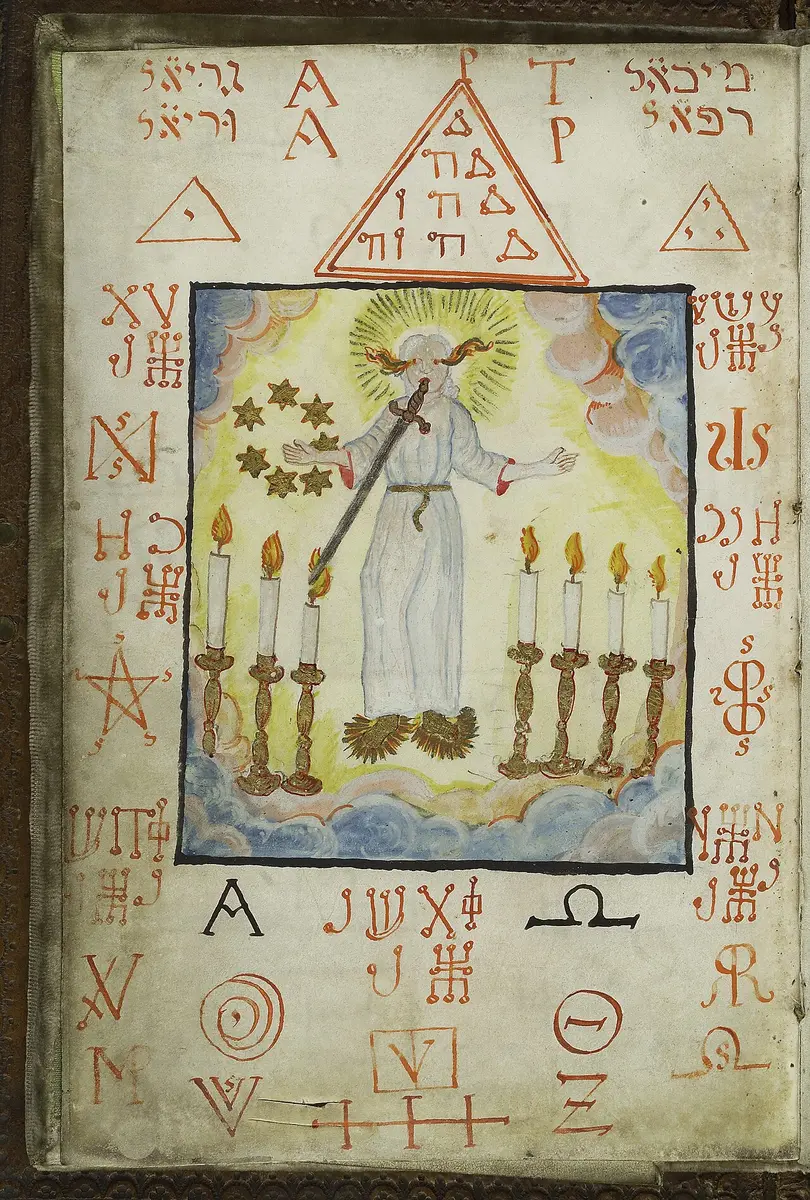
The medieval Liber Juratus, a work of sacred magic concerned with divine vision, angels, and ritual authority.
The Hebrew Enochic work associated with heavenly palaces and Enoch’s transformation into Metatron.