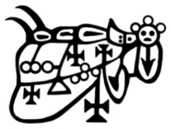
Bune
A Goetic duke associated with wealth, eloquence, and the places of the dead.
98 published articles link to Ars Goetia.
A Goetic duke associated with wealth, eloquence, and the places of the dead.

A Goetic president associated with animal voices, disputation, and answers given through burning ashes.
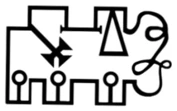
A mounted Goetic marquis associated with grammar, rhetoric, logic, and hidden treasure.

A Goetic duke, also called Procel, associated with geometry, hidden matters, and sounds of water.
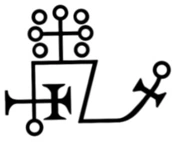
A many-faced Goetic duke carrying a book, associated with thoughts, knowledge, and visions of other people.
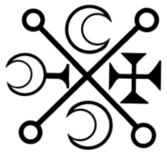
A Goetic marquis appearing as a star, associated with plants, stones, and bird-like apparitions.
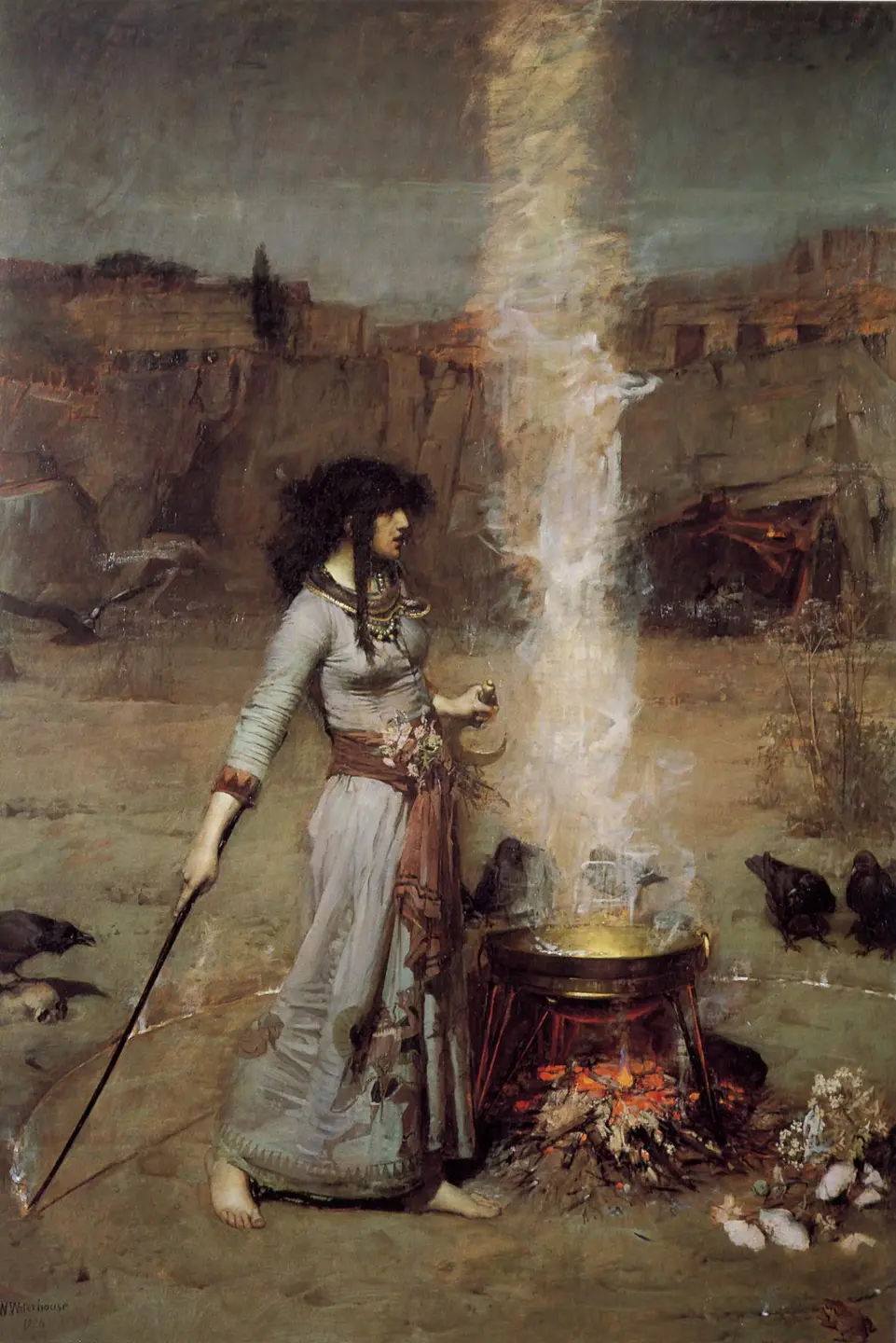
Demonolatry refers to devotion to demons or daemonic beings. Modern accounts vary in theology, authority, and their relationship with historical grimoires.
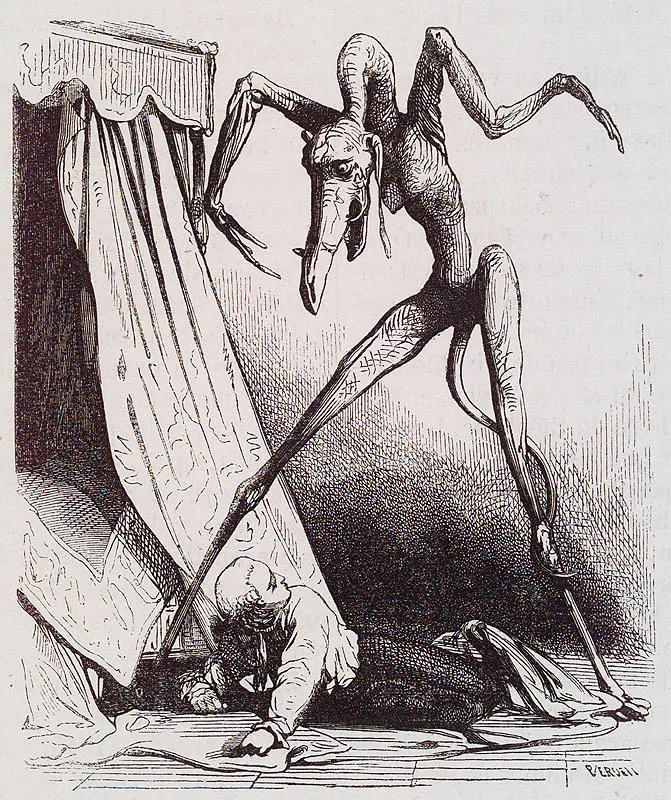
Demonology is the study, classification, and interpretation of demons and related spirits. In Western religious history it has included theological arguments about the nature and powers of demons, lists of named spirits, explanations of possession and temptation, magical techniques for summoning or constraining spirits, and folklore about dangerous supernatural beings. Modern theistic Satanists and…
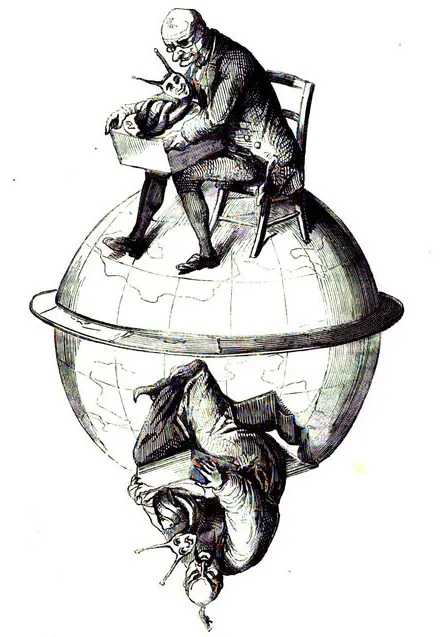
Collin de Plancy’s Dictionnaire infernal gathered supernatural traditions in a dictionary format. Its 1863 entries and illustrations remain influential in modern depictions of spirits.
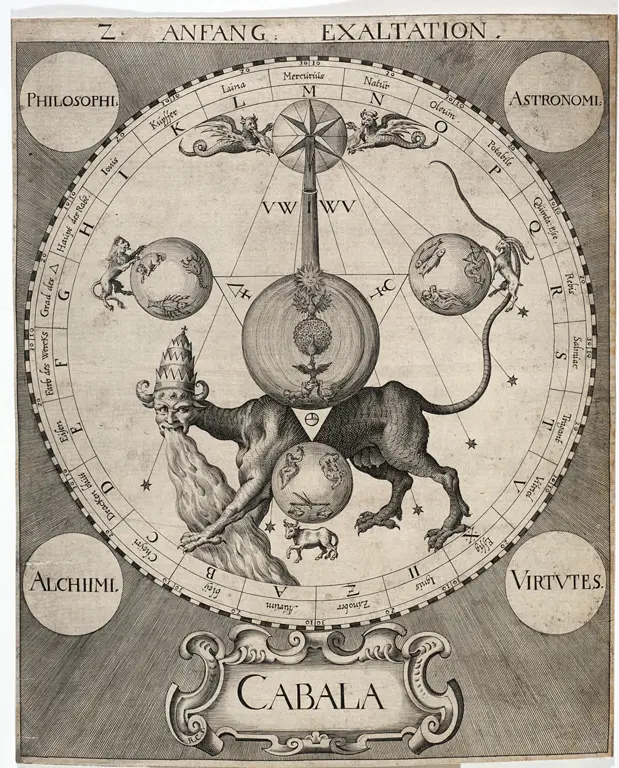
An initiatory order whose Draconian system brings together Qliphoth, Goetic magic, alchemy, and other esoteric traditions.
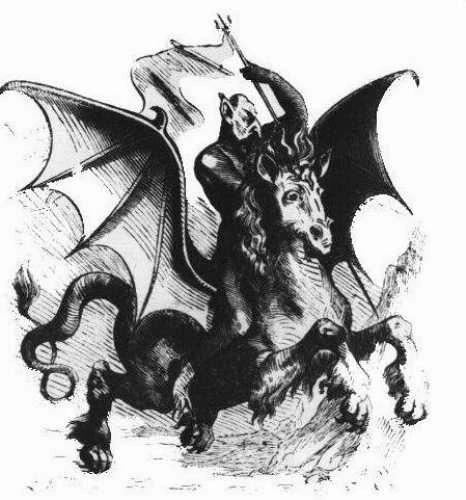
A Goetic duke depicted as a knight, associated with hidden matters, battles, and favor from powerful people.
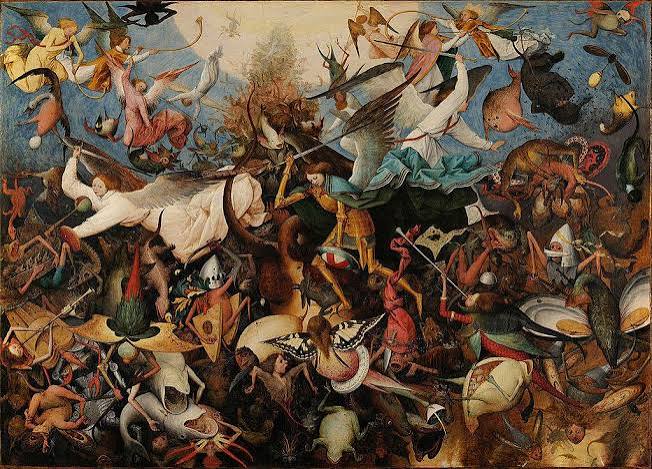
Fallen angels are heavenly beings portrayed as losing their place or proper condition through transgression. Enochic descent, Satan’s refusal to honor Adam, and the war in Revelation are distinct accounts that later interpretation can bring together.
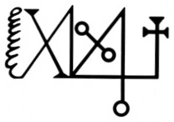
A Goetic duke with griffin wings, associated with winds, the sea, and shipwreck.
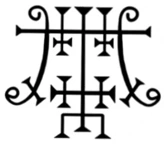
A Goetic president associated with logic, ethics, plants, stones, longevity, and lost things.
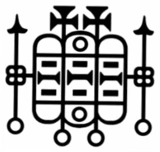
A Goetic marquis described as a sea monster, associated with language, reputation, and rhetoric.
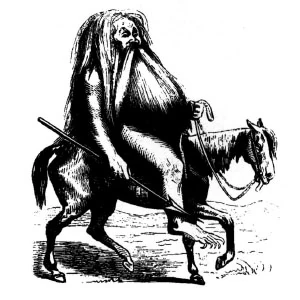
The Goetic knight, associated with philosophy, learned arts, and forms of divination.
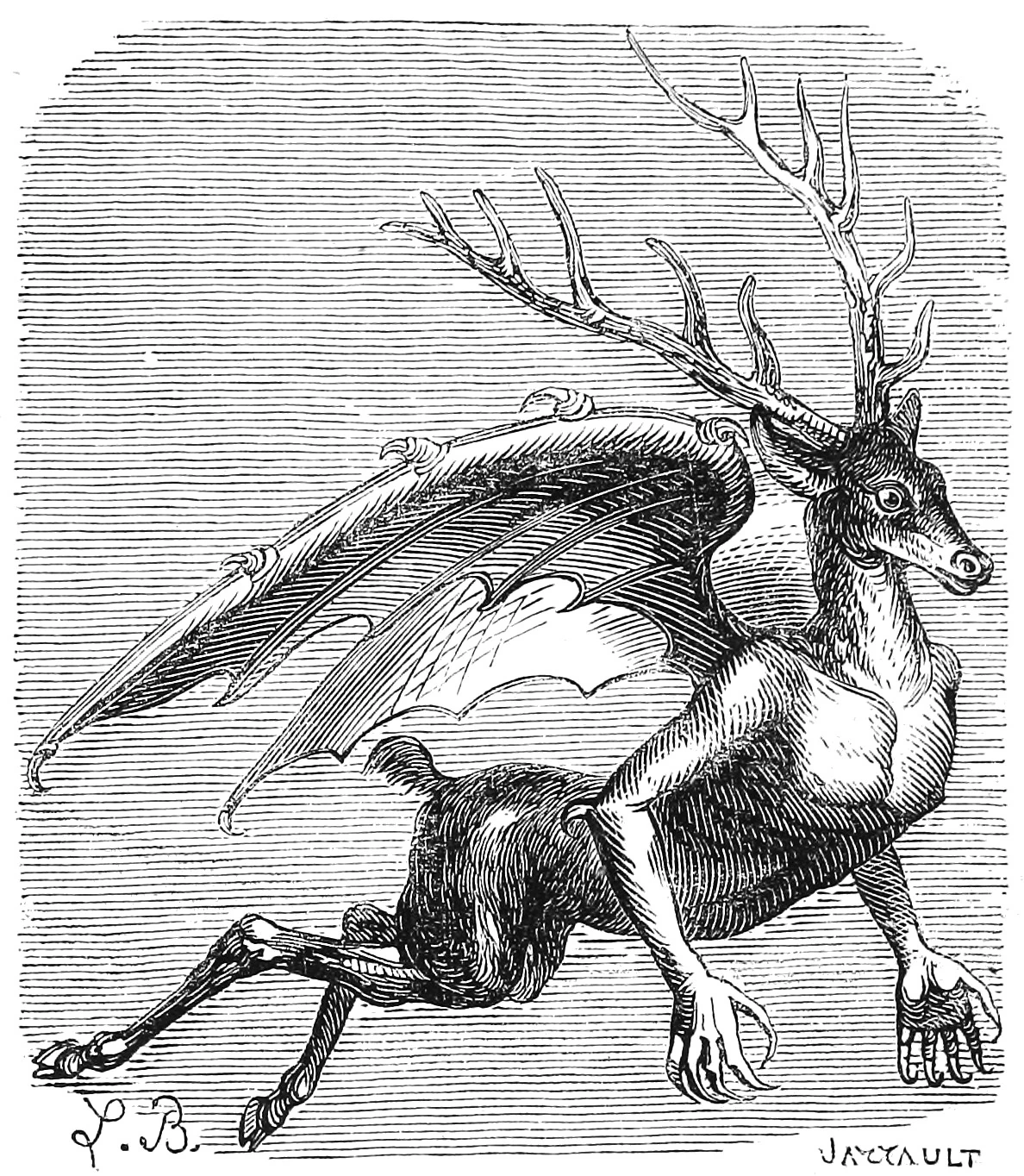
A Goetic earl depicted as a hart with a fiery tail, associated with storms and constrained answers.
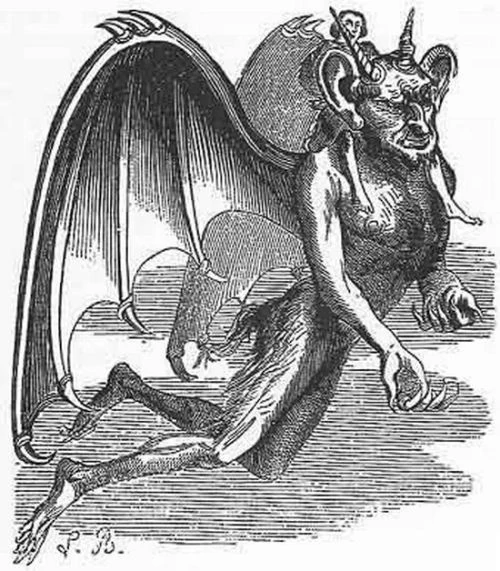
A Goetic spirit associated with learning, altered perception, familiars, and rapid travel.
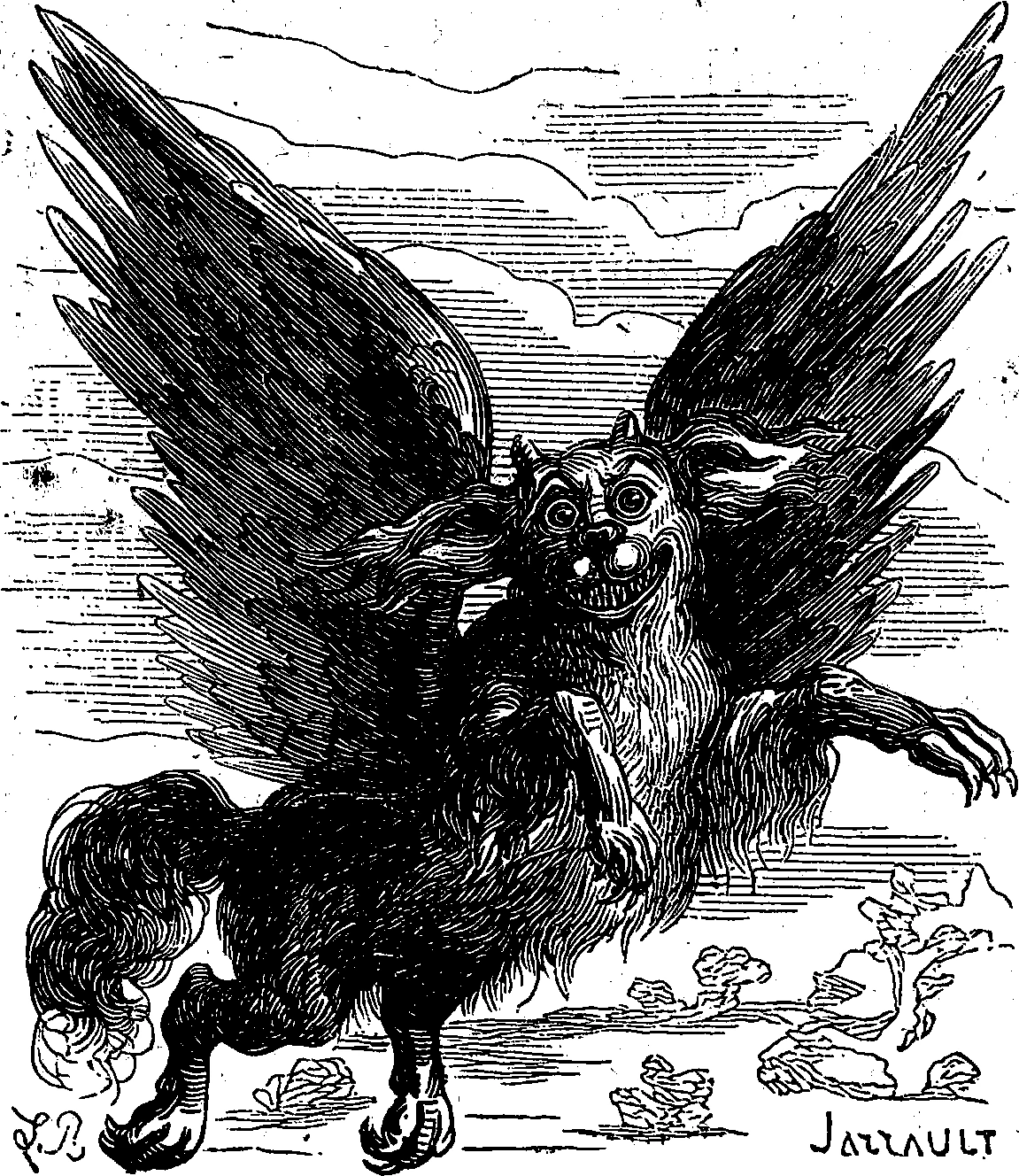
A Goetic spirit combining learned offices with a violent reputation and a winged dog form.
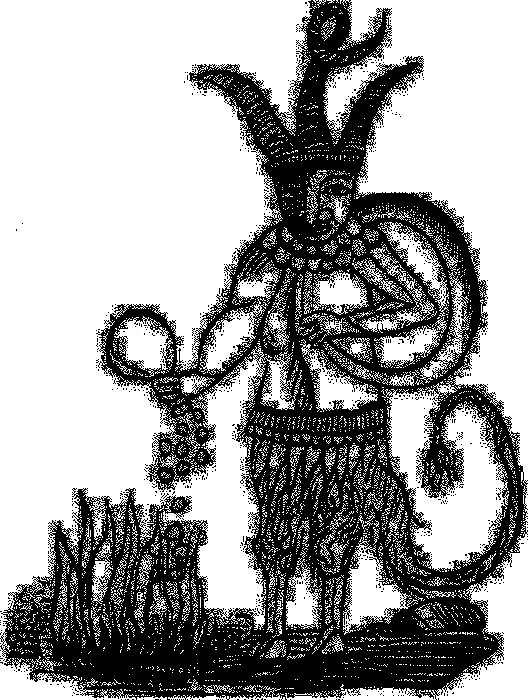
A grimoire best known for its staged encounter and pact with Lucifuge Rofocale.
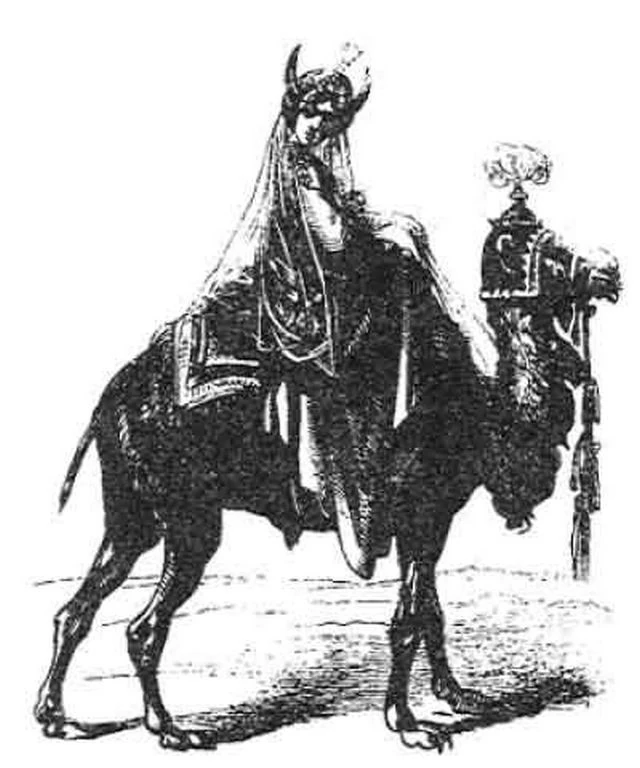
A Goetic duke depicted as a woman on a camel, associated with hidden knowledge, treasure, and attraction.
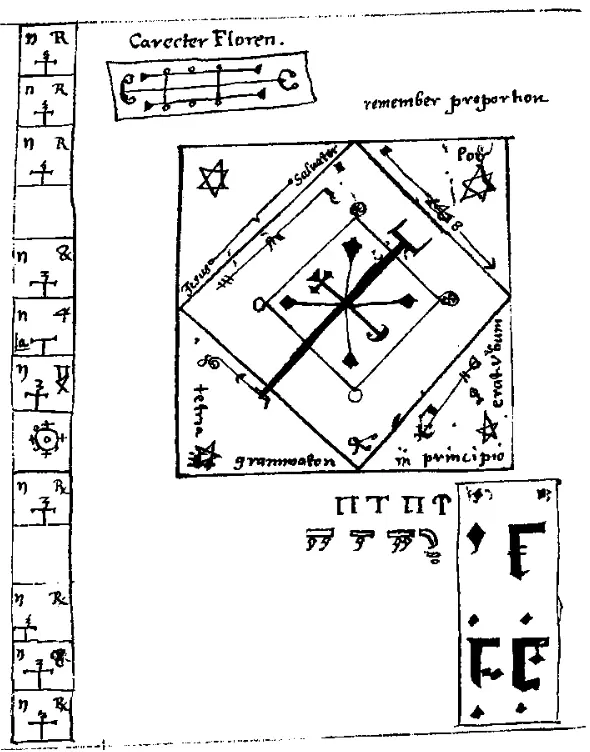
A grimoire is a book or manuscript containing magical knowledge, ritual procedures, charms, conjurations, talismans, spirit catalogues, astrological instructions, prayers, or other techniques intended to produce supernatural or occult effects. The term is most strongly associated with European magic, but scholars use it within a much wider history of magical books and written ritual technologies.
A grimoire with a hierarchy centered on Lucifer, Beelzebub, and Astaroth, followed by spirit operations and practical recipes.
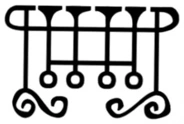
A Goetic duke associated with answers, reconciliation, and the obscure term Xenopilus.
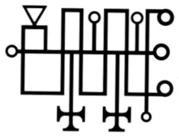
A Goetic president with a winged bull form, associated with wisdom and the transformation of substances.