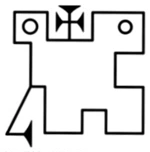
Halphas
A Goetic earl associated with fortification and military supply, often confused with Malphas.
98 published articles link to Ars Goetia.
A Goetic earl associated with fortification and military supply, often confused with Malphas.
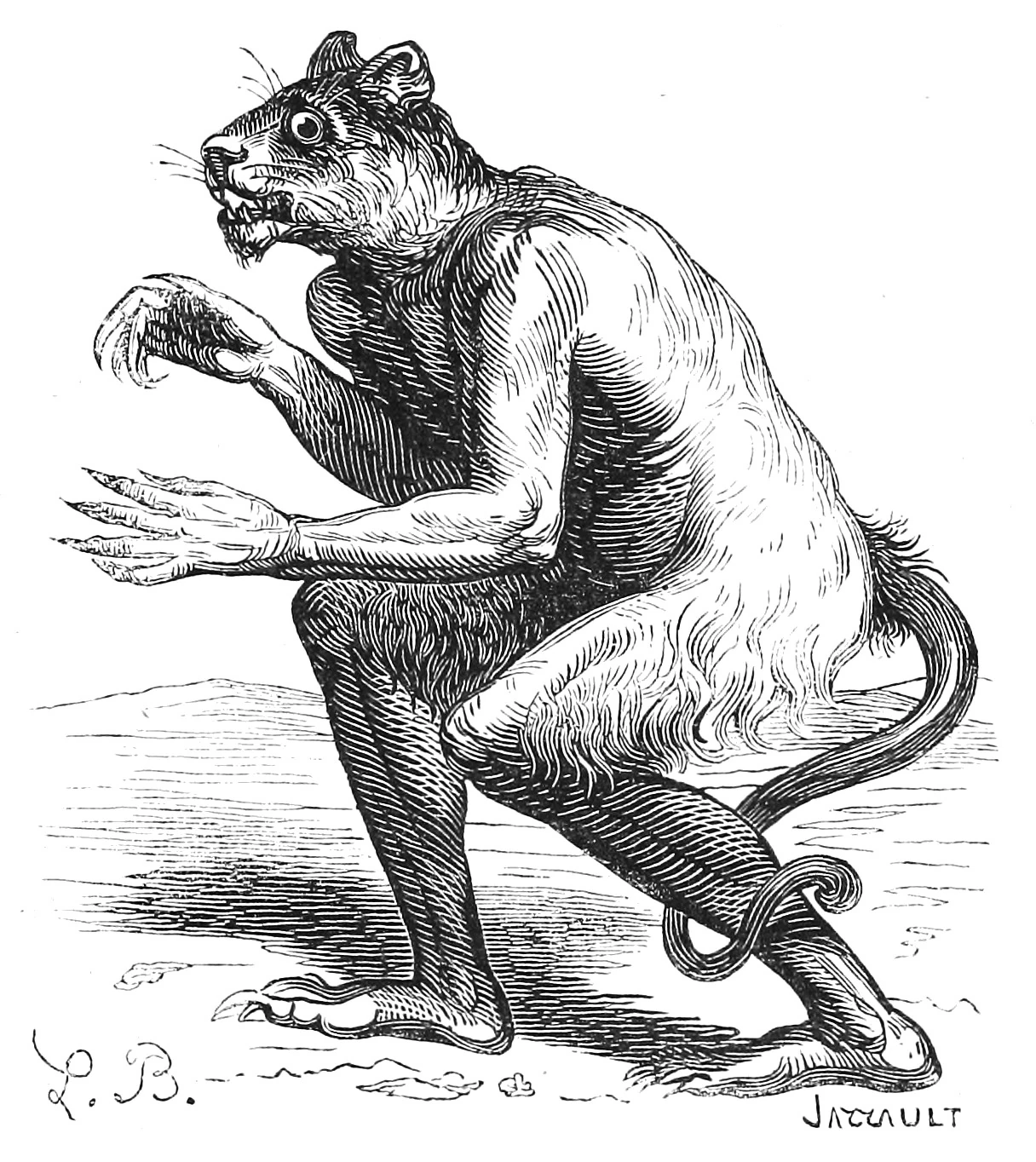
A Goetic duke, also called Flauros, associated with fiery destruction and answers about divine matters.
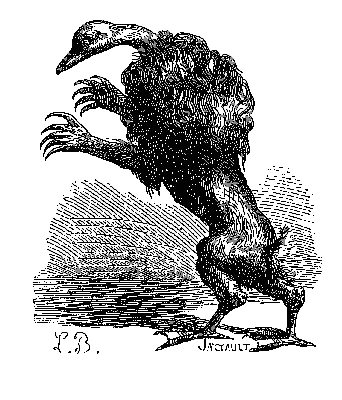
A Goetic spirit with an angelic body, lion head, goose foot, and hare tail, associated with knowledge and boldness.

The physician and author whose Pseudomonarchia daemonum supplied an important source for later spirit catalogues.
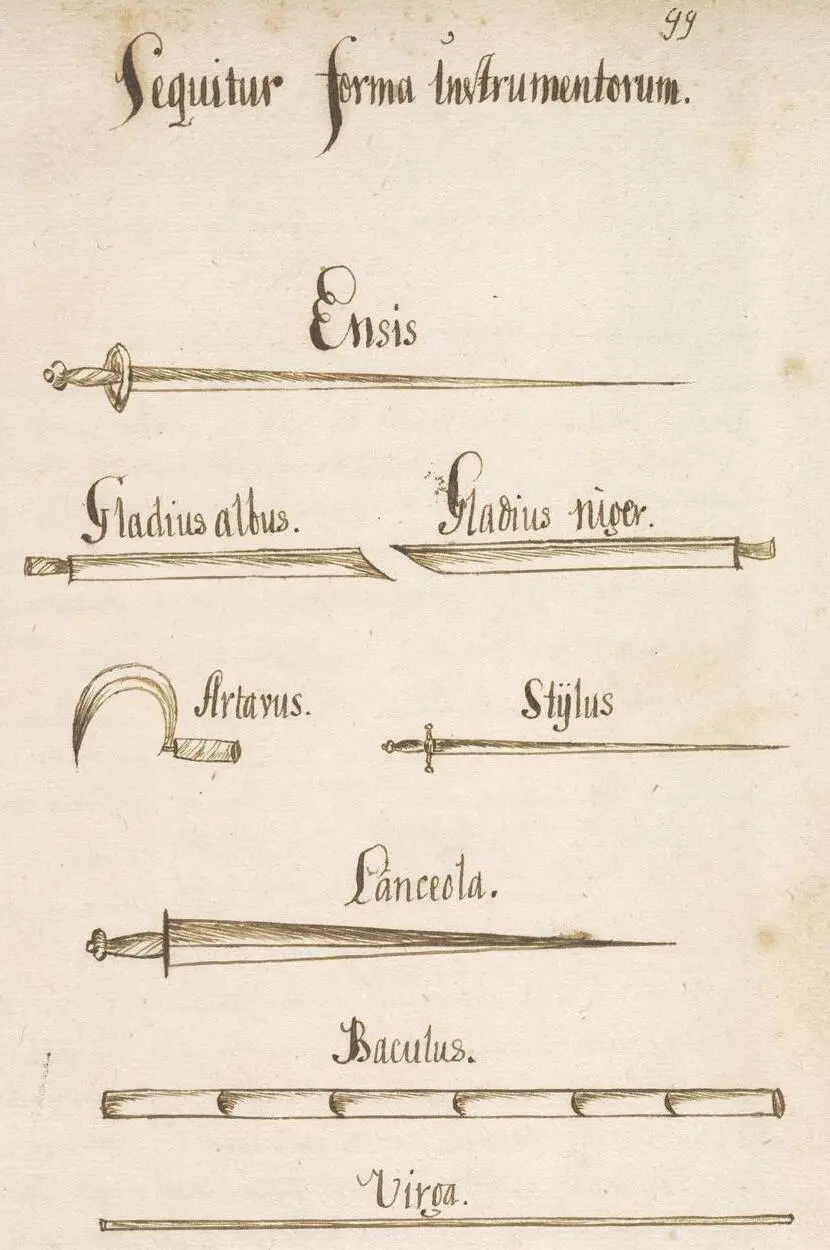
The Key of Solomon is a transmitted family of magical texts concerning preparation, ritual, and ceremonial instruments. It should be distinguished from the five-part Lesser Key of Solomon.
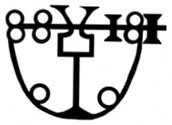
A Goetic marquis described as a green-clad archer associated with conflict and arrow wounds.
The grimoire compilation known as the Lemegeton, including the Goetia and several angelic arts.
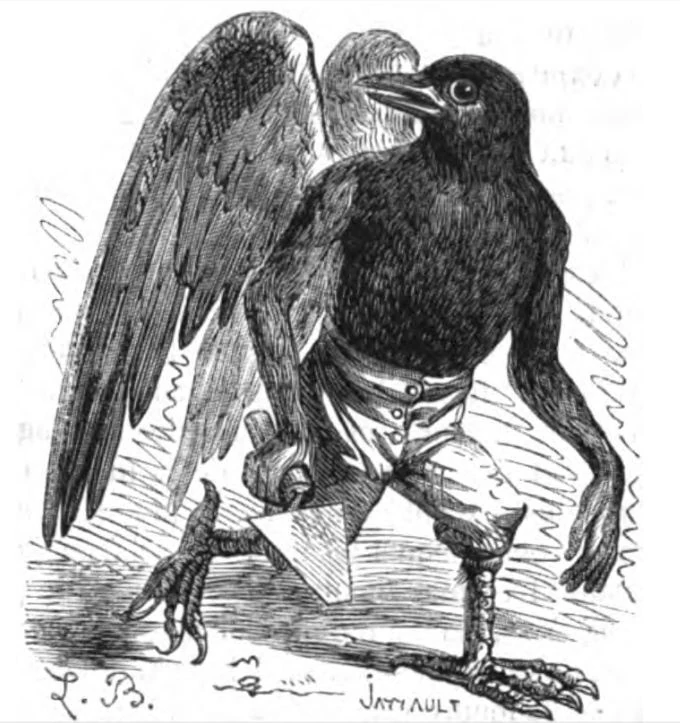
A Goetic president in a dark bird form, associated with building and a warning about offerings.
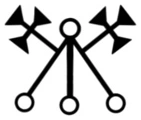
A Goetic president depicted as a lion, associated with hidden knowledge, mechanical arts, and transformation.
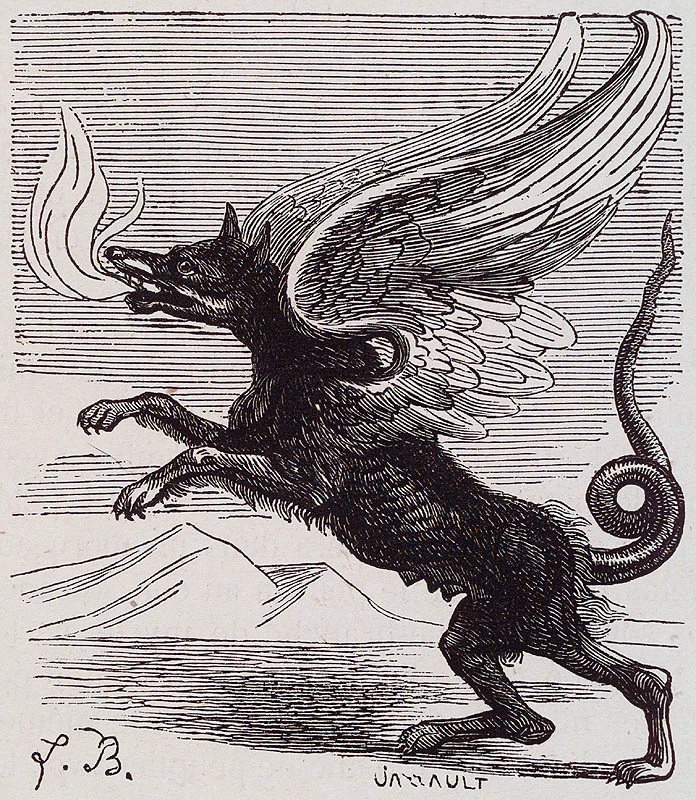
A Goetic marquis with a winged wolf form, described as a fighter who hopes to return to a heavenly throne.
A Goetic spirit called Morax or Marax, associated with astronomy and the properties of plants and stones.
A Goetic spirit associated with philosophy and the compelled appearance of deceased souls.
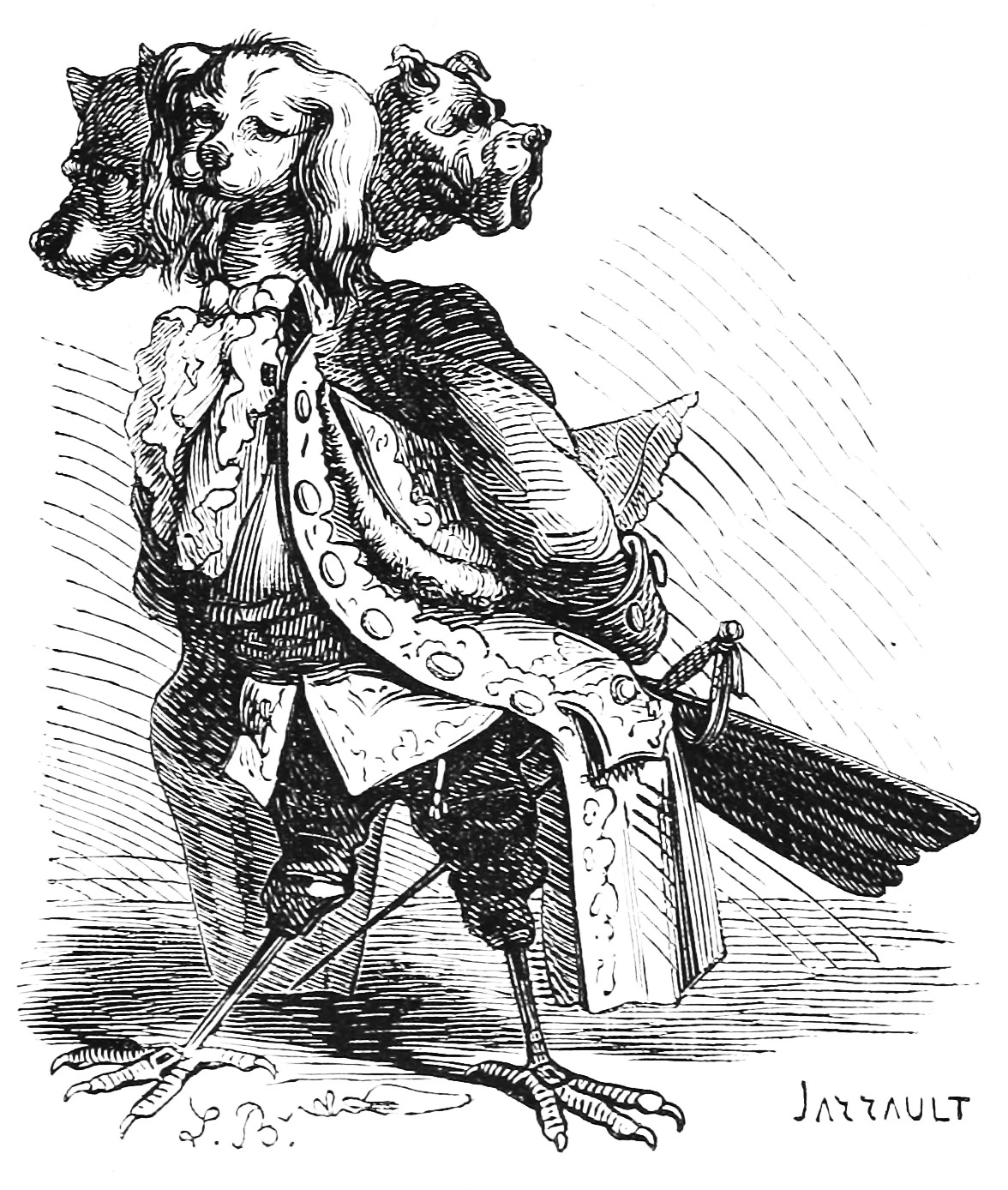
A Goetic marquis associated with rhetoric and the restoration of lost honors.
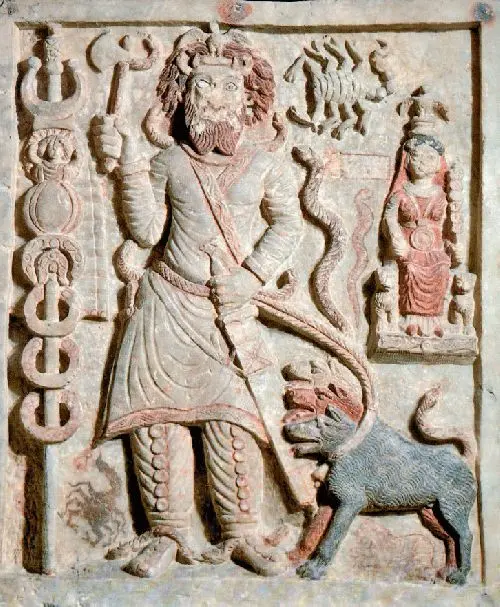
A Mesopotamian deity associated with death, war, disease, and the underworld.
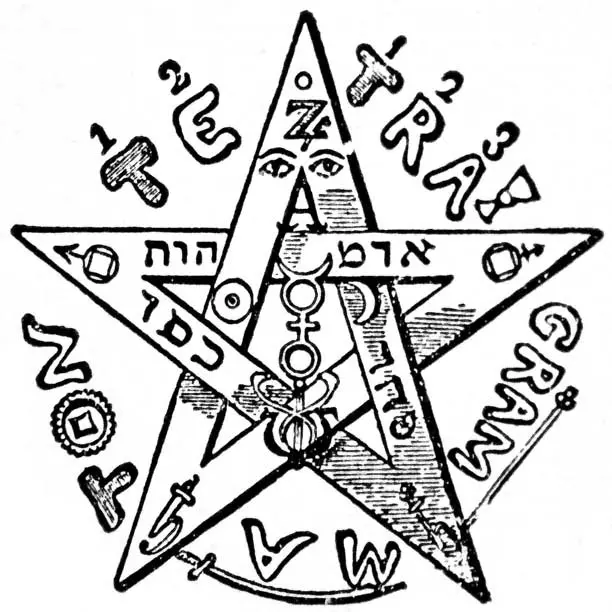
Occultism and Western esotericism provide an important historical and intellectual background for many forms of modern Satanism, but neither term is a synonym for Satanism. Western esotericism is an academic field encompassing currents such as Renaissance Hermetism, alchemy, astrology, Christian theosophy, Kabbalistic reception, Rosicrucianism, ceremonial magic, spiritualism, occultism, and later…
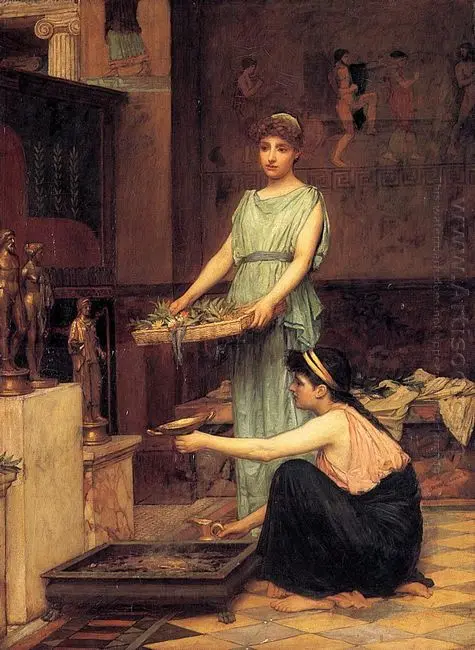
Offerings are objects, substances, actions, or works intentionally presented to a deity, spirit, sacred power, or religious community. Across religious history offerings have included food, drink, incense, flowers, animal sacrifice, money, vows, music, labor, art, and acts of service. In theistic Satanism, offerings are commonly used to express devotion, gratitude, hospitality, dedication, or…

A mounted Goetic marquis whose office includes the stars, planetary mansions, and social dignities.
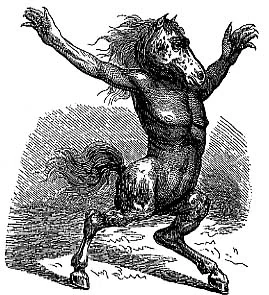
A Goetic prince portrayed as a horse and then a human, noted for the fidelity attributed to him.

A Goetic president associated with learned subjects and transformations that alter a person's understanding of identity.
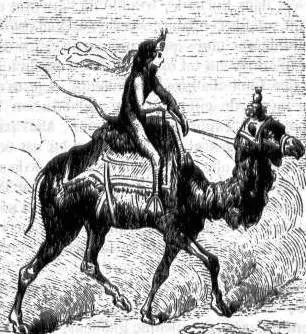
Paimon is a royal spirit described in the Ars Goetia and related literature. Musical procession and the teaching of knowledge are important elements of his received image.
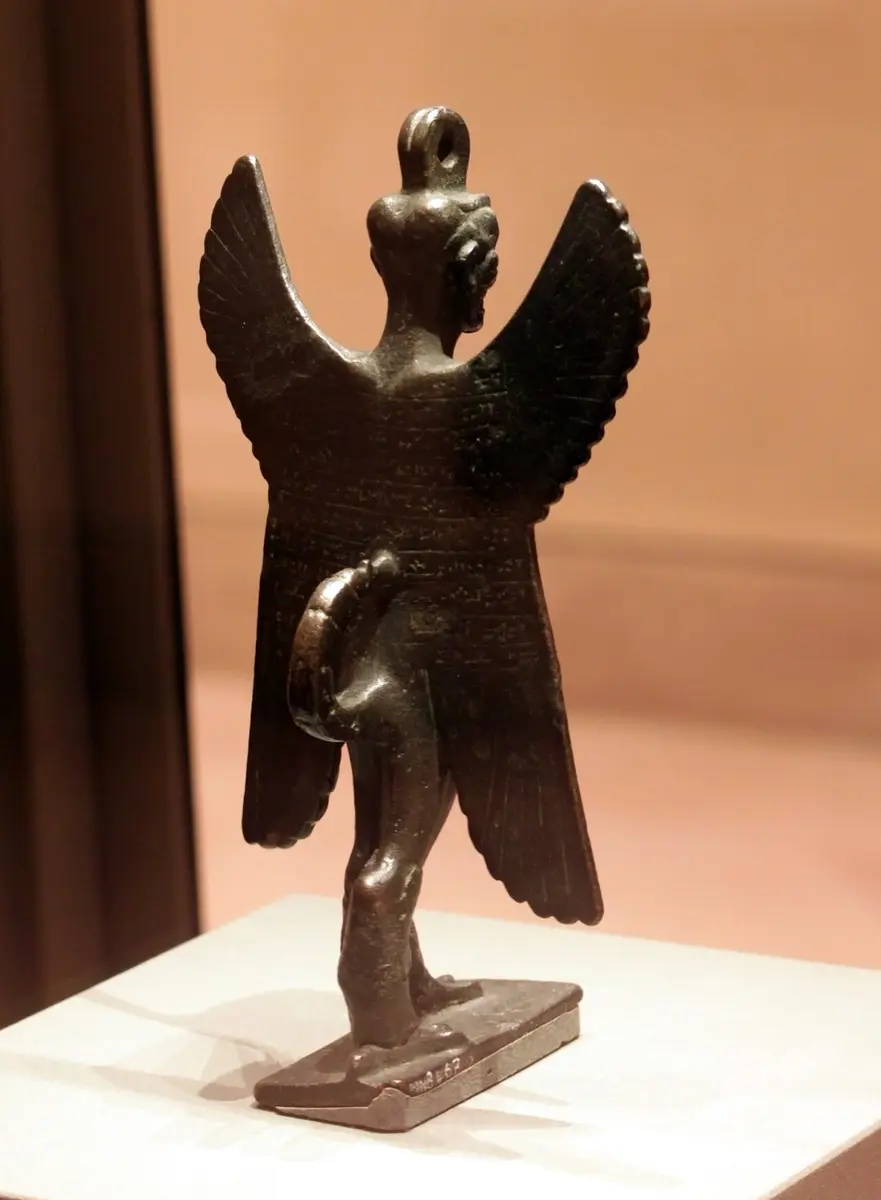
A Mesopotamian wind demon whose image was also used protectively, especially against Lamashtu.
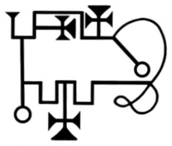
A Goetic marquis in phoenix form, associated with poetry, learning, and a hope of heavenly restoration.

Picatrix is the Latin title associated with an influential Arabic work of astral magic. Its cosmological and ritual framework differs from a catalogue of Goetic spirits.
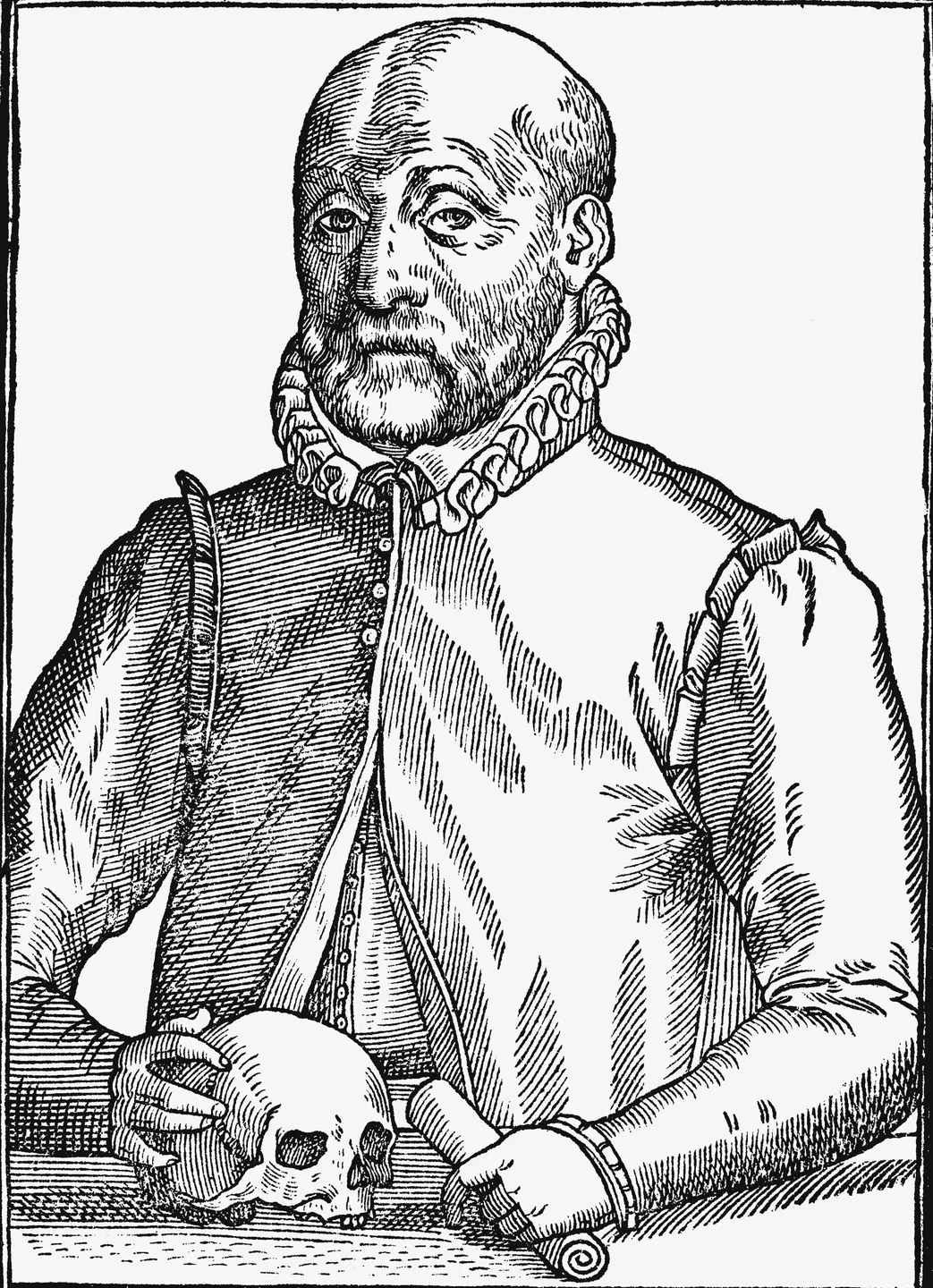
Pseudomonarchia Daemonum is a spirit catalogue associated with Johann Weyer. Its transmission helps explain similarities and differences in the later Ars Goetia.
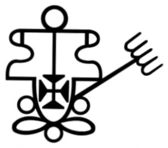
A Goetic king riding a bear, with offices concerning hidden knowledge, treasure, and cosmology.