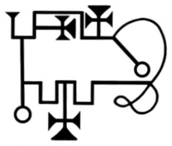
Phenex
A Goetic marquis in phoenix form, associated with poetry, learning, and a hope of heavenly restoration.
Browse 226 published entries across 9 subjects, or narrow the index by topic, title, or update date.
From the indexPhenexA Goetic marquis in phoenix form, associated with poetry, learning, and a hope of heavenly restoration.

Picatrix is the Latin title associated with an influential Arabic work of astral magic. Its cosmological and ritual framework differs from a catalogue of Goetic spirits.
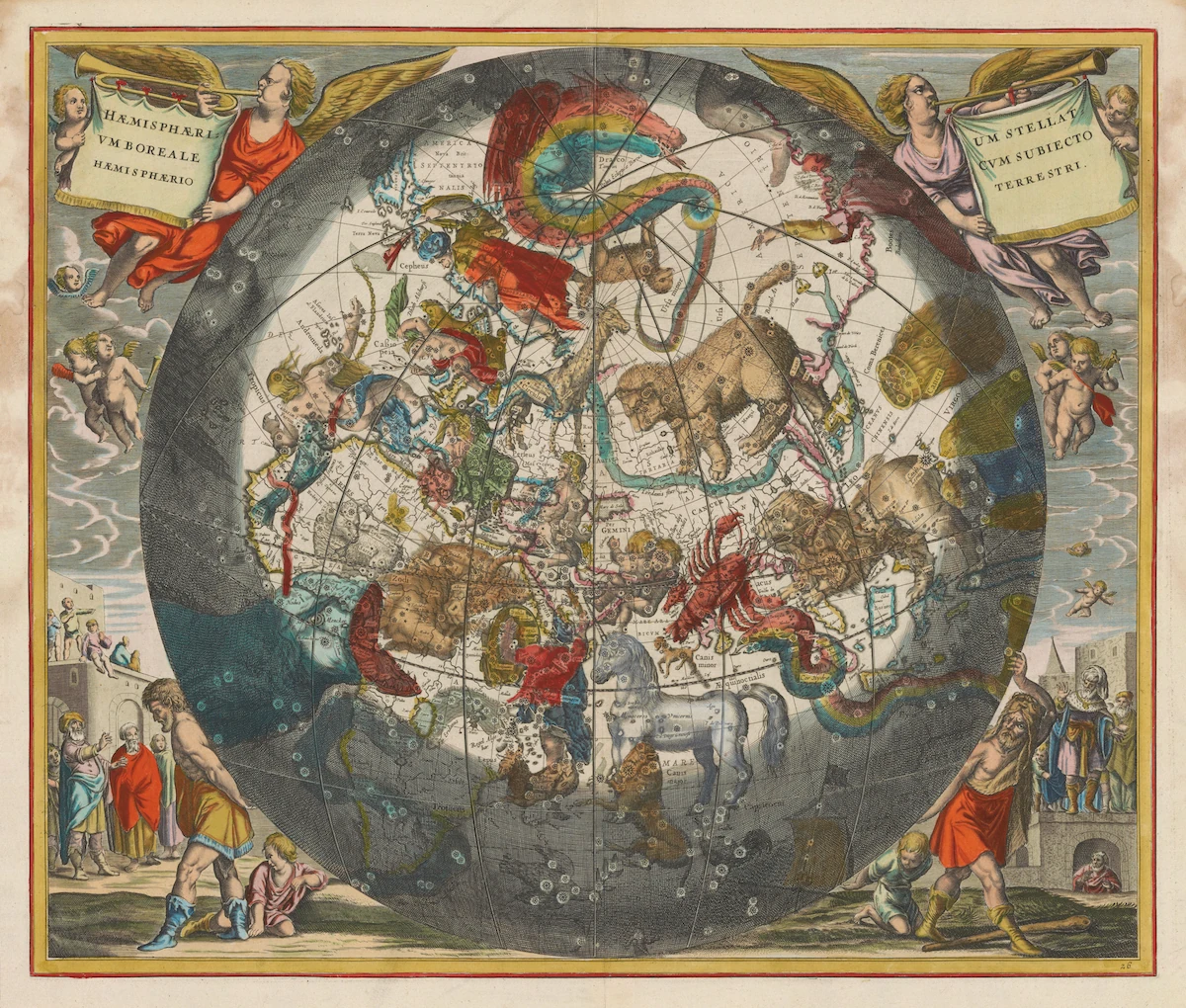
Magical systems using the seven traditional planets through timing, correspondences, images, and invocations.
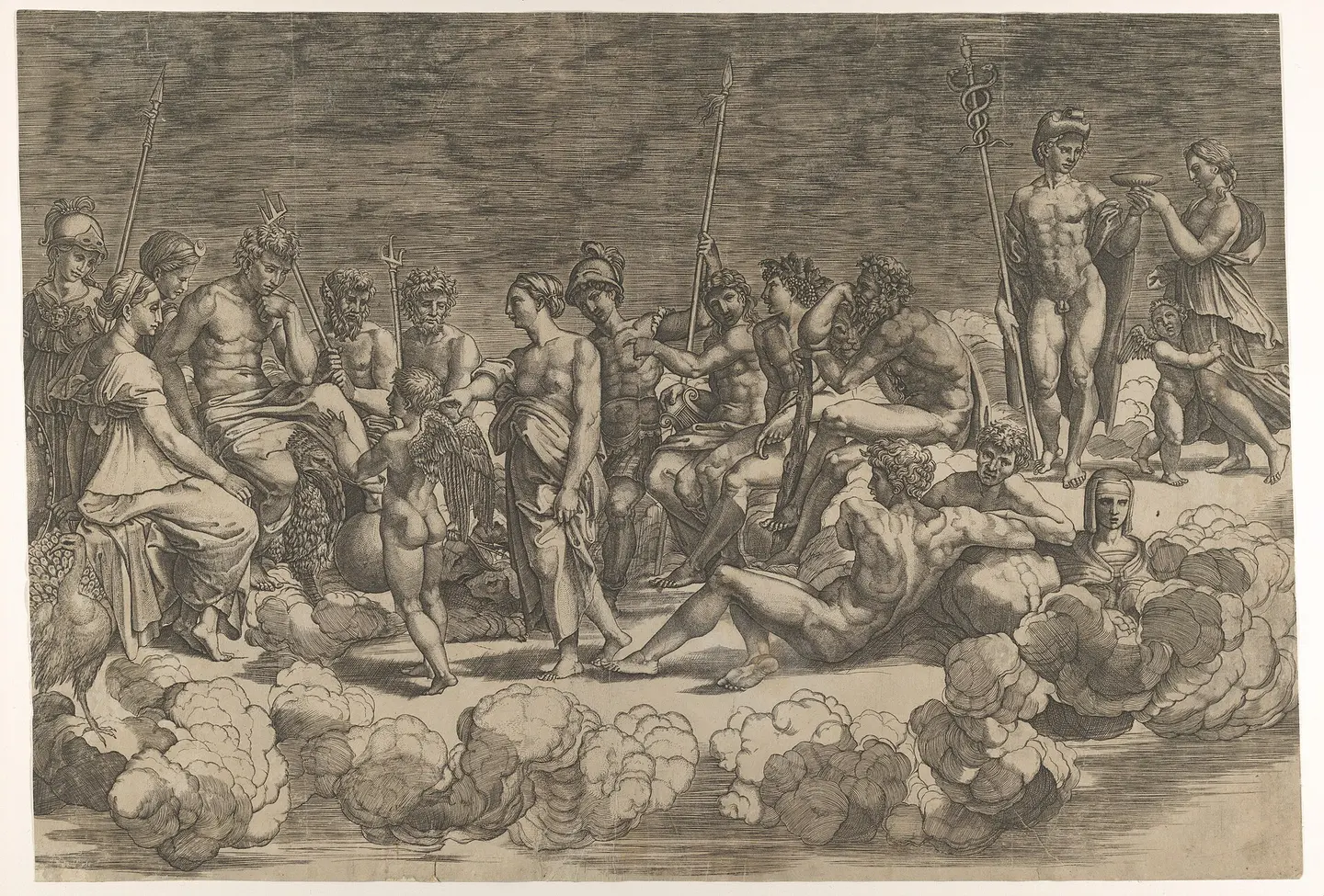
Polytheism involves belief in multiple deities. The existence of several gods does not by itself settle their relationships, moral authority, or the forms of devotion directed toward them.

Prayer is intentional communication addressed to a deity, spirit, sacred power, or ultimate reality. It can include praise, petition, confession, thanksgiving, lament, dedication, silence, repetition, or simple direct speech. In theistic Satanism, prayer usually means addressing Satan or another spiritually real being rather than speaking only to oneself or performing a purely symbolic exercise.

Pseudomonarchia Daemonum is a spirit catalogue associated with Johann Weyer. Its transmission helps explain similarities and differences in the later Ars Goetia.

A Goetic king riding a bear, with offices concerning hidden knowledge, treasure, and cosmology.

A Goetic earl associated with royal treasure, the destruction of cities, and altered relationships.

Raziel is an angel associated with the revelation of divine secrets, especially the legendary book given to Adam. His name appears in Jewish interpretive and magical literature and later Western esotericism, where Agrippa connects him with Chokmah, or Wisdom.

Primary sources provide direct evidence for a text, community, or historical setting. Reading them well requires context, precise citations, and comparison with other evidence.
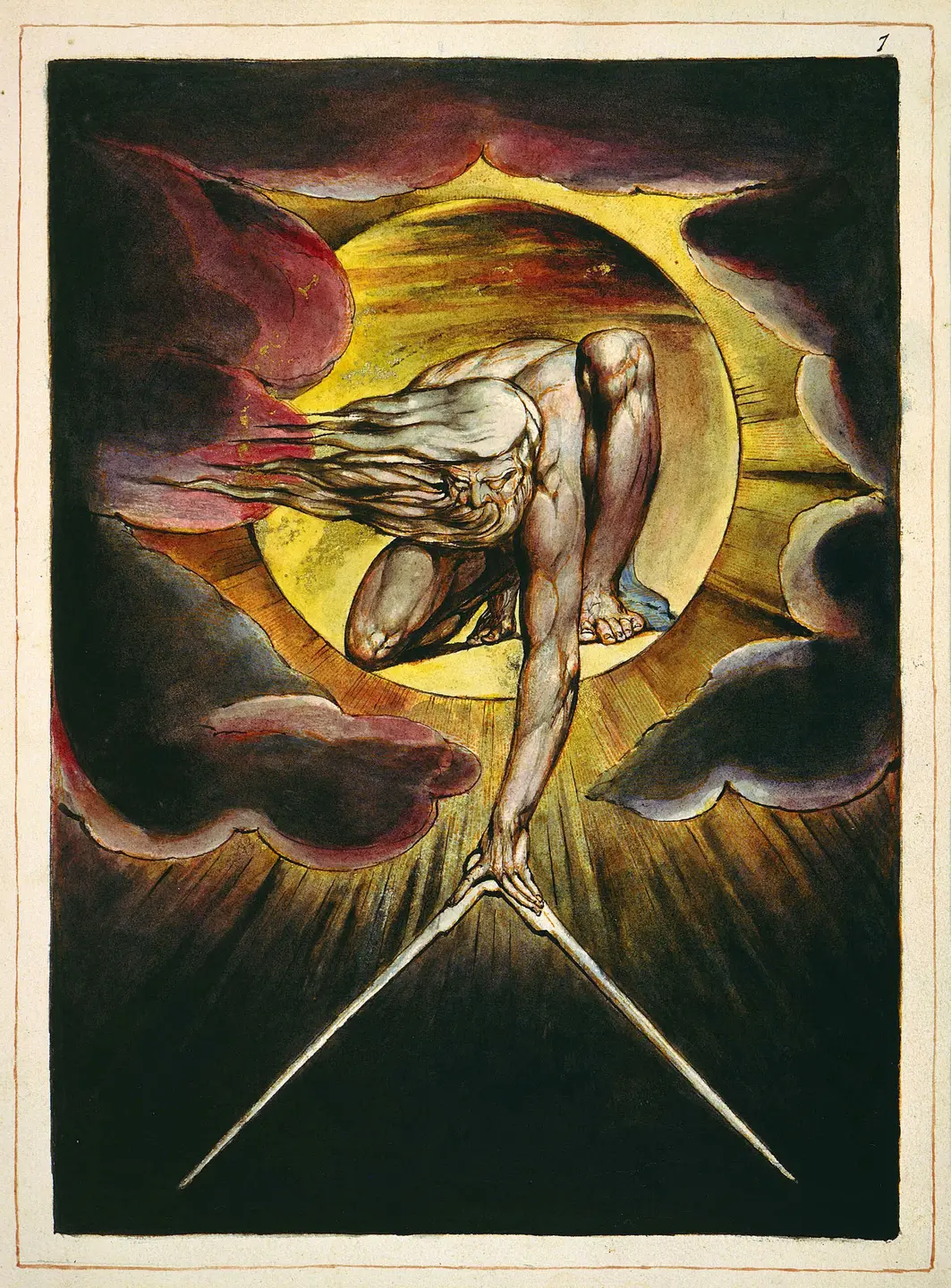
Religious discernment concerns how experiences are interpreted and assessed. An immediate event, a theological explanation, and a claim about another person require different kinds of evidence.

Freedom of religion and belief in international human rights texts, including minority religions, nonbelief, and religious expression.