Religious Satanism
Religions that give Satan a central symbolic or divine role, with substantial differences in belief and practice.
Browse 226 published entries across 9 subjects, or narrow the index by topic, title, or update date.
From the indexReligious SatanismReligions that give Satan a central symbolic or divine role, with substantial differences in belief and practice.
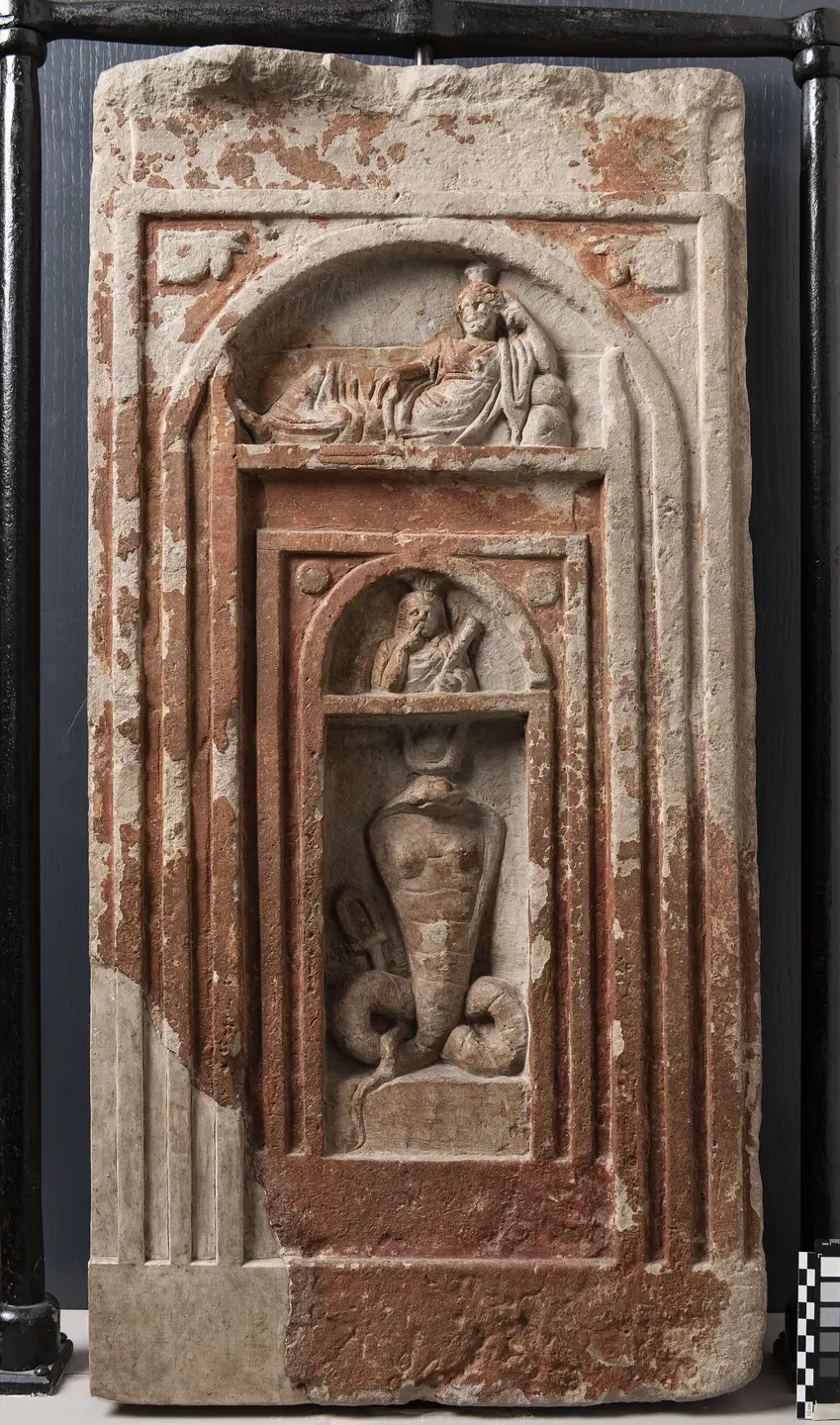
Religious syncretism concerns the combination of ideas, figures, and practices from different traditions. Similarity of names or imagery alone does not establish identity or historical continuity.
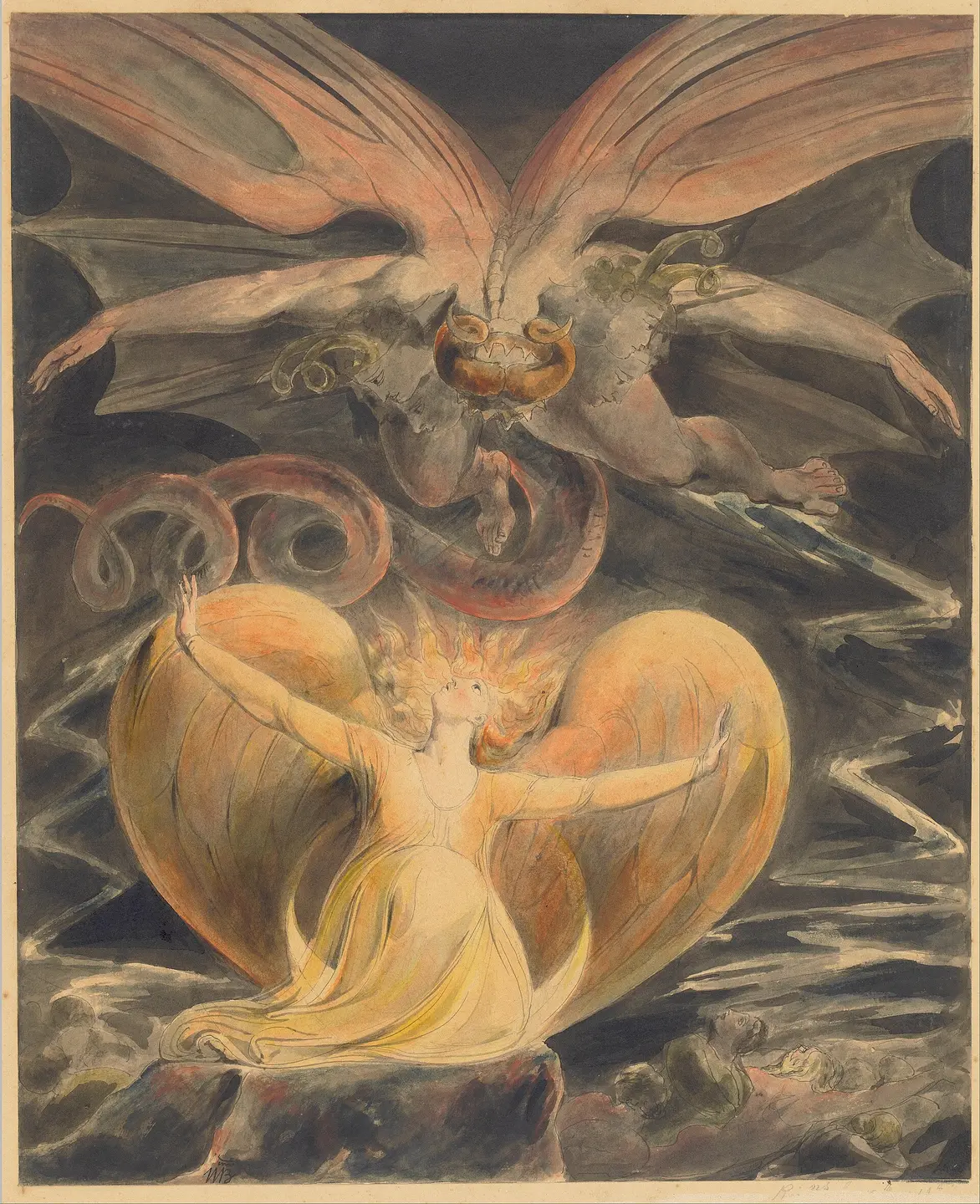
Revelation 12 identifies its dragon with the Devil and Satan. The chapter’s imagery should be read in its apocalyptic narrative before being used to interpret other passages.
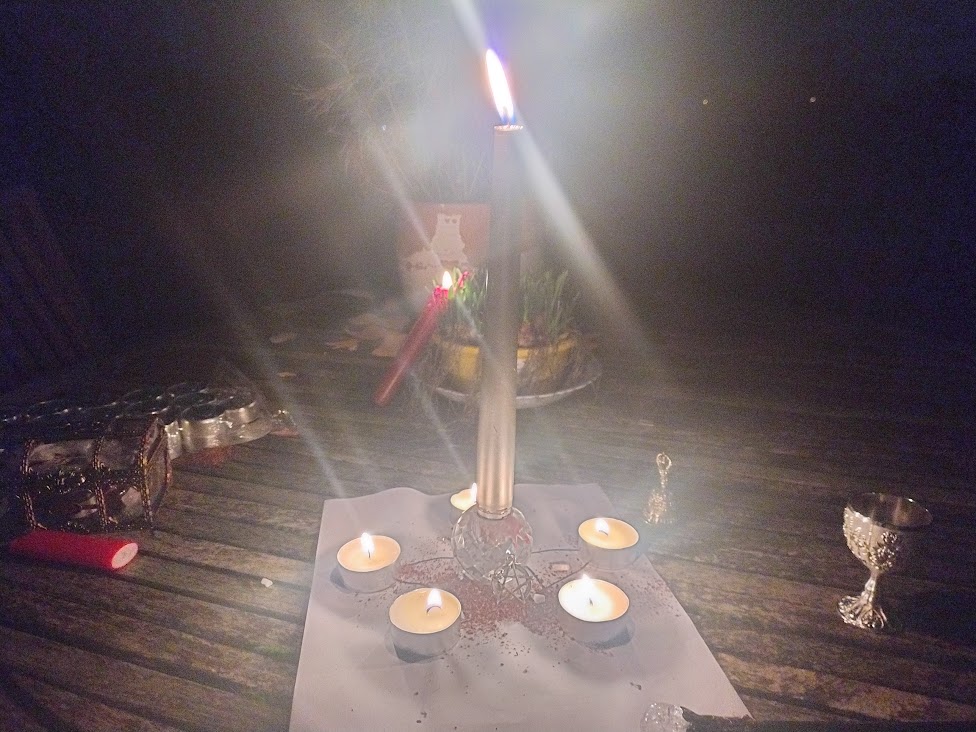
Ritual is patterned action given special religious, symbolic, social, or transformative significance. Ritual can mark time, establish sacred space, communicate with a deity, express commitment, create community, memorialize the dead, enact a transition, or focus attention on a chosen purpose. In theistic Satanism, ritual commonly includes devotional action directed toward Satan or other spirits…
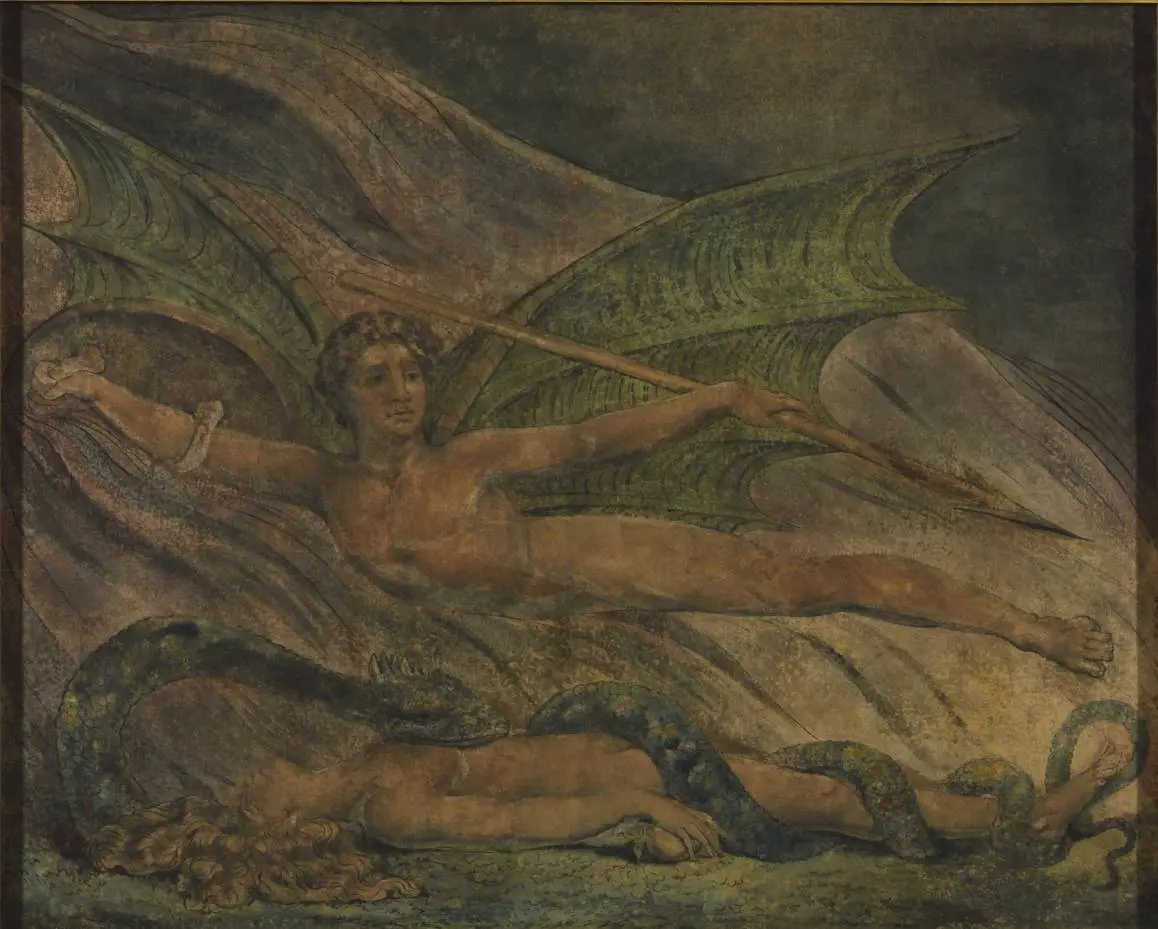
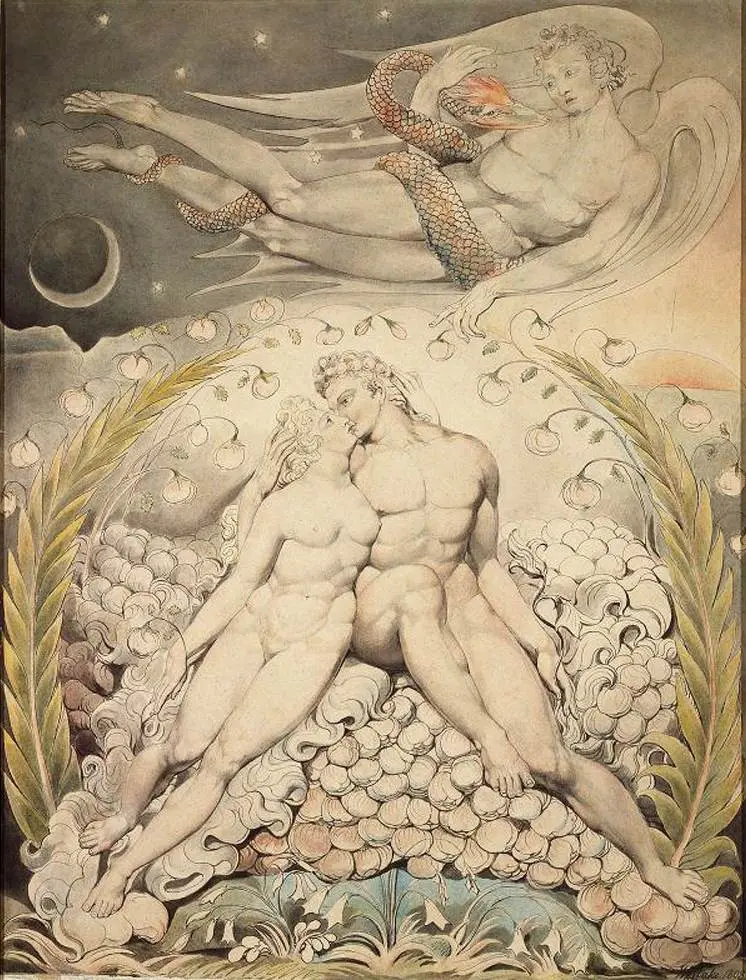
Romantic Satanism concerns literary and political readings that give Satan a positive role in opposition to tyranny or conventional authority. It should be distinguished from membership in a religious organization.
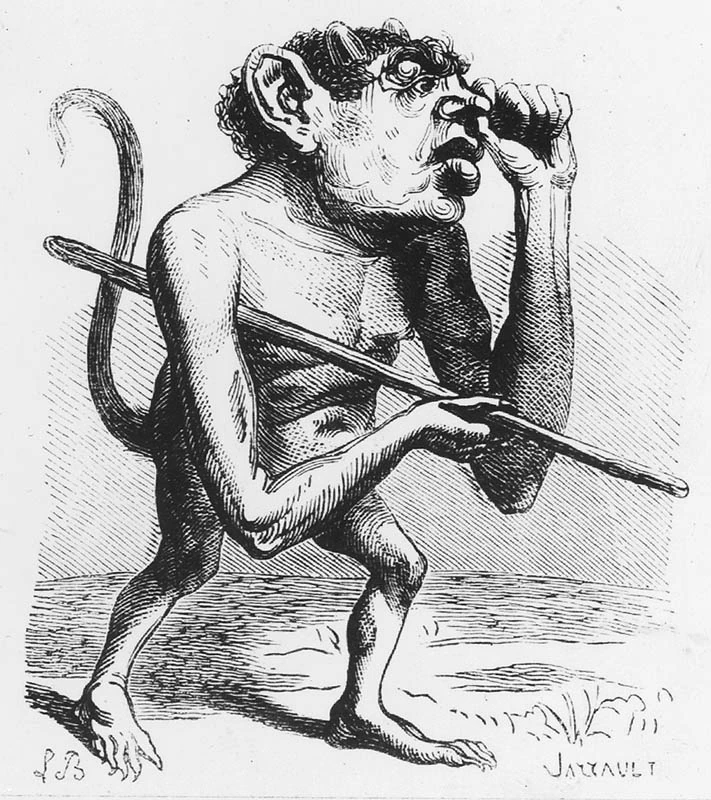
A Goetic spirit associated with rhetoric, languages, servants, and social favor.

Traditions associated with the rose and cross, the early modern Rosicrucian manifestos, and later initiatory societies.
A Goetic marquis depicted as a lion-headed soldier, associated with fortifications and wounds.
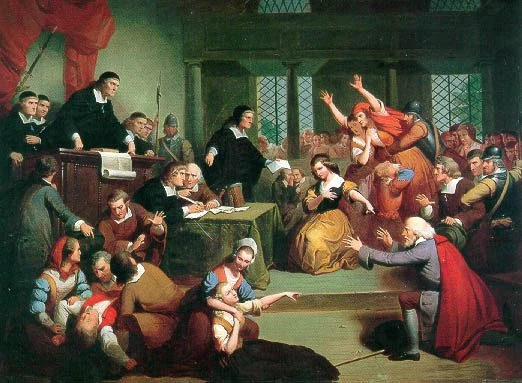
The Massachusetts prosecutions of 1692-1693, the spread of accusations, spectral evidence, and the surviving court archive.
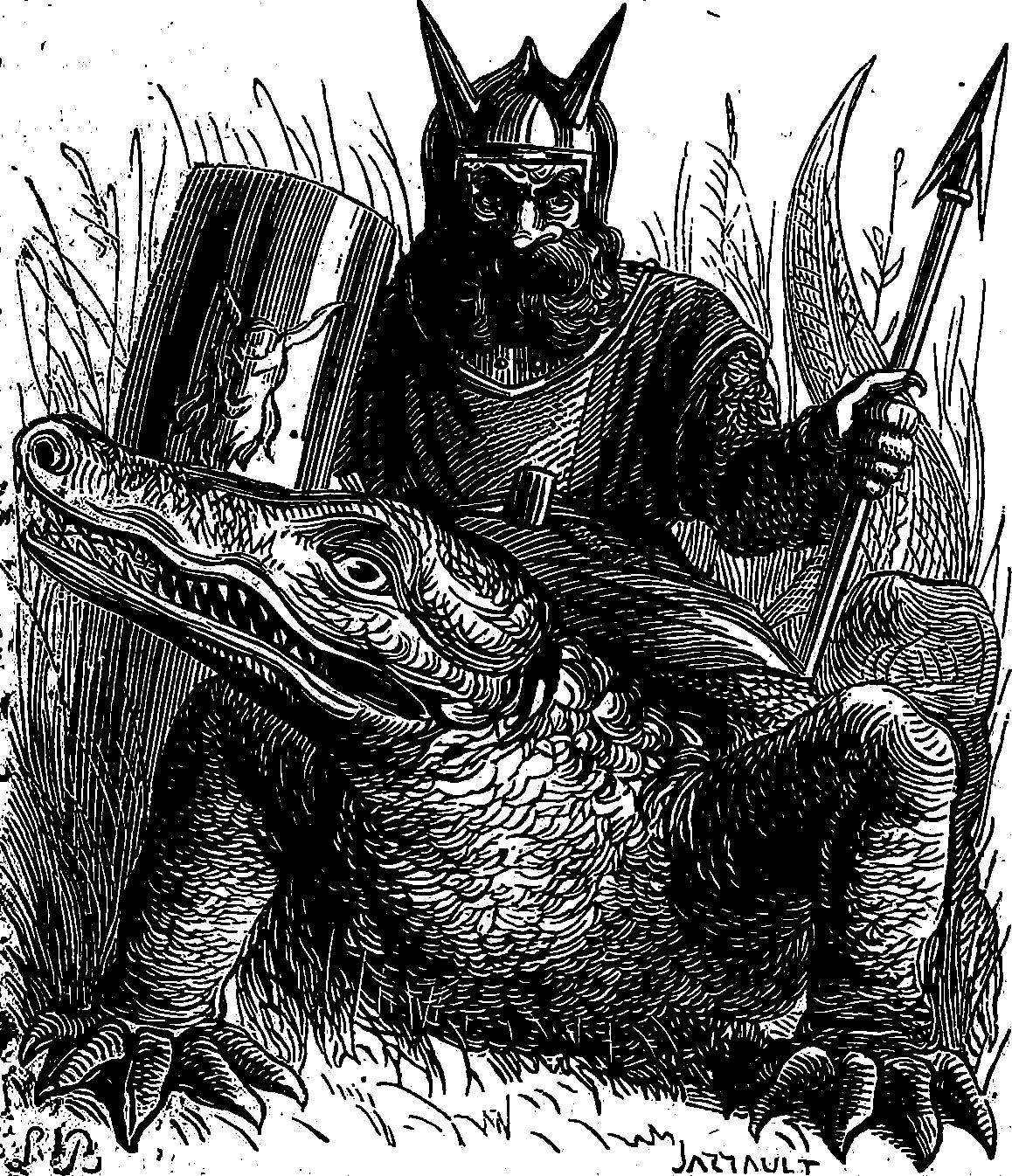
A Goetic duke, also called Saleos, described as a peaceful soldier riding a crocodile.
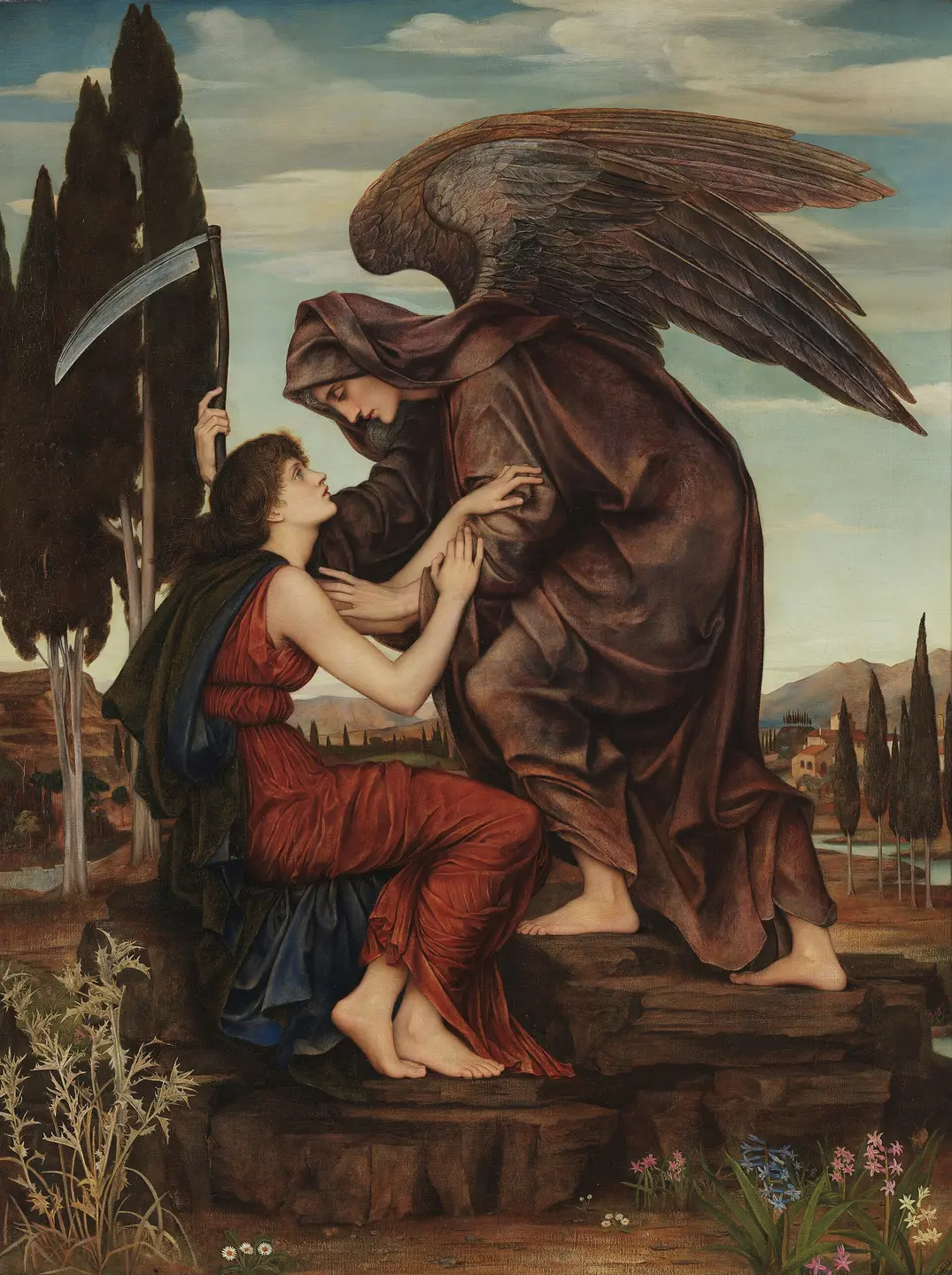
Samael appears in Jewish interpretive literature in roles that vary between texts. His relationship with Satan, the serpent, and other figures should be described source by source.
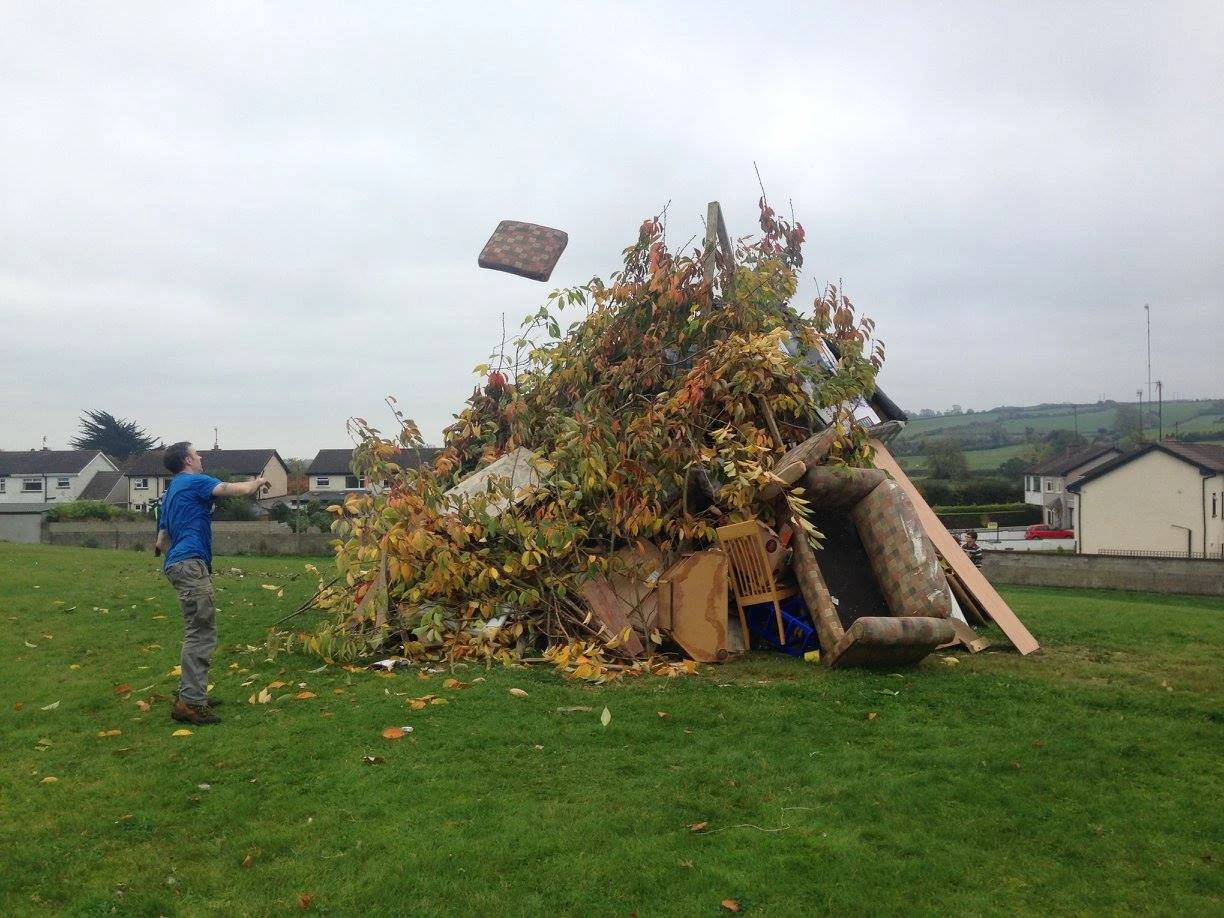
The Gaelic beginning-of-winter festival, Irish customs of food and divination, and its place in modern Pagan practice.