Samigina
A Goetic marquis, also called Gamigin, associated with liberal studies and accounts of deceased souls.
Browse 226 published entries across 9 subjects, or narrow the index by topic, title, or update date.
From the indexSamiginaA Goetic marquis, also called Gamigin, associated with liberal studies and accounts of deceased souls.
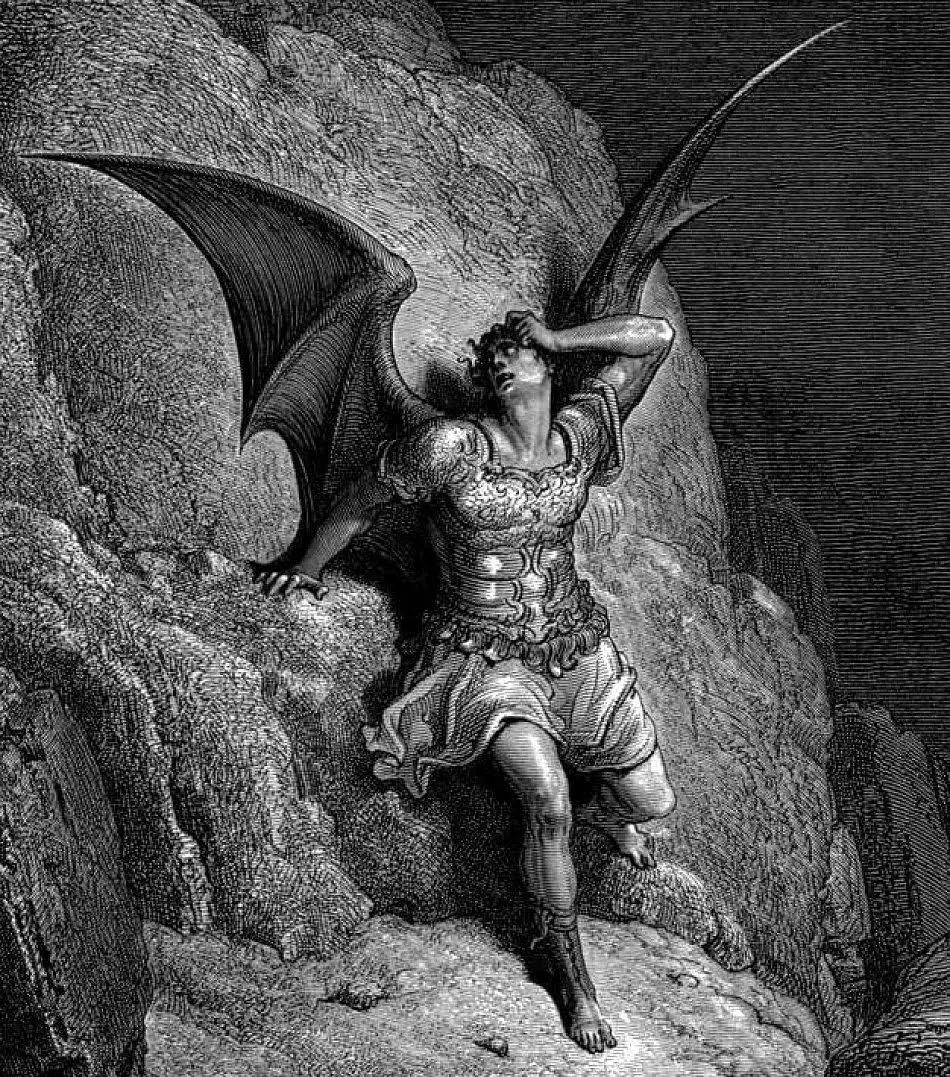
Satan is a figure whose meaning has changed substantially across Jewish, Christian, Islamic, literary, esoteric, and modern Satanic contexts. In contemporary theistic Satanism, Satan may be understood as a real deity, spirit, adversary, initiator, or metaphysical intelligence. Those modern interpretations draw on, but are not identical with, the much older history of the word and character.
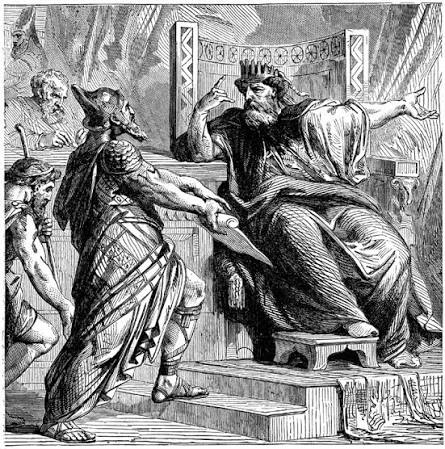
In 1 Chronicles 21, Satan or an adversary incites David to count Israel. Comparison with 2 Samuel 24 raises questions about divine agency, translation, and the development of the adversary figure.
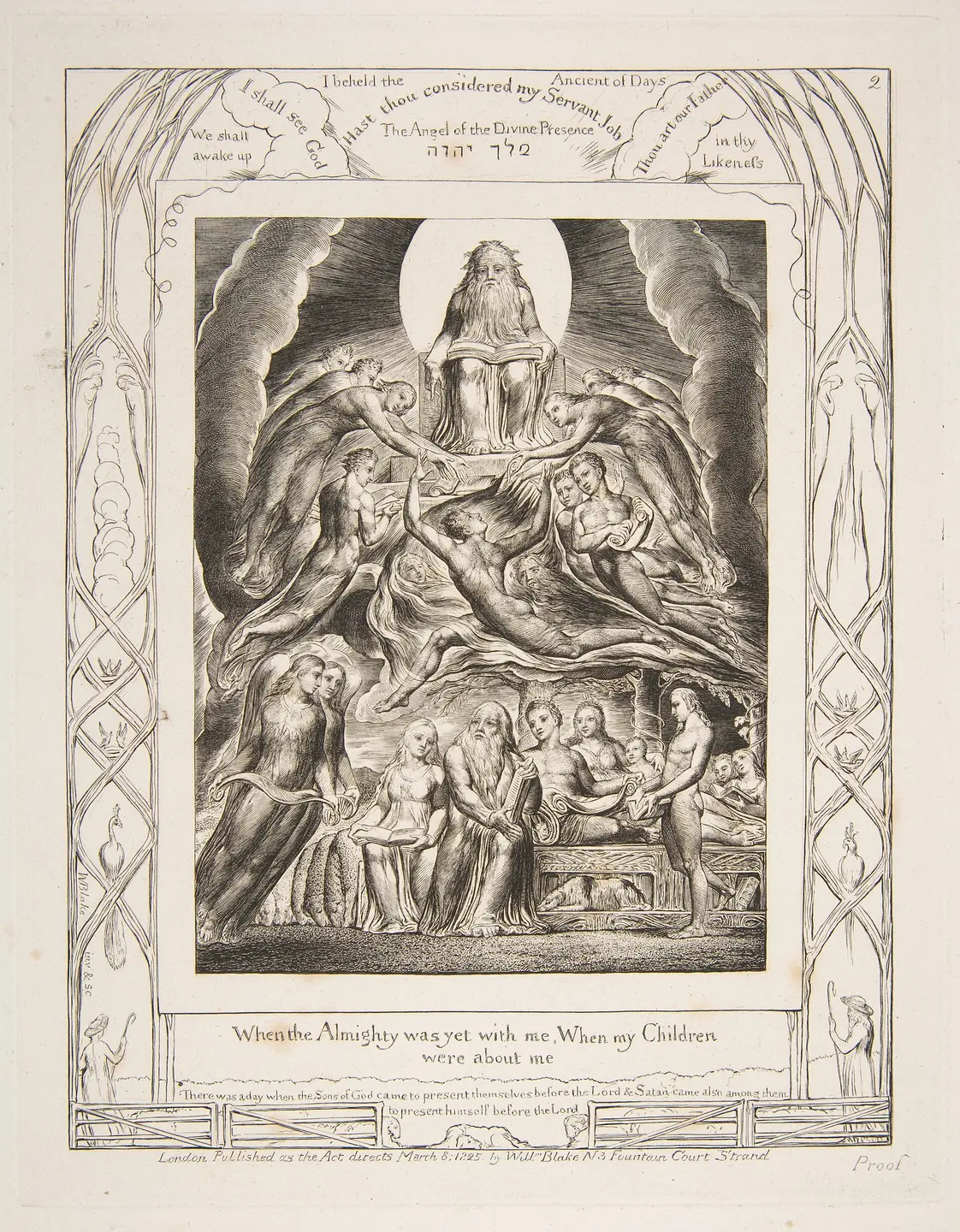
Job 1–2 presents Satan in a heavenly assembly and in a dispute about Job’s righteousness. The passage should be read before later accounts of Satan’s origins are supplied.
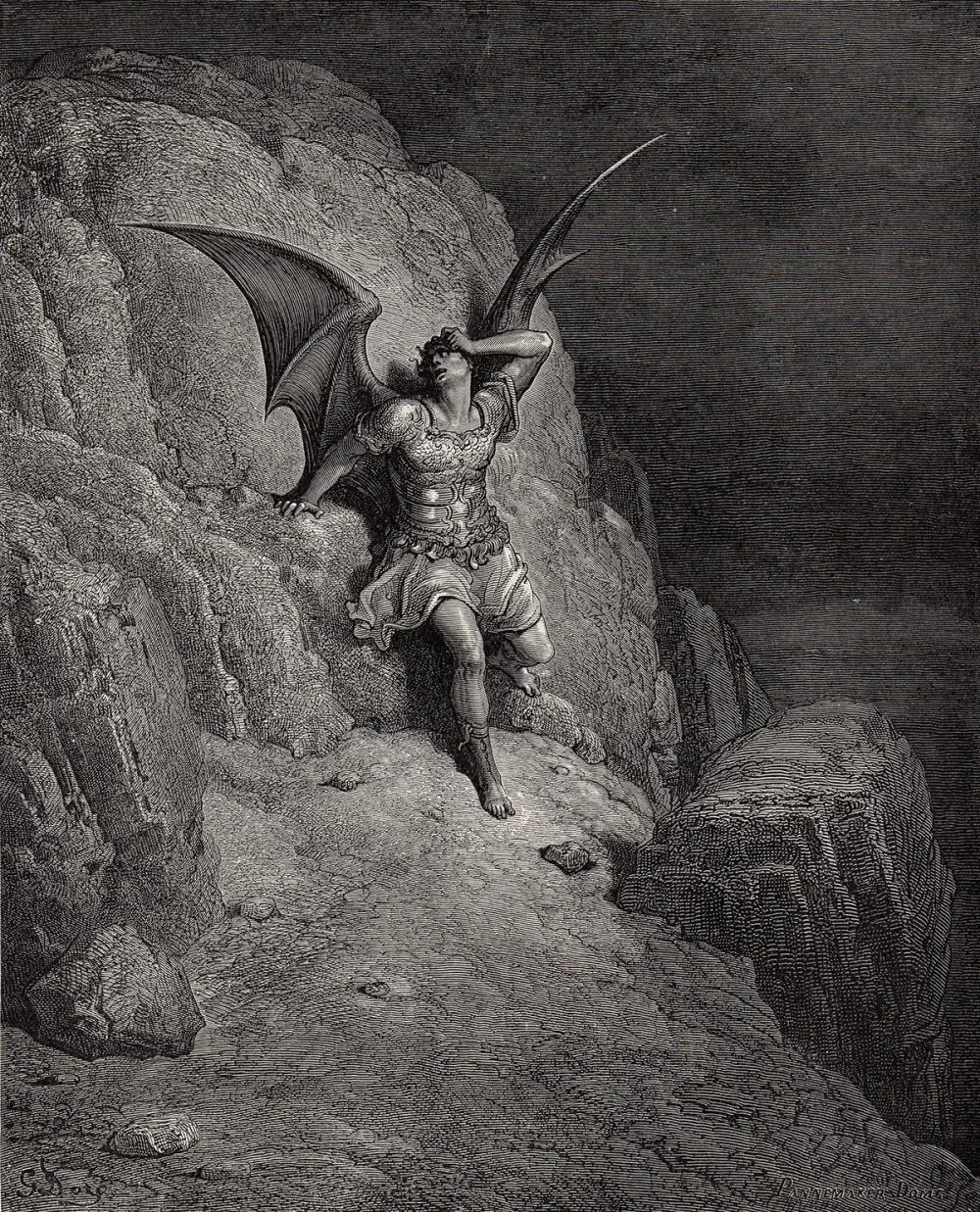
Milton’s Paradise Lost gives Satan an influential literary characterization. His persuasive speeches must be read alongside the narrator’s account and the consequences of his actions.
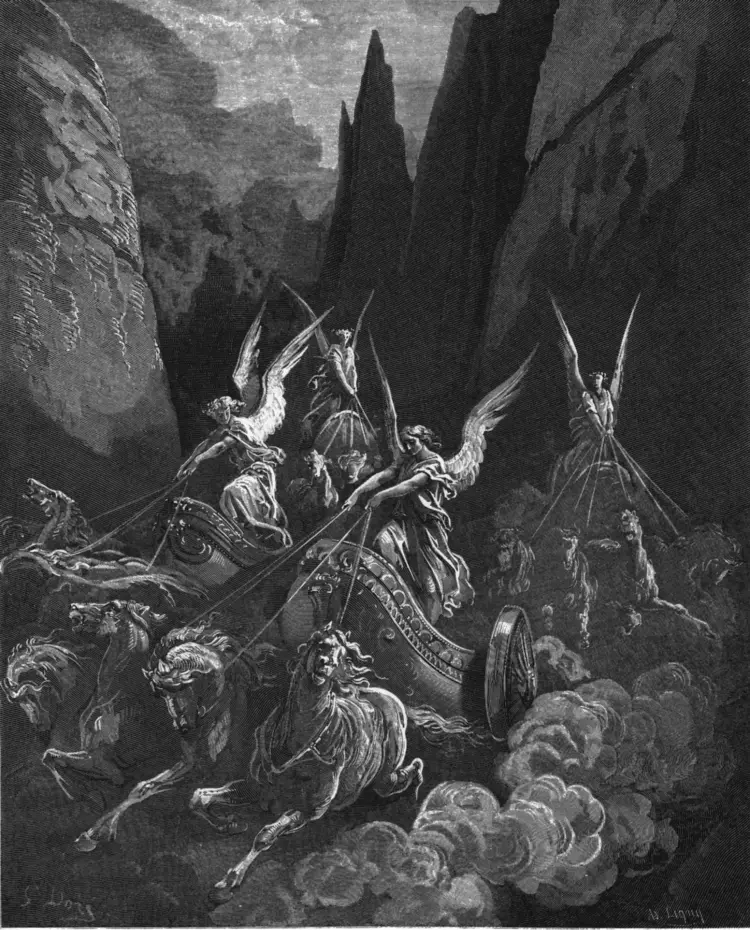
Zechariah 3 presents Satan accusing Joshua the high priest within a vision of judgment and restoration. The scene has a specific religious and literary purpose.
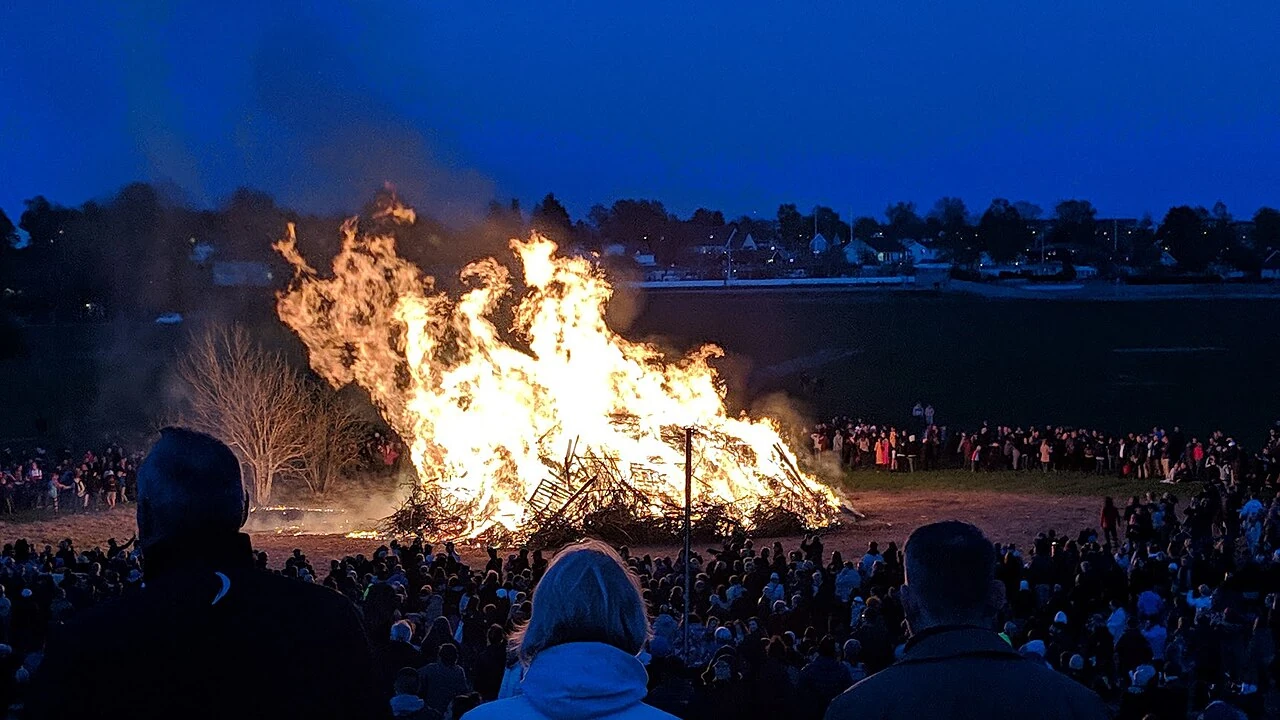
The different holiday calendars published by the Church of Satan and The Satanic Temple, with dates and organizational meanings.

The Satanic Panic refers to a wave of allegations concerning organized Satanic abuse, especially in the late twentieth century. Actual evidence of harm must be distinguished from expansive conspiracy claims.
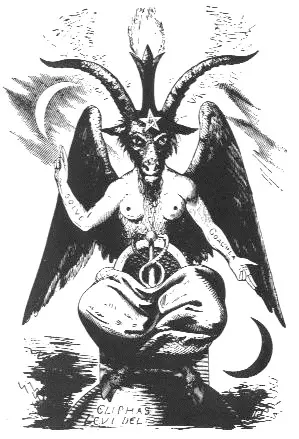
The images, names, and gestures used by Satanic traditions, whose meanings depend on their religious and historical setting.

How Black Sabbath and Venom used dark or Satanic imagery, and why a song, stage character, and religious affiliation are different evidence.

A divinatory or visionary practice involving a reflective surface, crystal, or other focus for reported images and messages.
The Slavonic Enochic work also known as the Book of the Secrets of Enoch, describing ascent, creation, and instruction.