Demonology & Spirits
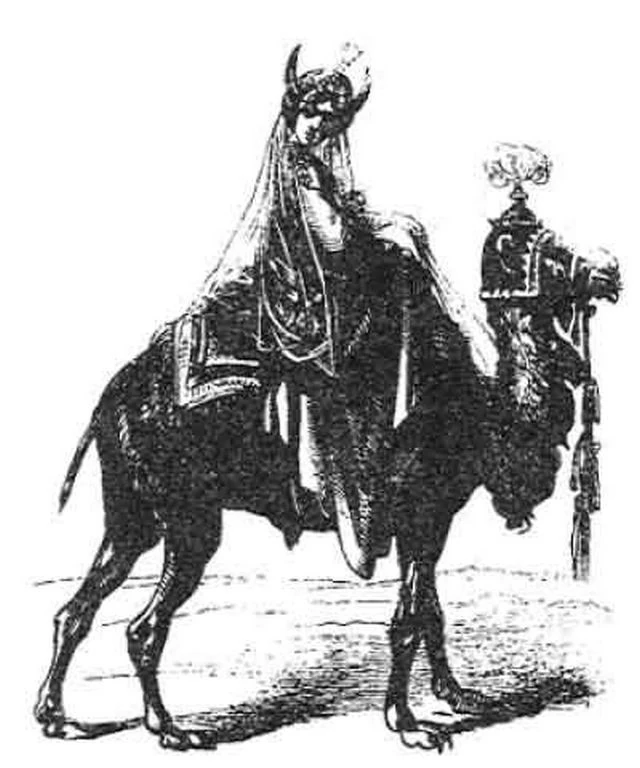
Gremory
A Goetic duke depicted as a woman on a camel, associated with hidden knowledge, treasure, and attraction.
A Goetic duke depicted as a woman on a camel, associated with hidden knowledge, treasure, and attraction.
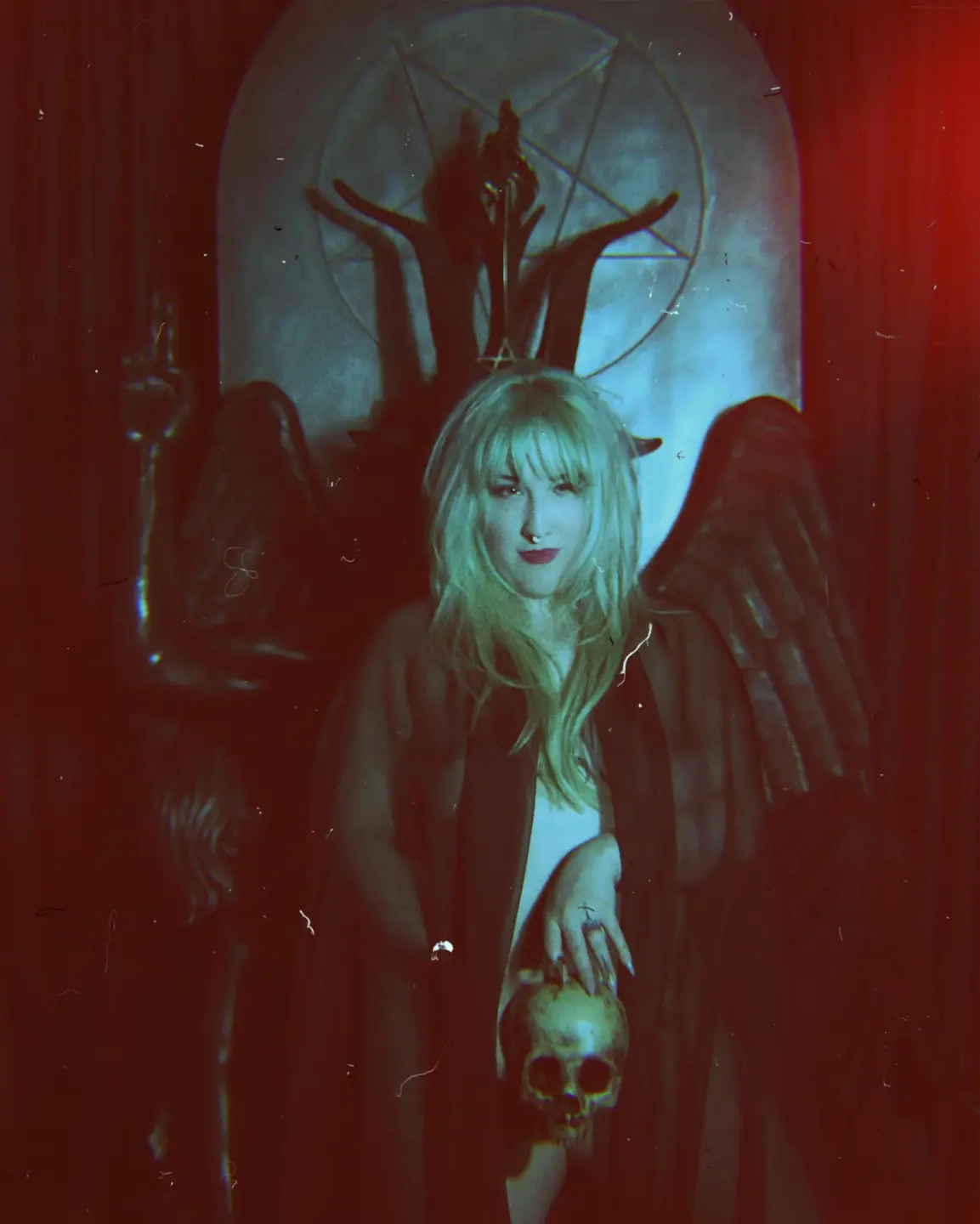
Baphomet is an occult figure whose history connects the medieval trial of the Knights Templar, nineteenth-century ceremonial symbolism, twentieth-century Satanic iconography, and the modern public imagery of The Satanic Temple. The familiar goat-headed, winged, androgynous figure is not a medieval portrait of a secret Templar god. It was created in the nineteenth century by the French occultist Éliphas…
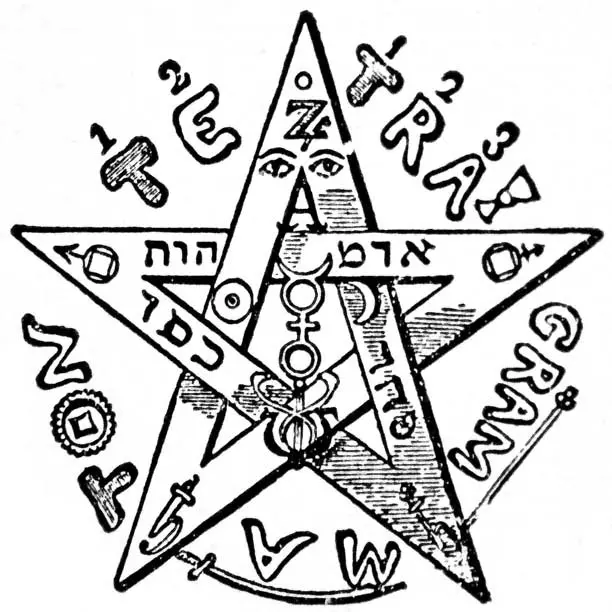
Occultism and Western esotericism provide an important historical and intellectual background for many forms of modern Satanism, but neither term is a synonym for Satanism. Western esotericism is an academic field encompassing currents such as Renaissance Hermetism, alchemy, astrology, Christian theosophy, Kabbalistic reception, Rosicrucianism, ceremonial magic, spiritualism, occultism, and later…
A Goetic duke depicted as a red-clad soldier whose entry concerns attraction and fertility.
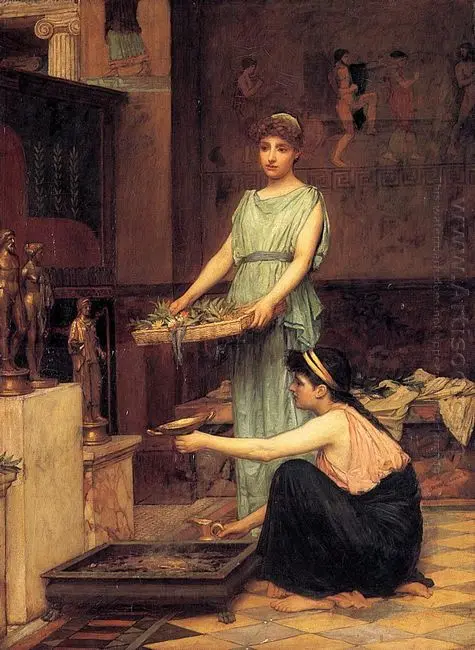
Offerings are objects, substances, actions, or works intentionally presented to a deity, spirit, sacred power, or religious community. Across religious history offerings have included food, drink, incense, flowers, animal sacrifice, money, vows, music, labor, art, and acts of service. In theistic Satanism, offerings are commonly used to express devotion, gratitude, hospitality, dedication, or…
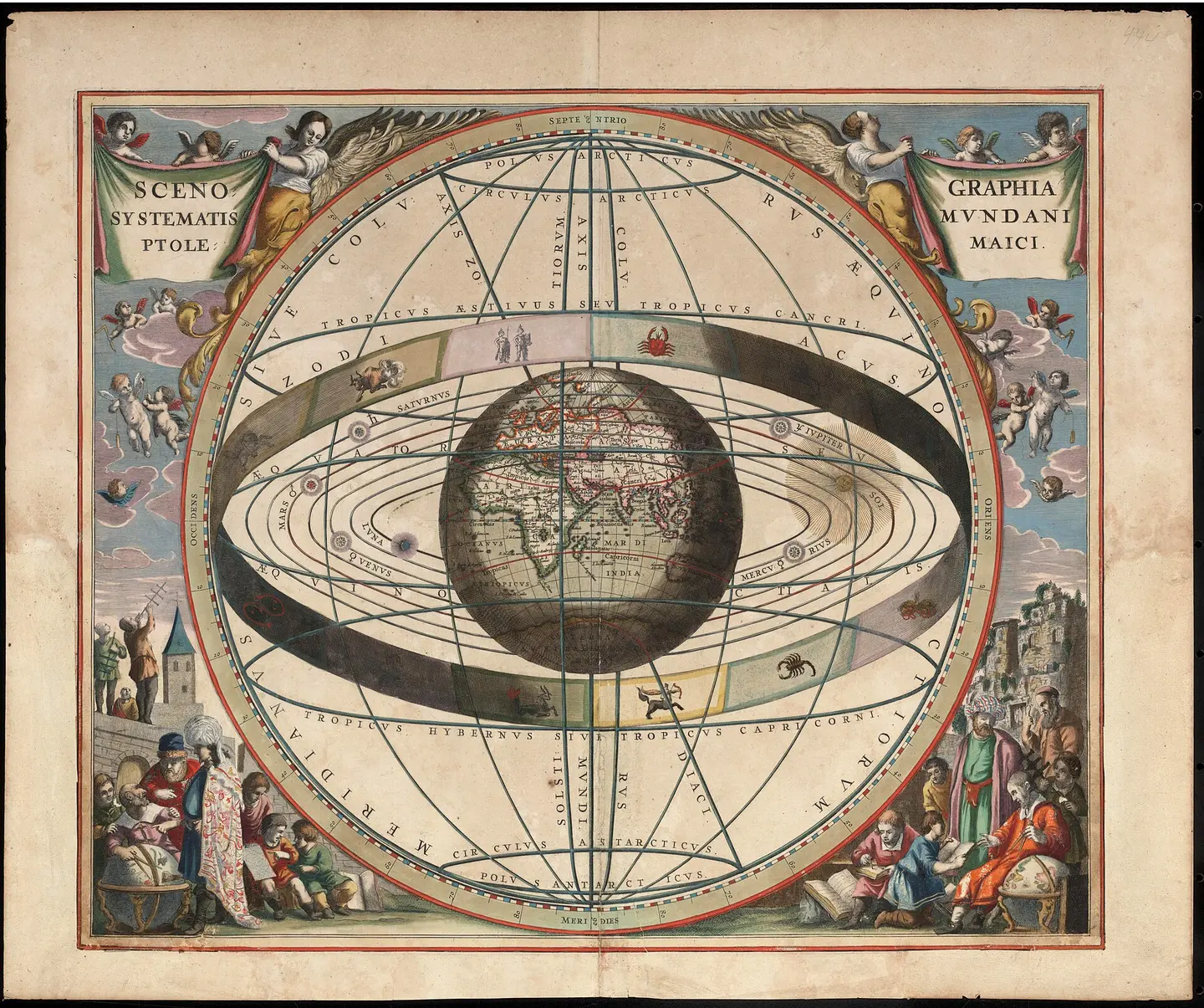
Astrology has supplied language and organizing systems to Western esoteric texts. Its historical role should be distinguished from demonstrated predictive effectiveness.
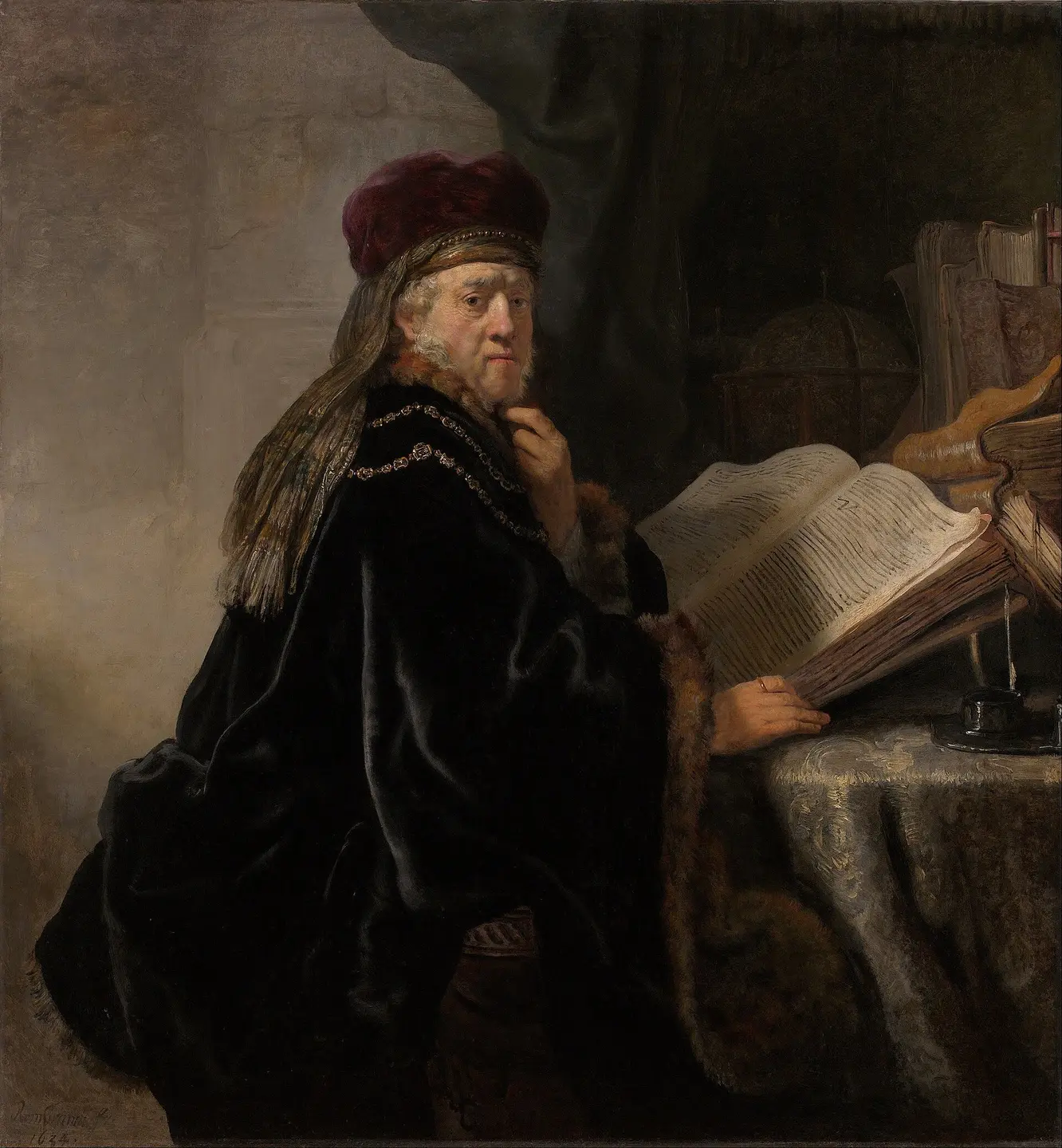
Primary sources provide direct evidence for a text, community, or historical setting. Reading them well requires context, precise citations, and comparison with other evidence.
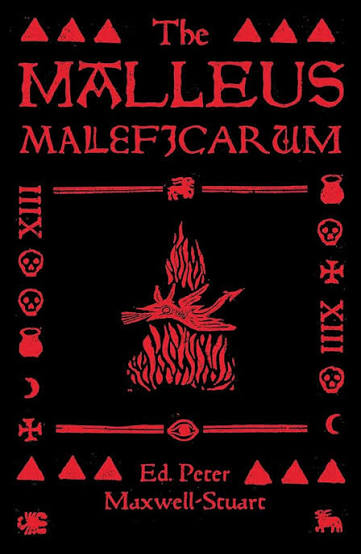
The Malleus Maleficarum is a Latin treatise associated with the inquisitor Heinrich Kramer. It combined demonological argument with proposals for prosecuting alleged witches. Its allegations, treatment of women, and influence require critical historical reading.
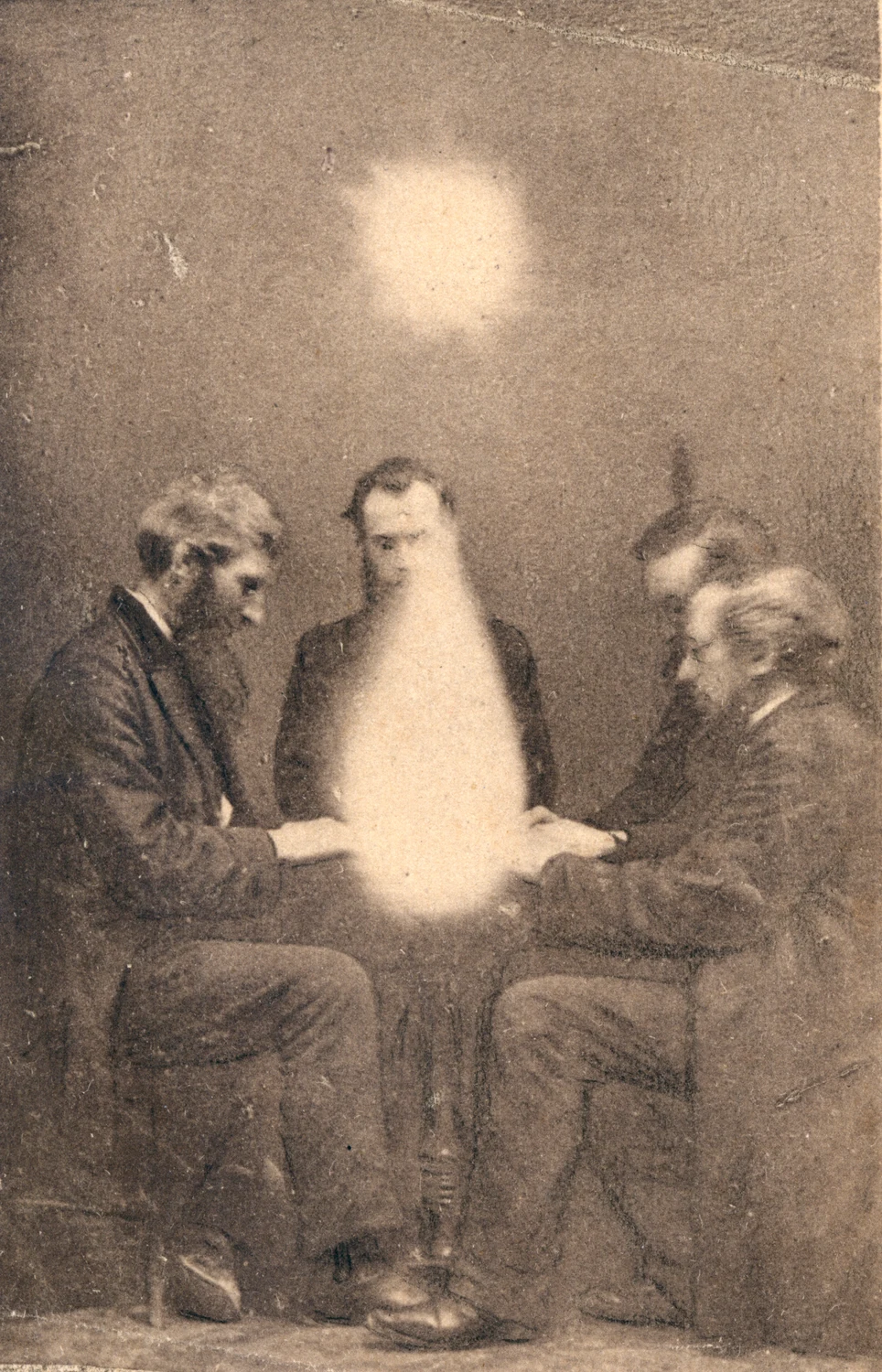
A religious movement centered on mediumship and continued personal identity after death, with church teachings and spirit photography.
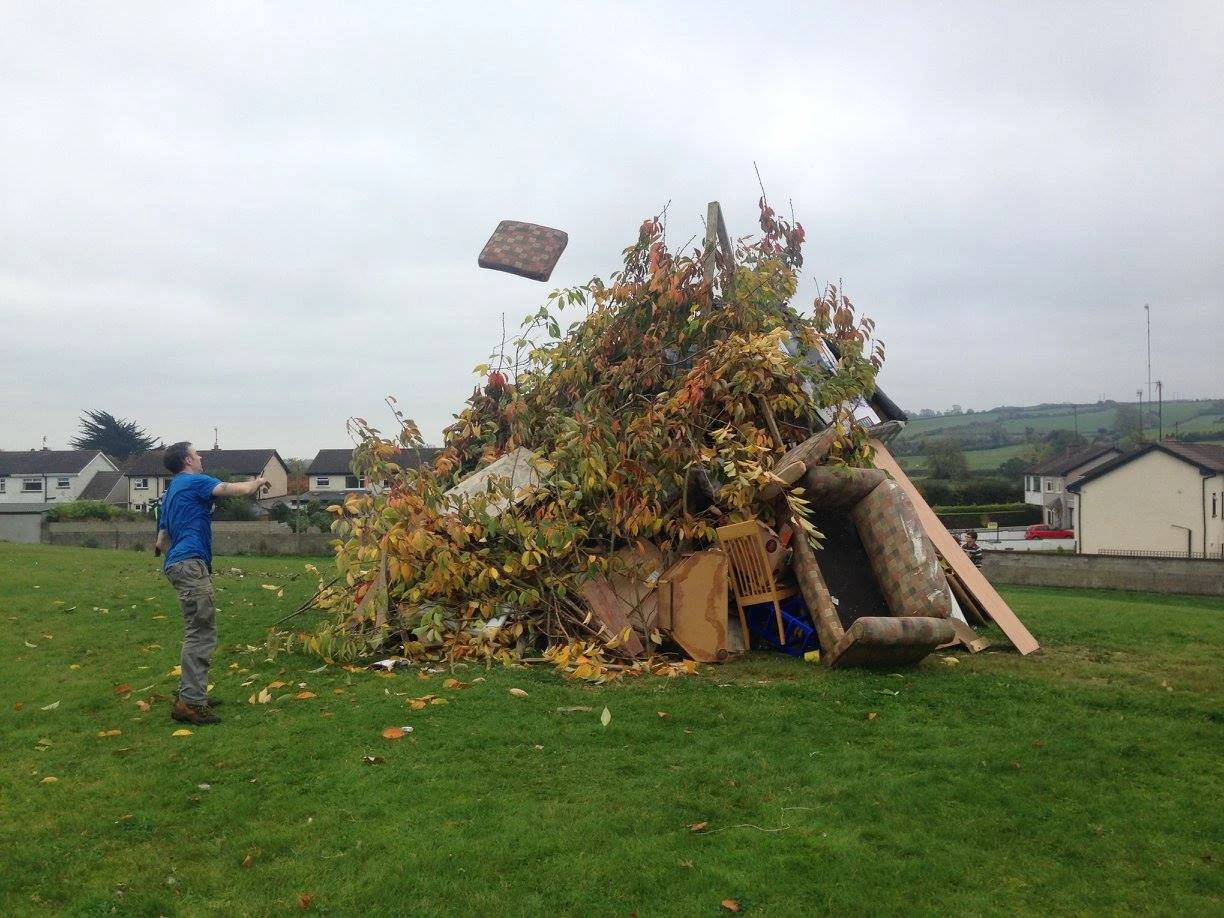
The Gaelic beginning-of-winter festival, Irish customs of food and divination, and its place in modern Pagan practice.
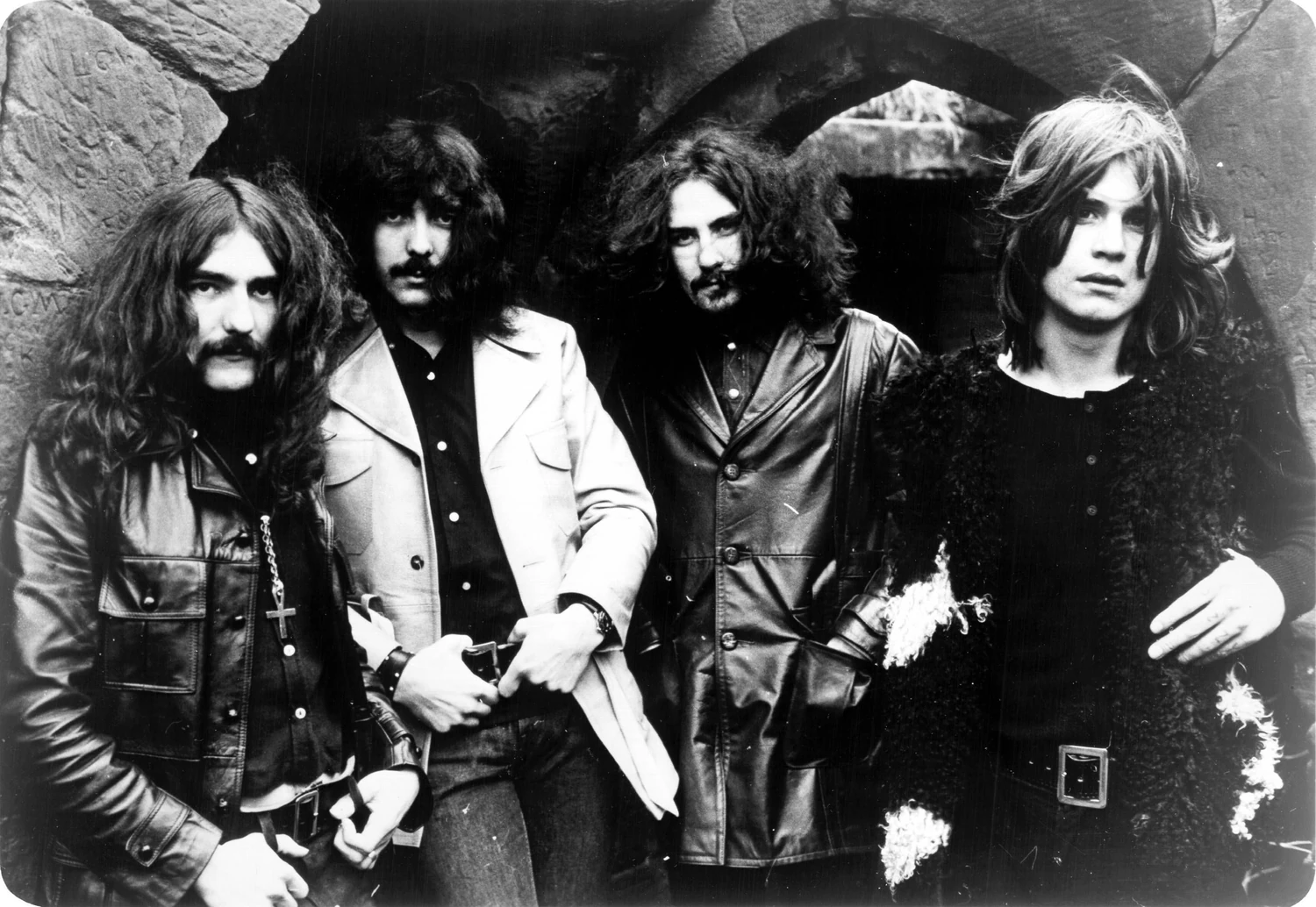
How Black Sabbath and Venom used dark or Satanic imagery, and why a song, stage character, and religious affiliation are different evidence.
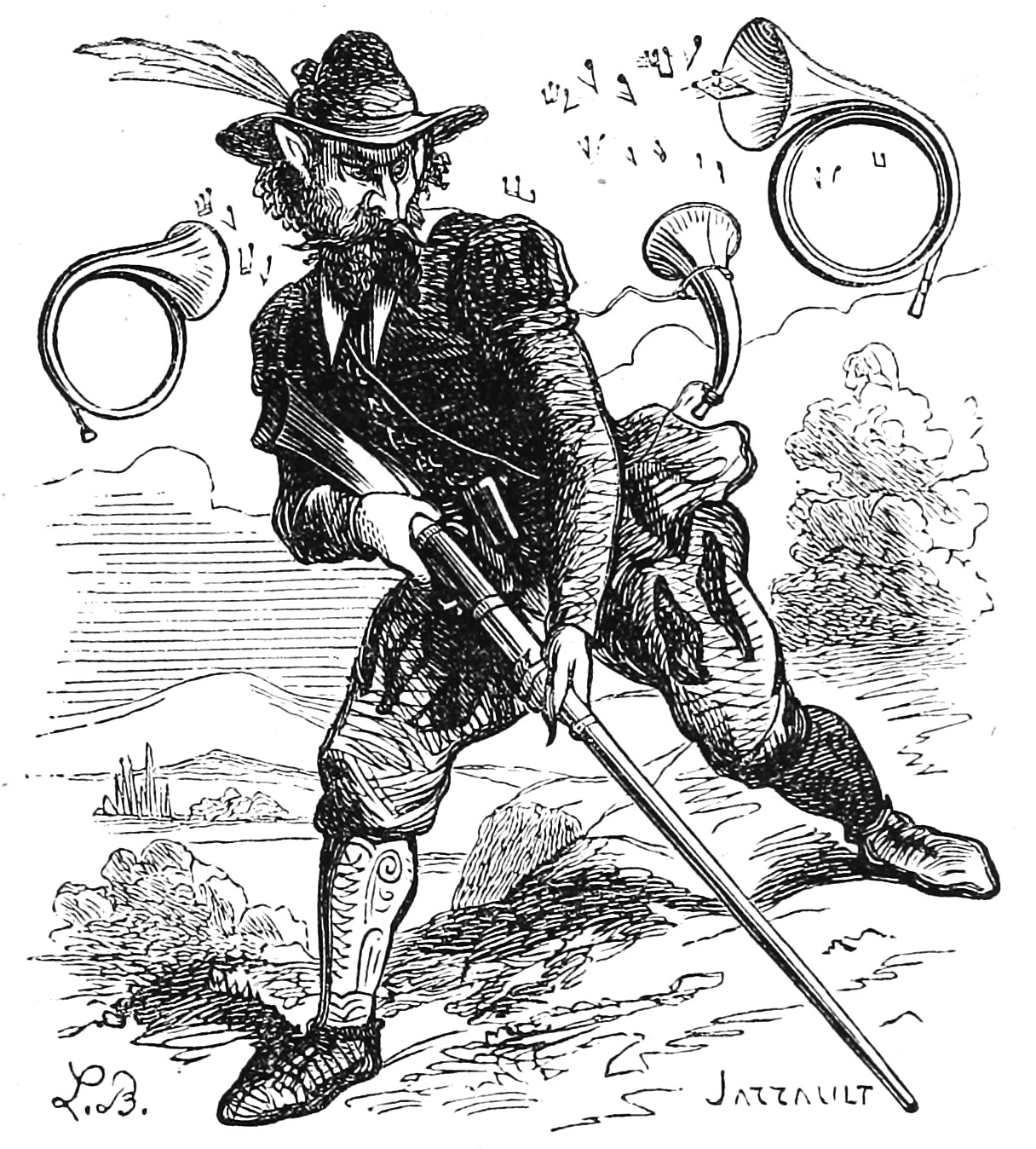
A Goetic duke connected with the speech of animals, enchanted treasure, and reconciliation.
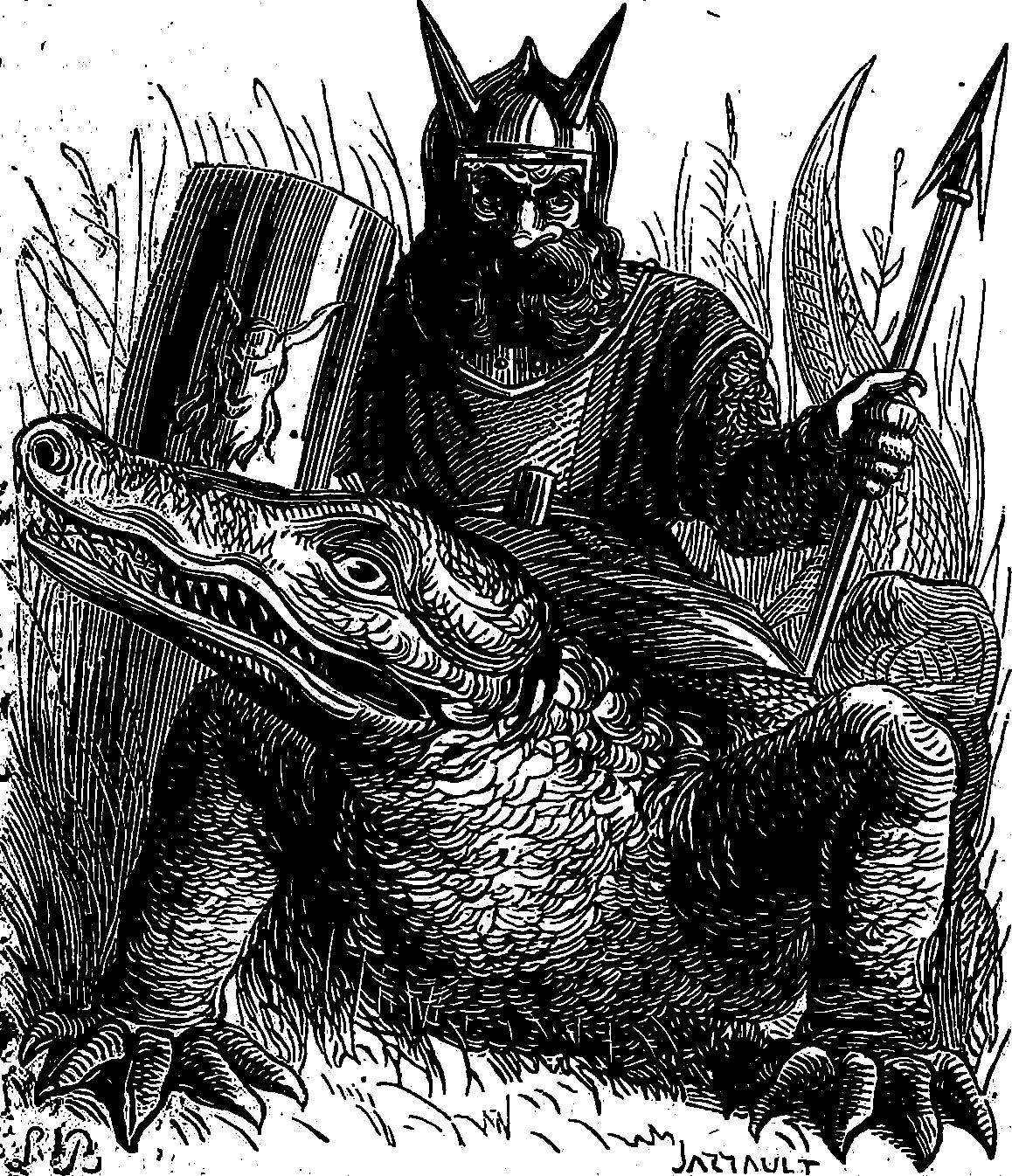
A Goetic duke, also called Saleos, described as a peaceful soldier riding a crocodile.
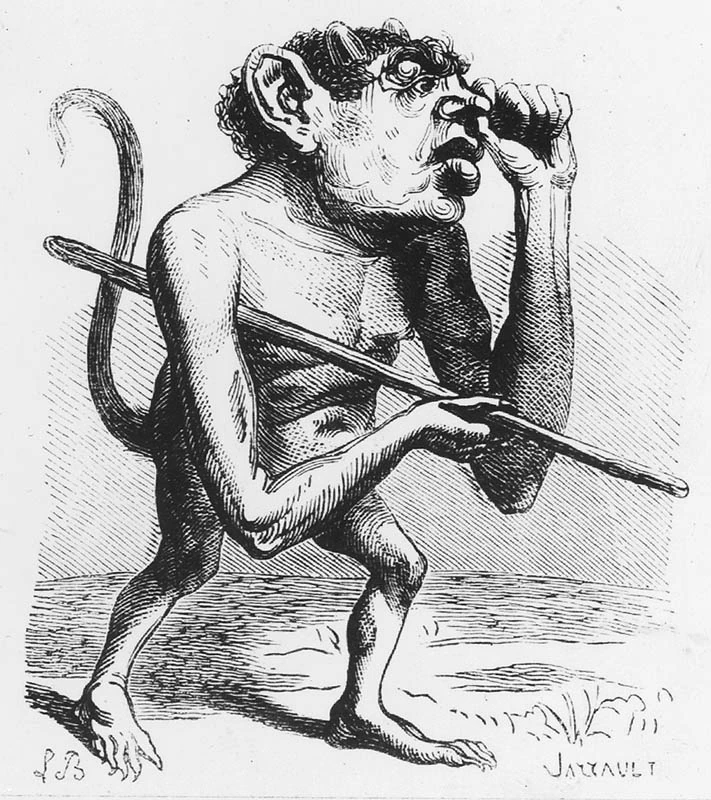
A Goetic spirit associated with rhetoric, languages, servants, and social favor.
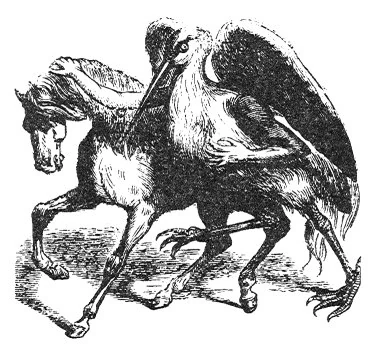
A Goetic marquis in bird form, associated with concealment, royal money, and unreliable answers.
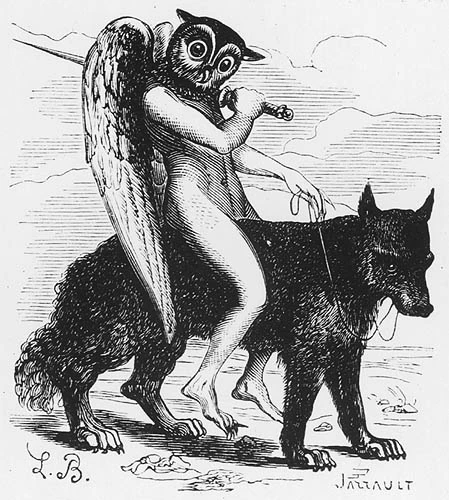
A Goetic marquis portrayed with a bird's head on a wolf, associated with discord and a warning of danger.
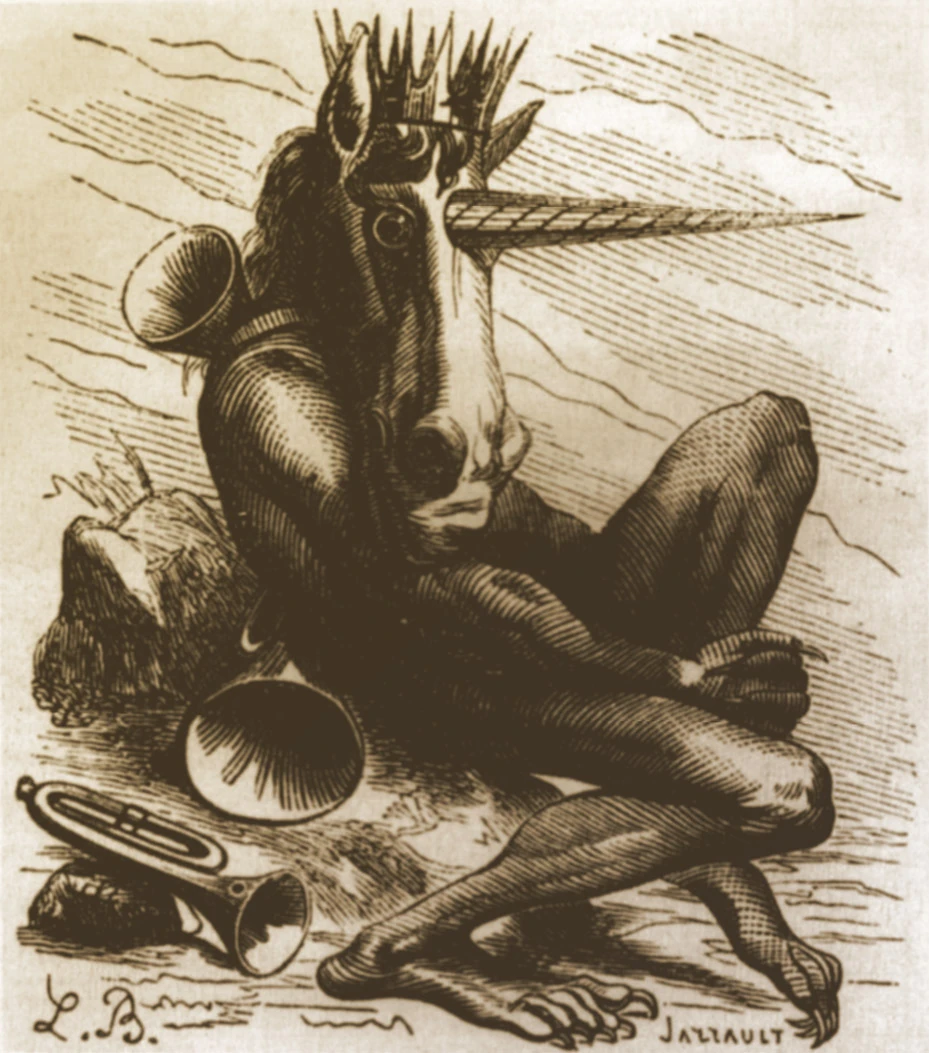
A unicorn-shaped Goetic duke associated with unseen music, bending trees, and familiars.
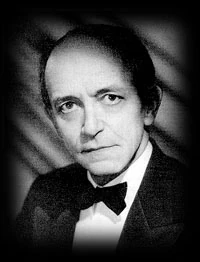
A school of the Western mysteries associated with Paul Foster Case, Ann Davies, Tarot, and Qabalistic study.
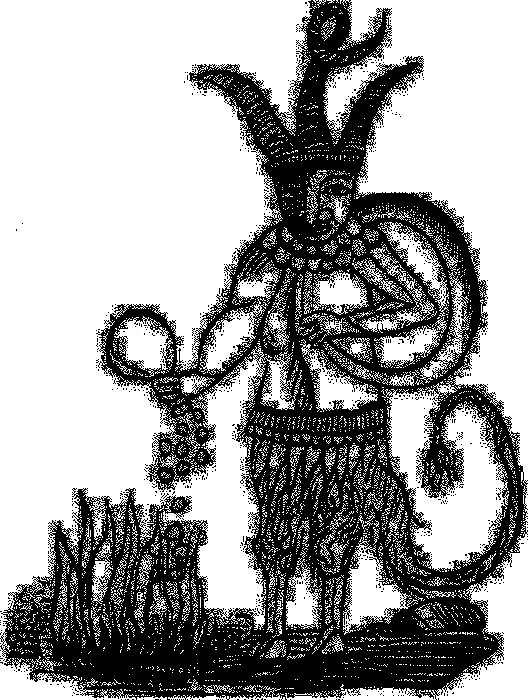
A grimoire best known for its staged encounter and pact with Lucifuge Rofocale.
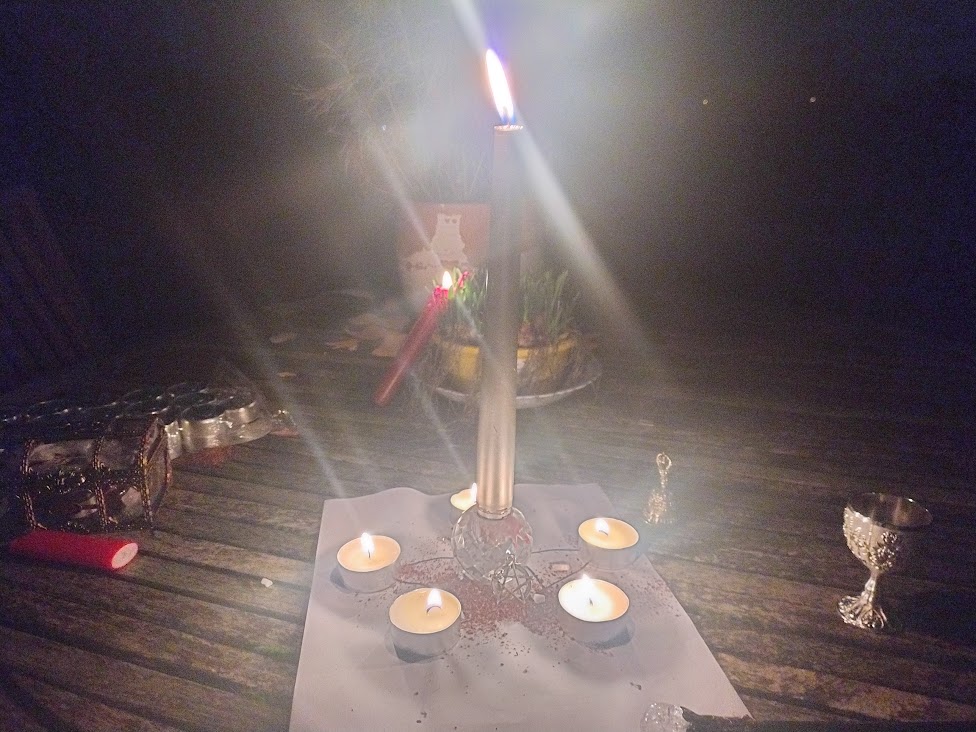
Ritual is patterned action given special religious, symbolic, social, or transformative significance. Ritual can mark time, establish sacred space, communicate with a deity, express commitment, create community, memorialize the dead, enact a transition, or focus attention on a chosen purpose. In theistic Satanism, ritual commonly includes devotional action directed toward Satan or other spirits…