Theology & Cosmology
Hermeticism
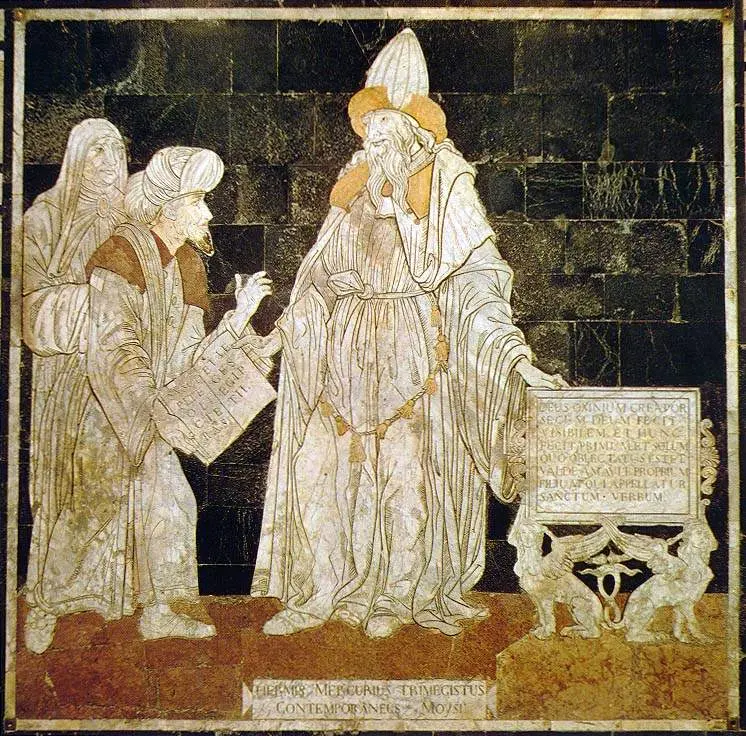
Hermeticism names several related traditions associated with Hermes Trismegistus. Philosophical dialogues, alchemical texts, and later occult systems require separate historical treatment.
Hermeticism names several related traditions associated with Hermes Trismegistus. Philosophical dialogues, alchemical texts, and later occult systems require separate historical treatment.
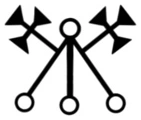
A Goetic president depicted as a lion, associated with hidden knowledge, mechanical arts, and transformation.
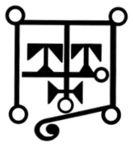
A Goetic spirit with the titles president and earl, associated with knowledge and reconciliation.
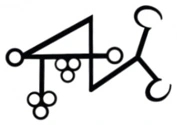
A Goetic spirit called Morax or Marax, associated with astronomy and the properties of plants and stones.
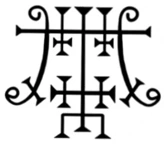
A Goetic president associated with logic, ethics, plants, stones, longevity, and lost things.
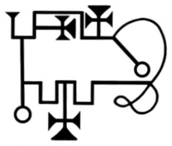
A Goetic marquis in phoenix form, associated with poetry, learning, and a hope of heavenly restoration.
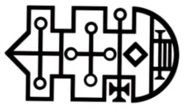
A Goetic earl associated with royal treasure, the destruction of cities, and altered relationships.
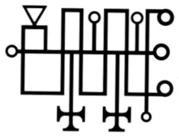
A Goetic president with a winged bull form, associated with wisdom and the transformation of substances.
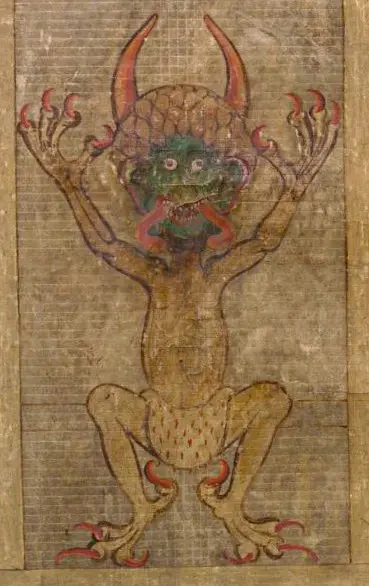
The Devil is the principal personification of evil in much of Christian tradition and a major source for later Western images of Satan. The term is not identical with every historical use of Satan, nor does it describe one unchanging character across the Bible, theology, folklore, literature, art, and modern religion. In contemporary speech “the Devil” often functions as a proper name for Satan, but…
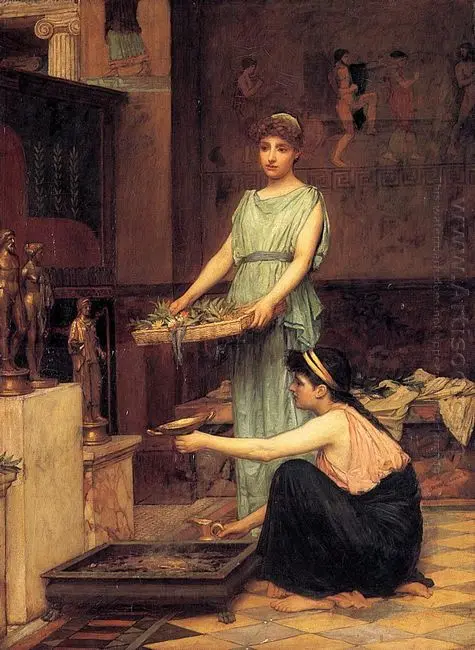
Offerings are objects, substances, actions, or works intentionally presented to a deity, spirit, sacred power, or religious community. Across religious history offerings have included food, drink, incense, flowers, animal sacrifice, money, vows, music, labor, art, and acts of service. In theistic Satanism, offerings are commonly used to express devotion, gratitude, hospitality, dedication, or…
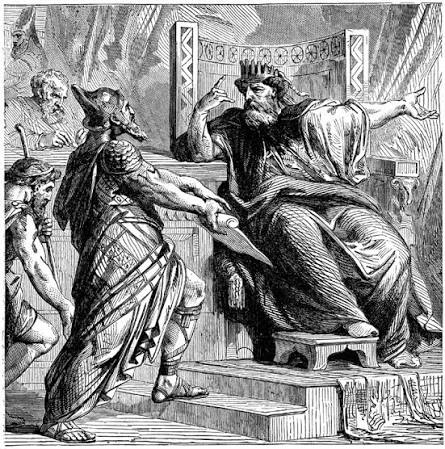
In 1 Chronicles 21, Satan or an adversary incites David to count Israel. Comparison with 2 Samuel 24 raises questions about divine agency, translation, and the development of the adversary figure.
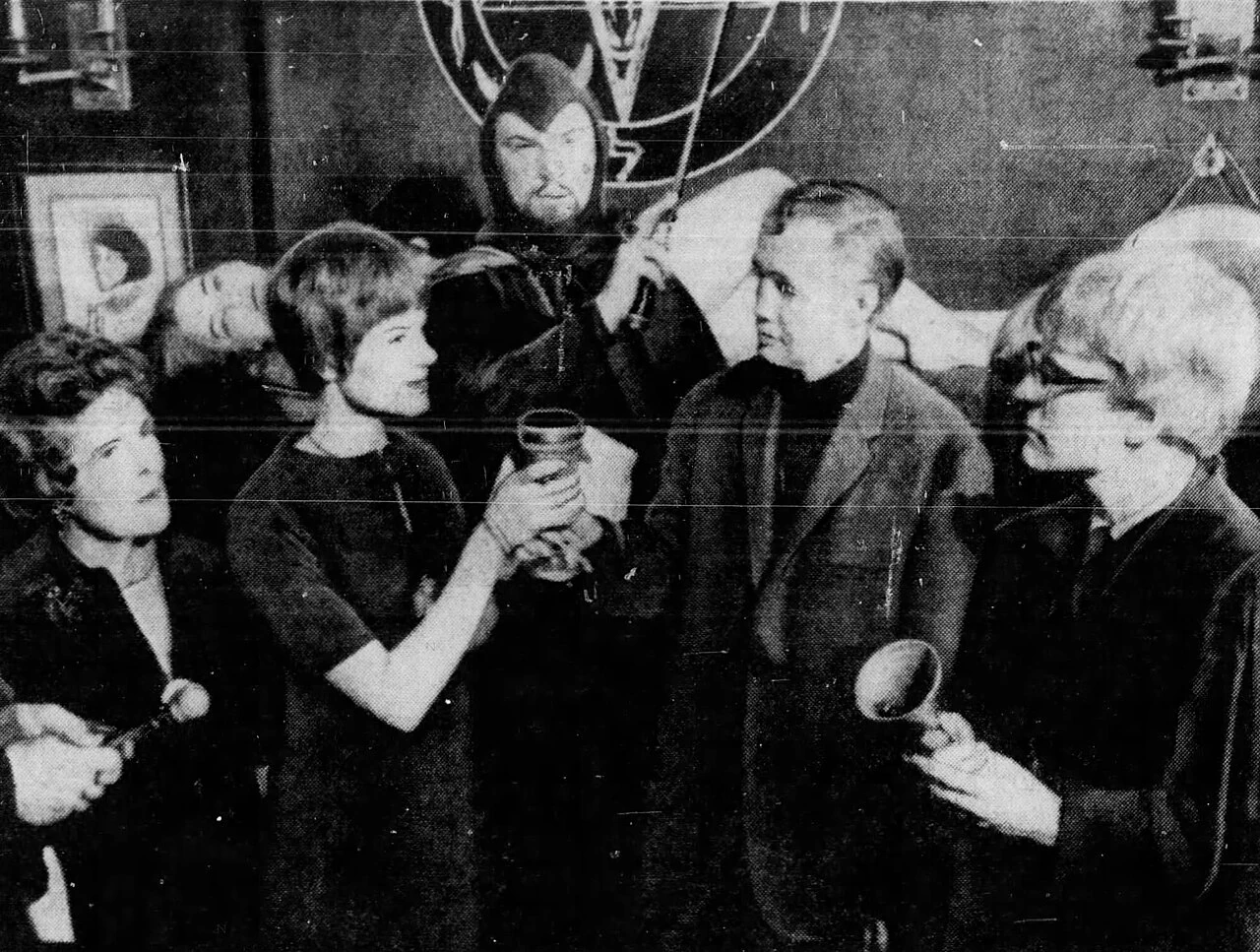
The Church of Satan is the organization founded by Anton LaVey in 1966. Its official account describes Satanism as atheistic and gives Satan a symbolic role.
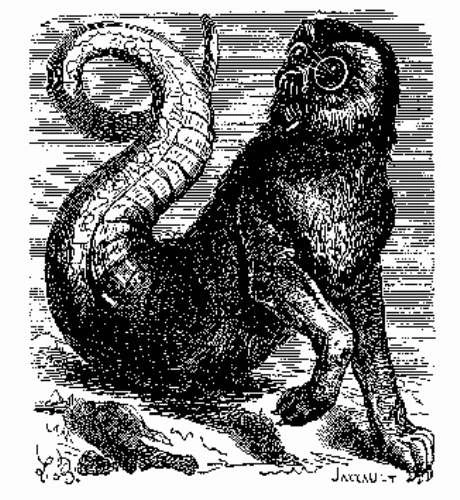
A Goetic marquis with a wolf-like appearance, associated with knowledge and the making or resolution of disputes.
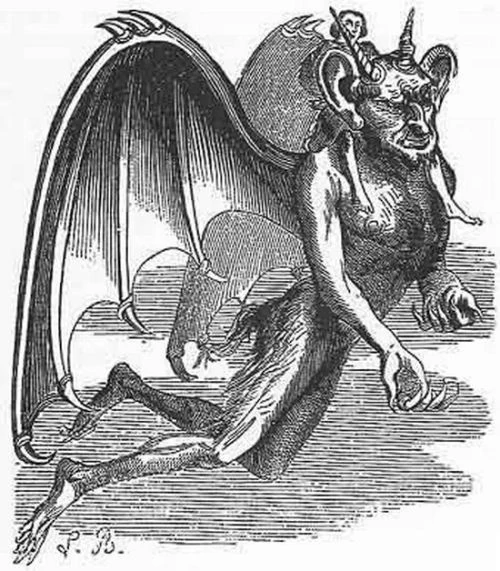
A Goetic spirit associated with learning, altered perception, familiars, and rapid travel.
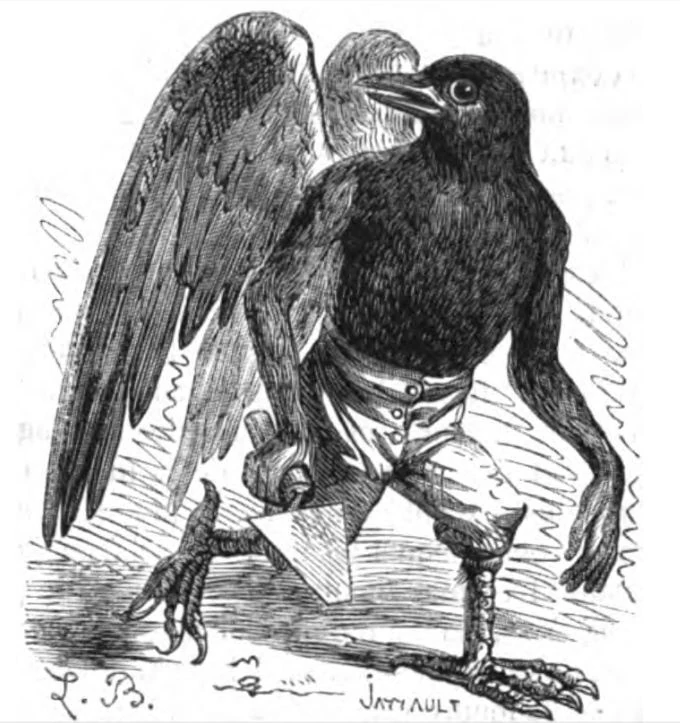
A Goetic president in a dark bird form, associated with building and a warning about offerings.
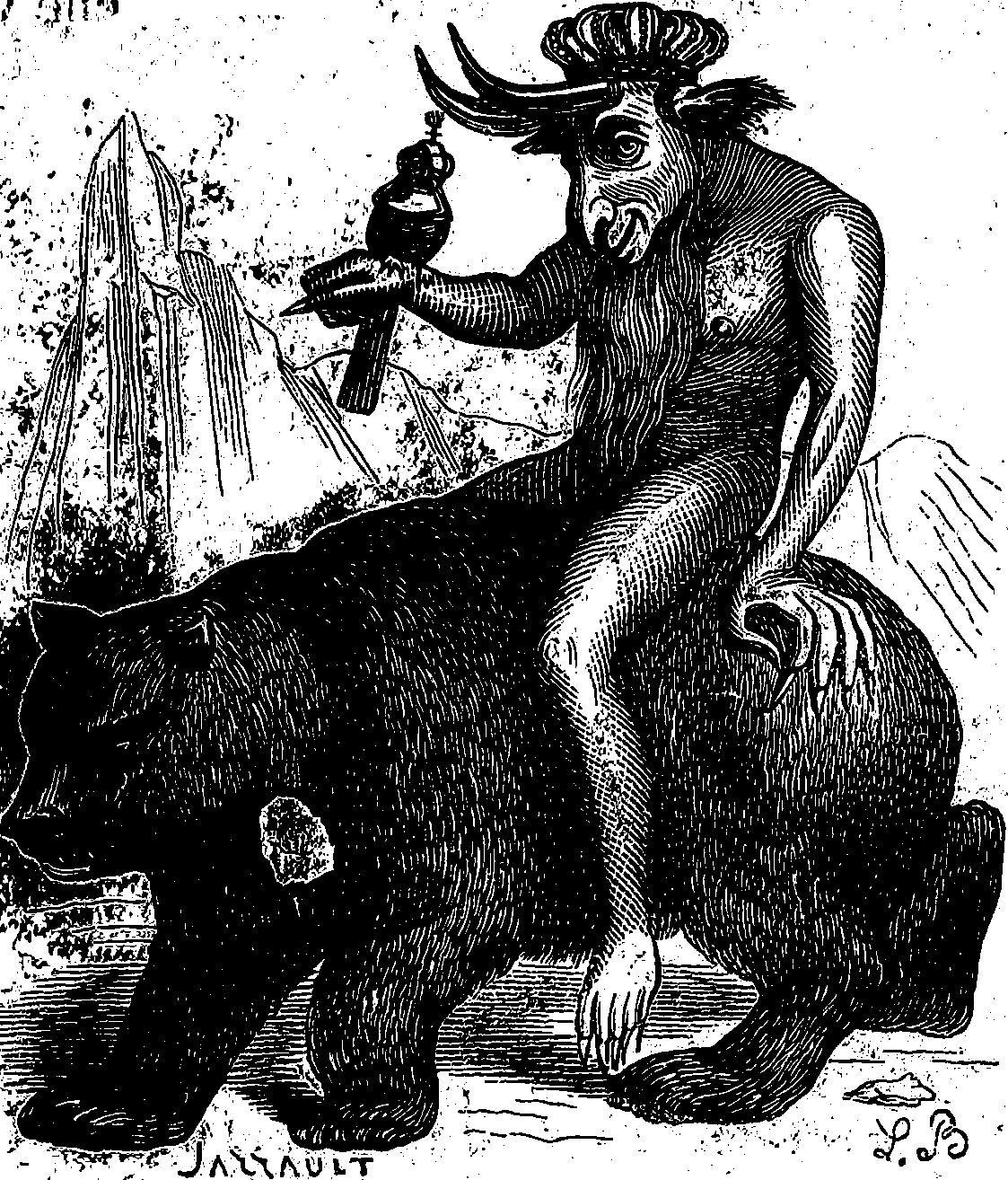
A three-headed Goetic king riding a bear, associated with answers, wit, and invisibility.

A Goetic president associated with animal voices, disputation, and answers given through burning ashes.
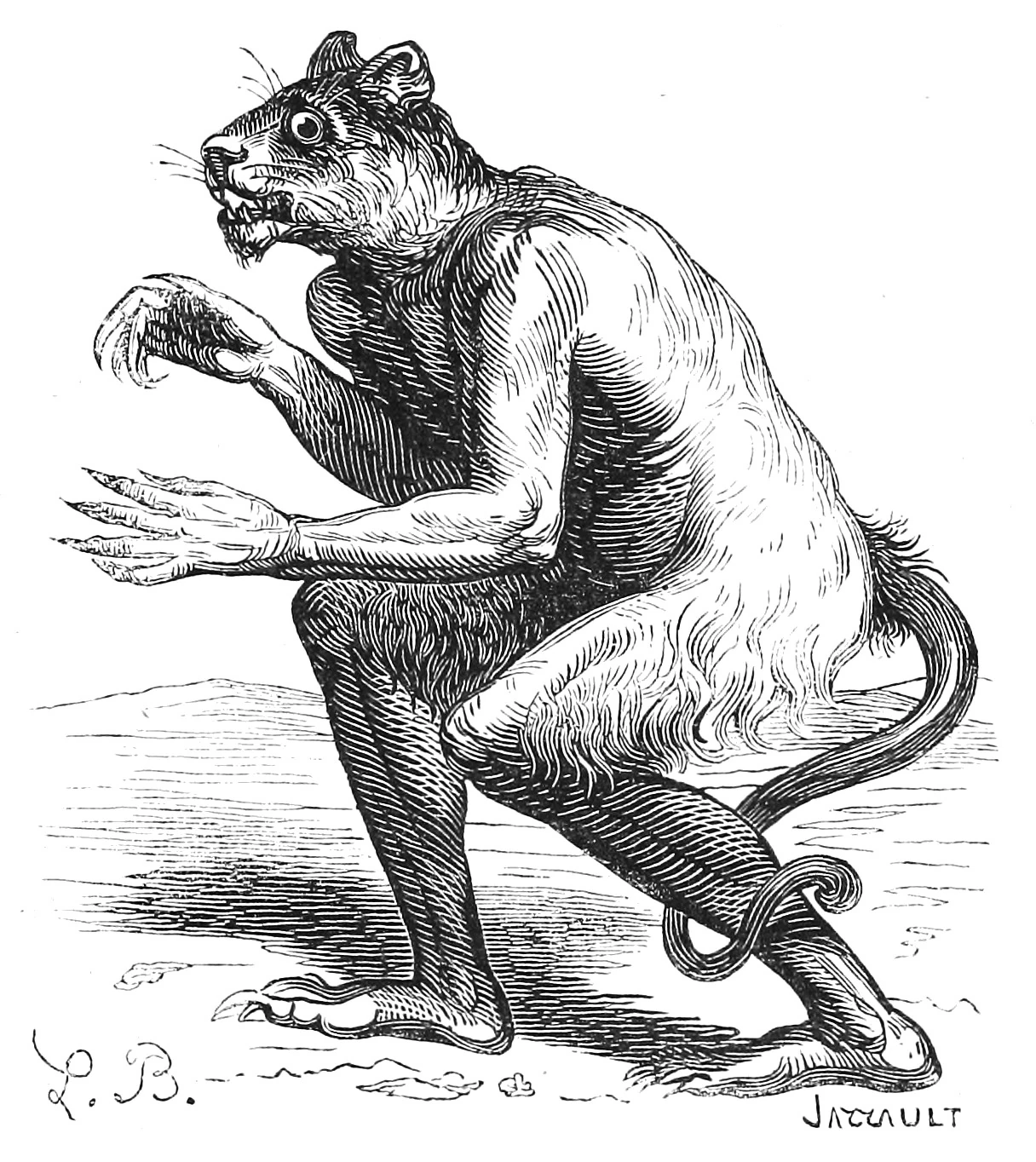
A Goetic duke, also called Flauros, associated with fiery destruction and answers about divine matters.
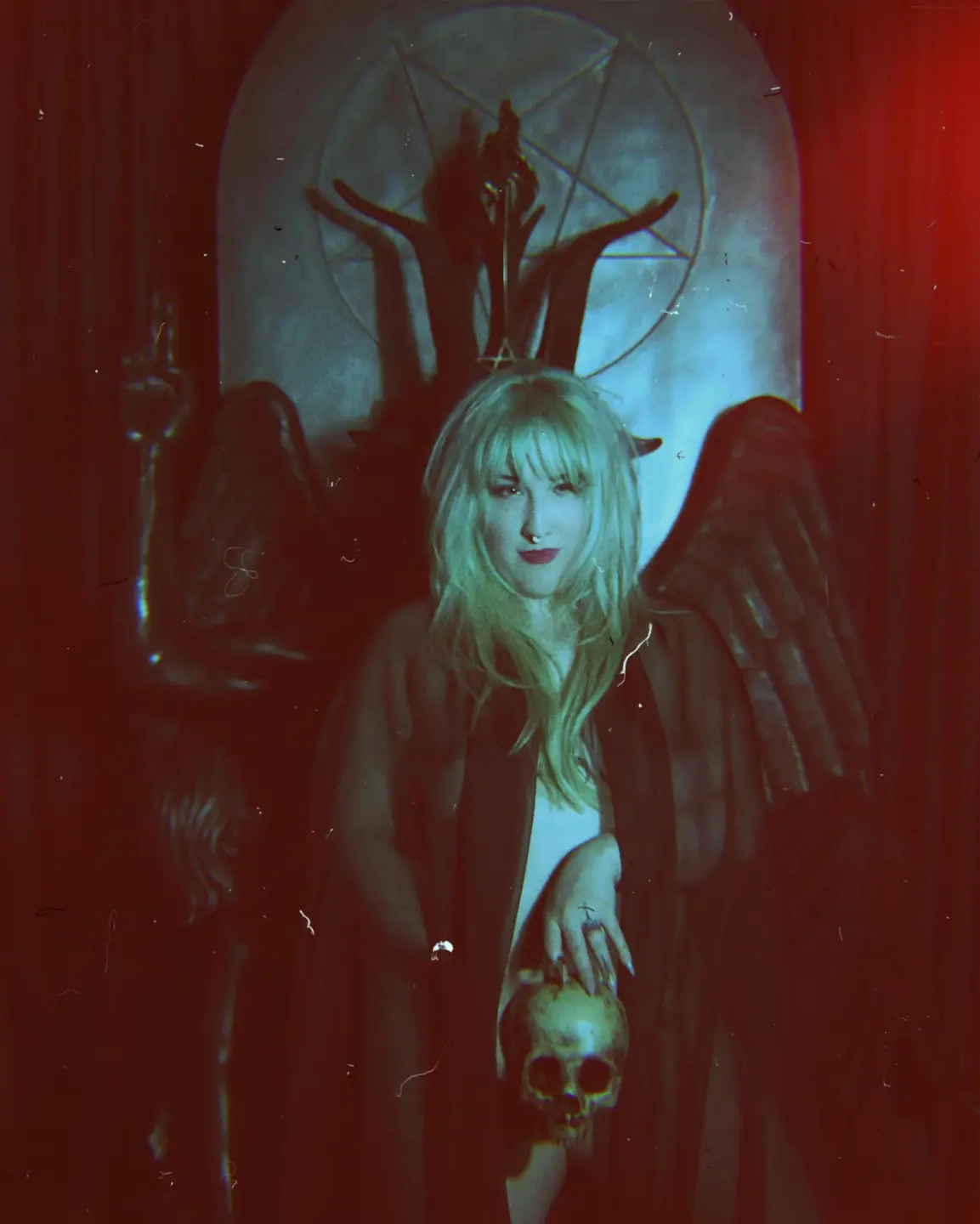
Baphomet is an occult figure whose history connects the medieval trial of the Knights Templar, nineteenth-century ceremonial symbolism, twentieth-century Satanic iconography, and the modern public imagery of The Satanic Temple. The familiar goat-headed, winged, androgynous figure is not a medieval portrait of a secret Templar god. It was created in the nineteenth century by the French occultist Éliphas…
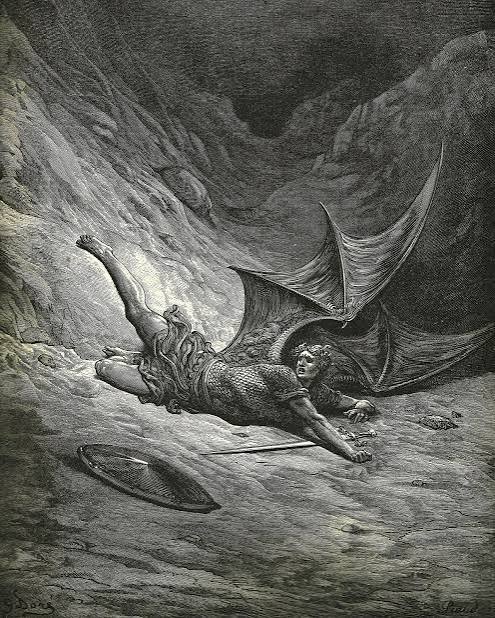
Modern theistic Satanism refers to contemporary religious currents in which Satan is understood as an independently real deity, spirit, intelligence, or metaphysical presence and is approached through devotion, ritual, prayer, magic, contemplation, or other religious practices. It is part of the wider field of modern Satanism but differs from explicitly non-theistic movements that use Satan primarily as…