Demonology & Spirits
Andras
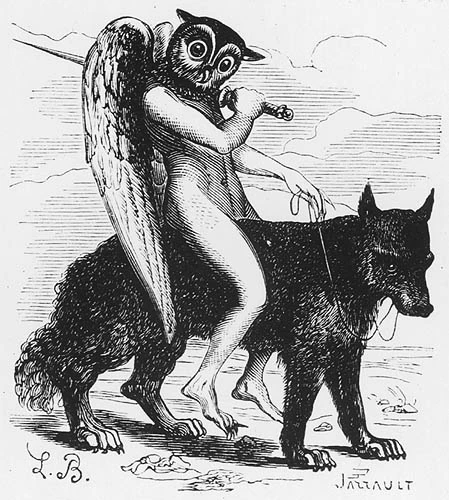
A Goetic marquis portrayed with a bird's head on a wolf, associated with discord and a warning of danger.
A Goetic marquis portrayed with a bird's head on a wolf, associated with discord and a warning of danger.
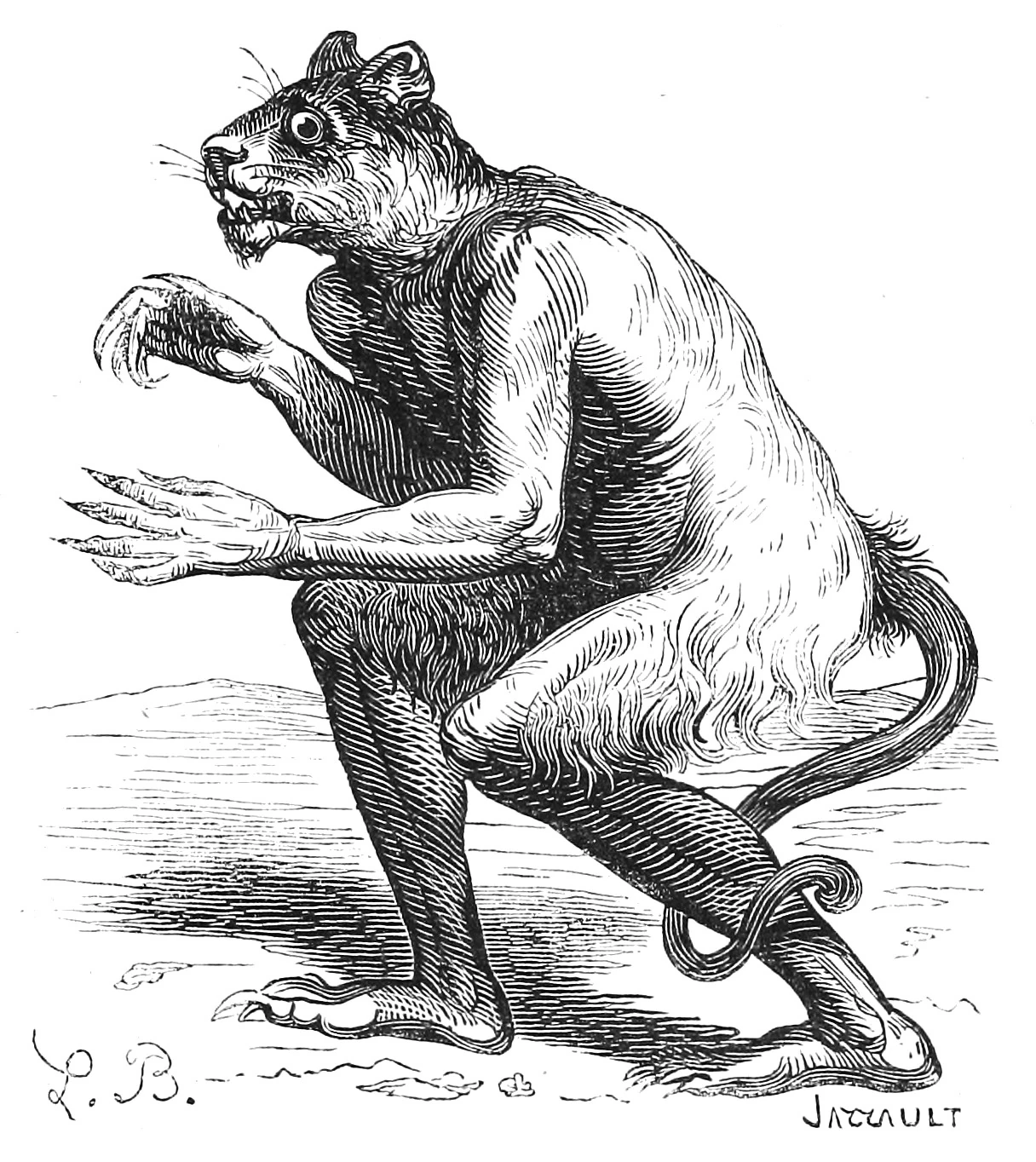
A Goetic duke, also called Flauros, associated with fiery destruction and answers about divine matters.
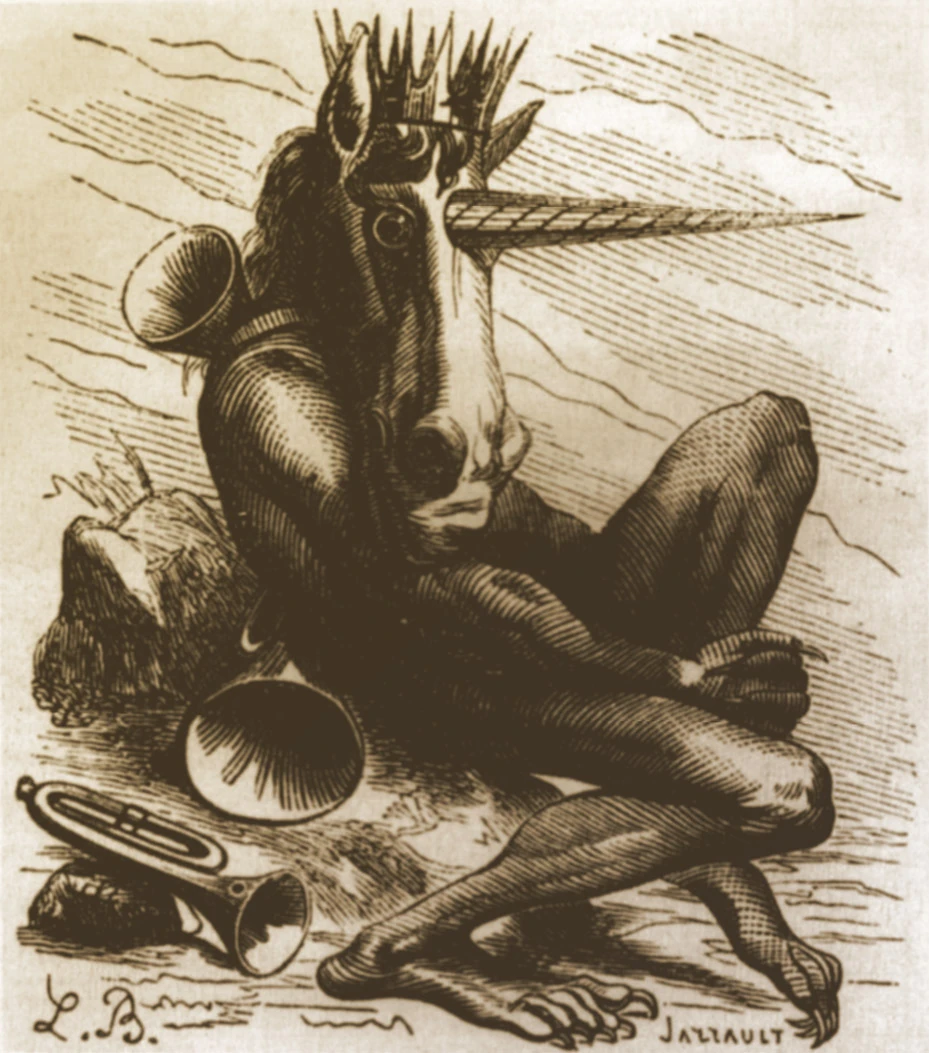
A unicorn-shaped Goetic duke associated with unseen music, bending trees, and familiars.
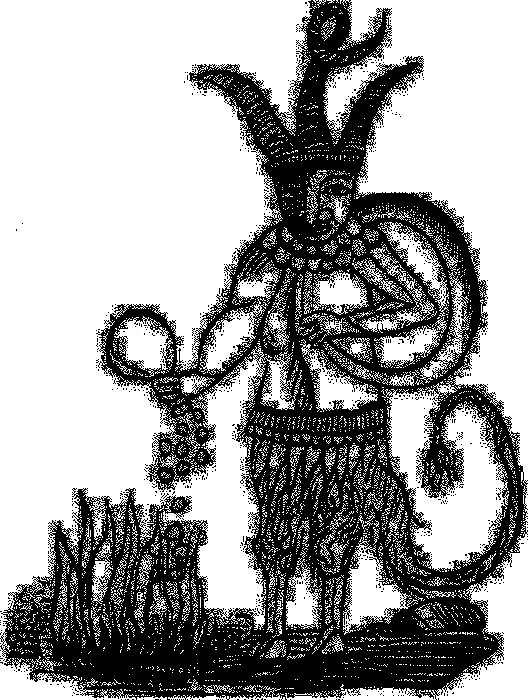
A grimoire best known for its staged encounter and pact with Lucifuge Rofocale.
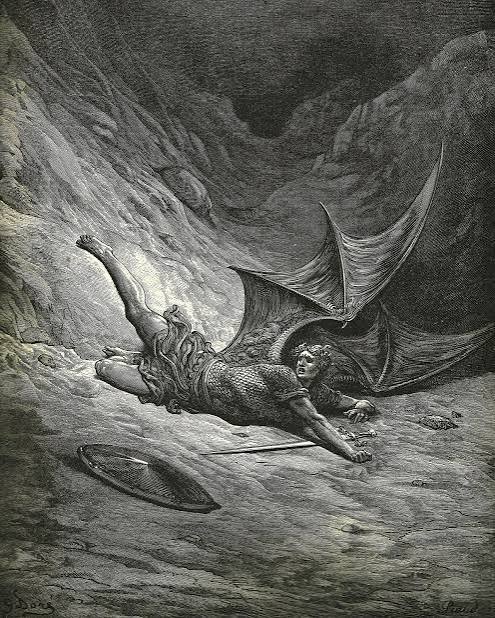
Modern theistic Satanism refers to contemporary religious currents in which Satan is understood as an independently real deity, spirit, intelligence, or metaphysical presence and is approached through devotion, ritual, prayer, magic, contemplation, or other religious practices. It is part of the wider field of modern Satanism but differs from explicitly non-theistic movements that use Satan primarily as…

Prayer is intentional communication addressed to a deity, spirit, sacred power, or ultimate reality. It can include praise, petition, confession, thanksgiving, lament, dedication, silence, repetition, or simple direct speech. In theistic Satanism, prayer usually means addressing Satan or another spiritually real being rather than speaking only to oneself or performing a purely symbolic exercise.
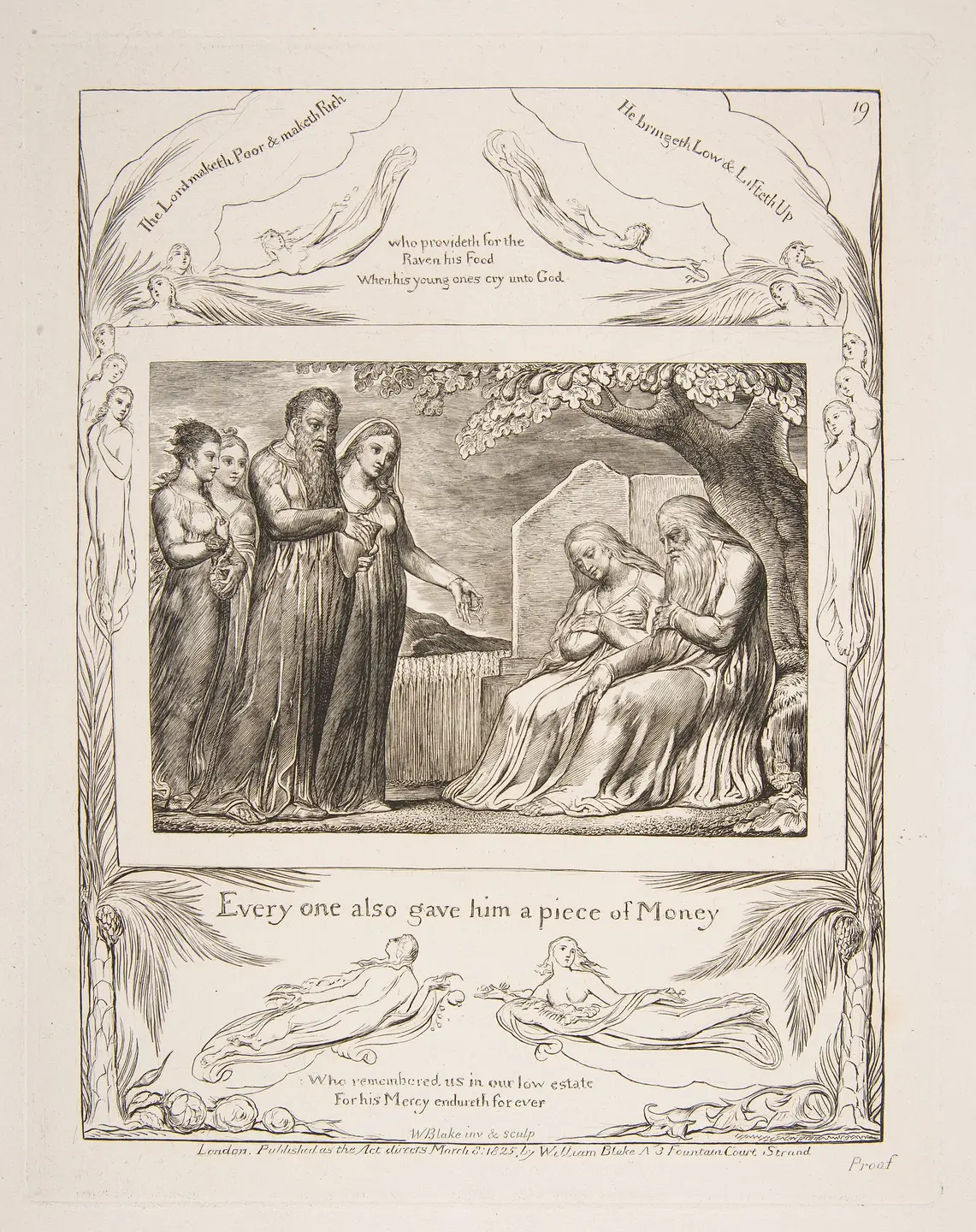
Ethics in theistic Satanism concerns the moral principles, responsibilities, virtues, prohibitions, and methods of judgement developed by Satanists who regard Satan or related beings as real rather than purely symbolic. There is no universal Satanic ethical code. Theistic Satanism is decentralized, and its practitioners may draw on personal conscience, religious devotion, philosophical individualism,…
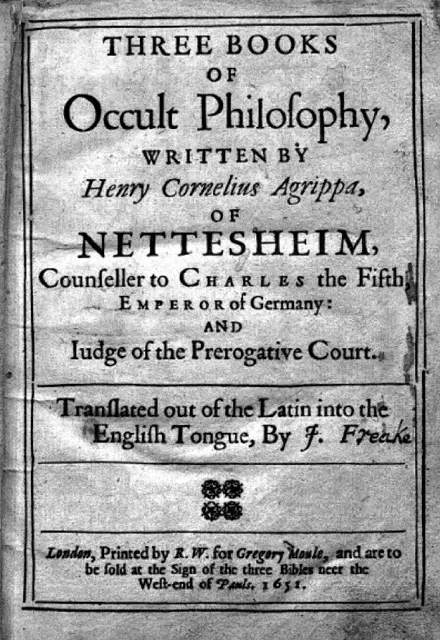
Ceremonial magic uses formally organized ritual actions. Its historical systems combine preparation, symbols, instruments, and accounts of spiritual authority in different ways.

A Goetic prince associated with finding lost things and knowledge of past and future events.
A Goetic marquis, also called Gamigin, associated with liberal studies and accounts of deceased souls.
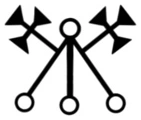
A Goetic president depicted as a lion, associated with hidden knowledge, mechanical arts, and transformation.
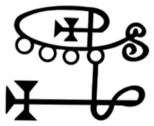
A Goetic duke whose description combines a lion-like form with a warning about theft and familiar spirits.
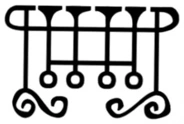
A Goetic duke associated with answers, reconciliation, and the obscure term Xenopilus.
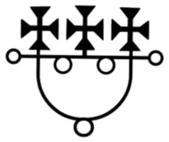
A Goetic prince portrayed with a leopard head and griffin wings, whose stated office concerns desire.
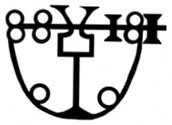
A Goetic marquis described as a green-clad archer associated with conflict and arrow wounds.
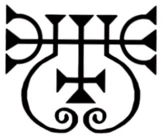
A Goetic duke depicted as a red-clad soldier whose entry concerns attraction and fertility.
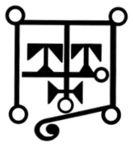
A Goetic spirit with the titles president and earl, associated with knowledge and reconciliation.
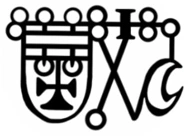
A Goetic duke associated with herbs, precious stones, and sudden travel between countries.
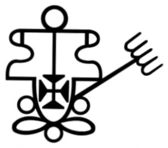
A Goetic king riding a bear, with offices concerning hidden knowledge, treasure, and cosmology.
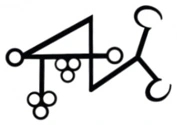
A Goetic spirit called Morax or Marax, associated with astronomy and the properties of plants and stones.