Devotional Practice
Invocation and evocation
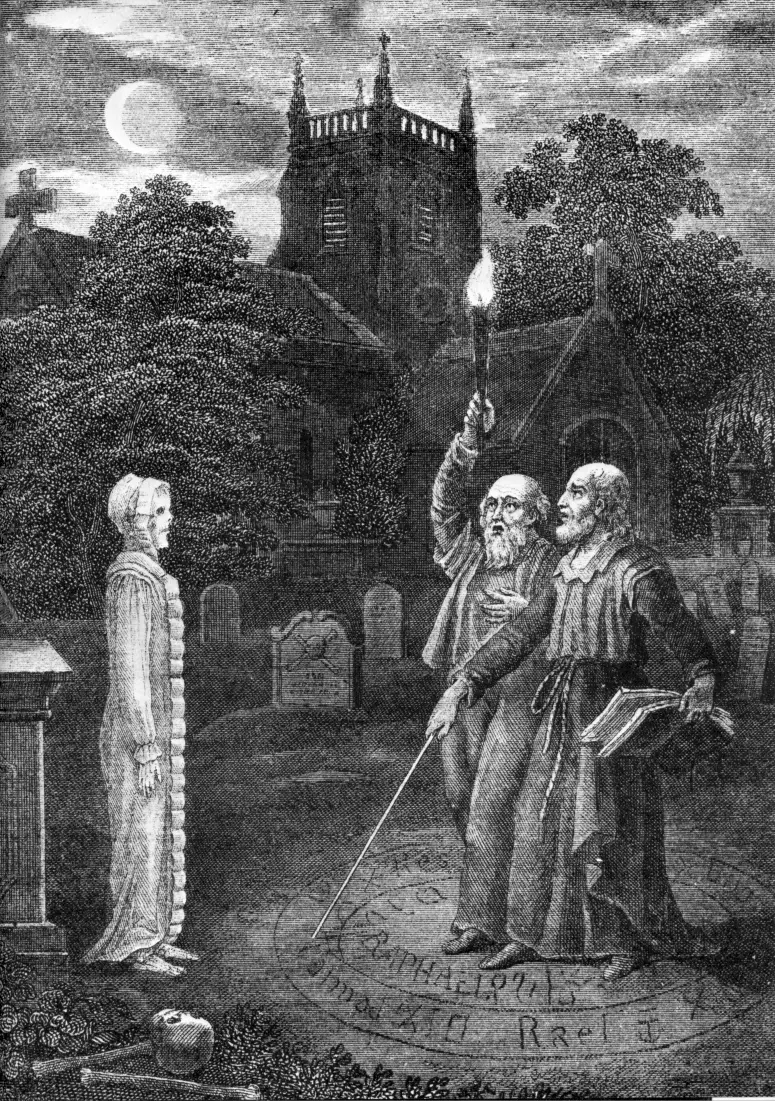
Invocation and evocation are terms used for related but differently framed religious or magical actions. Their definitions vary between authors and practice systems.
Invocation and evocation are terms used for related but differently framed religious or magical actions. Their definitions vary between authors and practice systems.
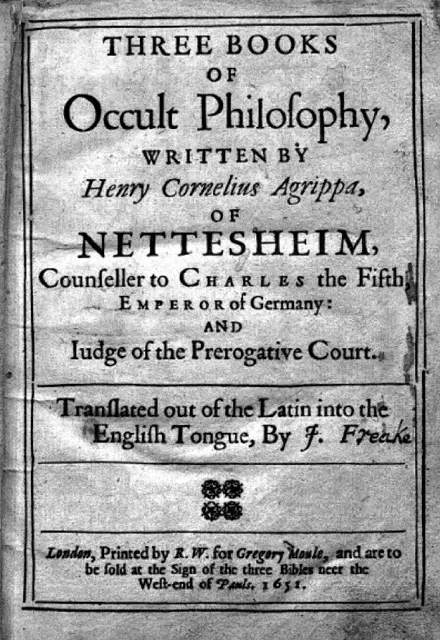
Ceremonial magic uses formally organized ritual actions. Its historical systems combine preparation, symbols, instruments, and accounts of spiritual authority in different ways.
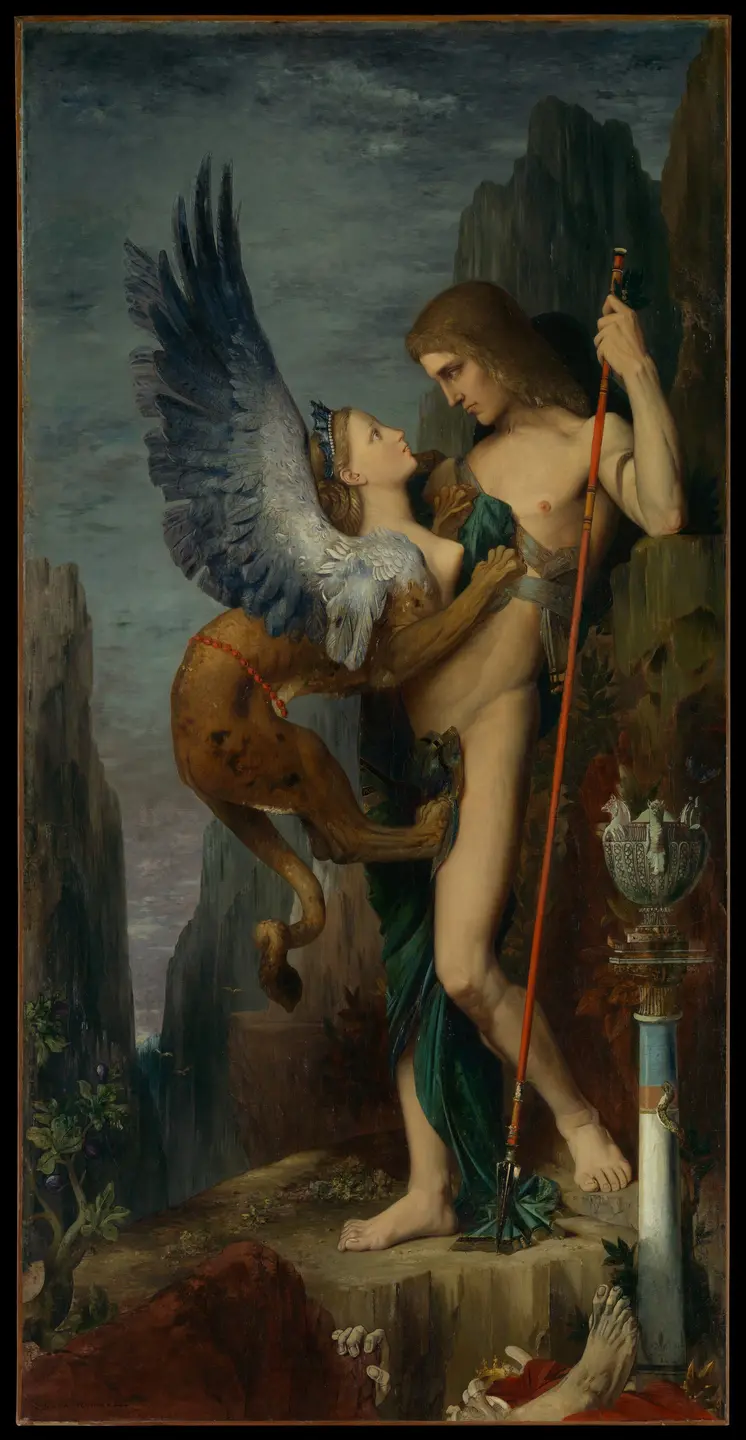
A religious myth can organize meaning while also receiving literal belief. Literary form, personal interpretation, and historical evidence should be discussed as related but distinct questions.

A Goetic prince associated with finding lost things and knowledge of past and future events.

A Goetic marquis, also called Gamigin, associated with liberal studies and accounts of deceased souls.
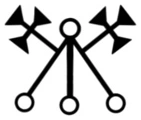
A Goetic president depicted as a lion, associated with hidden knowledge, mechanical arts, and transformation.
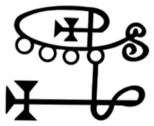
A Goetic duke whose description combines a lion-like form with a warning about theft and familiar spirits.
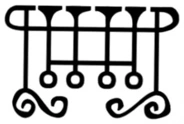
A Goetic duke associated with answers, reconciliation, and the obscure term Xenopilus.
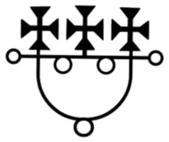
A Goetic prince portrayed with a leopard head and griffin wings, whose stated office concerns desire.
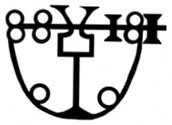
A Goetic marquis described as a green-clad archer associated with conflict and arrow wounds.
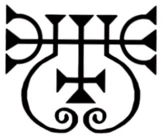
A Goetic duke depicted as a red-clad soldier whose entry concerns attraction and fertility.
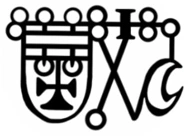
A Goetic duke associated with herbs, precious stones, and sudden travel between countries.
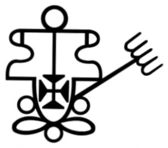
A Goetic king riding a bear, with offices concerning hidden knowledge, treasure, and cosmology.
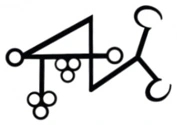
A Goetic spirit called Morax or Marax, associated with astronomy and the properties of plants and stones.

A Goetic marquis described as a sea monster, associated with language, reputation, and rhetoric.
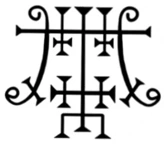
A Goetic president associated with logic, ethics, plants, stones, longevity, and lost things.
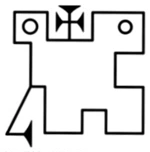
A Goetic earl associated with fortification and military supply, often confused with Malphas.

A Goetic earl associated with royal treasure, the destruction of cities, and altered relationships.
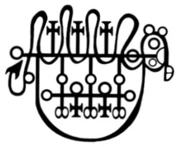
A Goetic duke portrayed as a mermaid, associated with ships, storms, and afflicted wounds.
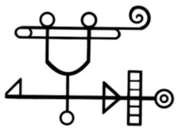
A Goetic marquis depicted as a lion-headed soldier, associated with fortifications and wounds.