Theology & Cosmology
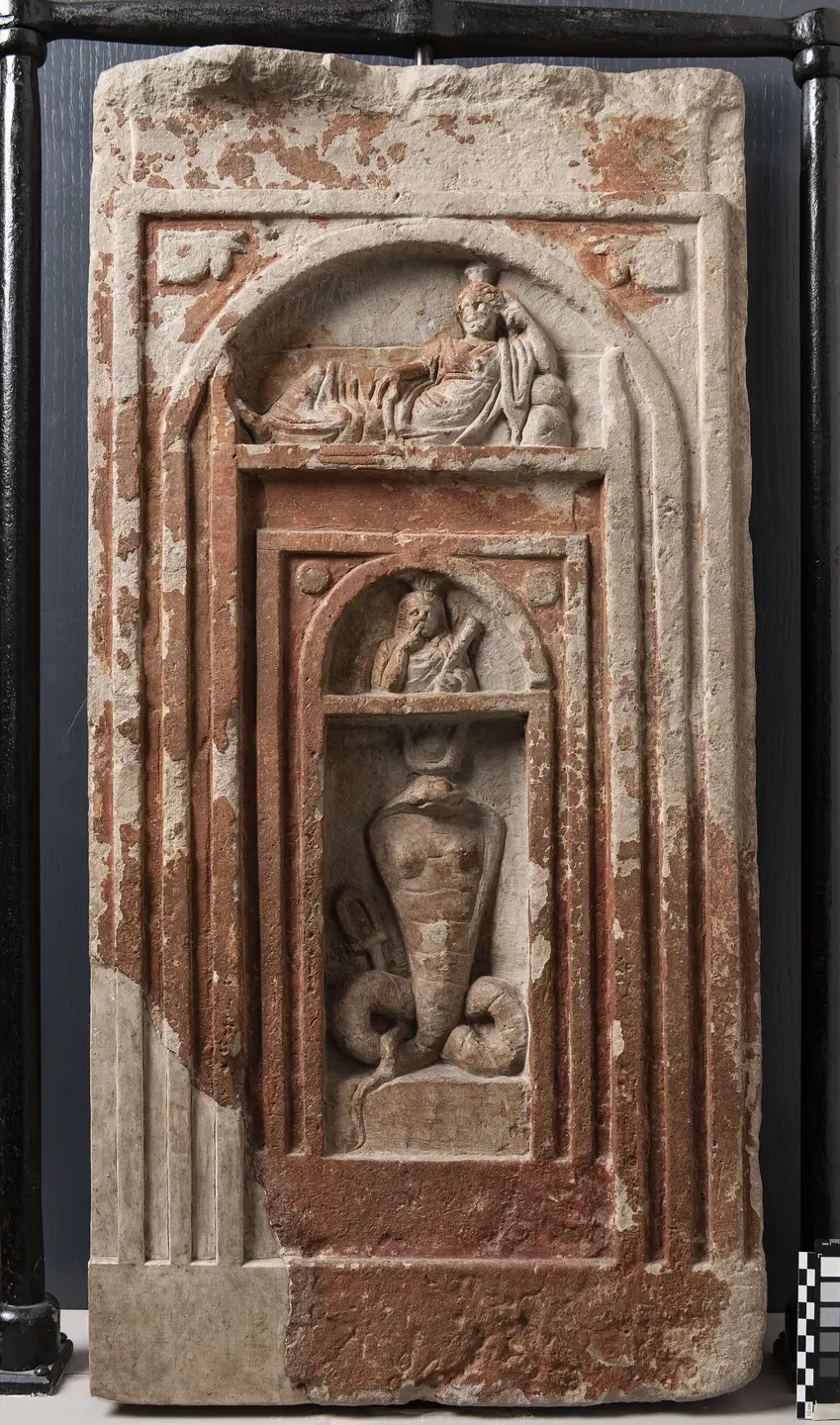
Religious syncretism
Religious syncretism concerns the combination of ideas, figures, and practices from different traditions. Similarity of names or imagery alone does not establish identity or historical continuity.
Religious syncretism concerns the combination of ideas, figures, and practices from different traditions. Similarity of names or imagery alone does not establish identity or historical continuity.
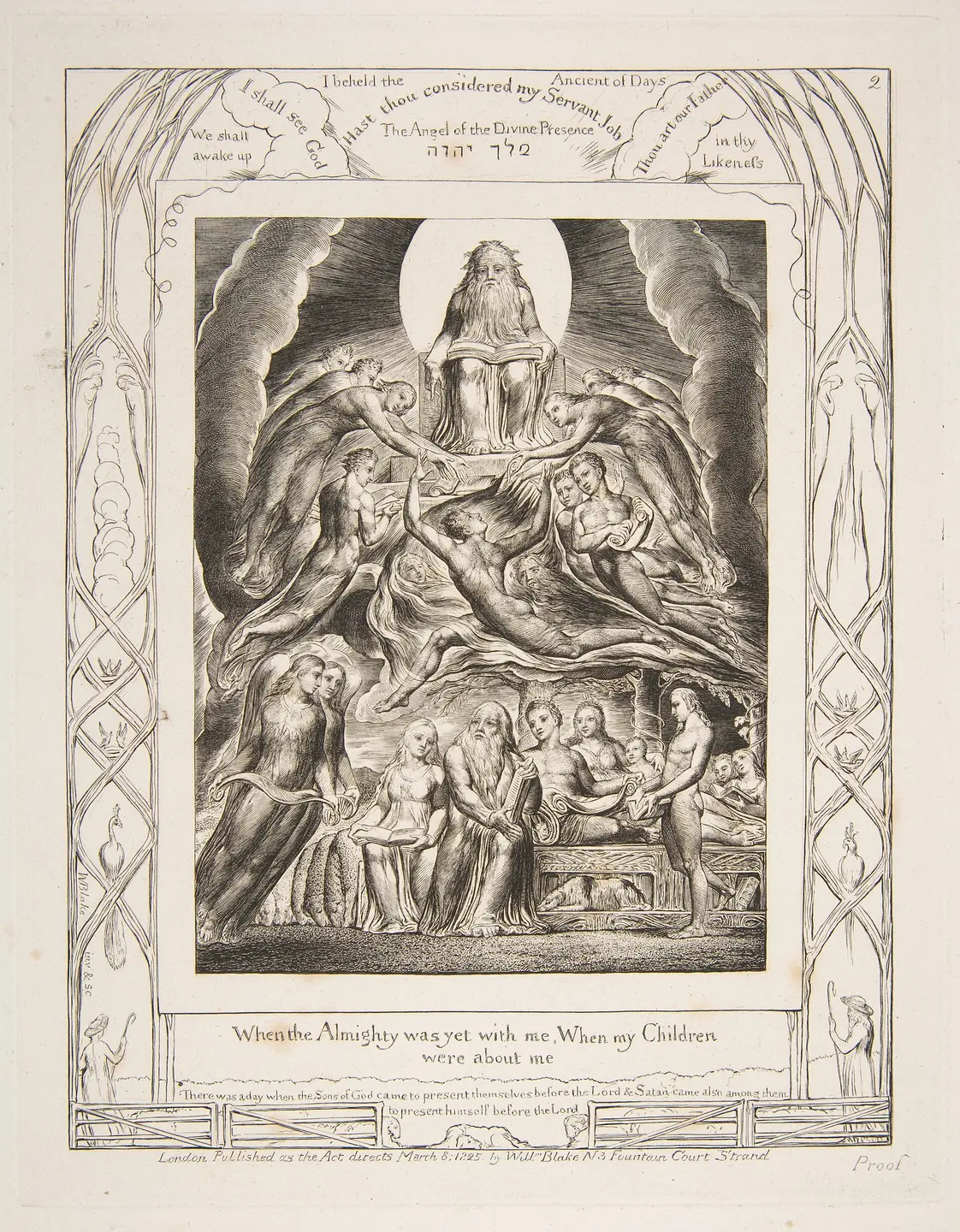
Job 1–2 presents Satan in a heavenly assembly and in a dispute about Job’s righteousness. The passage should be read before later accounts of Satan’s origins are supplied.
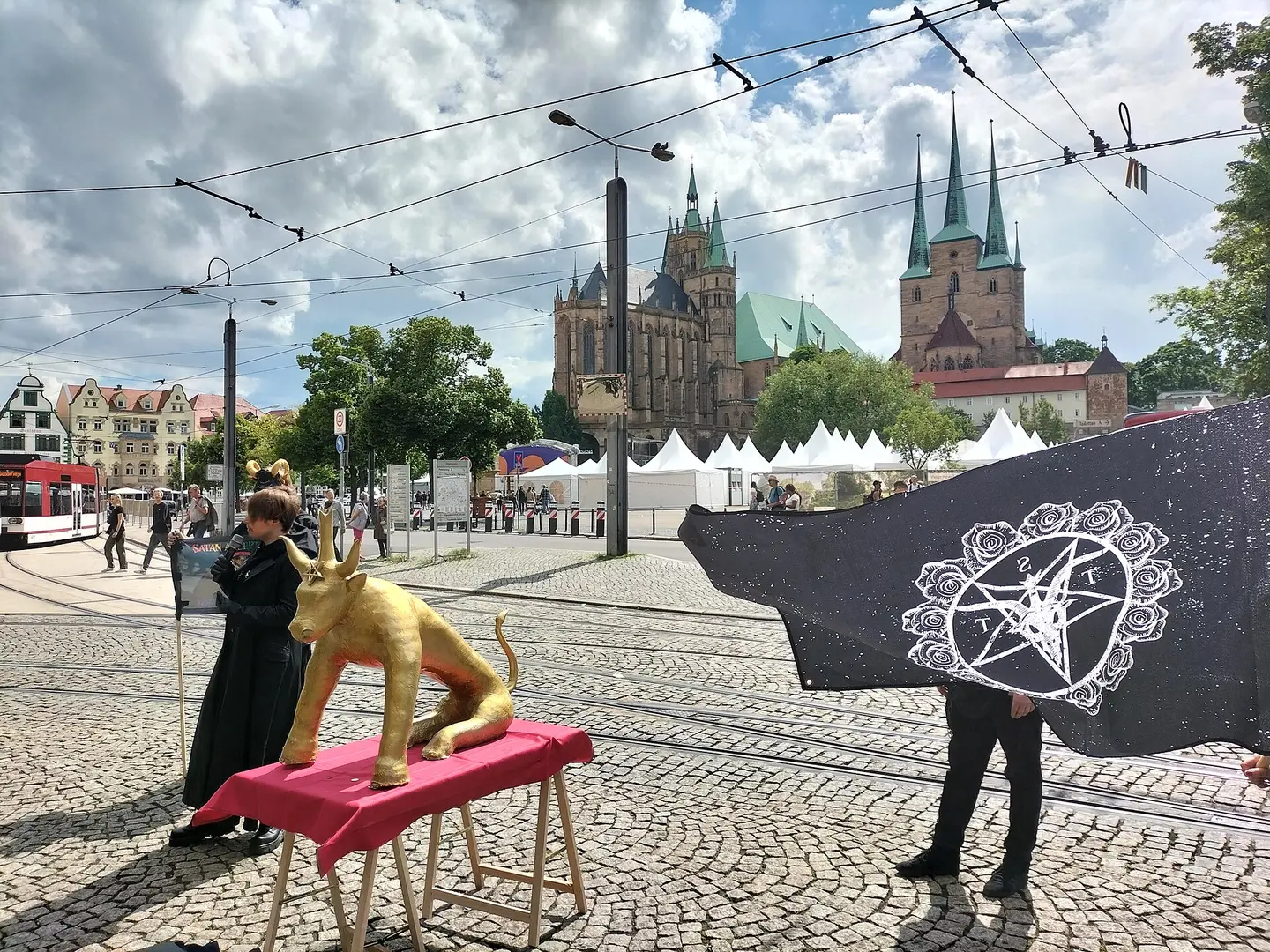
The Satanic Temple is a non-theistic religious organization whose public principles and activism differ from those of the Church of Satan and from theistic Satanist devotion.
Primary sources provide direct evidence for a text, community, or historical setting. Reading them well requires context, precise citations, and comparison with other evidence.

The life and writings of David Myatt, covering his extremist activism, later philosophy, and disputed identification as Anton Long.
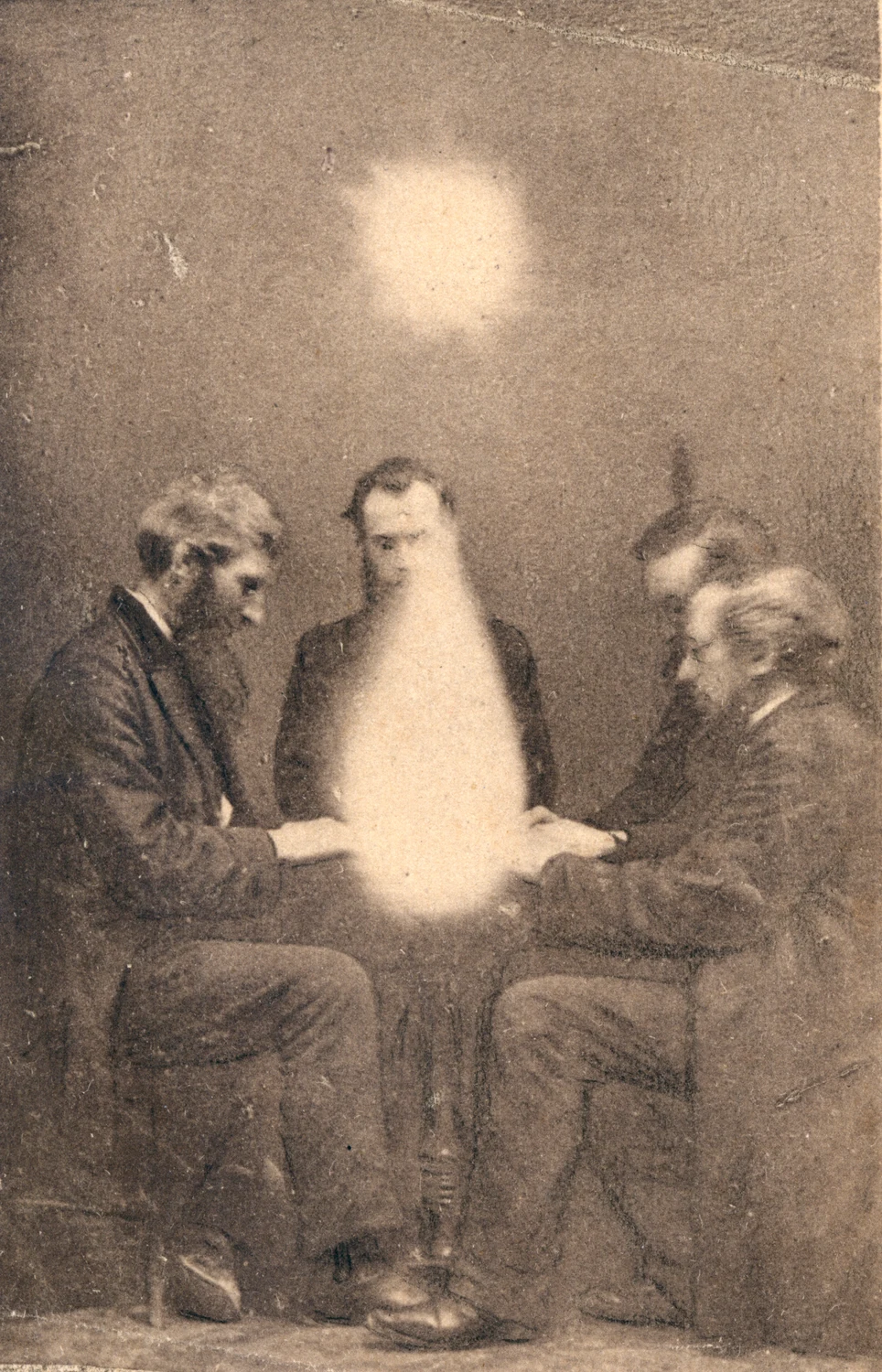
A religious movement centered on mediumship and continued personal identity after death, with church teachings and spirit photography.
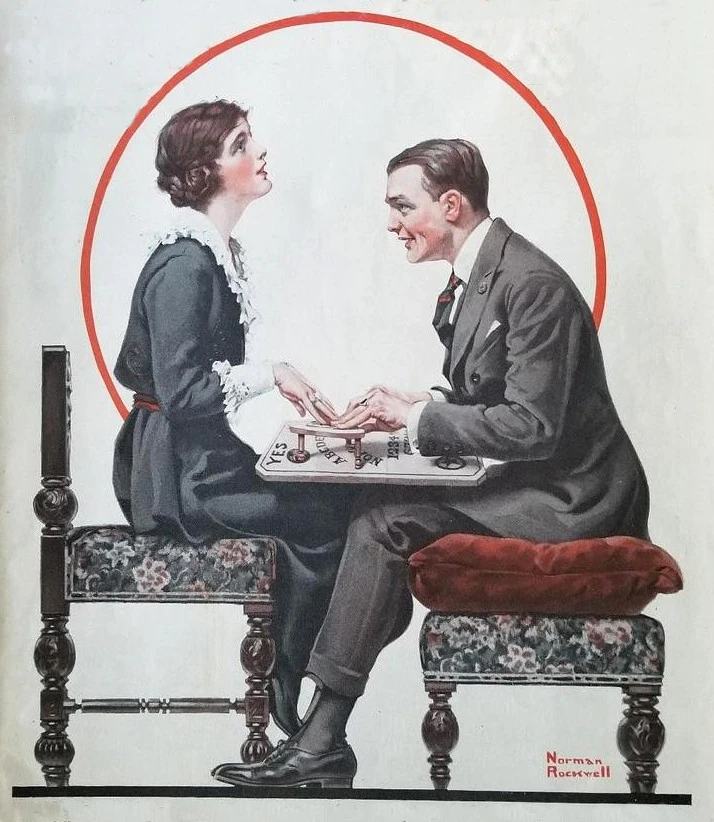
The patented talking-board game, its pointer and commercial history, and research on ideomotor movement and implicit memory.
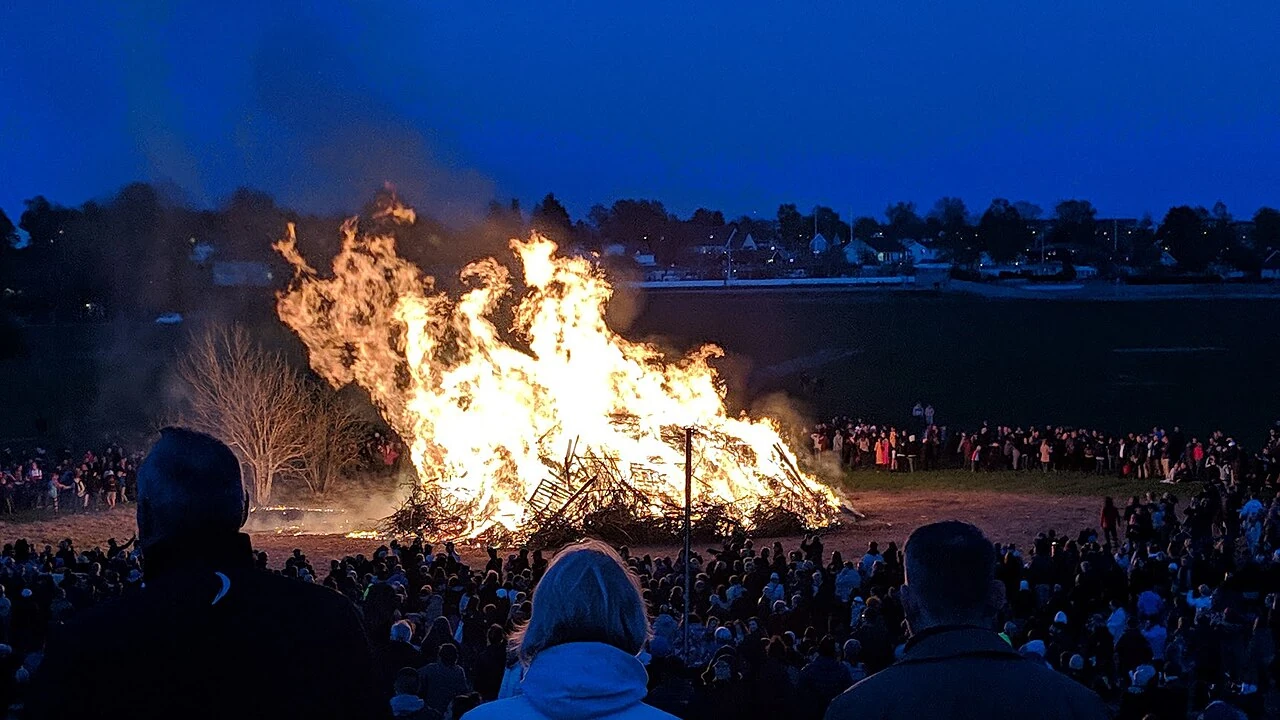
The different holiday calendars published by the Church of Satan and The Satanic Temple, with dates and organizational meanings.
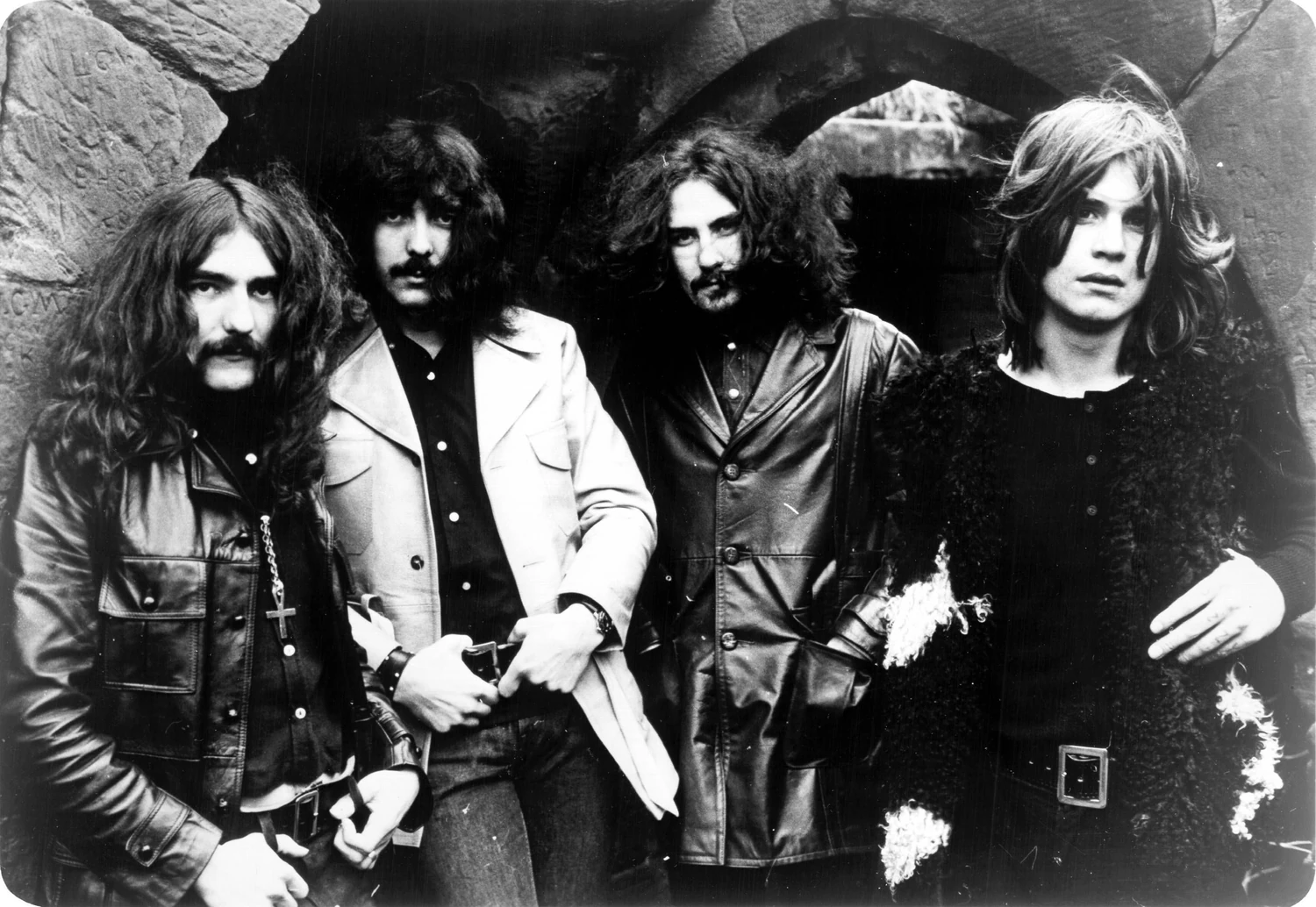
How Black Sabbath and Venom used dark or Satanic imagery, and why a song, stage character, and religious affiliation are different evidence.
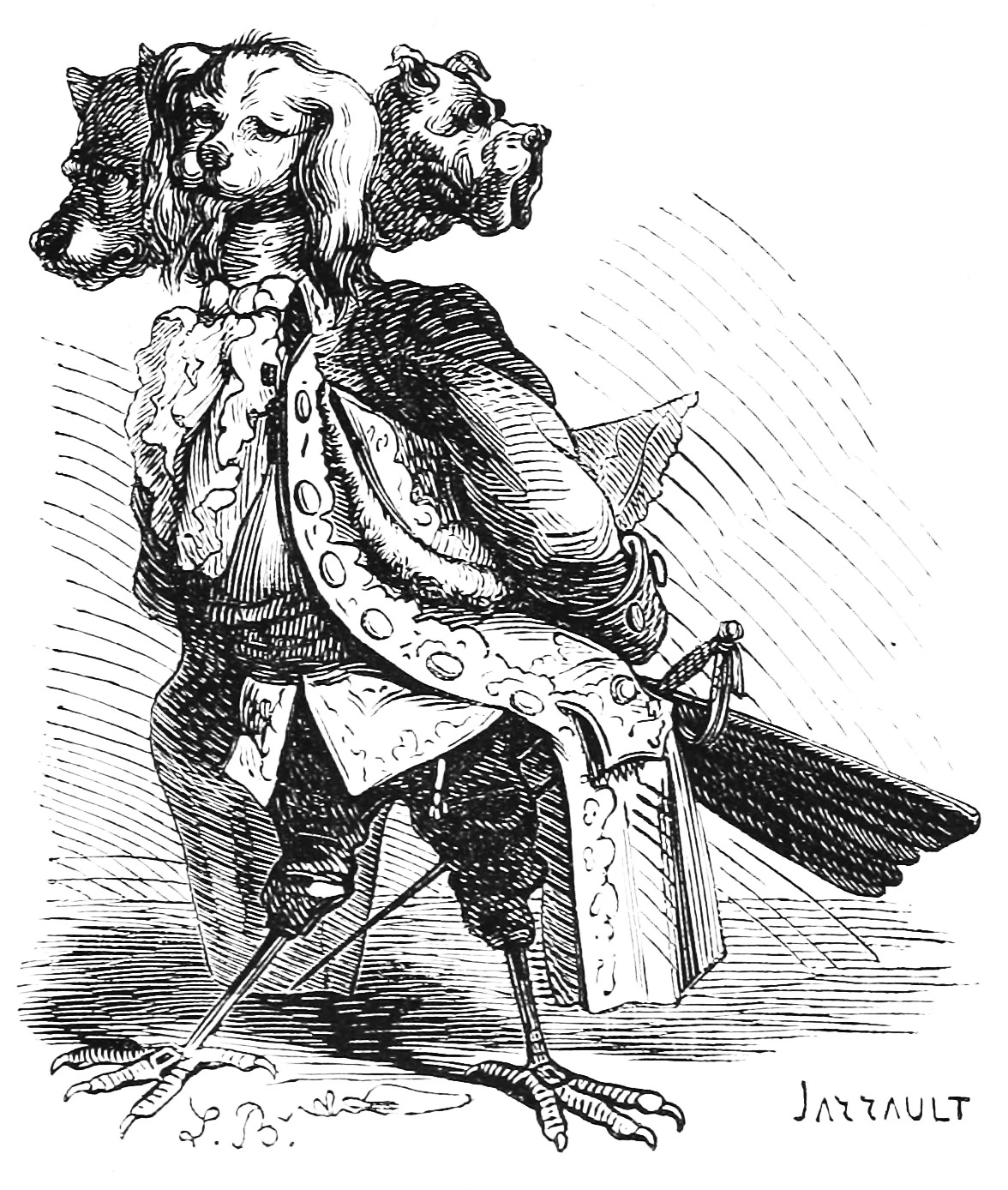
A Goetic marquis associated with rhetoric and the restoration of lost honors.
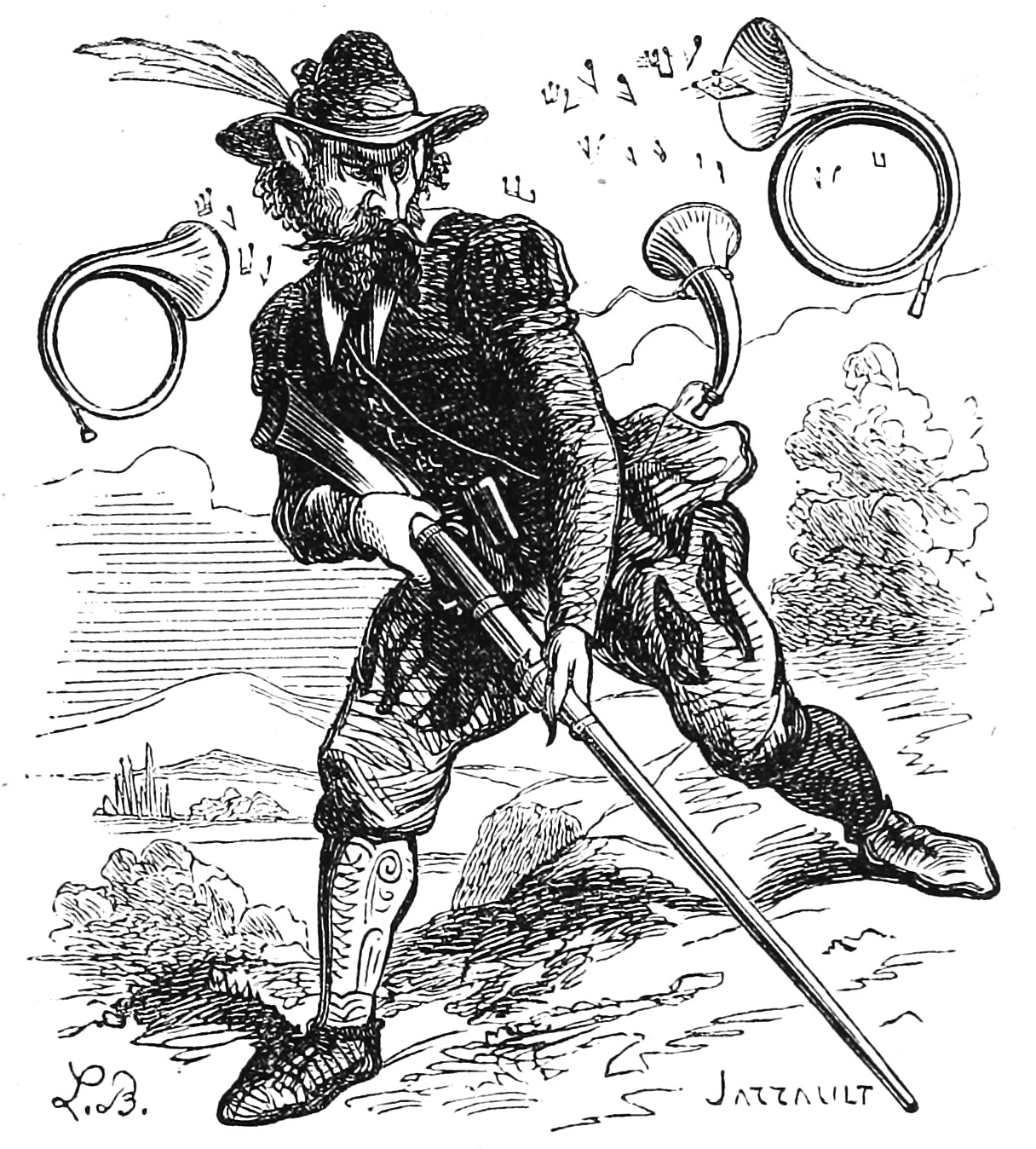
A Goetic duke connected with the speech of animals, enchanted treasure, and reconciliation.
A Goetic king riding a pale horse, associated with desire and an elaborate ceremonial reception.
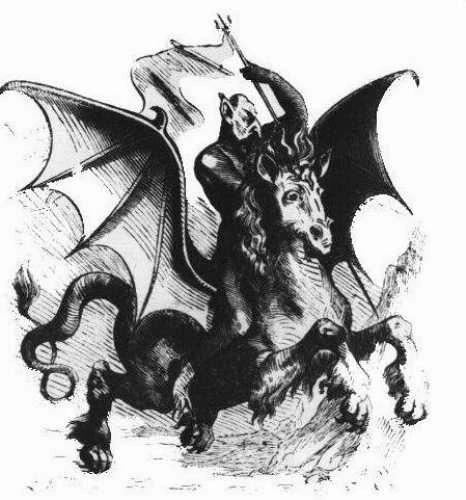
A Goetic duke depicted as a knight, associated with hidden matters, battles, and favor from powerful people.
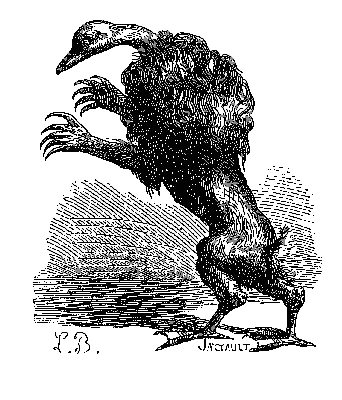
A Goetic spirit with an angelic body, lion head, goose foot, and hare tail, associated with knowledge and boldness.
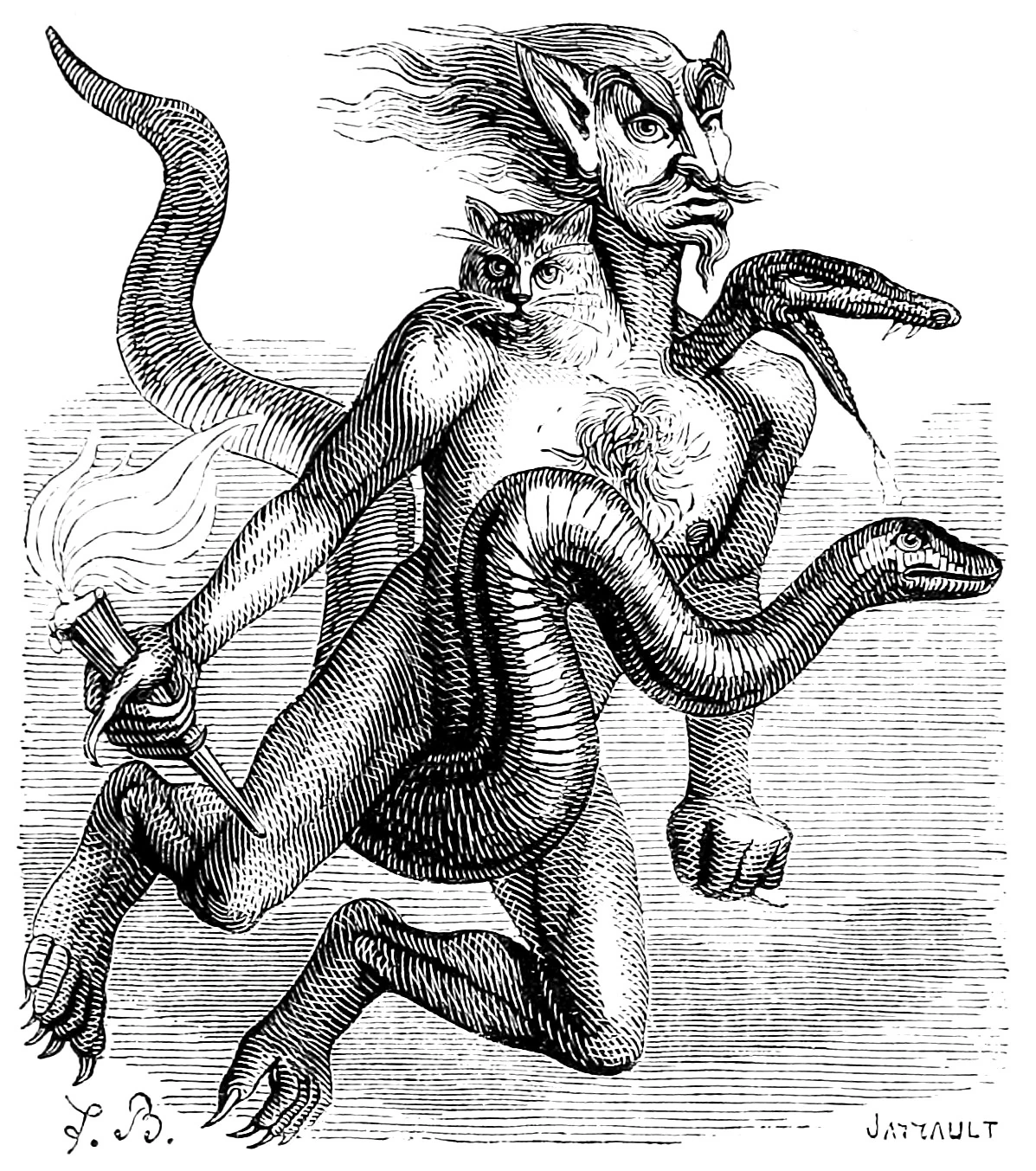
A Goetic duke with three heads, a serpent mount, and a firebrand, associated with fire and private questions.
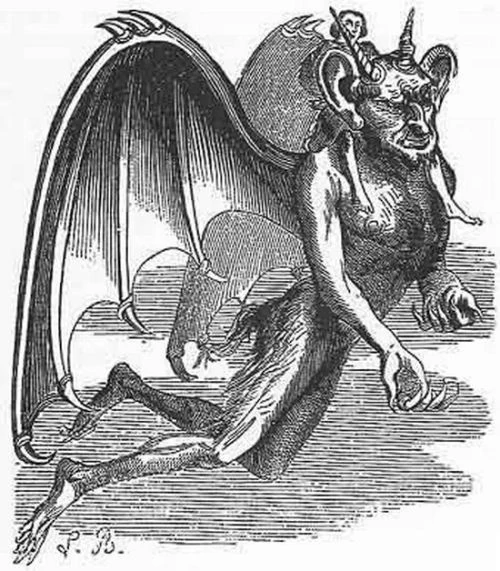
A Goetic spirit associated with learning, altered perception, familiars, and rapid travel.
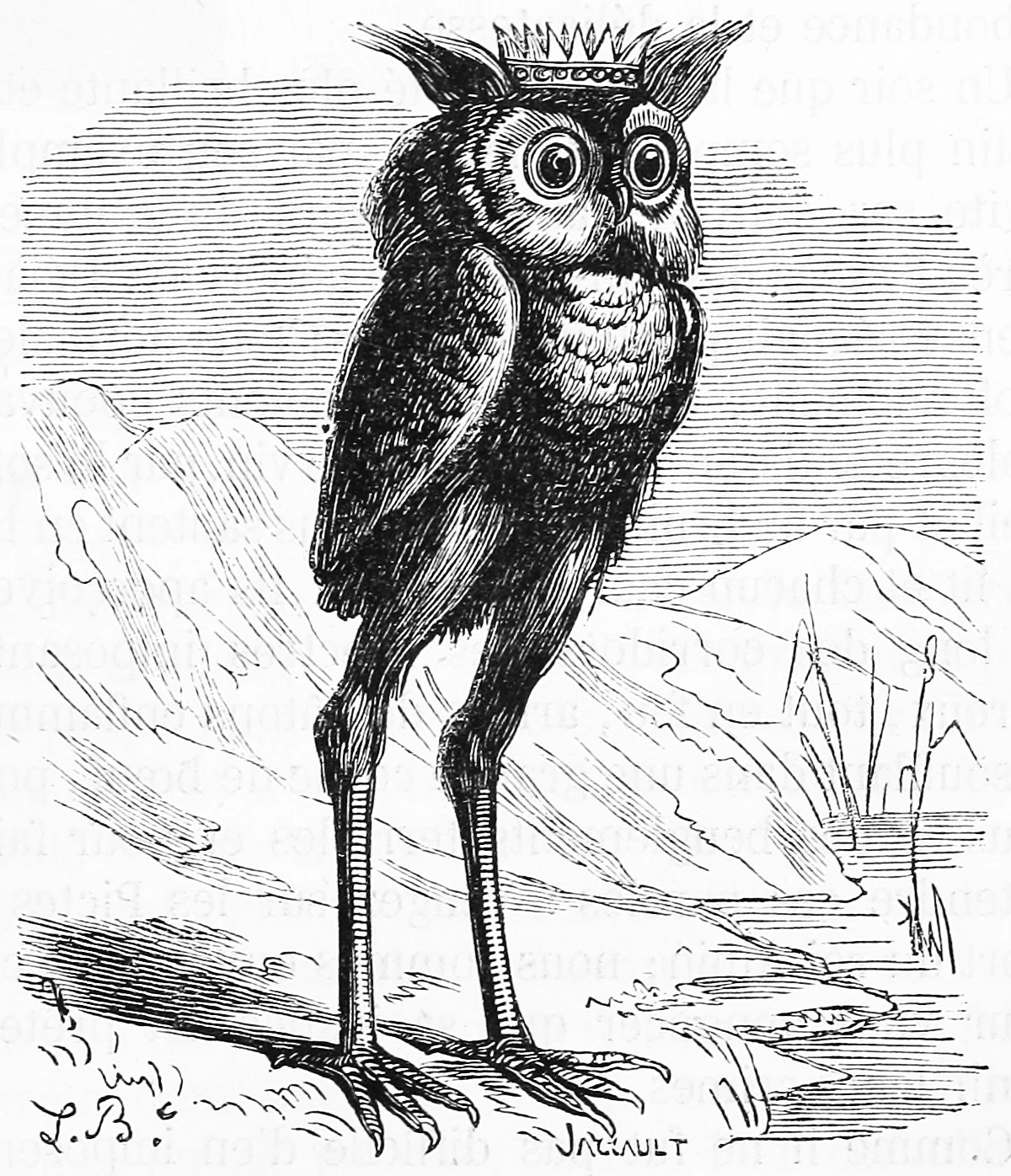
A Goetic prince associated with astronomy, herbs, and precious stones, with changing bird imagery in later reception.
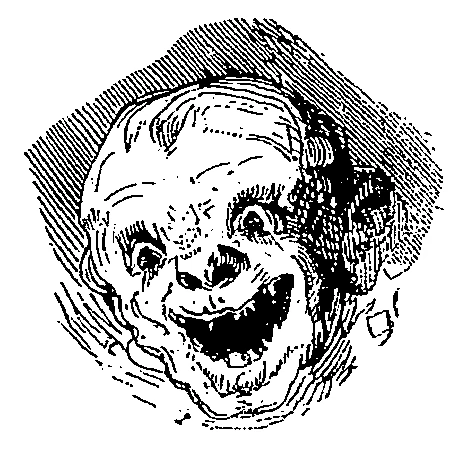
A Goetic earl associated with learned subjects, burial places, and lights at graves.
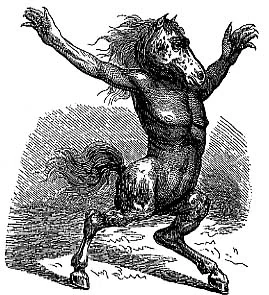
A Goetic prince portrayed as a horse and then a human, noted for the fidelity attributed to him.
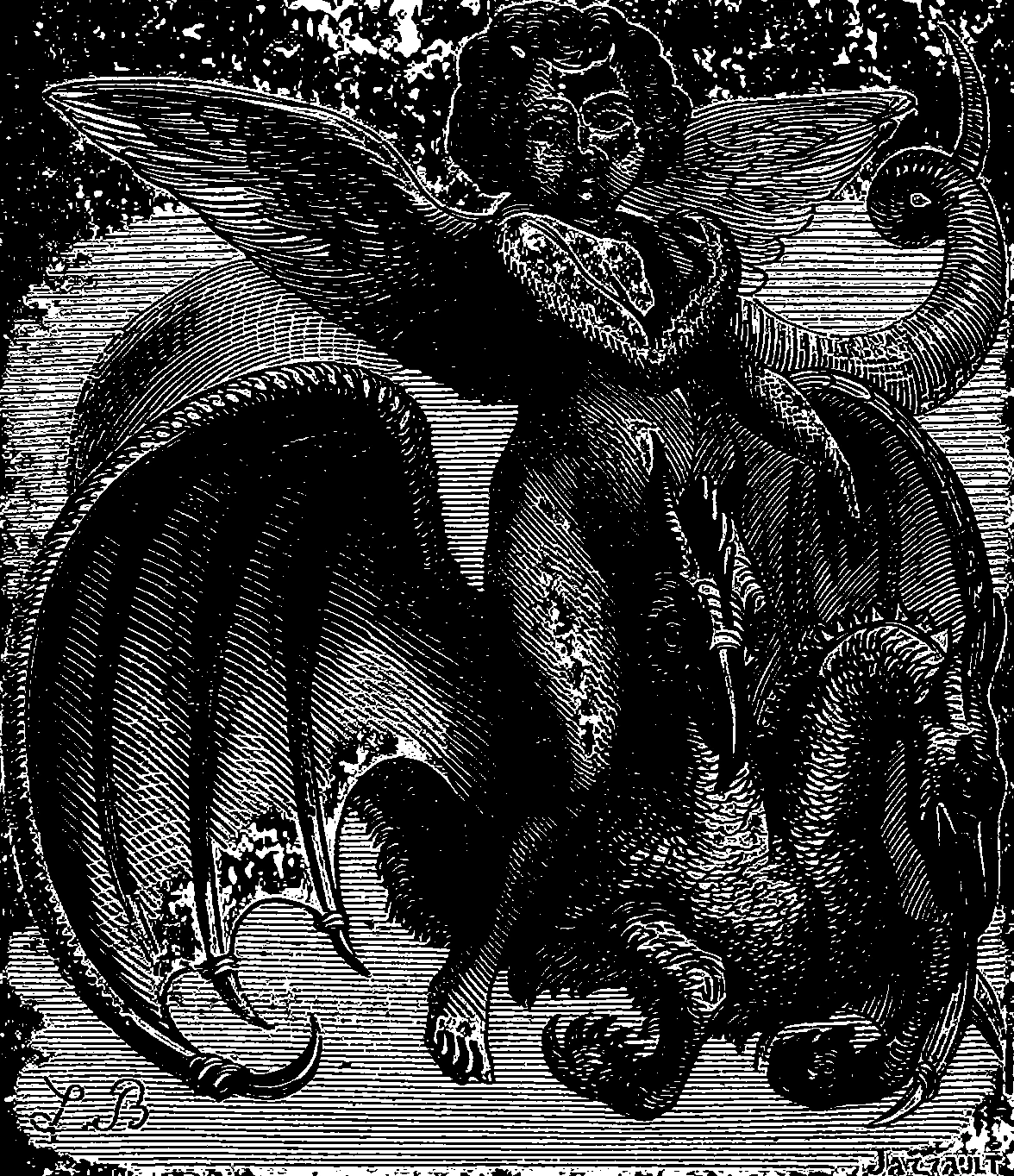
A Goetic president described as a winged boy on a two-headed dragon, associated with treasure and serpents.