Demonology & Spirits
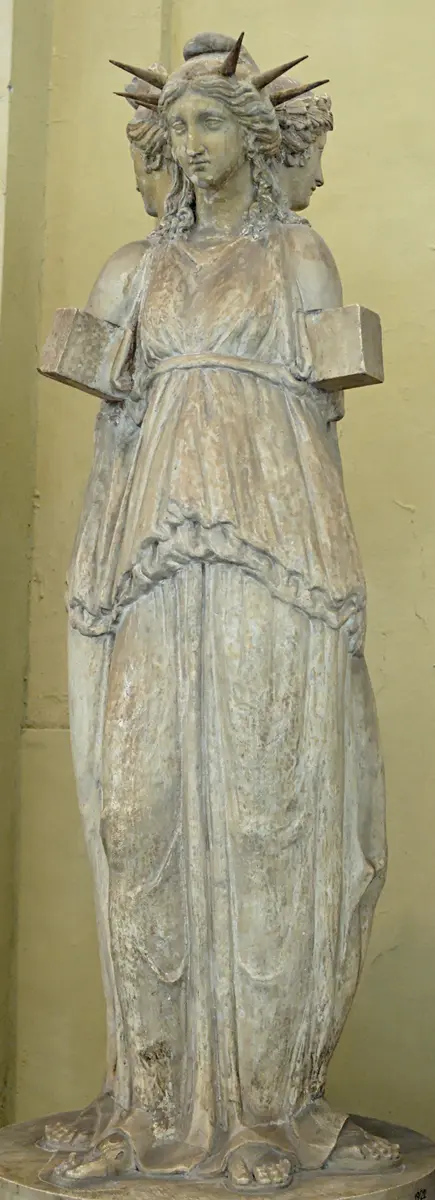
Hekate
A Greek goddess with broad early powers and later associations with crossroads, spirits, and magic.
A Greek goddess with broad early powers and later associations with crossroads, spirits, and magic.
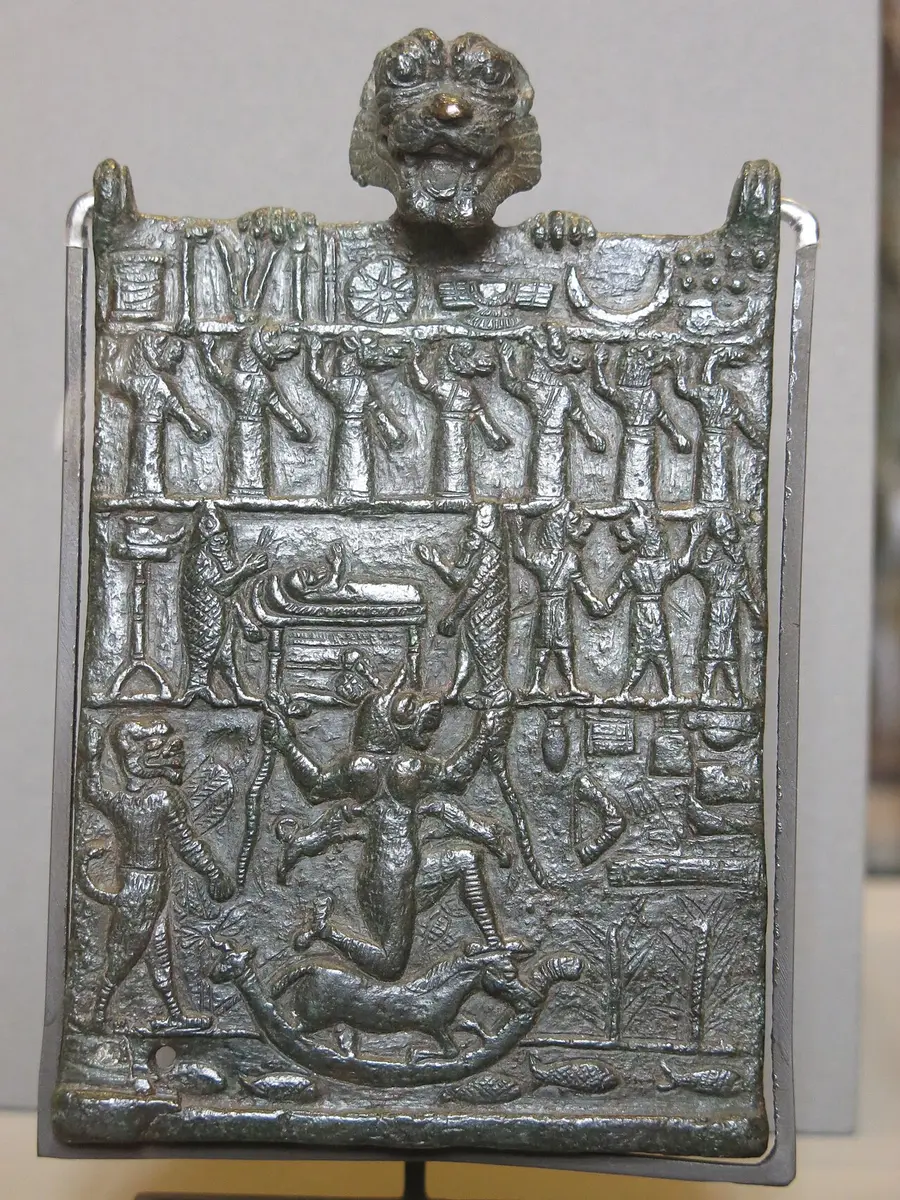
A Mesopotamian harmful female power represented on amulets and plaques intended to repel her.
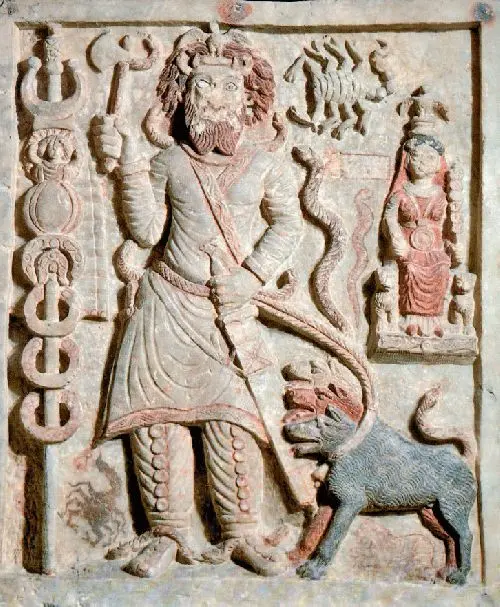
A Mesopotamian deity associated with death, war, disease, and the underworld.
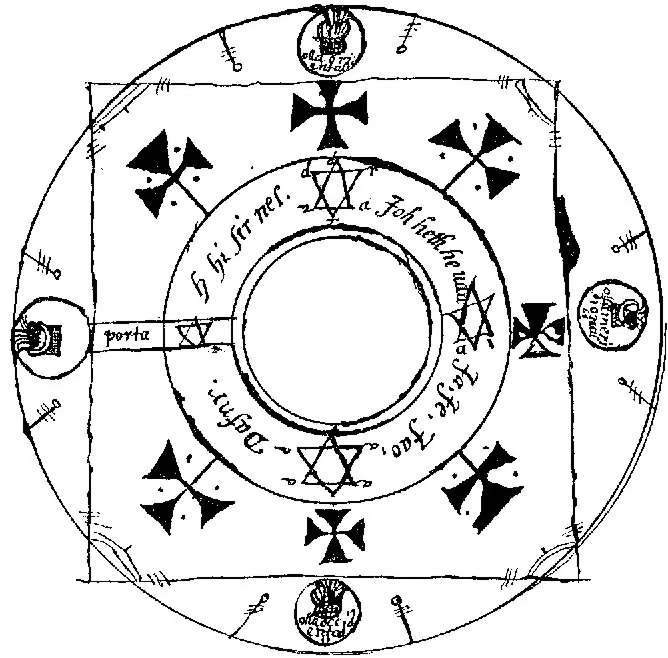
A marked ritual space whose names, divisions, and purpose differ among magical texts and modern traditions.
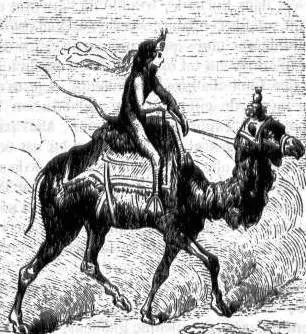
Paimon is a royal spirit described in the Ars Goetia and related literature. Musical procession and the teaching of knowledge are important elements of his received image.
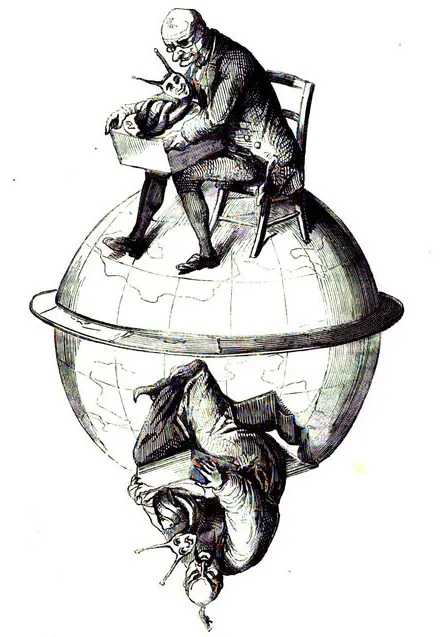
Collin de Plancy’s Dictionnaire infernal gathered supernatural traditions in a dictionary format. Its 1863 entries and illustrations remain influential in modern depictions of spirits.
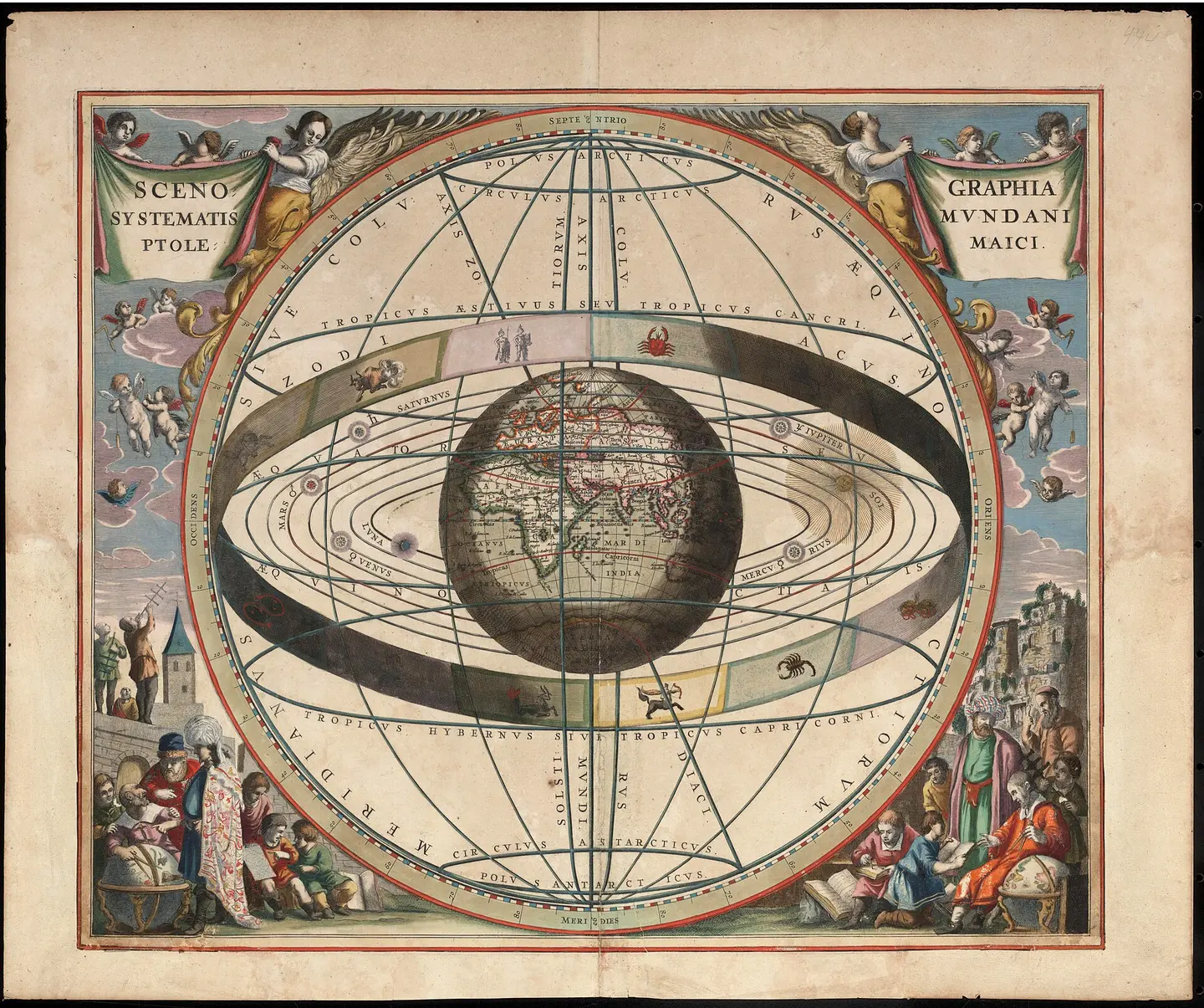
Astrology has supplied language and organizing systems to Western esoteric texts. Its historical role should be distinguished from demonstrated predictive effectiveness.
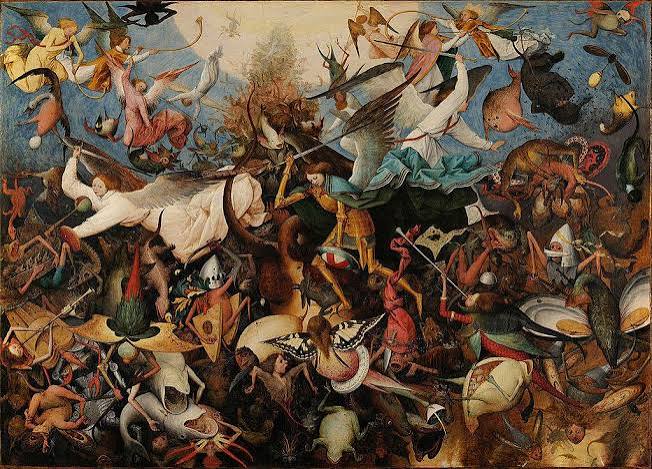
Fallen angels are heavenly beings portrayed as losing their place or proper condition through transgression. Enochic descent, Satan’s refusal to honor Adam, and the war in Revelation are distinct accounts that later interpretation can bring together.
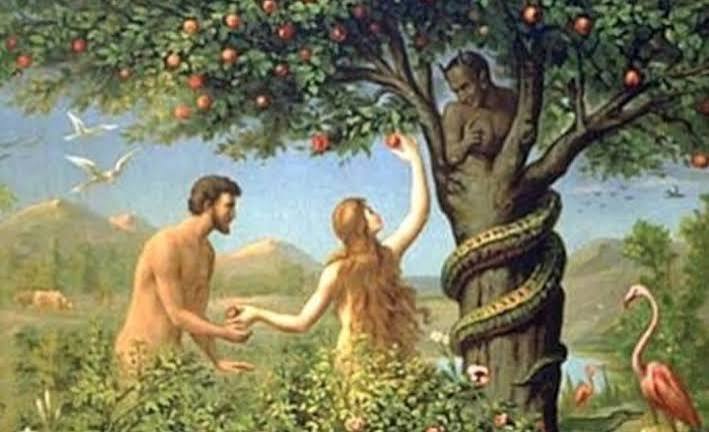
The serpent in Genesis 3 persuades the woman to eat from the tree of knowledge. The chapter does not name Satan. Later texts and interpretations connect the serpent with the Devil, adding to the history of the Eden story.
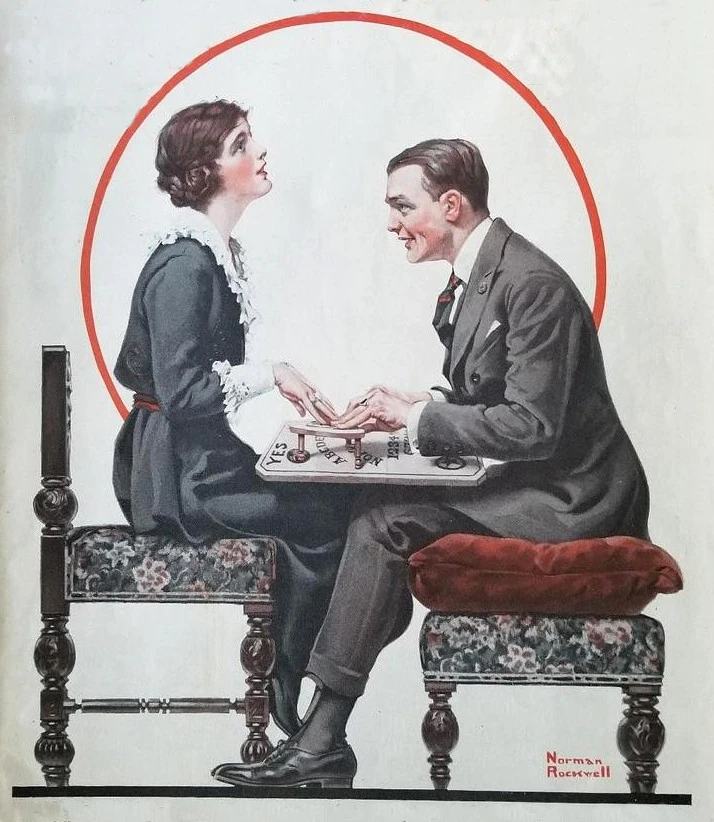
The patented talking-board game, its pointer and commercial history, and research on ideomotor movement and implicit memory.
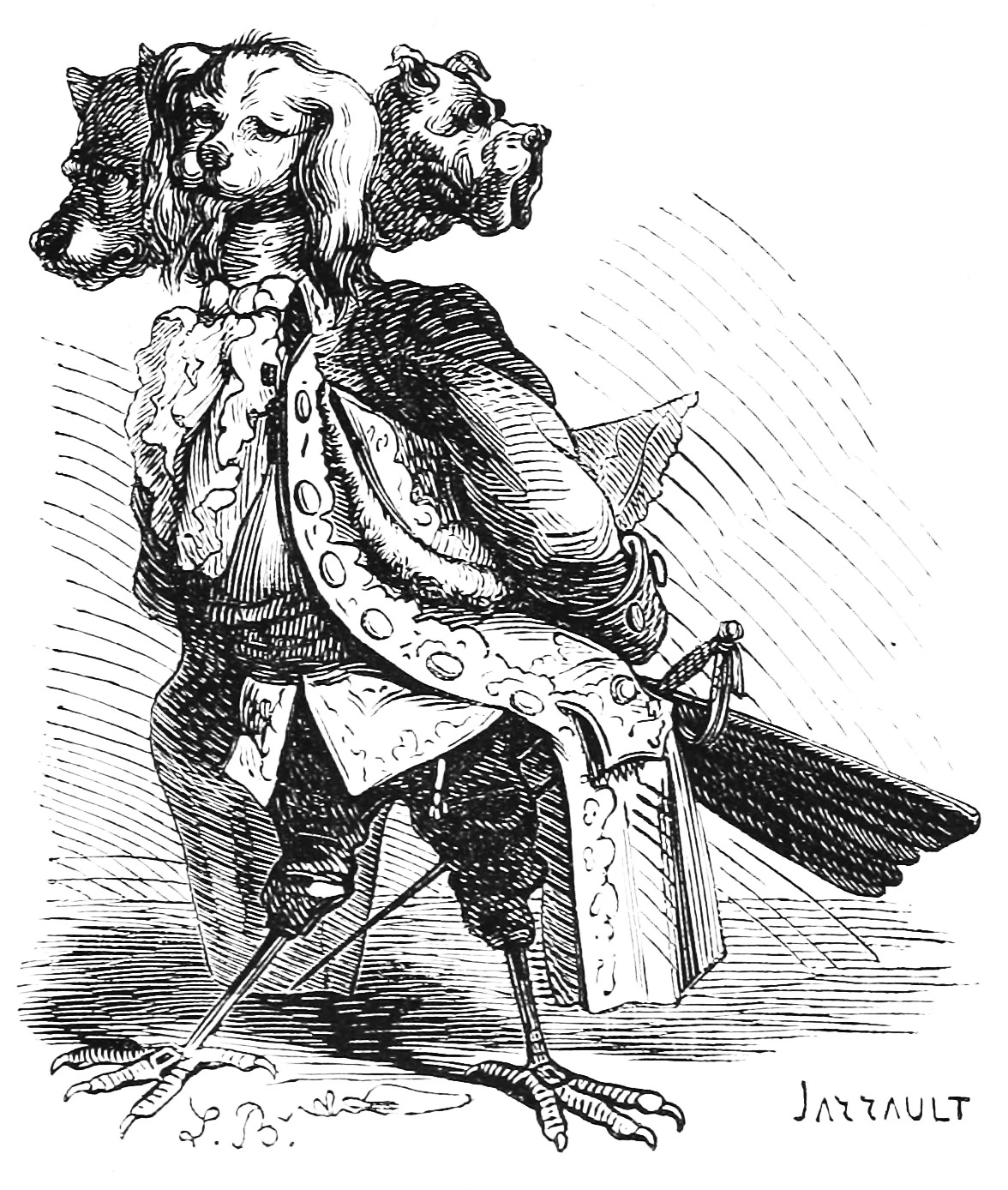
A Goetic marquis associated with rhetoric and the restoration of lost honors.
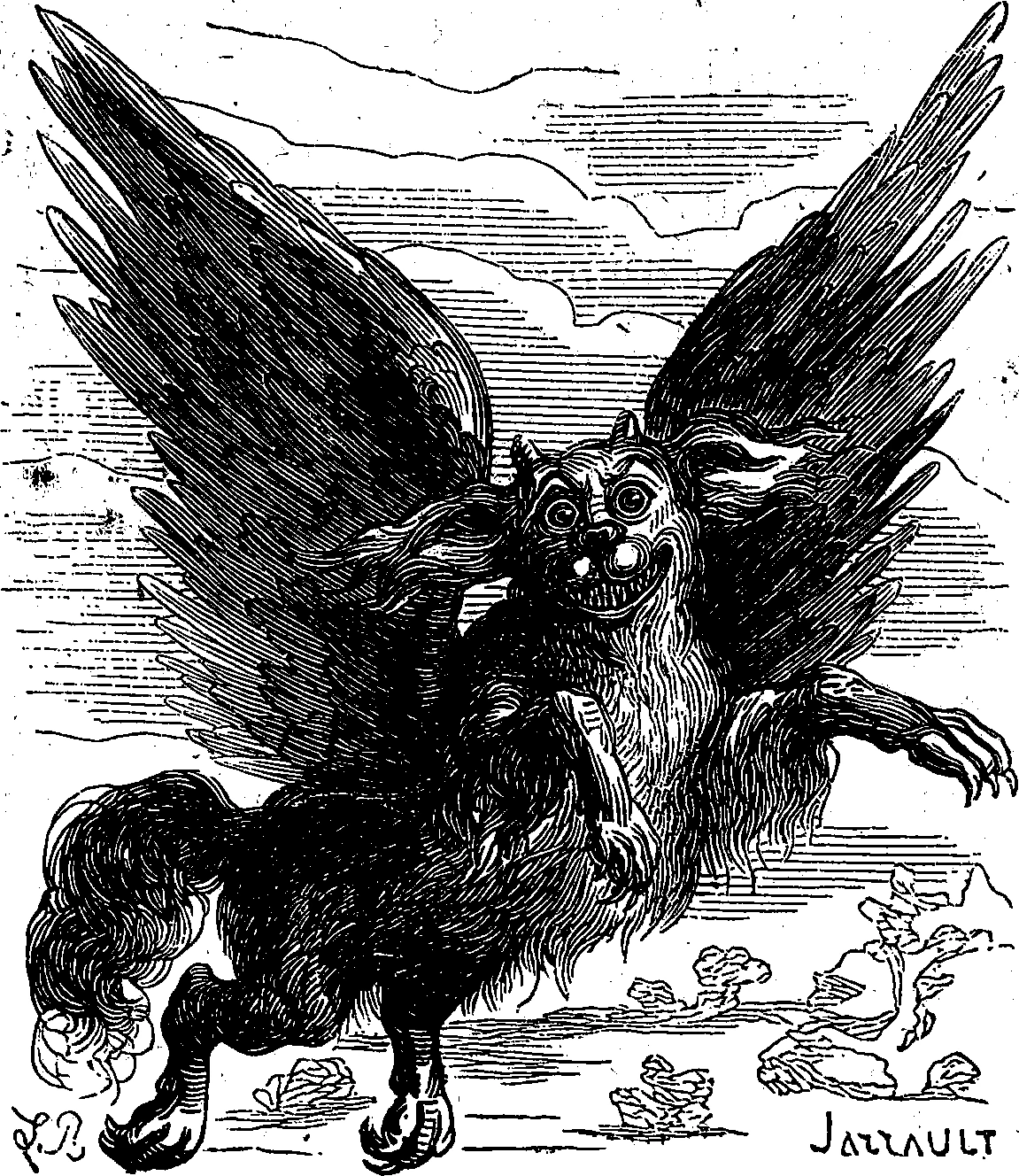
A Goetic spirit combining learned offices with a violent reputation and a winged dog form.
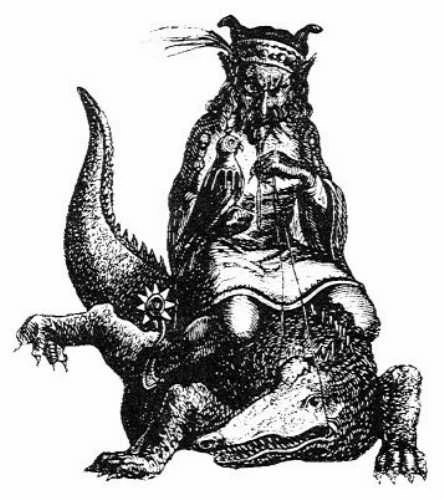
The second Goetic spirit, described as an elderly rider with a crocodile and a goshawk.
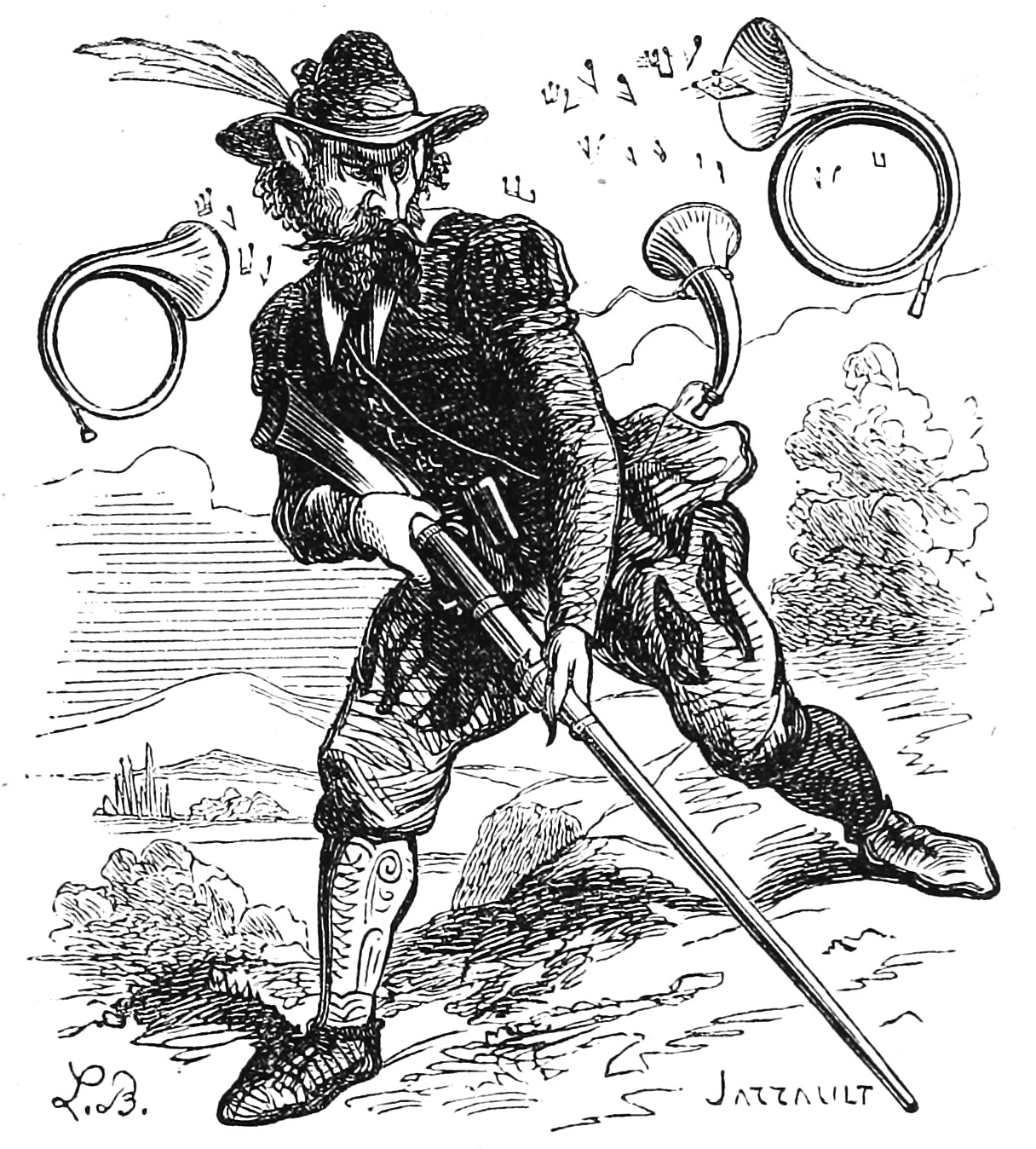
A Goetic duke connected with the speech of animals, enchanted treasure, and reconciliation.
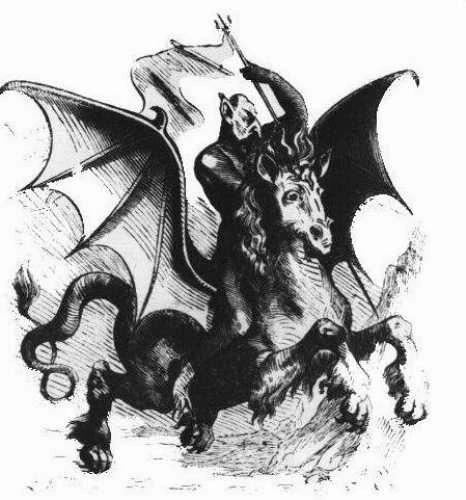
A Goetic duke depicted as a knight, associated with hidden matters, battles, and favor from powerful people.
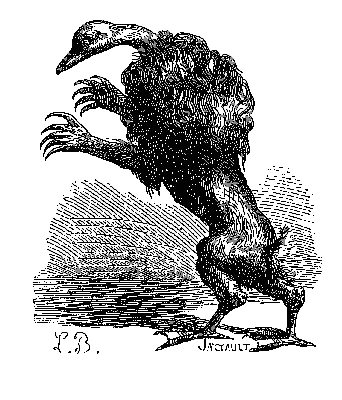
A Goetic spirit with an angelic body, lion head, goose foot, and hare tail, associated with knowledge and boldness.
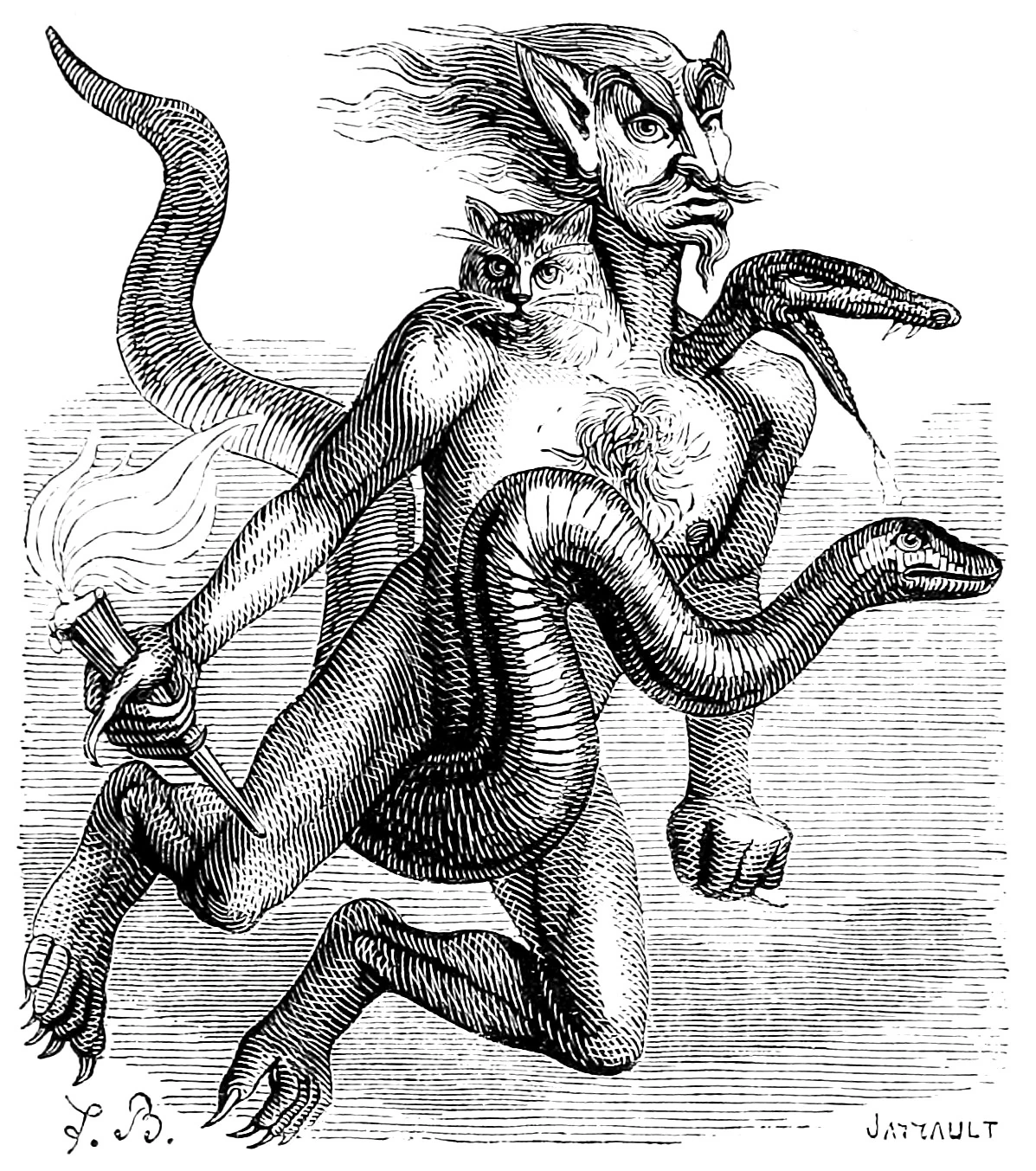
A Goetic duke with three heads, a serpent mount, and a firebrand, associated with fire and private questions.
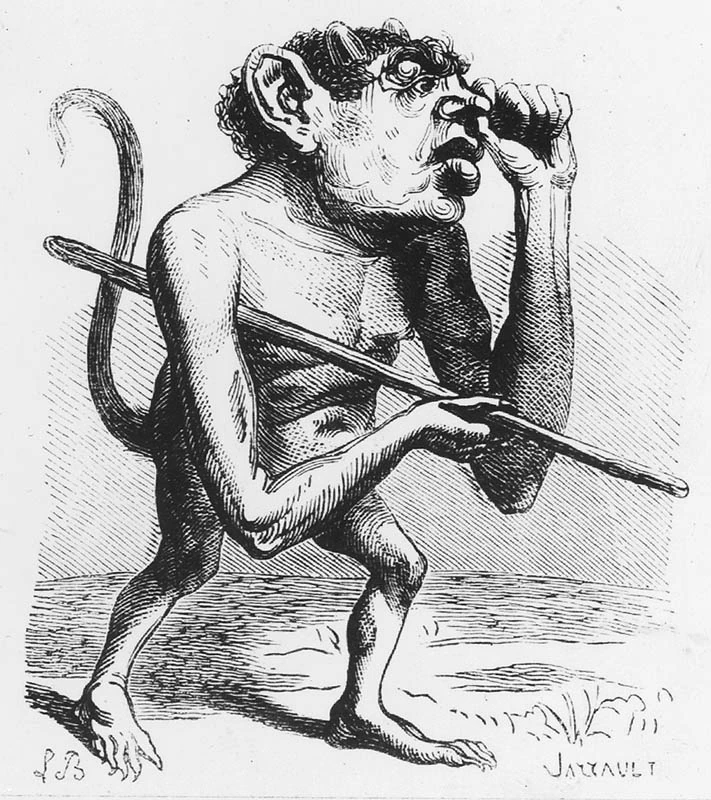
A Goetic spirit associated with rhetoric, languages, servants, and social favor.
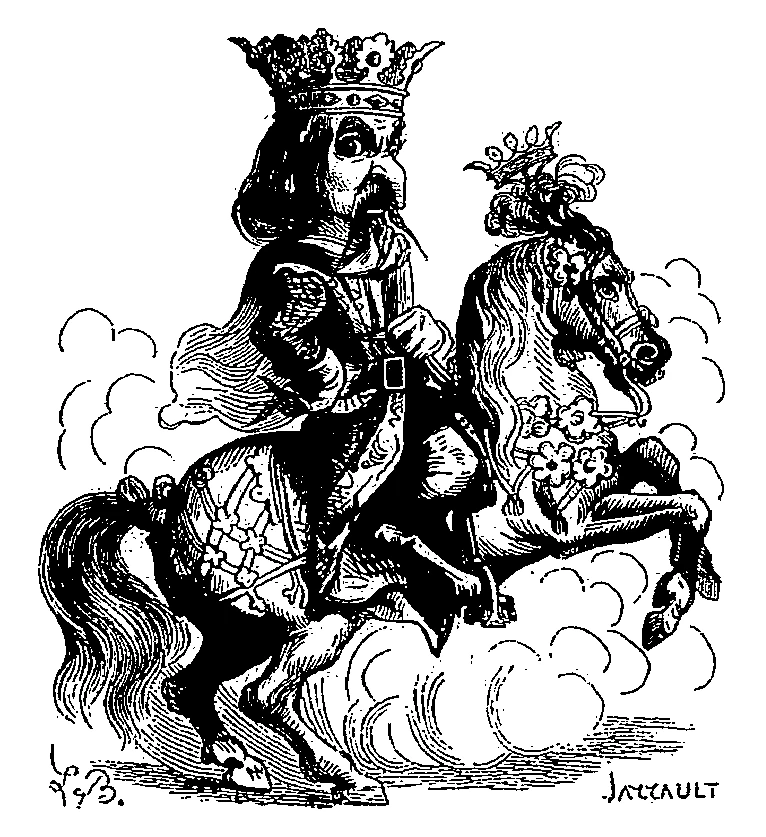
A Goetic duke riding a red horse, credited with knowledge, honors, and the transformation of metals.
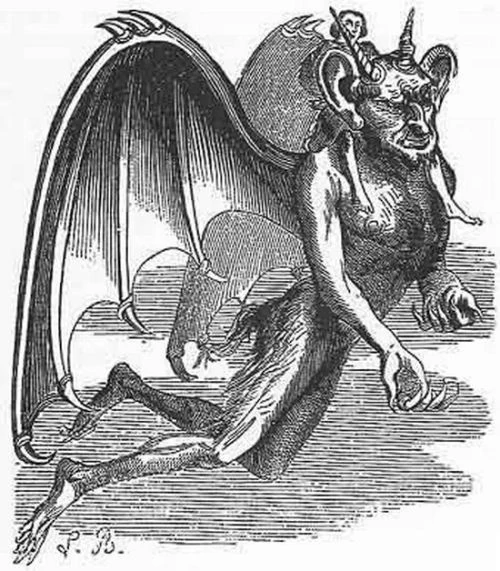
A Goetic spirit associated with learning, altered perception, familiars, and rapid travel.