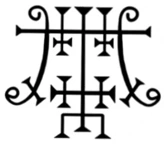
Demonology & Spirits
Foras
A Goetic president associated with logic, ethics, plants, stones, longevity, and lost things.
A Goetic president associated with logic, ethics, plants, stones, longevity, and lost things.
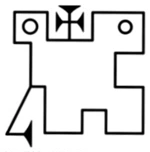
A Goetic earl associated with fortification and military supply, often confused with Malphas.

A Goetic earl associated with royal treasure, the destruction of cities, and altered relationships.
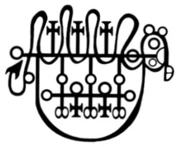
A Goetic duke portrayed as a mermaid, associated with ships, storms, and afflicted wounds.
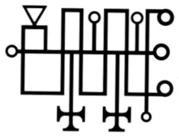
A Goetic president with a winged bull form, associated with wisdom and the transformation of substances.
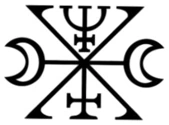
A Goetic spirit associated with philosophy and the compelled appearance of deceased souls.

A Goetic president associated with learned subjects and transformations that alter a person's understanding of identity.

A mounted Goetic marquis whose office includes the stars, planetary mansions, and social dignities.

A winged lion-shaped Goetic duke associated with crafts, philosophy, and learned subjects.
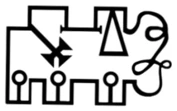
A mounted Goetic marquis associated with grammar, rhetoric, logic, and hidden treasure.
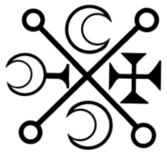
A Goetic marquis appearing as a star, associated with plants, stones, and bird-like apparitions.

A Goetic prince riding a winged horse, associated with rapid movement and the recovery of hidden things.
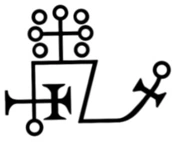
A many-faced Goetic duke carrying a book, associated with thoughts, knowledge, and visions of other people.
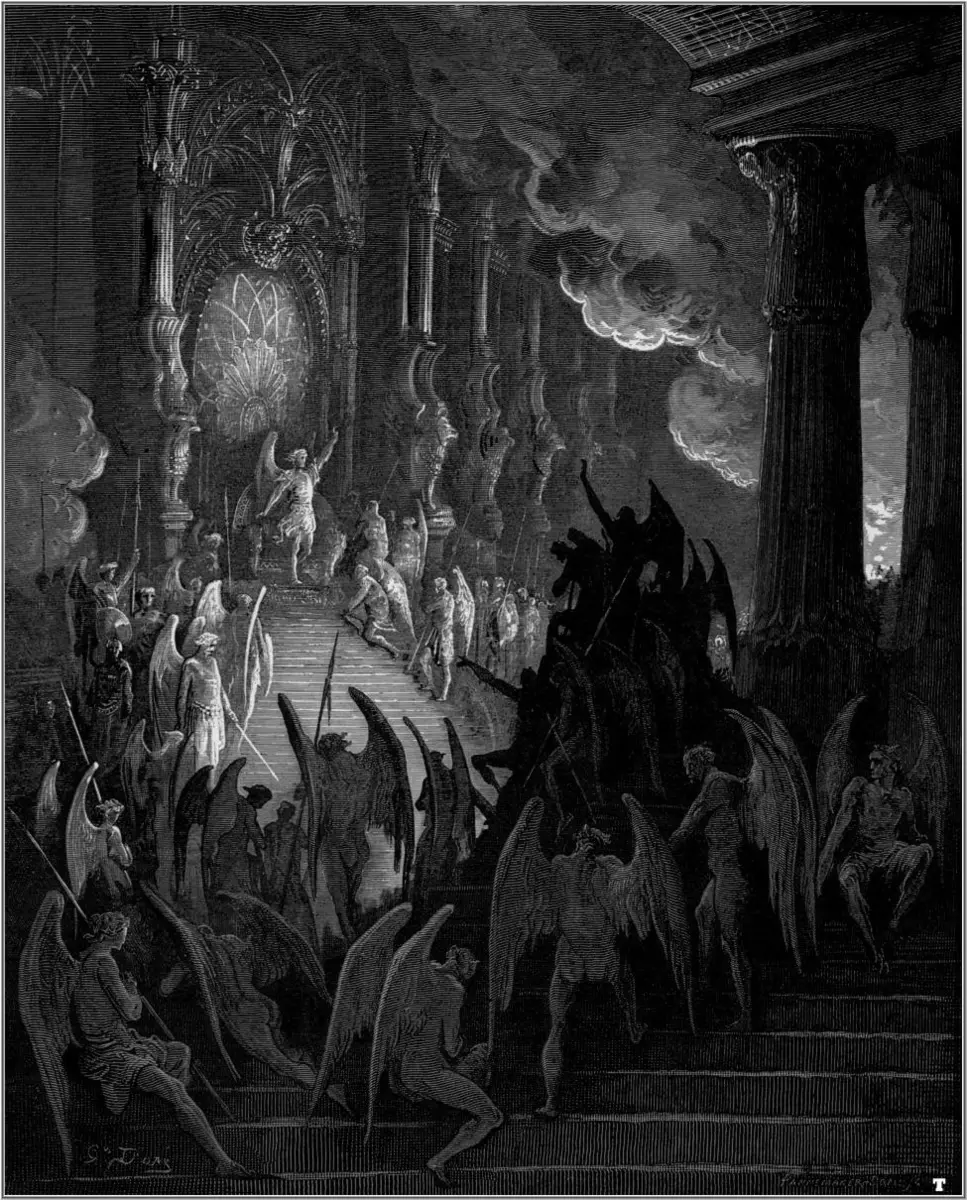
A nontheistic Satanic organization whose public principles emphasize self-determination, compassion, and responsibility.
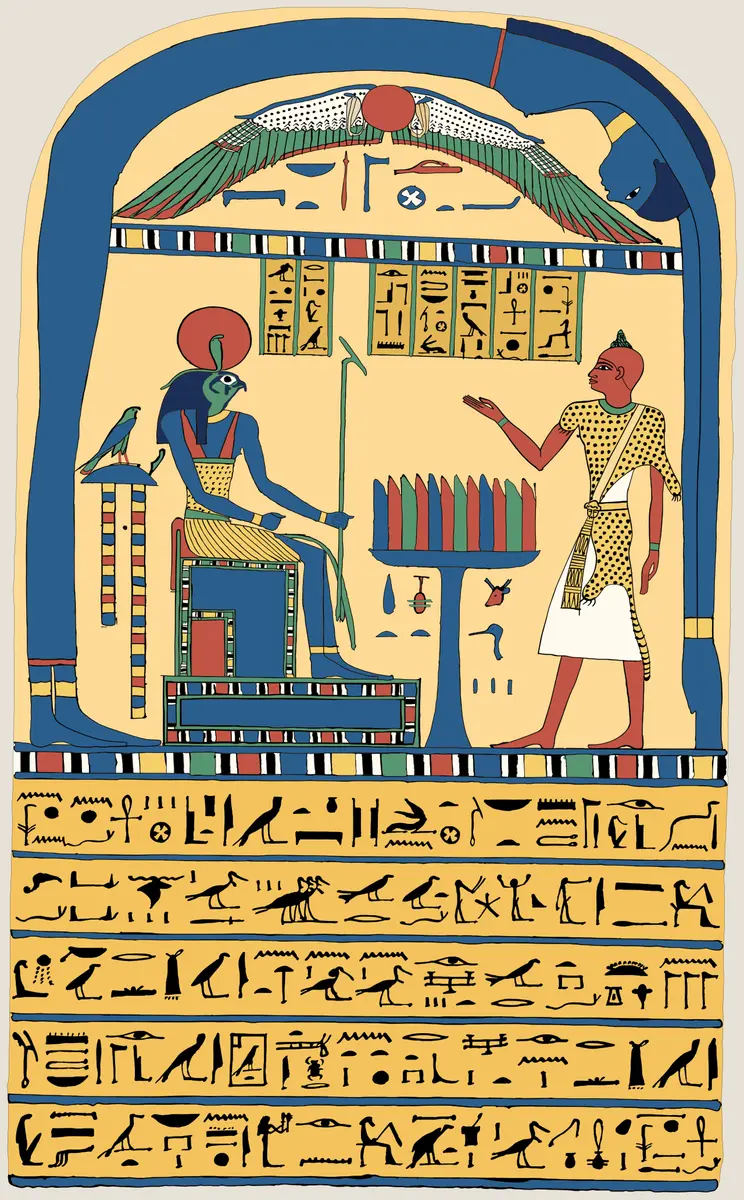
The religious and philosophical tradition associated with Aleister Crowley and The Book of the Law.
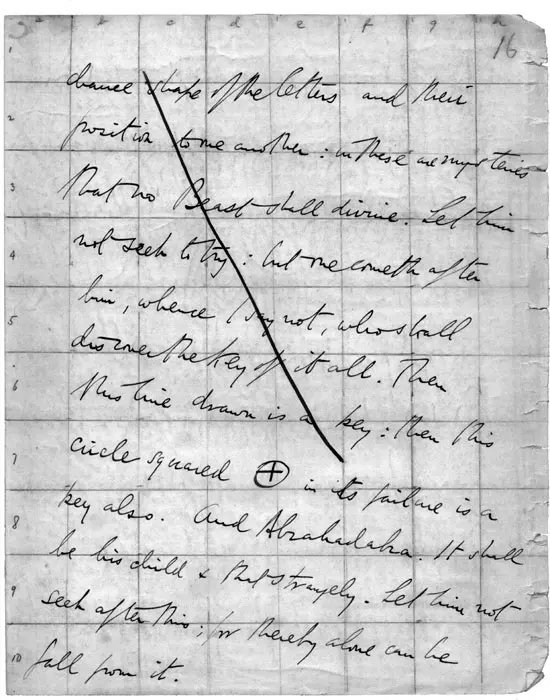
The three-chapter revelatory text at the center of Thelema, also titled Liber AL vel Legis.
The grimoire compilation known as the Lemegeton, including the Goetia and several angelic arts.
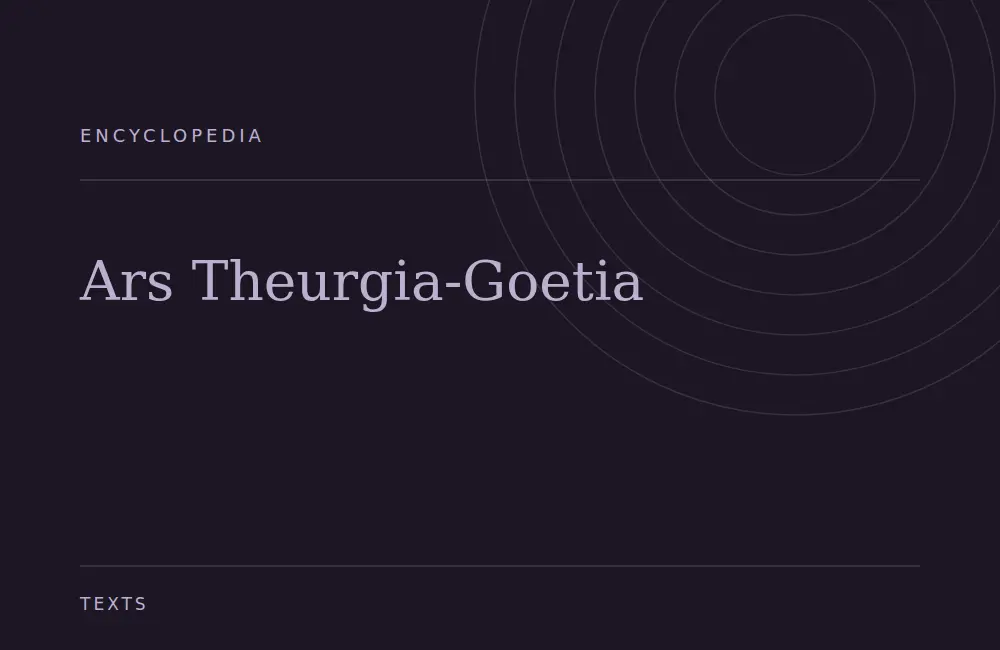
The second part of the Lemegeton, arranging aerial spirits through princes, directions, and wandering hierarchies.
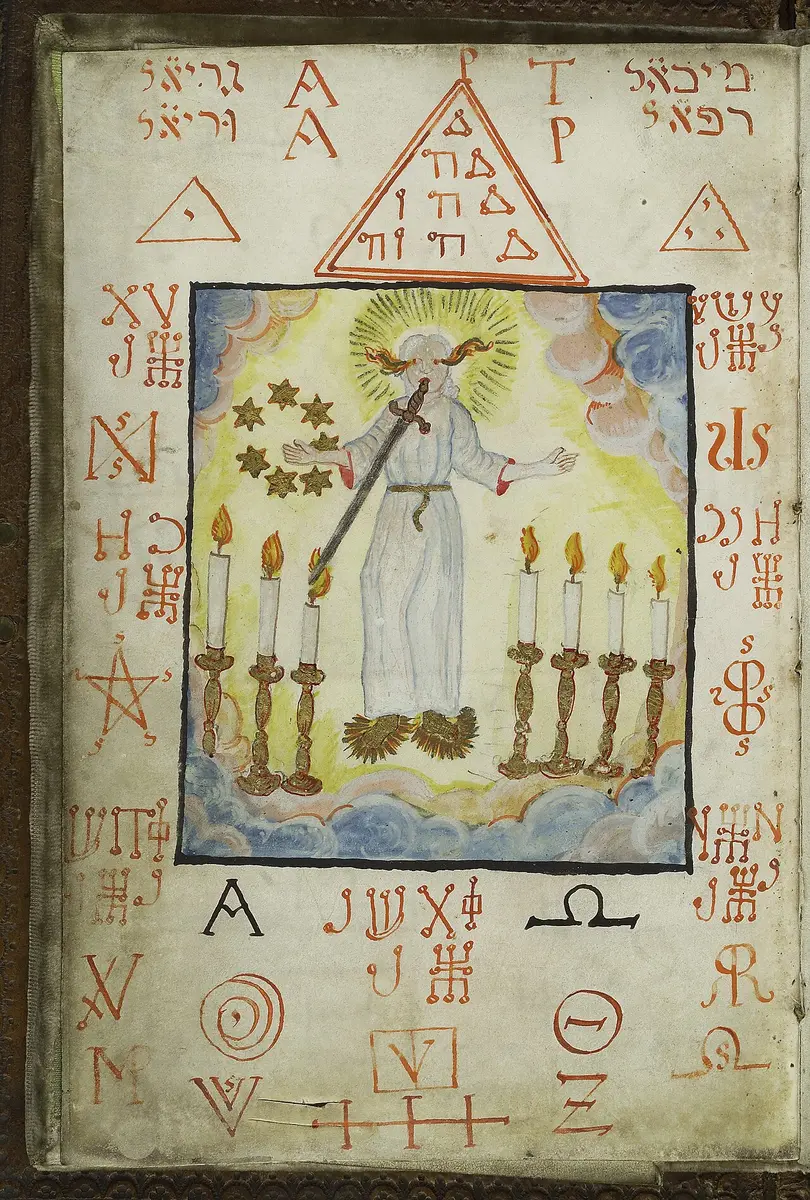
The Hebrew Enochic work associated with heavenly palaces and Enoch’s transformation into Metatron.
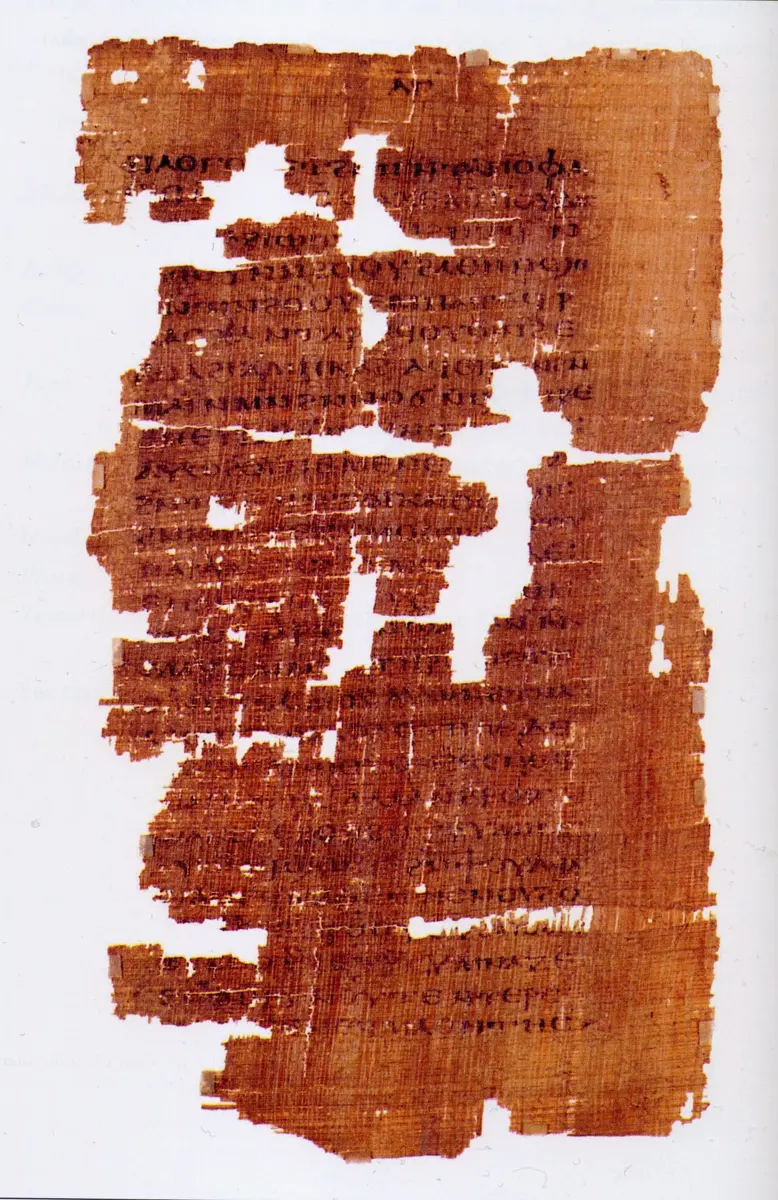
An early Christian revelation dialogue preserved in Coptic, known from the manuscript called Codex Tchacos.