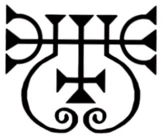
Demonology & Spirits
Zepar
A Goetic duke depicted as a red-clad soldier whose entry concerns attraction and fertility.
A Goetic duke depicted as a red-clad soldier whose entry concerns attraction and fertility.
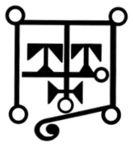
A Goetic spirit with the titles president and earl, associated with knowledge and reconciliation.
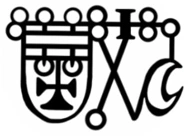
A Goetic duke associated with herbs, precious stones, and sudden travel between countries.
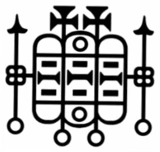
A Goetic marquis described as a sea monster, associated with language, reputation, and rhetoric.
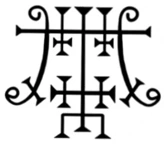
A Goetic president associated with logic, ethics, plants, stones, longevity, and lost things.
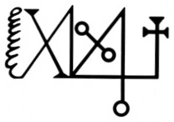
A Goetic duke with griffin wings, associated with winds, the sea, and shipwreck.
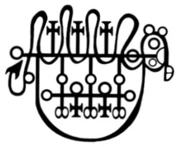
A Goetic duke portrayed as a mermaid, associated with ships, storms, and afflicted wounds.
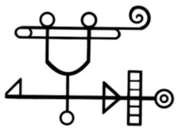
A Goetic marquis depicted as a lion-headed soldier, associated with fortifications and wounds.

A Goetic spirit with royal and comital rank, associated with hidden things, walls, and stormy waters.
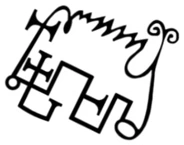
A Goetic president initially appearing as flame, associated with astrology, learning, familiars, and protected treasure.
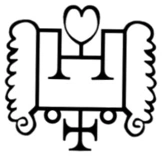
A winged lion-shaped Goetic duke associated with crafts, philosophy, and learned subjects.
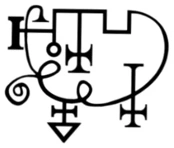
A peacock-shaped Goetic marquis associated with geometry, measurement, astronomy, and bird transformation.
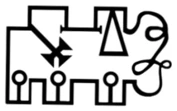
A mounted Goetic marquis associated with grammar, rhetoric, logic, and hidden treasure.
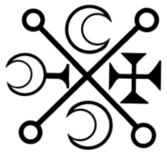
A Goetic marquis appearing as a star, associated with plants, stones, and bird-like apparitions.
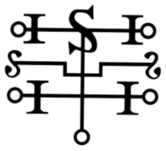
The final Goetic spirit, associated with stolen goods, concealed wrongdoing, and hidden treasure.
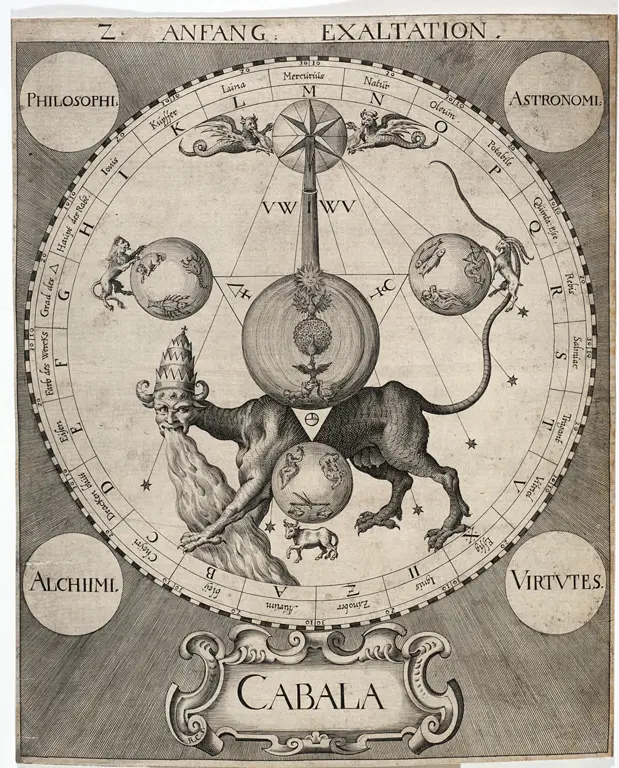
An initiatory order whose Draconian system brings together Qliphoth, Goetic magic, alchemy, and other esoteric traditions.
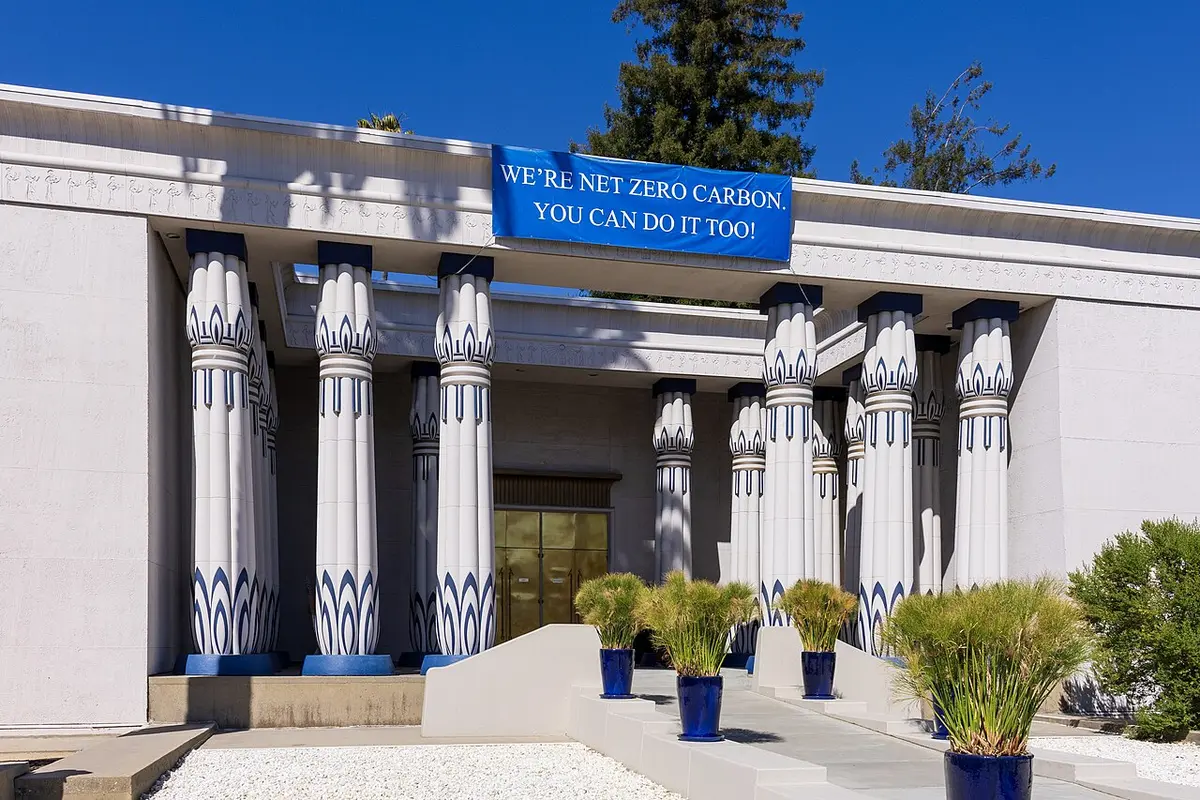
A modern Rosicrucian organization, usually called AMORC, that teaches through lessons and local study groups.
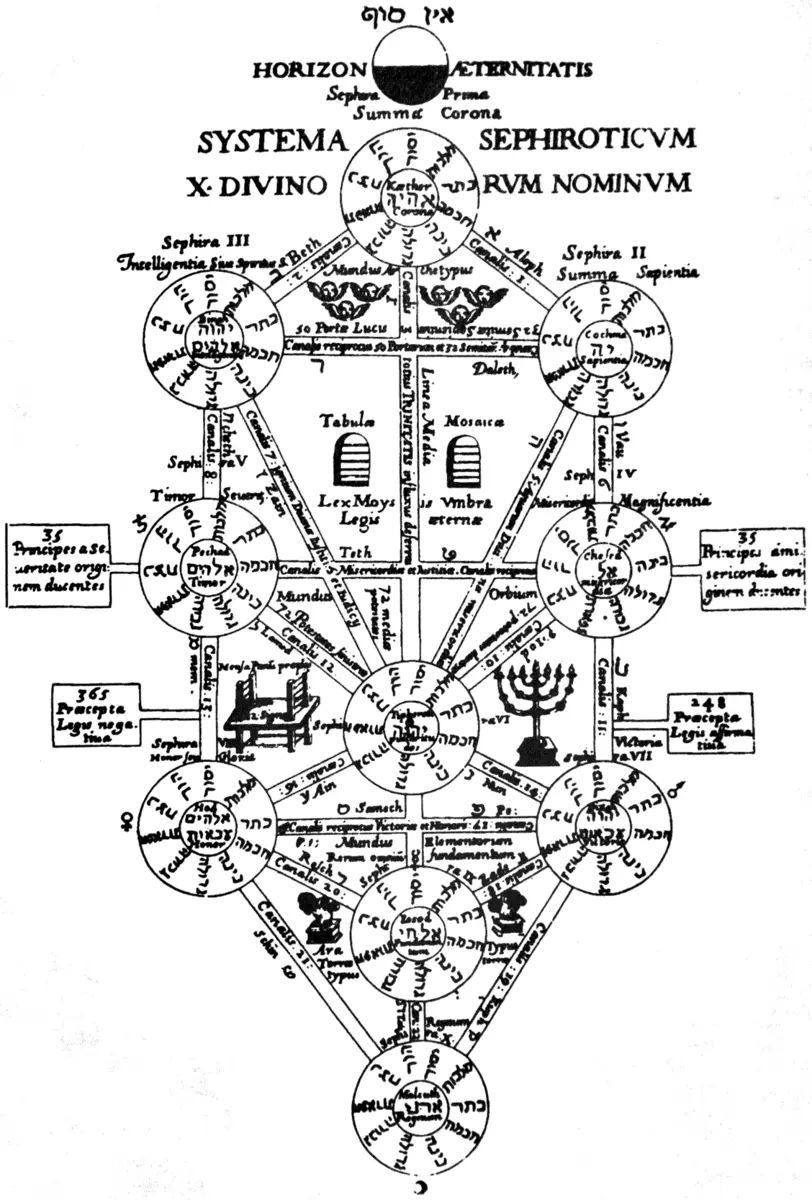
Western esoteric systems that adapt Kabbalistic ideas through ritual, correspondence tables, and symbolic interpretation.
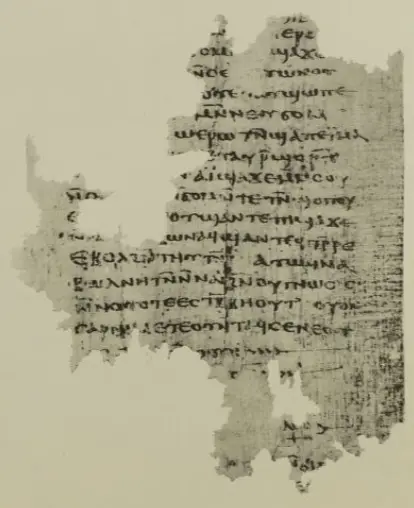
A modern umbrella term for several ancient religious movements and texts concerned with saving knowledge and divine origins.
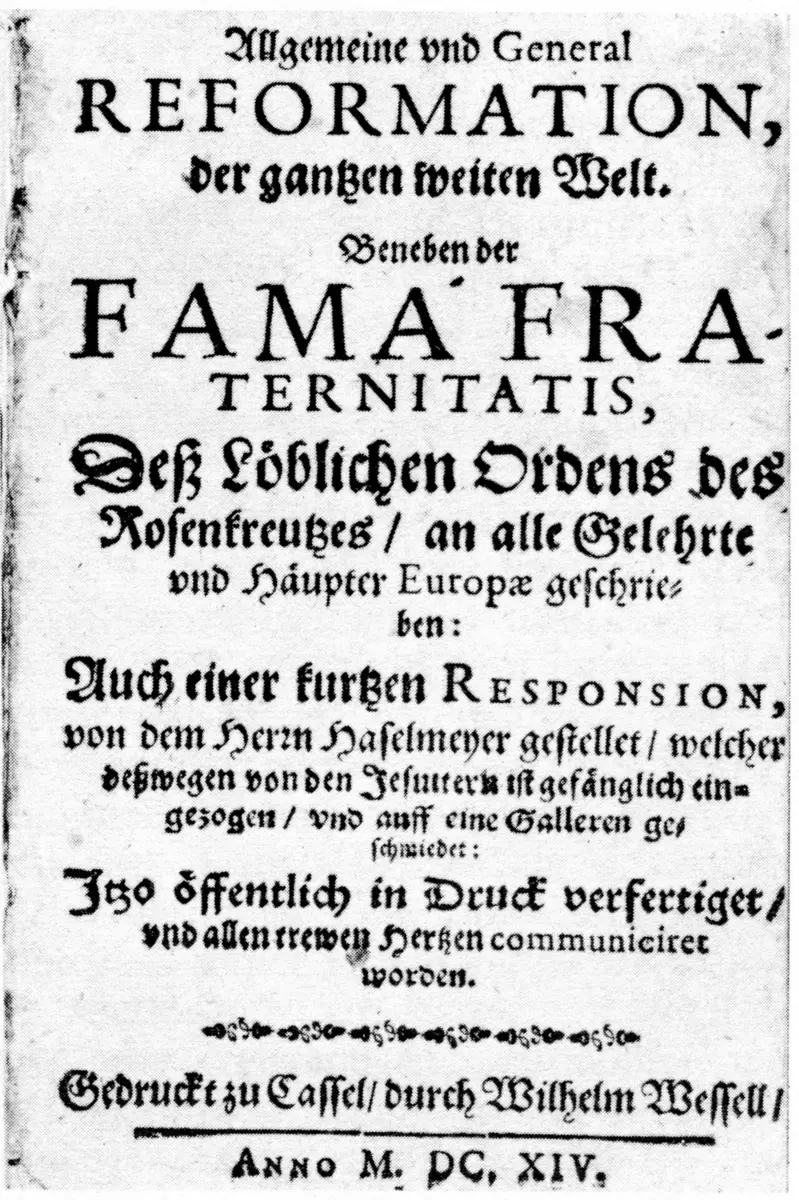
Traditions associated with the rose and cross, the early modern Rosicrucian manifestos, and later initiatory societies.