Demonology & Spirits
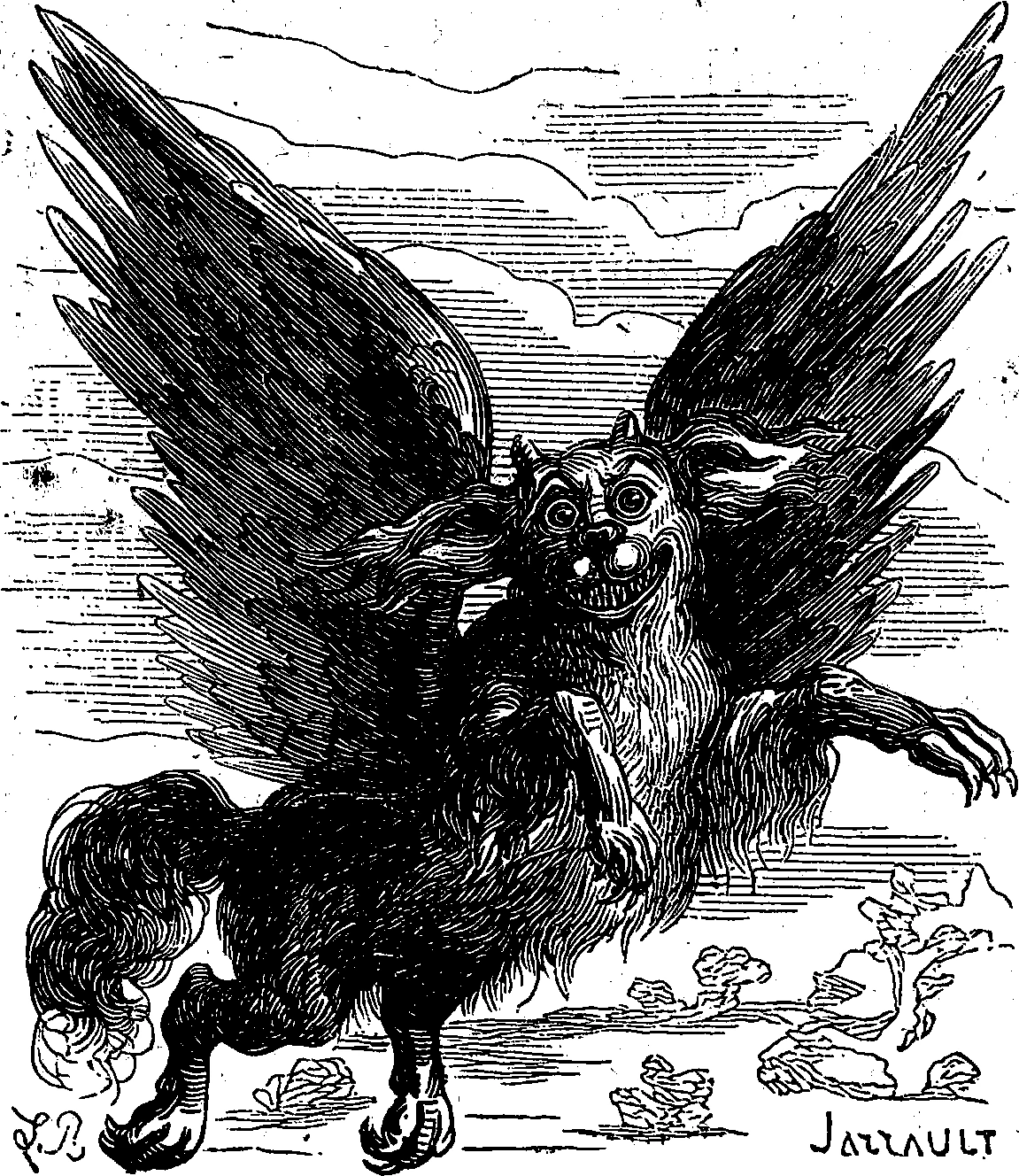
Glasya-Labolas
A Goetic spirit combining learned offices with a violent reputation and a winged dog form.
A Goetic spirit combining learned offices with a violent reputation and a winged dog form.
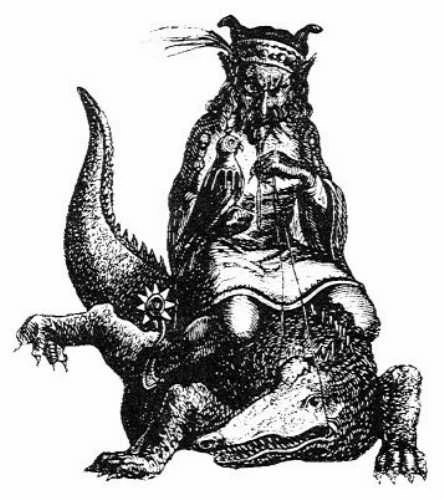
The second Goetic spirit, described as an elderly rider with a crocodile and a goshawk.
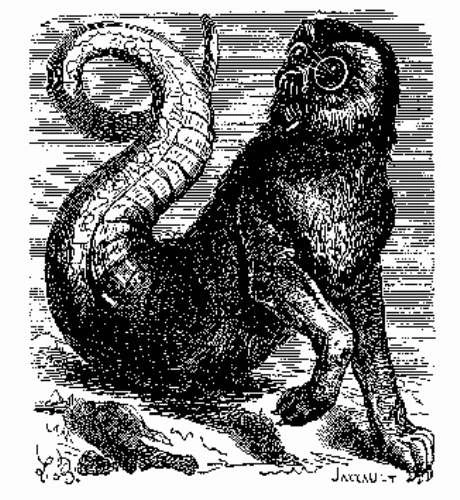
A Goetic marquis with a wolf-like appearance, associated with knowledge and the making or resolution of disputes.
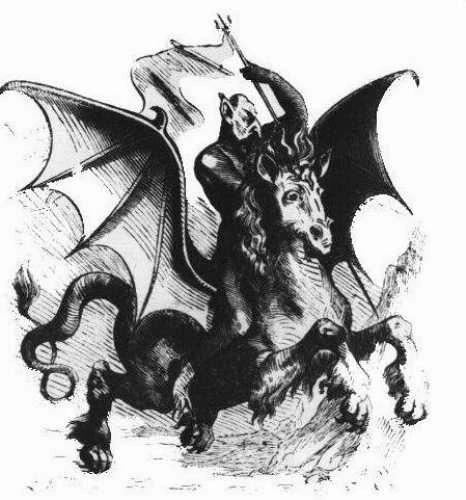
A Goetic duke depicted as a knight, associated with hidden matters, battles, and favor from powerful people.
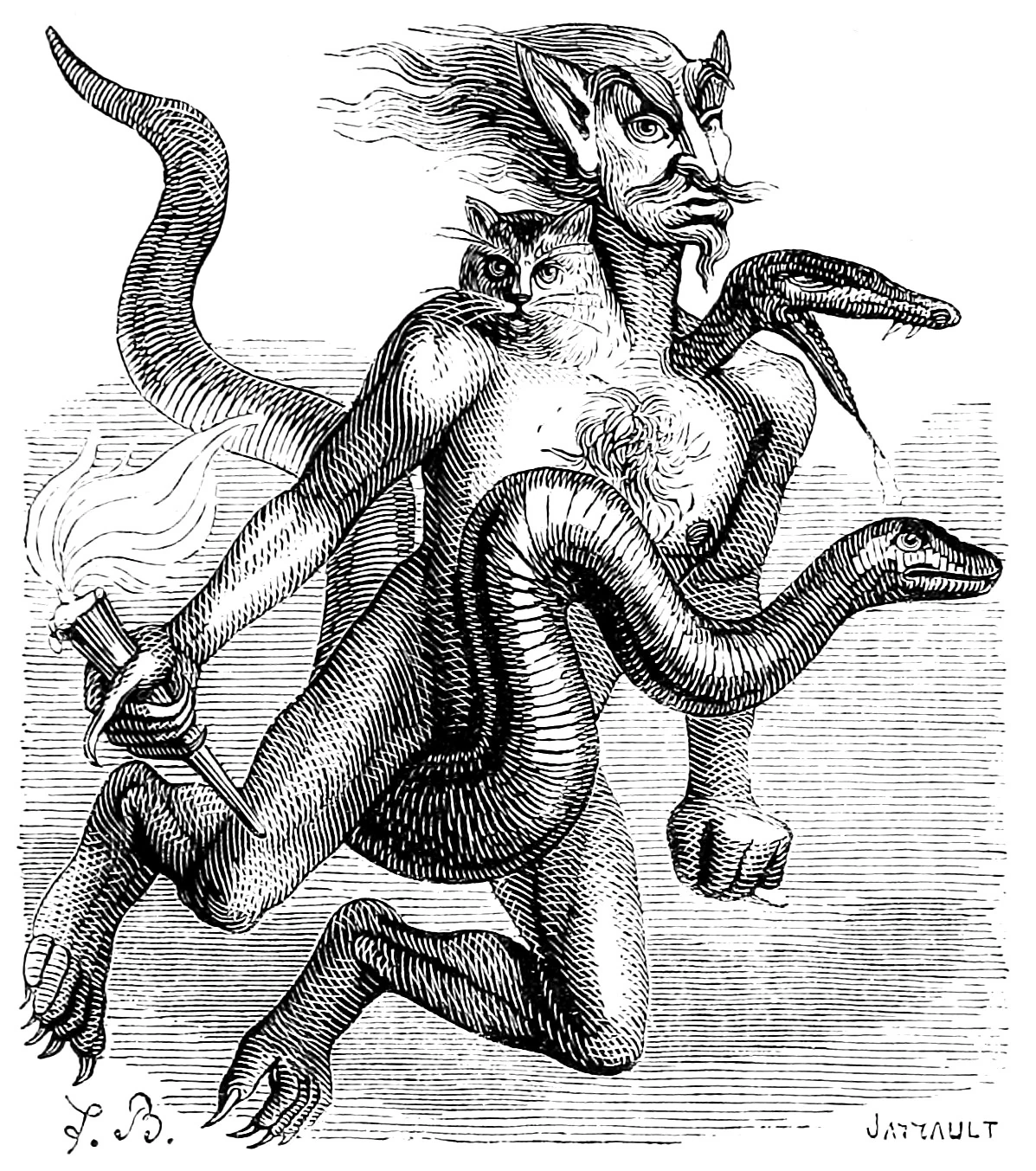
A Goetic duke with three heads, a serpent mount, and a firebrand, associated with fire and private questions.
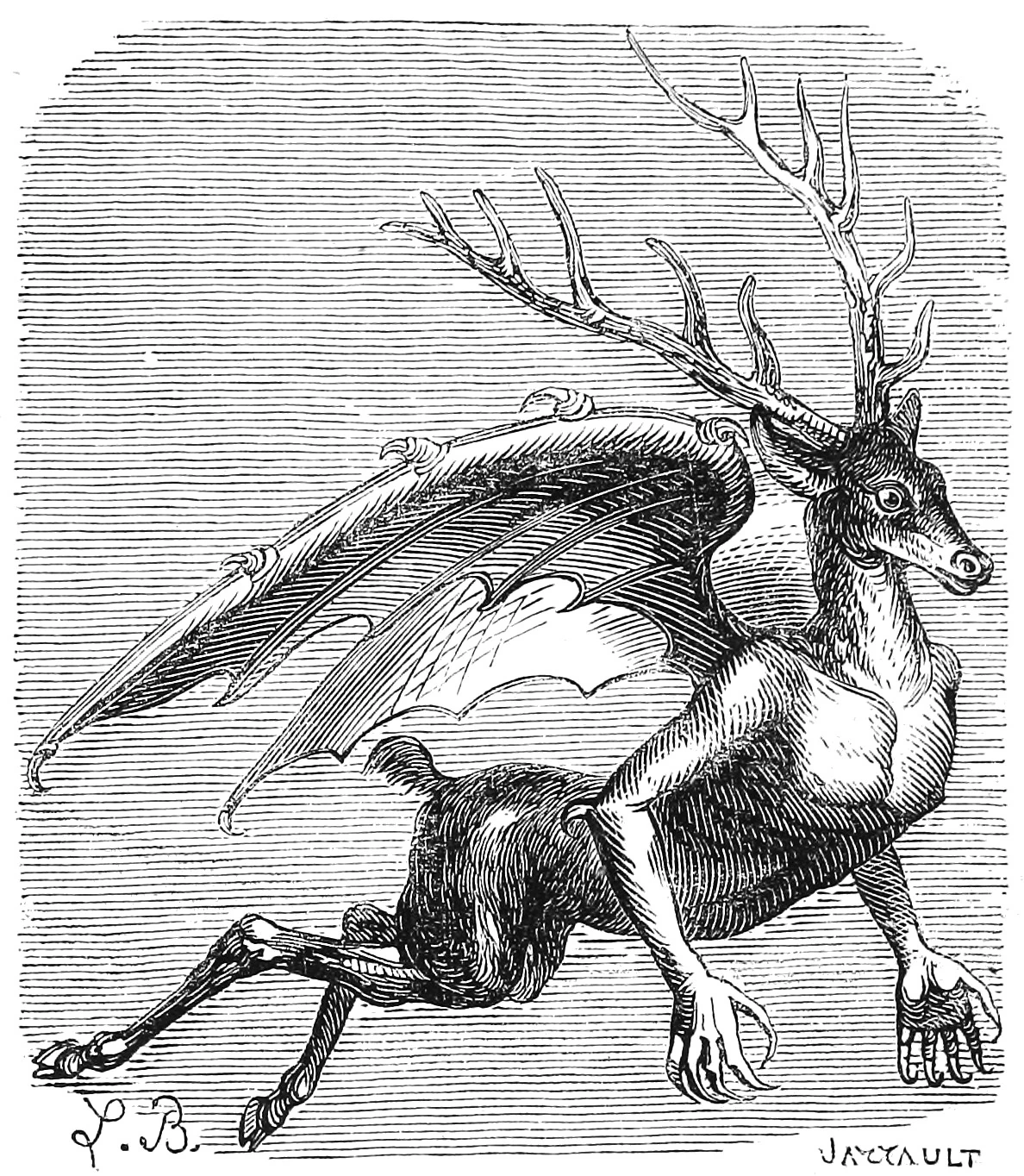
A Goetic earl depicted as a hart with a fiery tail, associated with storms and constrained answers.
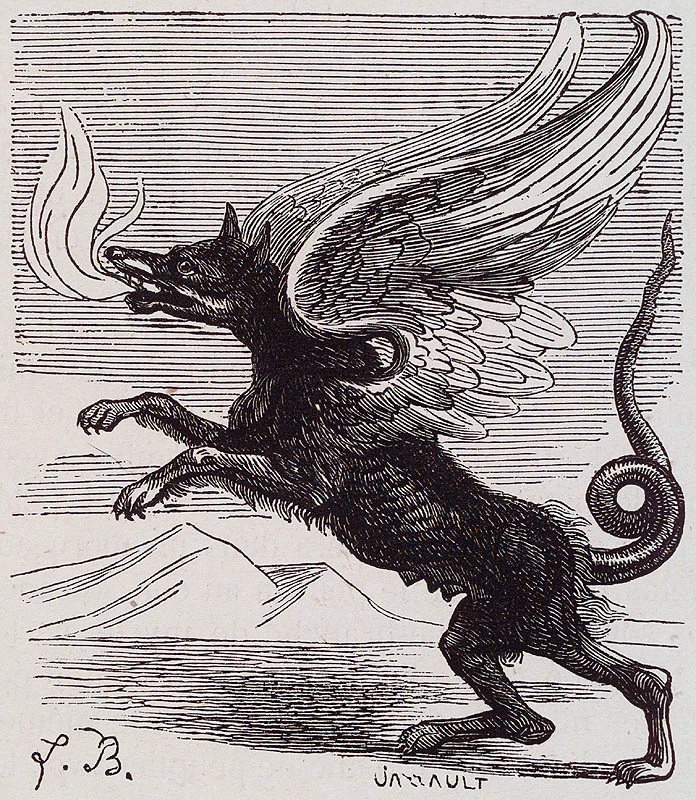
A Goetic marquis with a winged wolf form, described as a fighter who hopes to return to a heavenly throne.
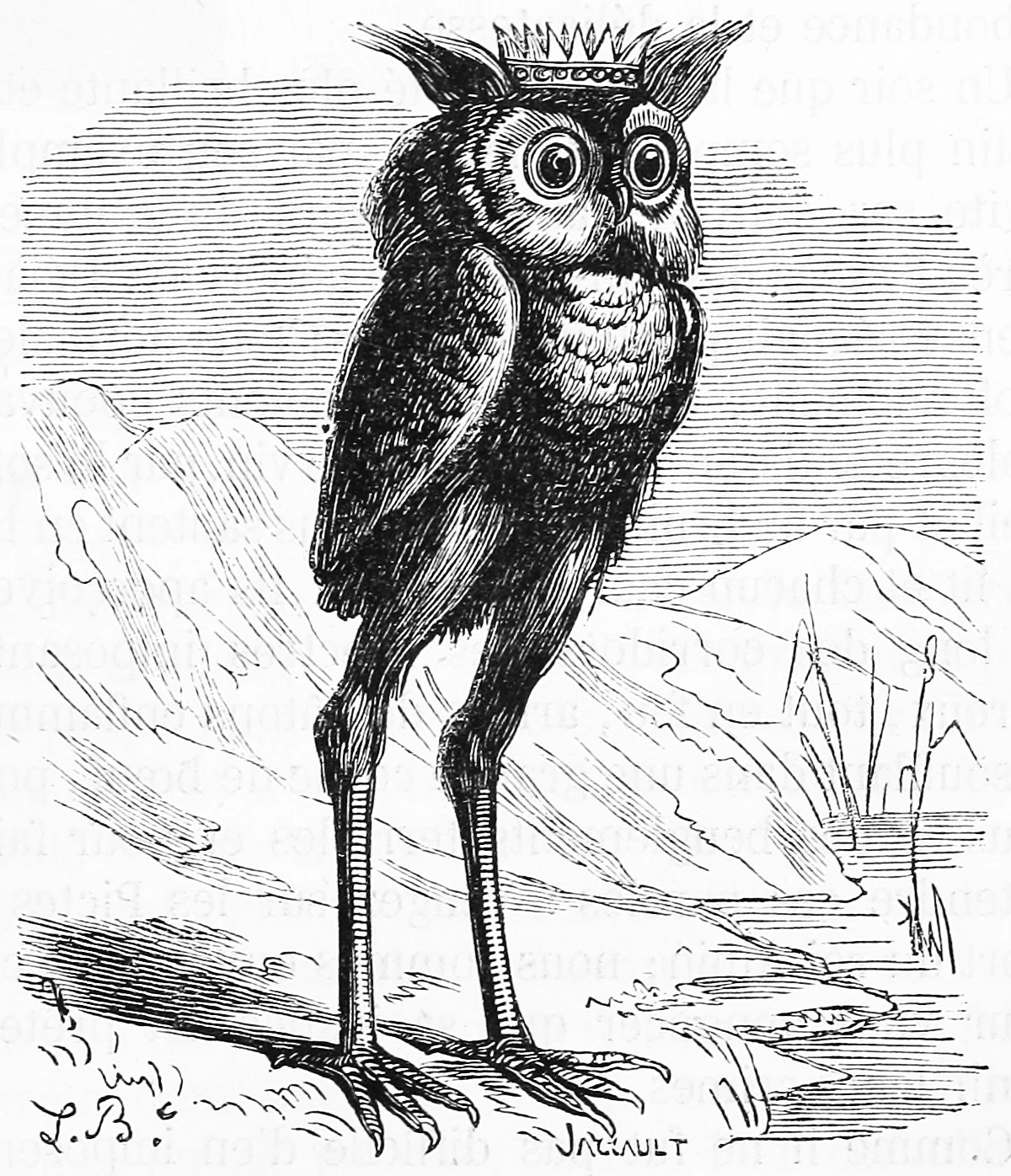
A Goetic prince associated with astronomy, herbs, and precious stones, with changing bird imagery in later reception.
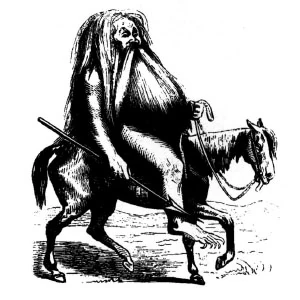
The Goetic knight, associated with philosophy, learned arts, and forms of divination.
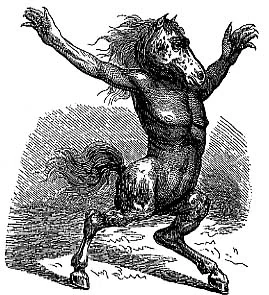
A Goetic prince portrayed as a horse and then a human, noted for the fidelity attributed to him.
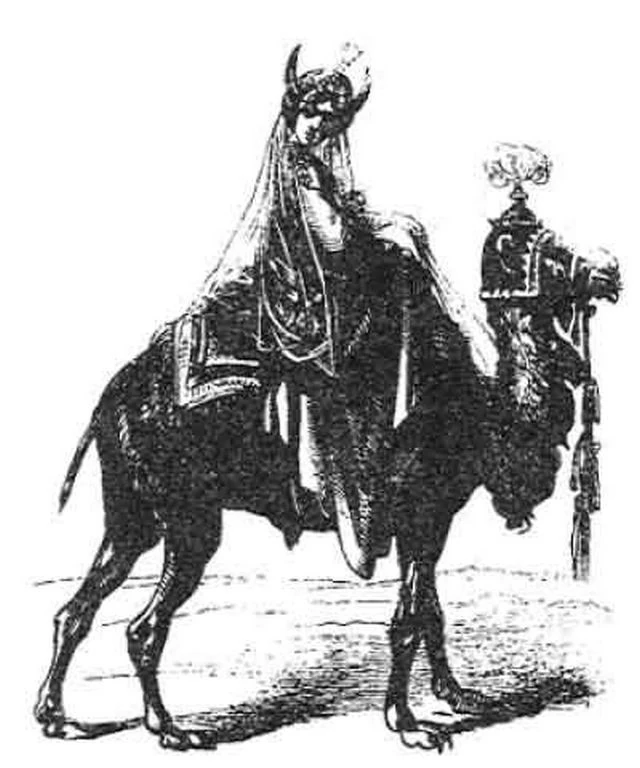
A Goetic duke depicted as a woman on a camel, associated with hidden knowledge, treasure, and attraction.
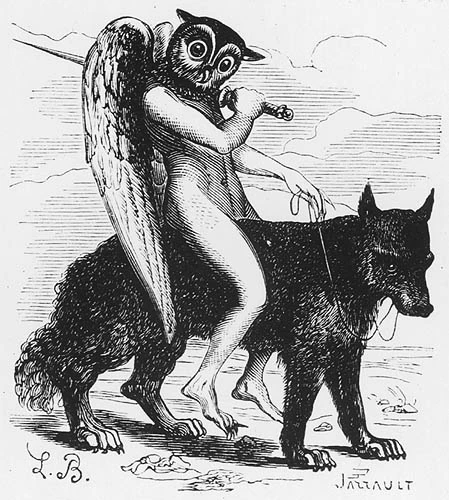
A Goetic marquis portrayed with a bird's head on a wolf, associated with discord and a warning of danger.
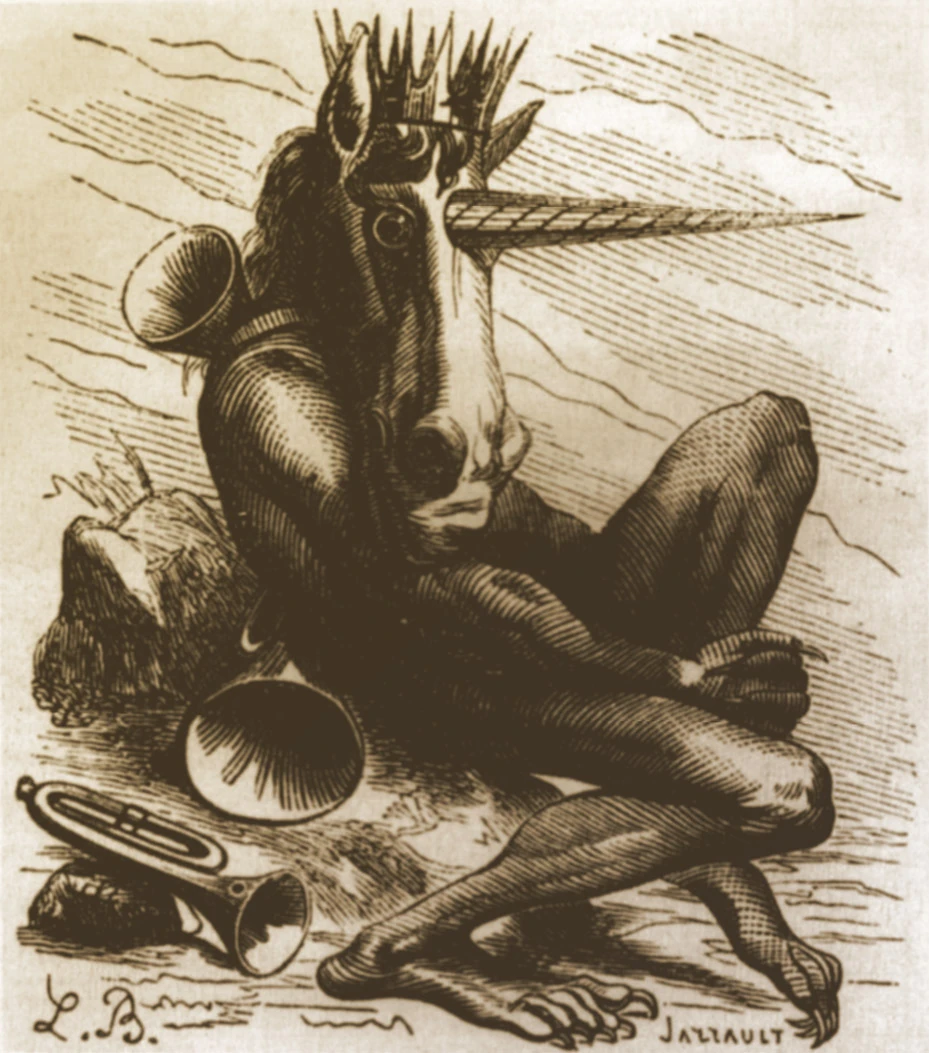
A unicorn-shaped Goetic duke associated with unseen music, bending trees, and familiars.
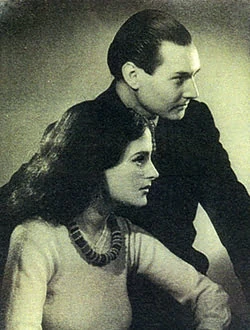
A British occult writer associated with the Typhonian current, Thelema, and the work of Austin Osman Spare.
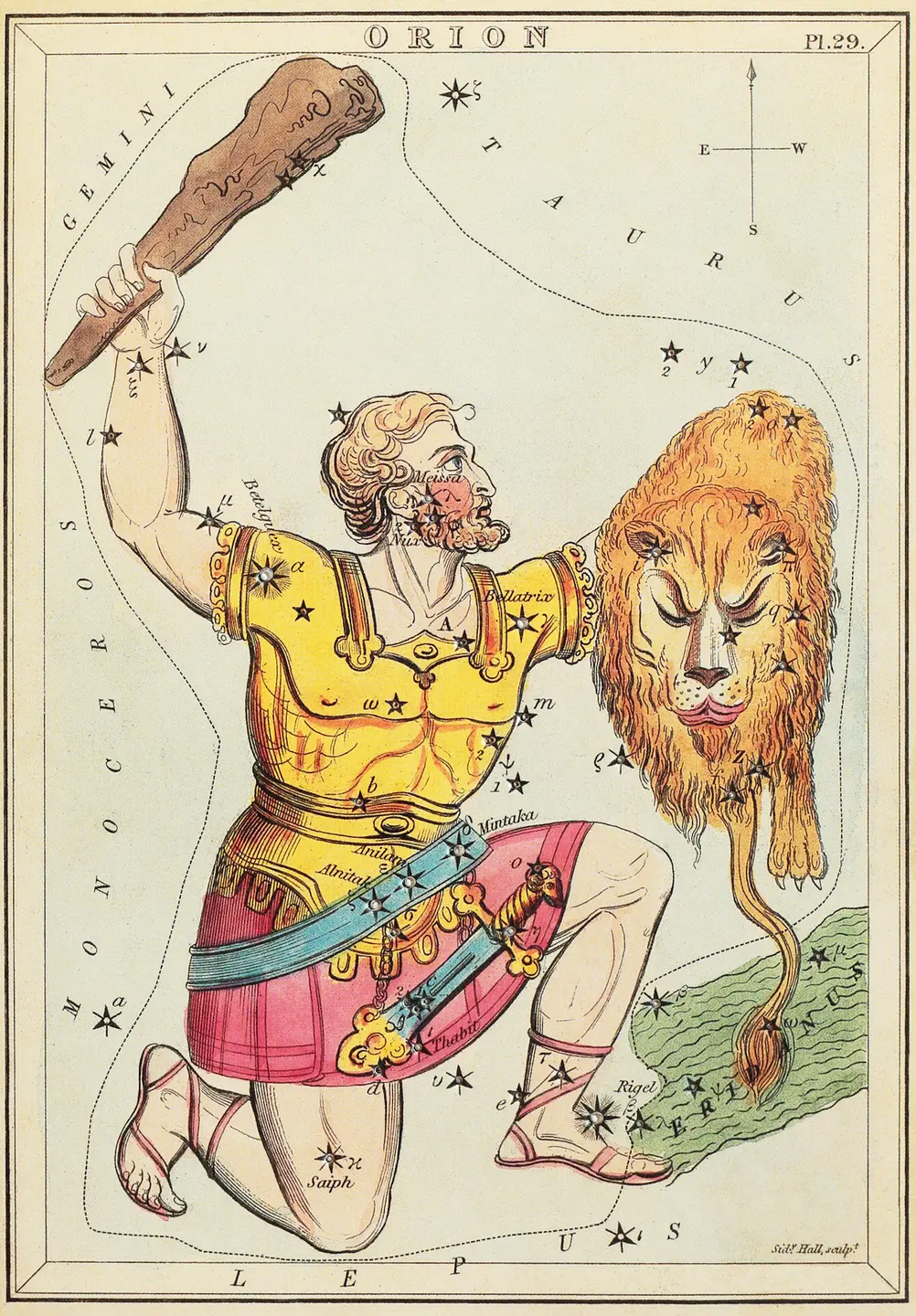
Semjaza is a leading figure in the Enochic account of the Watchers’ oath and descent. His role differs from the teaching and punishment associated with Azazel.

A Goetic prince associated with finding lost things and knowledge of past and future events.

A Goetic duke associated with answers, reconciliation, and the obscure term Xenopilus.
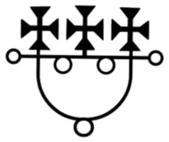
A Goetic prince portrayed with a leopard head and griffin wings, whose stated office concerns desire.
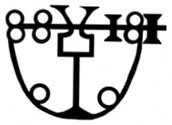
A Goetic marquis described as a green-clad archer associated with conflict and arrow wounds.

A Goetic duke depicted as a red-clad soldier whose entry concerns attraction and fertility.