Demonology & Spirits
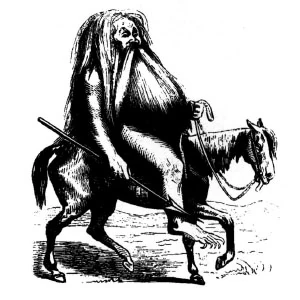
Furcas
The Goetic knight, associated with philosophy, learned arts, and forms of divination.
The Goetic knight, associated with philosophy, learned arts, and forms of divination.
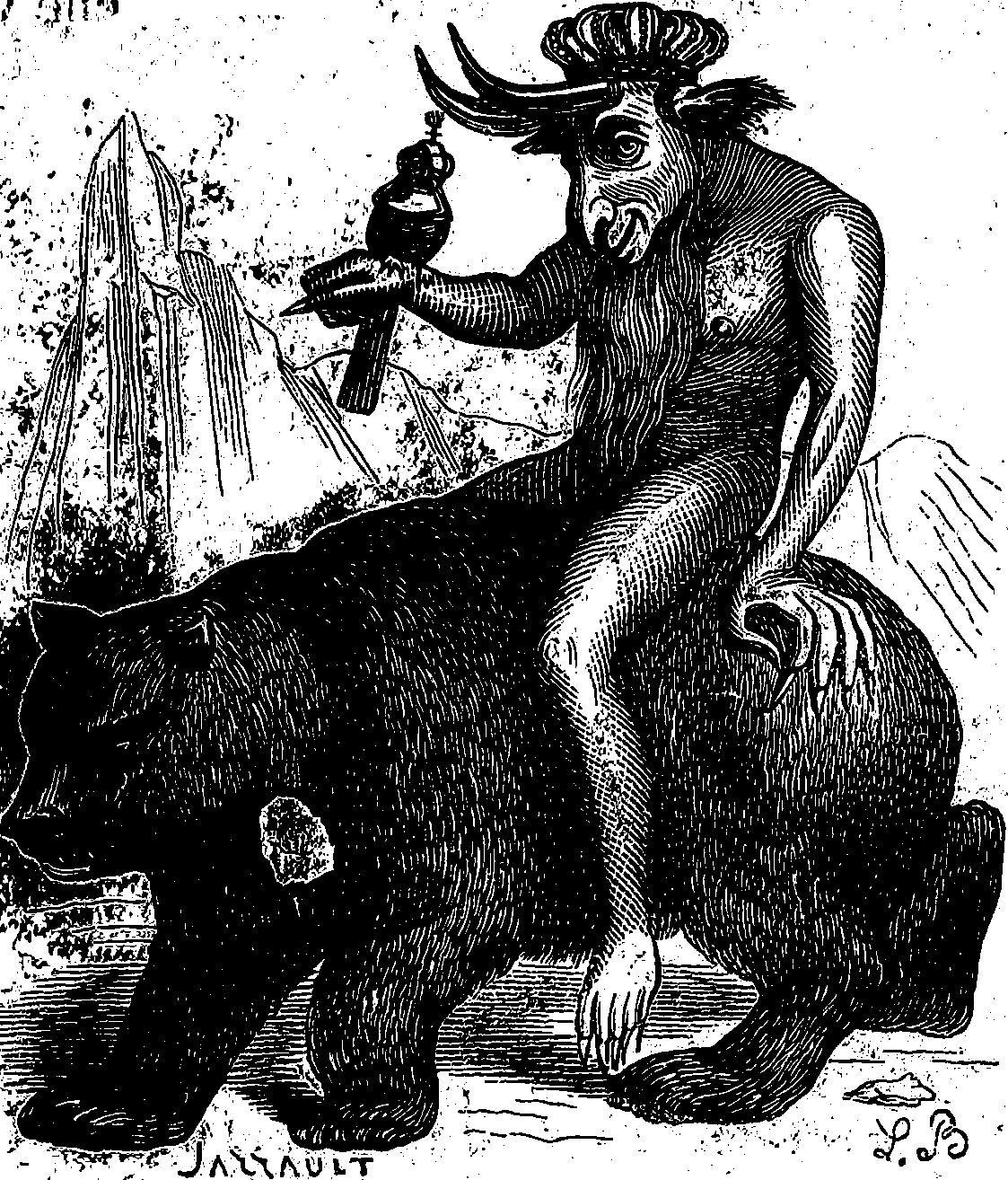
A three-headed Goetic king riding a bear, associated with answers, wit, and invisibility.
A lion-faced Goetic duke who teaches astronomy and the liberal sciences.

A Goetic president associated with animal voices, disputation, and answers given through burning ashes.
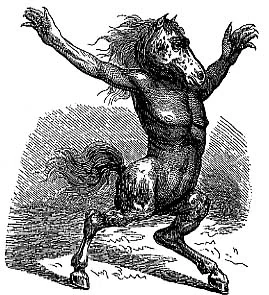
A Goetic prince portrayed as a horse and then a human, noted for the fidelity attributed to him.
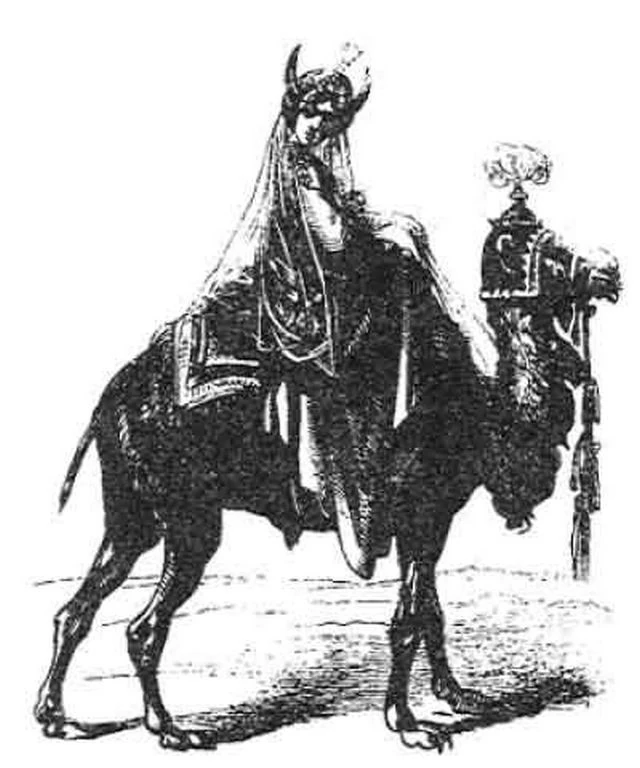
A Goetic duke depicted as a woman on a camel, associated with hidden knowledge, treasure, and attraction.
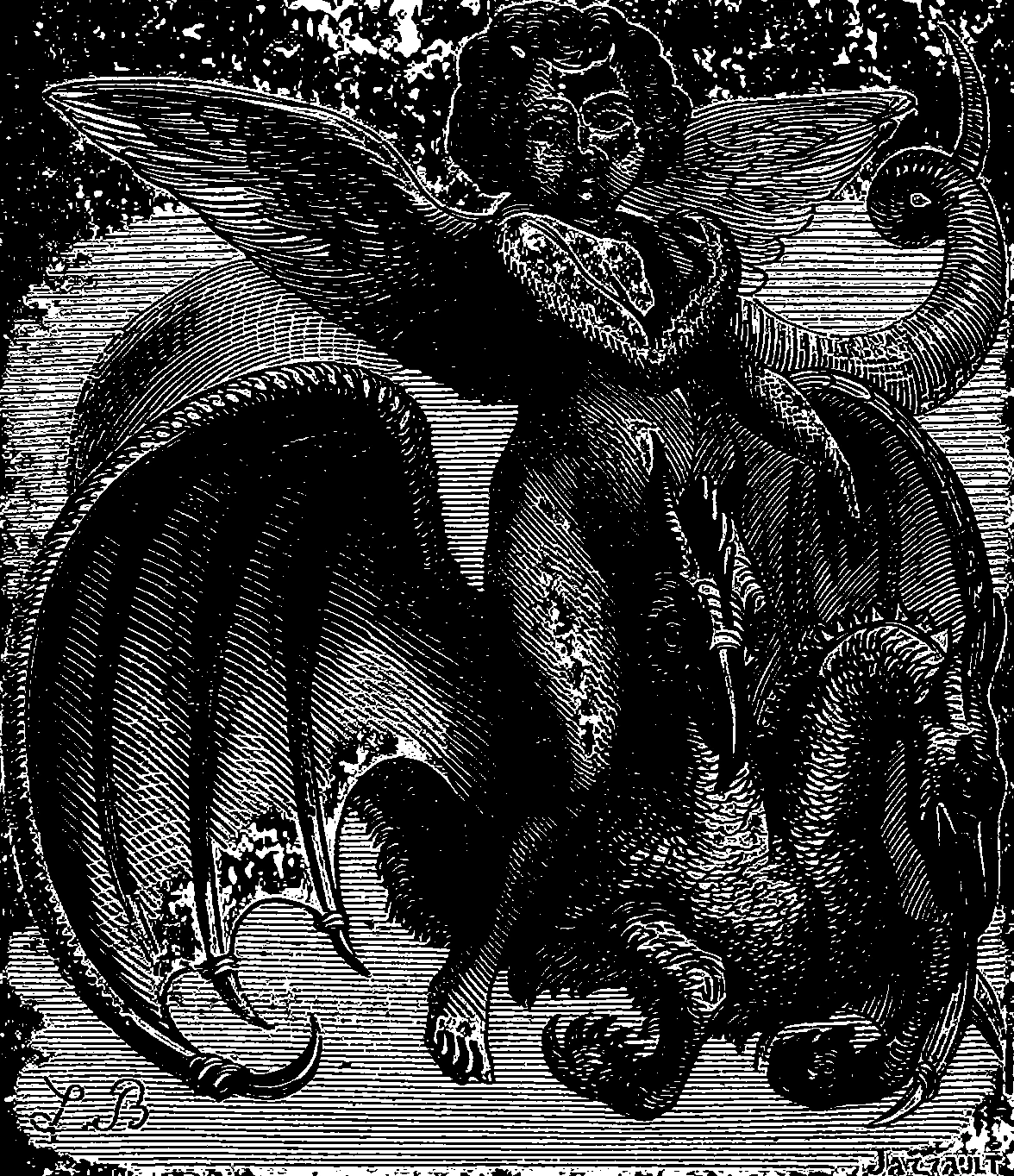
A Goetic president described as a winged boy on a two-headed dragon, associated with treasure and serpents.
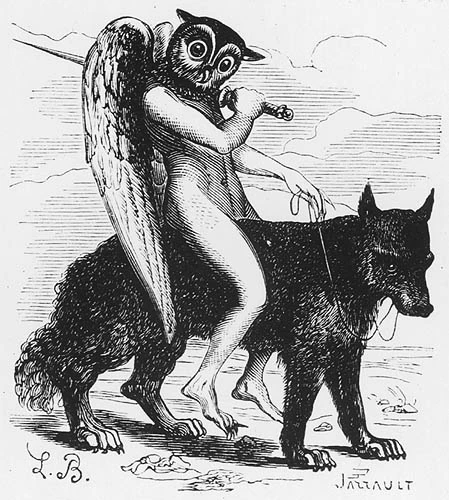
A Goetic marquis portrayed with a bird's head on a wolf, associated with discord and a warning of danger.
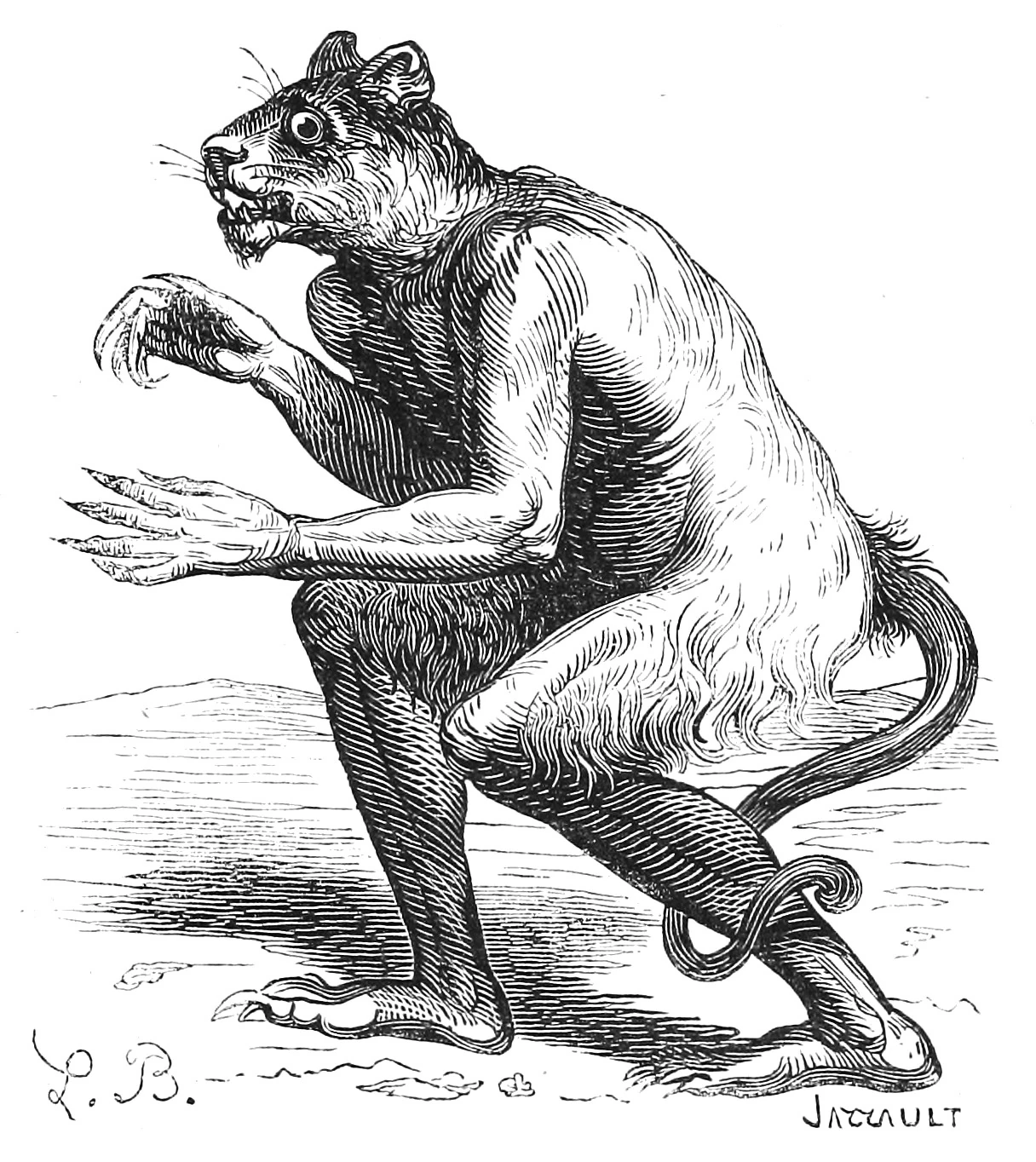
A Goetic duke, also called Flauros, associated with fiery destruction and answers about divine matters.
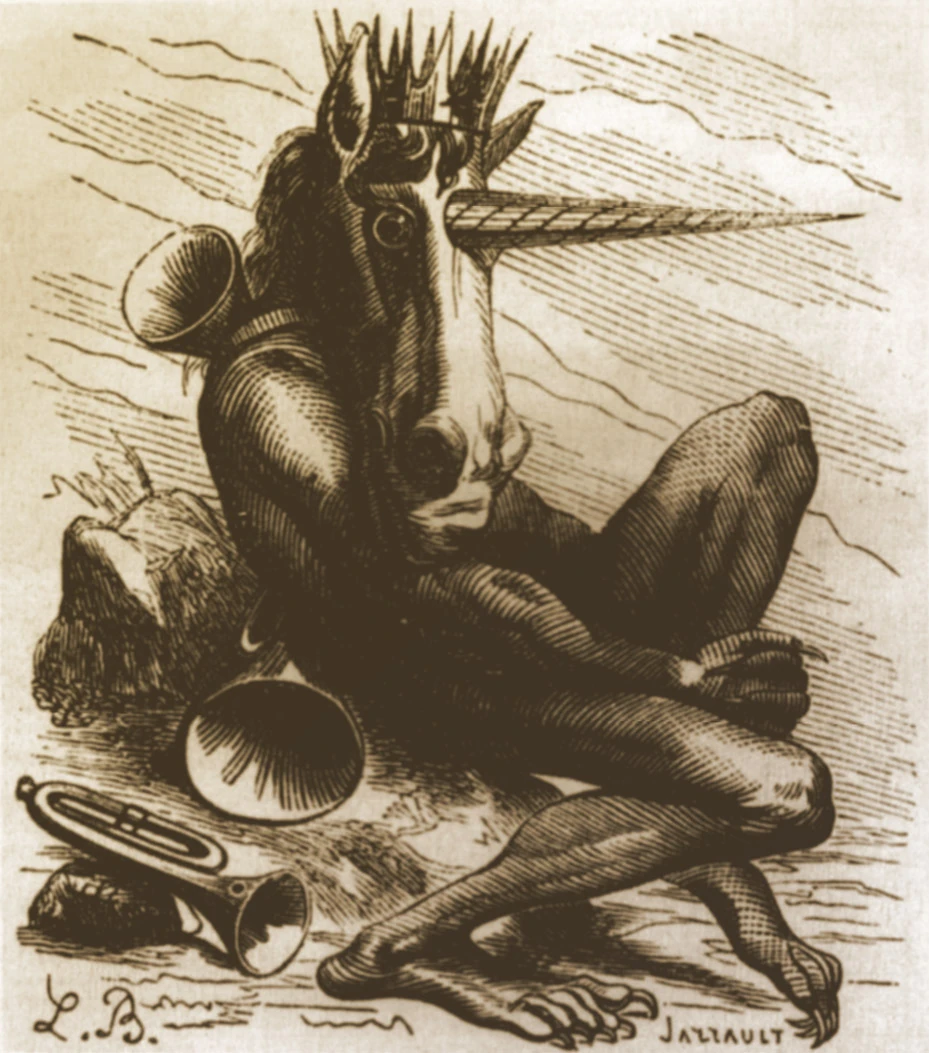
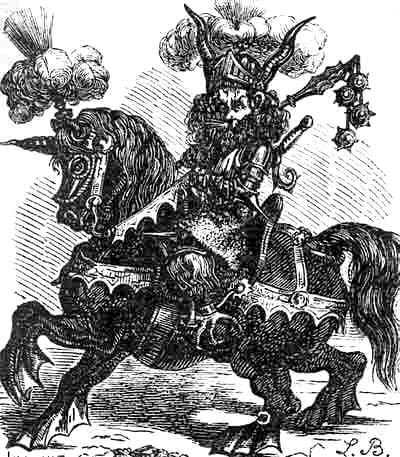
A unicorn-shaped Goetic duke associated with unseen music, bending trees, and familiars.
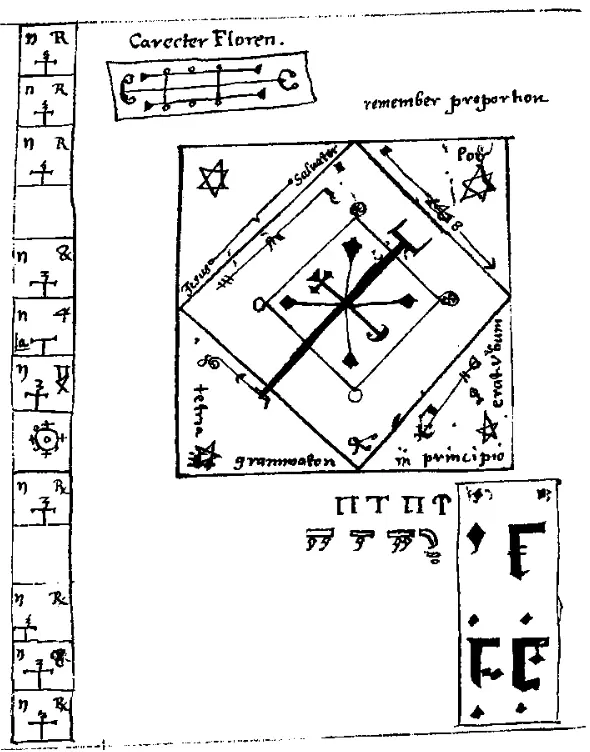
A grimoire is a book or manuscript containing magical knowledge, ritual procedures, charms, conjurations, talismans, spirit catalogues, astrological instructions, prayers, or other techniques intended to produce supernatural or occult effects. The term is most strongly associated with European magic, but scholars use it within a much wider history of magical books and written ritual technologies.
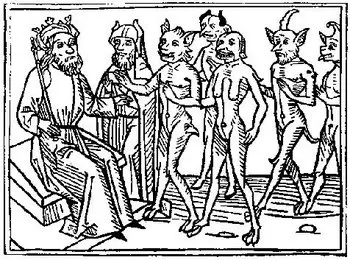
Belial appears in biblical religious language and later spirit catalogues. These uses should be distinguished rather than treated as one unchanged biography.
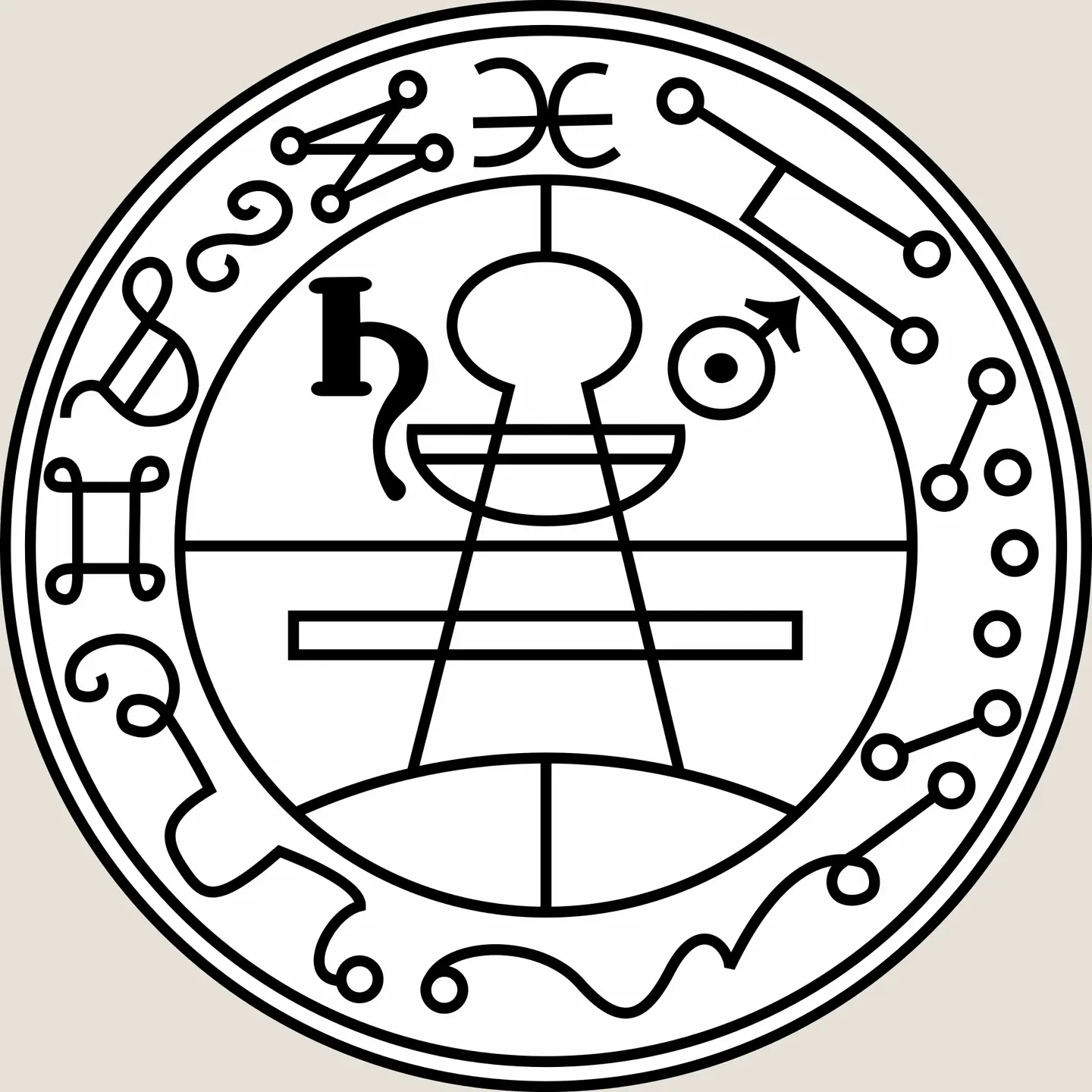
Sigils are graphic signs used in particular magical systems. Historical spirit seals, ceremonial figures, and modern personal signs should be distinguished.

A Goetic marquis, also called Gamigin, associated with liberal studies and accounts of deceased souls.
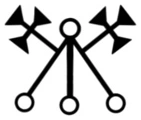
A Goetic president depicted as a lion, associated with hidden knowledge, mechanical arts, and transformation.
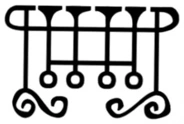
A Goetic duke associated with answers, reconciliation, and the obscure term Xenopilus.
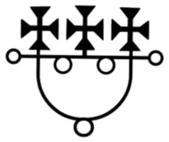
A Goetic prince portrayed with a leopard head and griffin wings, whose stated office concerns desire.
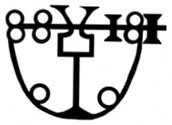
A Goetic marquis described as a green-clad archer associated with conflict and arrow wounds.
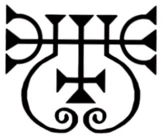
A Goetic duke depicted as a red-clad soldier whose entry concerns attraction and fertility.
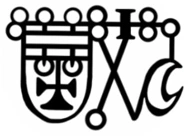
A Goetic duke associated with herbs, precious stones, and sudden travel between countries.