Devotional Practice
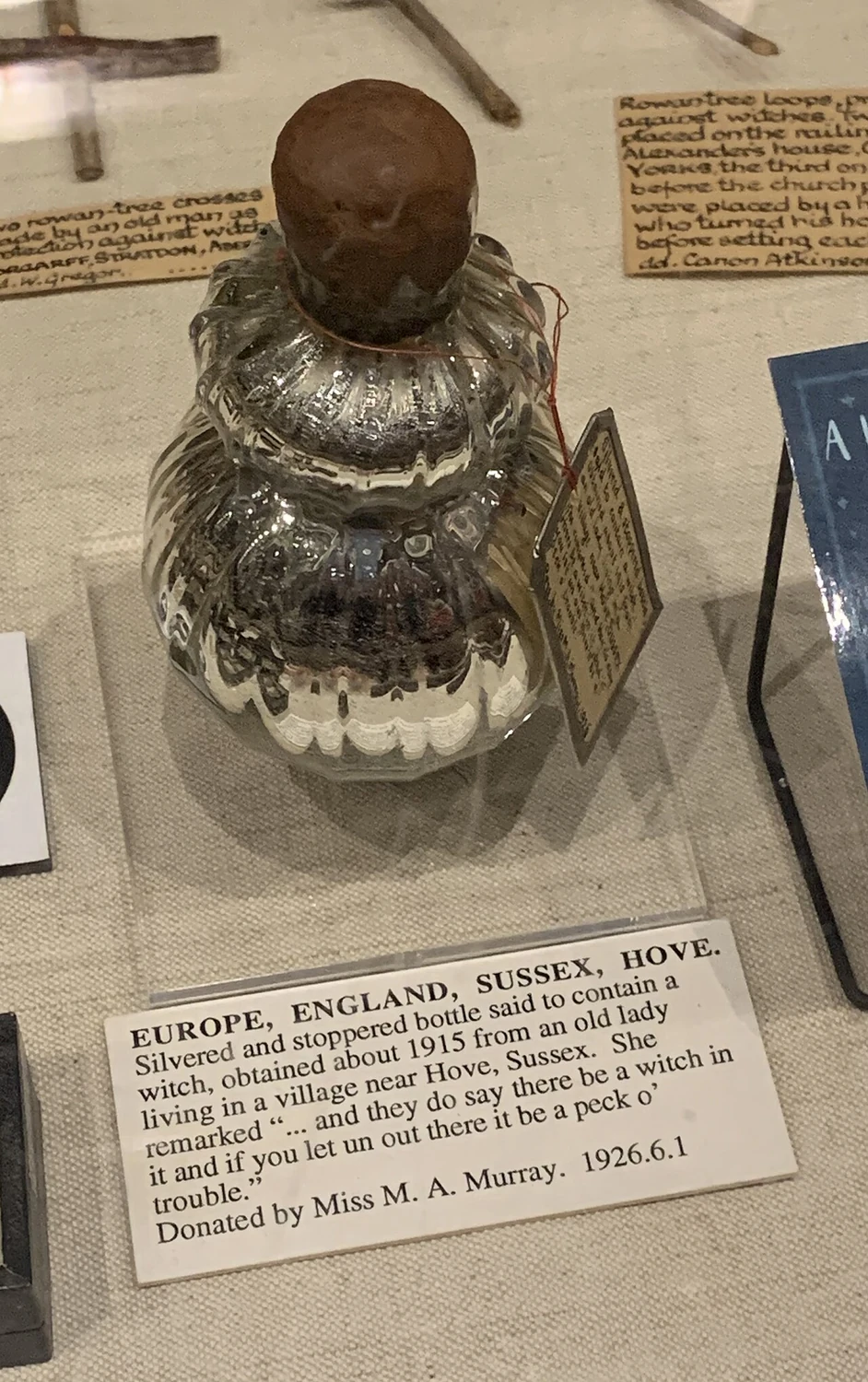
Folk magic
Protective charms, witch bottles, and everyday materials in local magical traditions, with documented British museum examples.
Protective charms, witch bottles, and everyday materials in local magical traditions, with documented British museum examples.
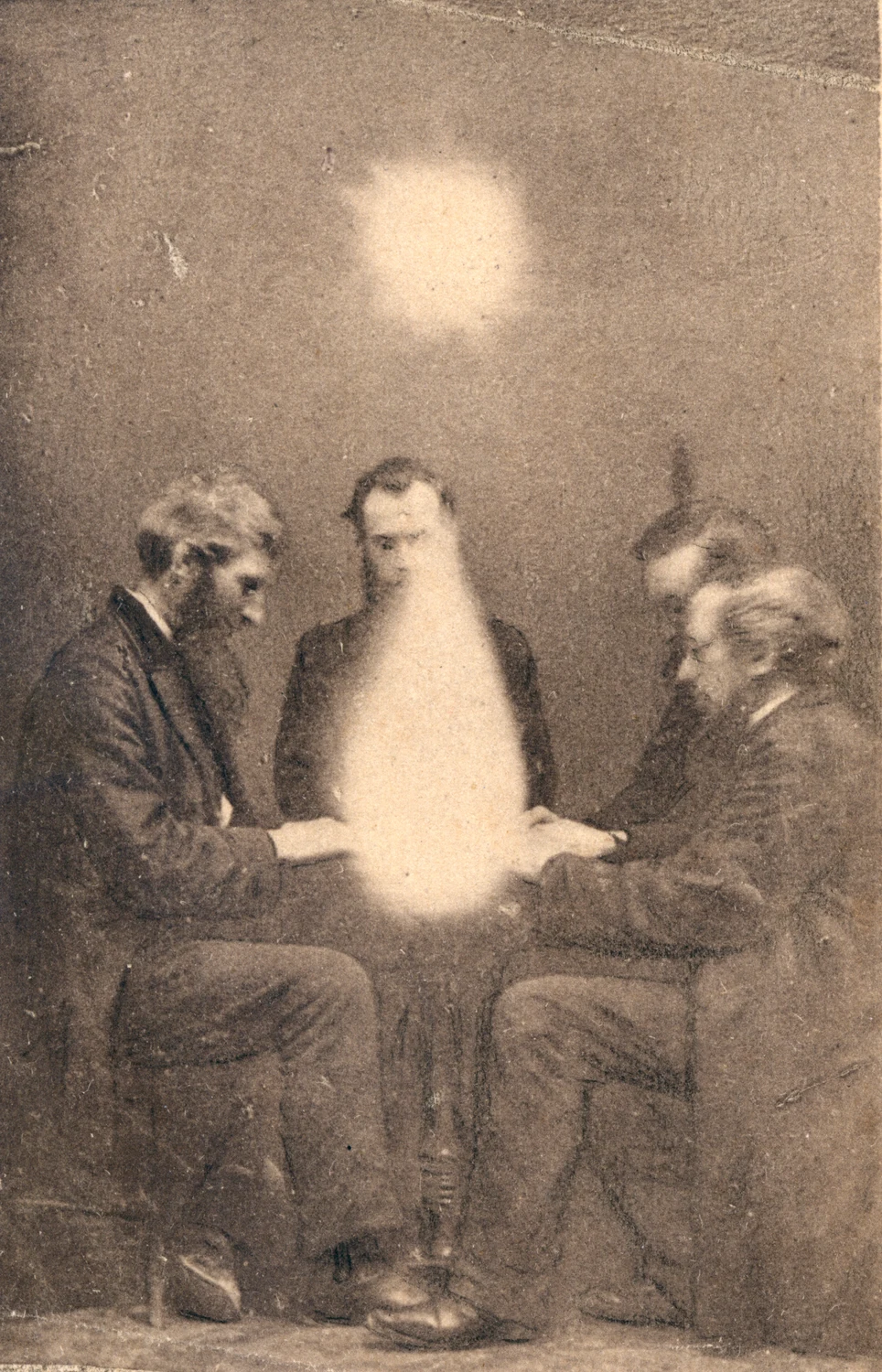
A religious movement centered on mediumship and continued personal identity after death, with church teachings and spirit photography.

The public holiday of 31 October, including lanterns, visiting customs, disguise, and its Celtic and Christian histories.
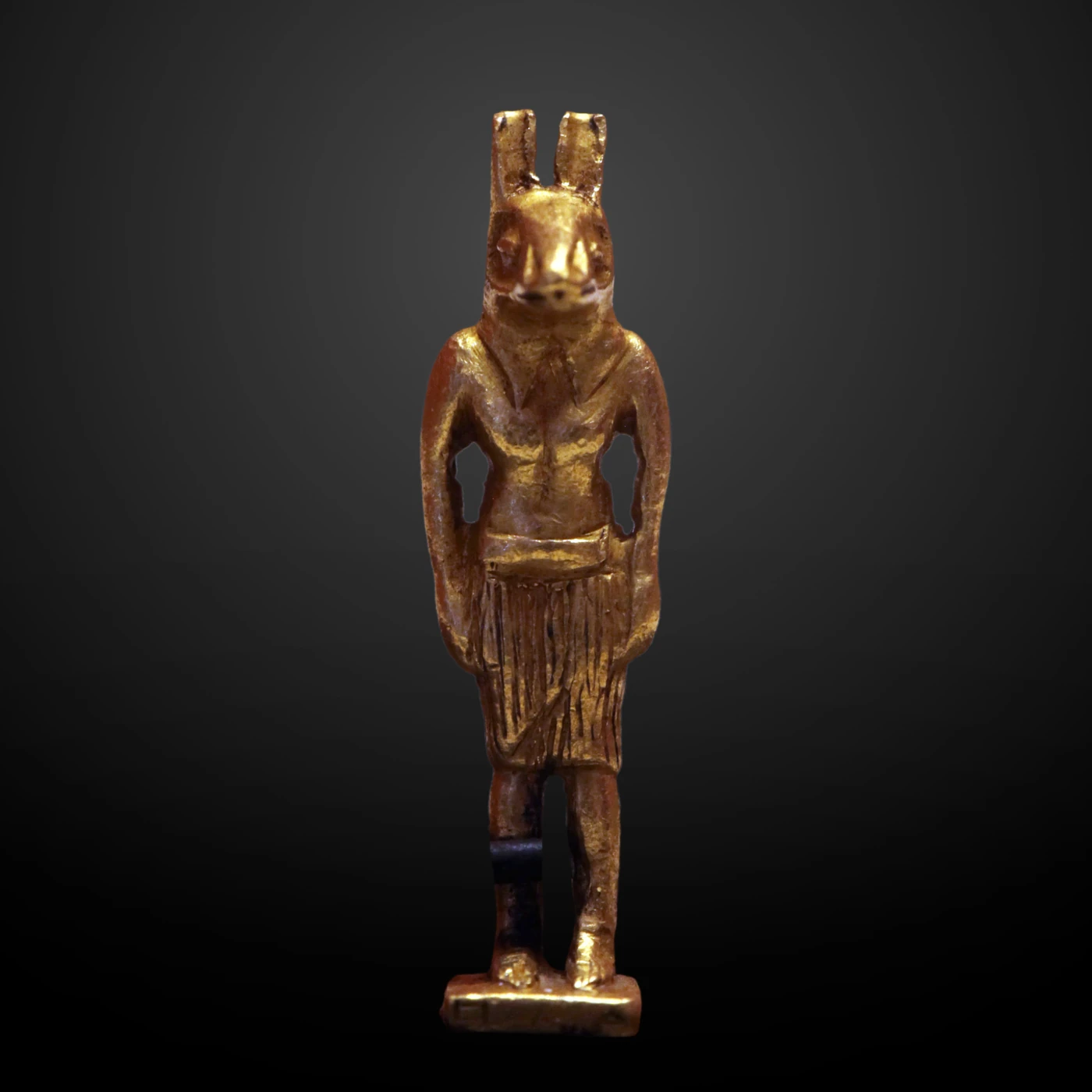
The Temple of Set is an initiatory organization whose identity centers on Set and Xeper. Its relationship with Satanism requires attention to both historical origins and later self-description.
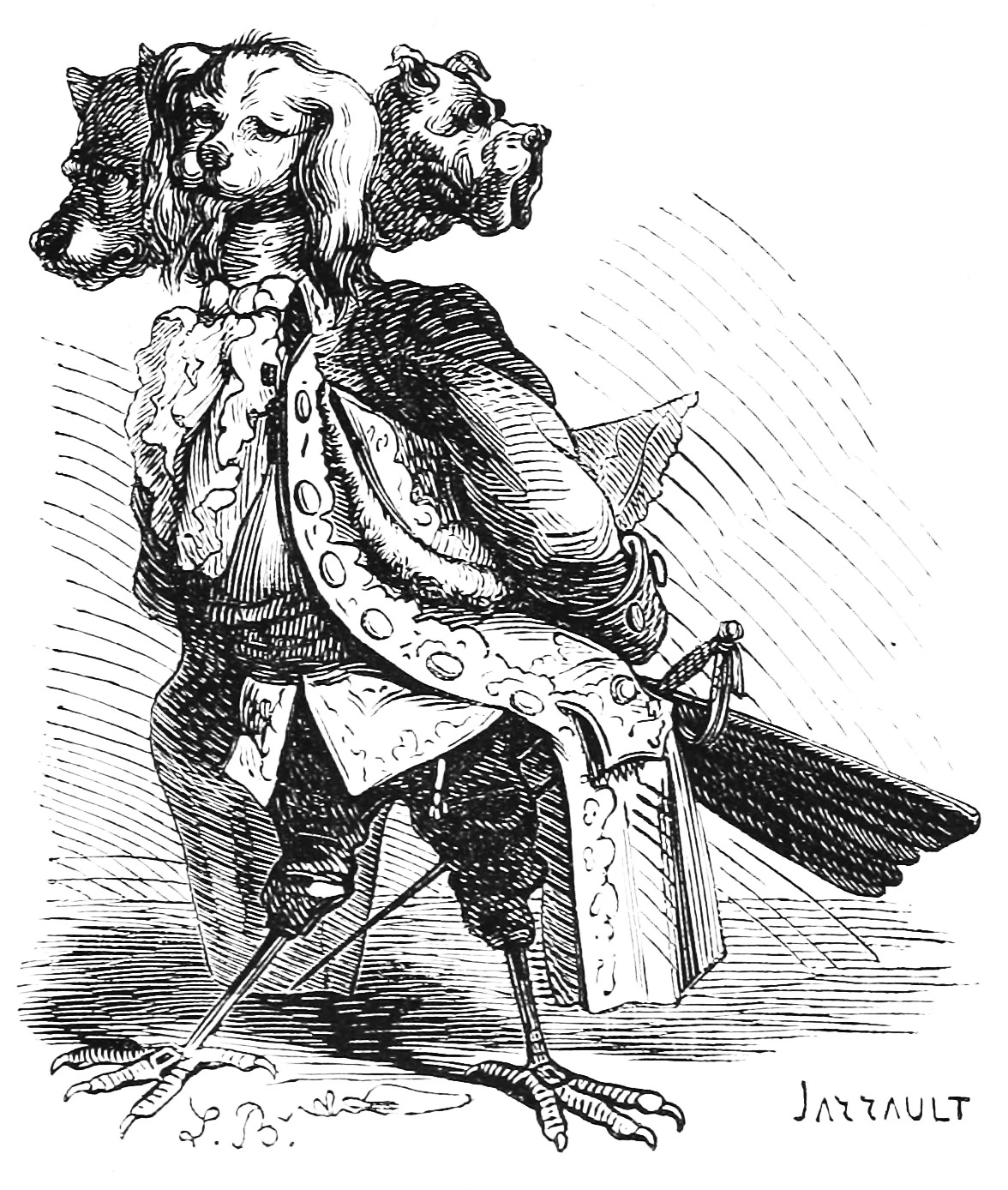
A Goetic marquis associated with rhetoric and the restoration of lost honors.
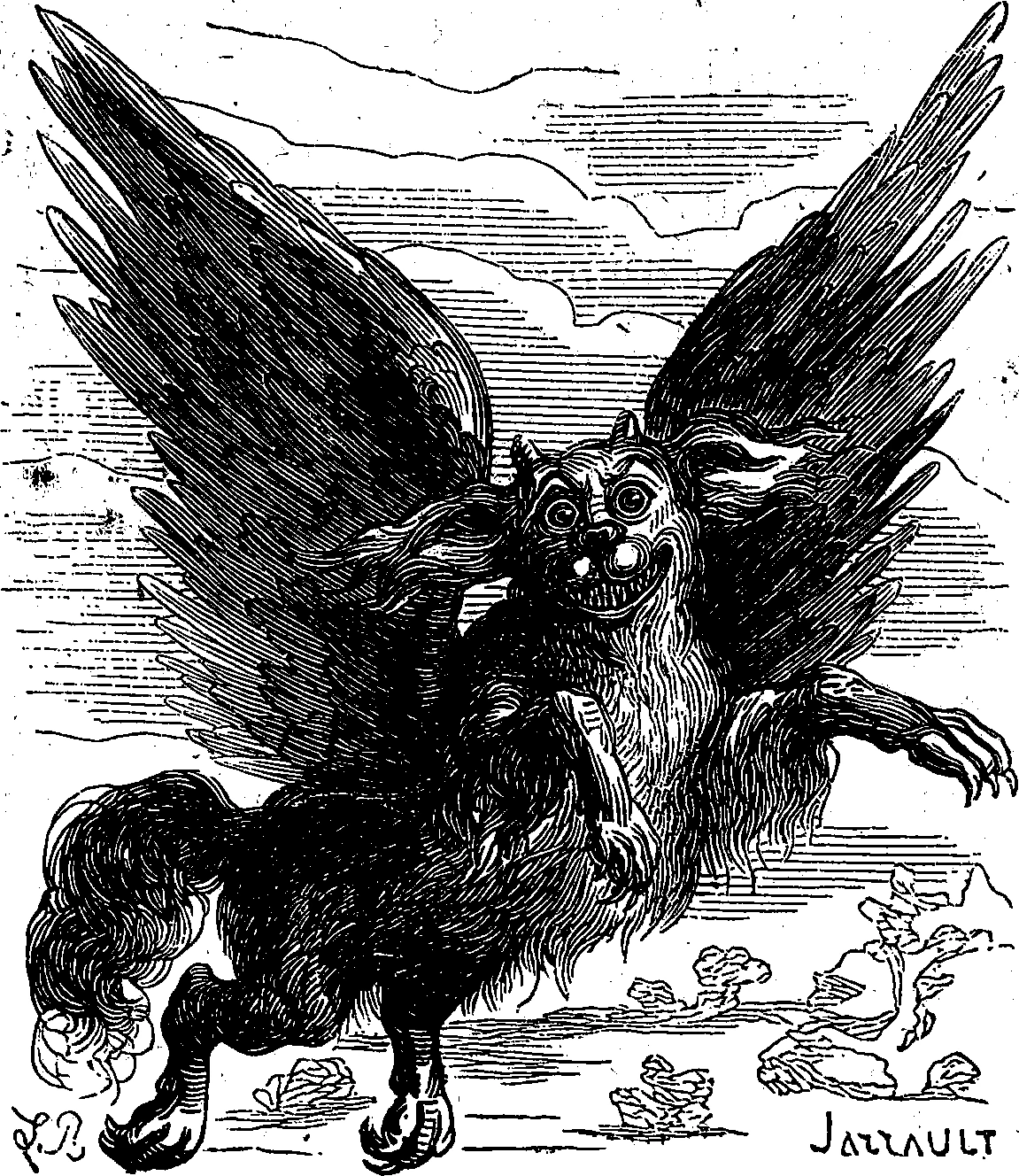
A Goetic spirit combining learned offices with a violent reputation and a winged dog form.
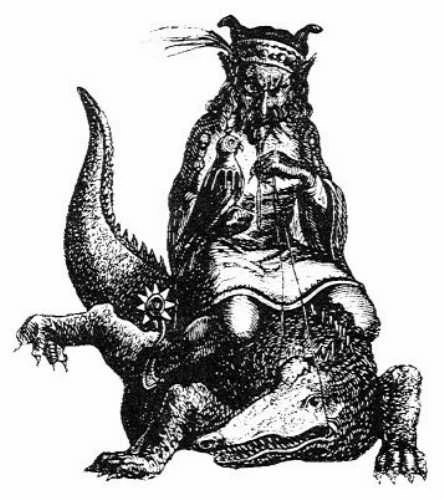
The second Goetic spirit, described as an elderly rider with a crocodile and a goshawk.
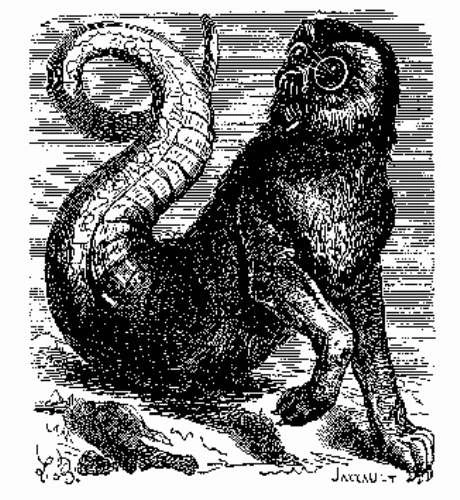
A Goetic marquis with a wolf-like appearance, associated with knowledge and the making or resolution of disputes.
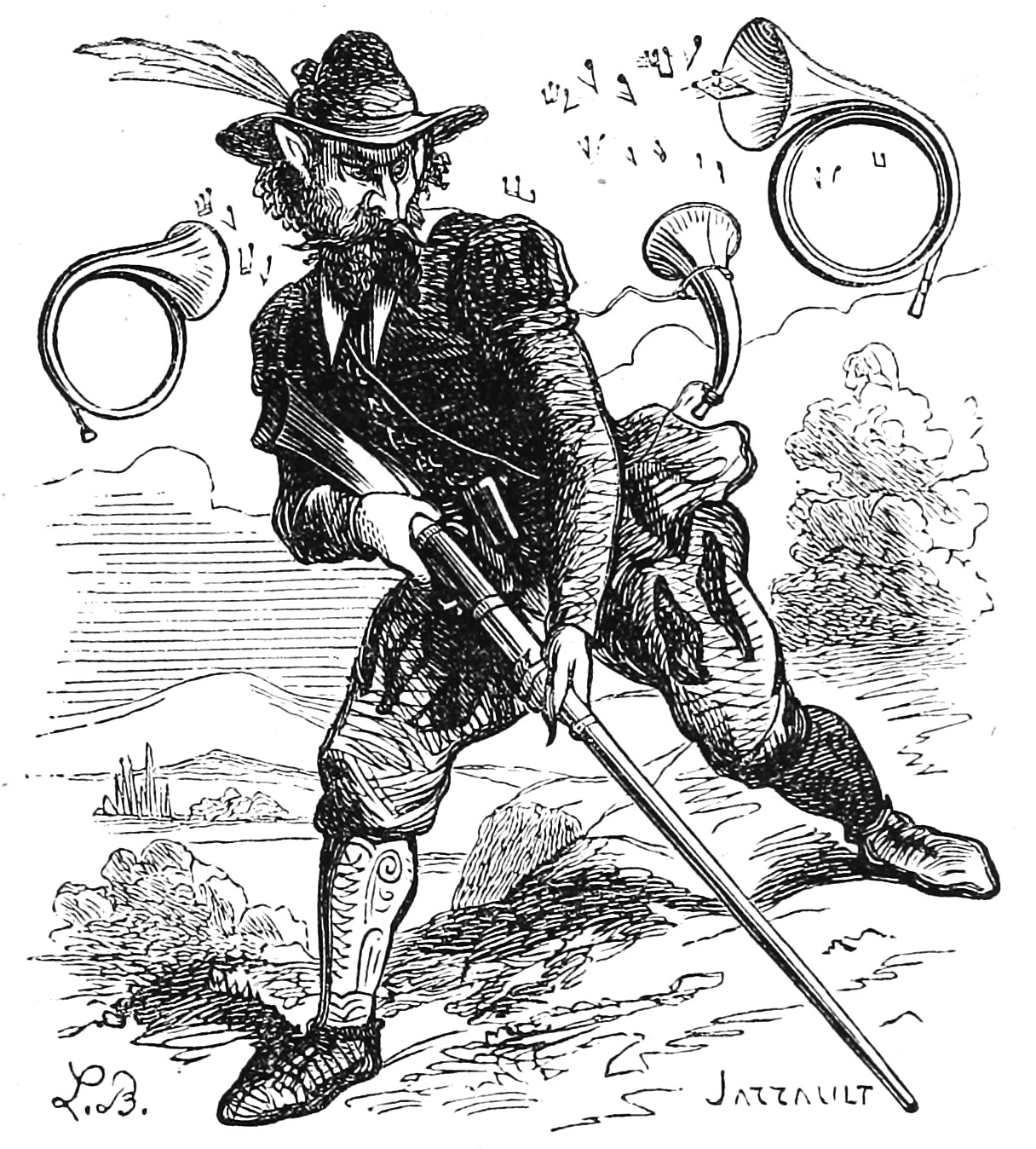
A Goetic duke connected with the speech of animals, enchanted treasure, and reconciliation.
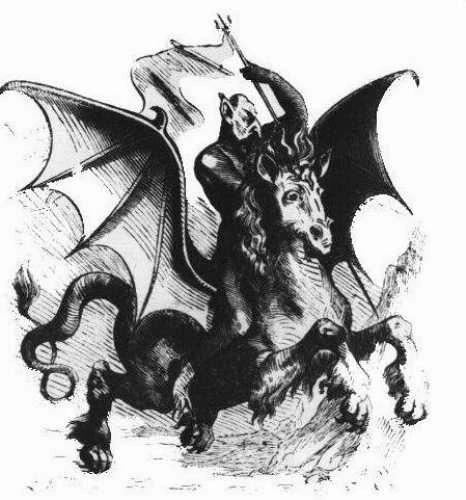
A Goetic duke depicted as a knight, associated with hidden matters, battles, and favor from powerful people.
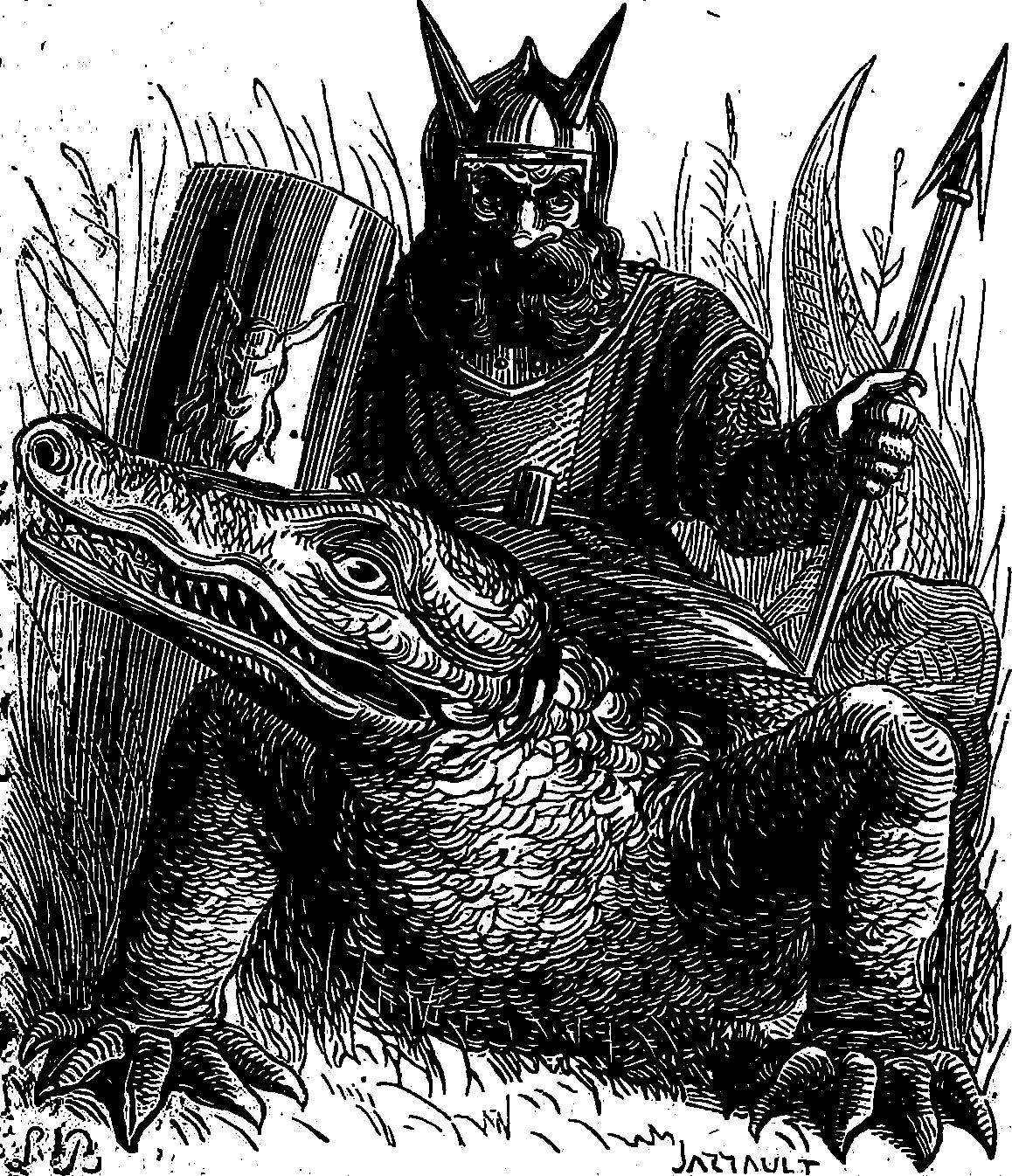
A Goetic duke, also called Saleos, described as a peaceful soldier riding a crocodile.
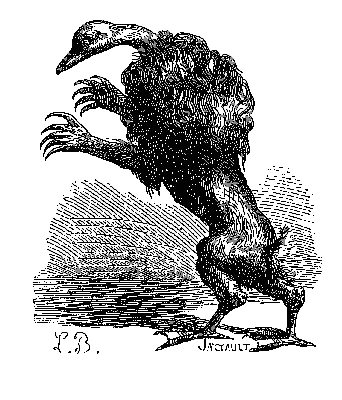
A Goetic spirit with an angelic body, lion head, goose foot, and hare tail, associated with knowledge and boldness.
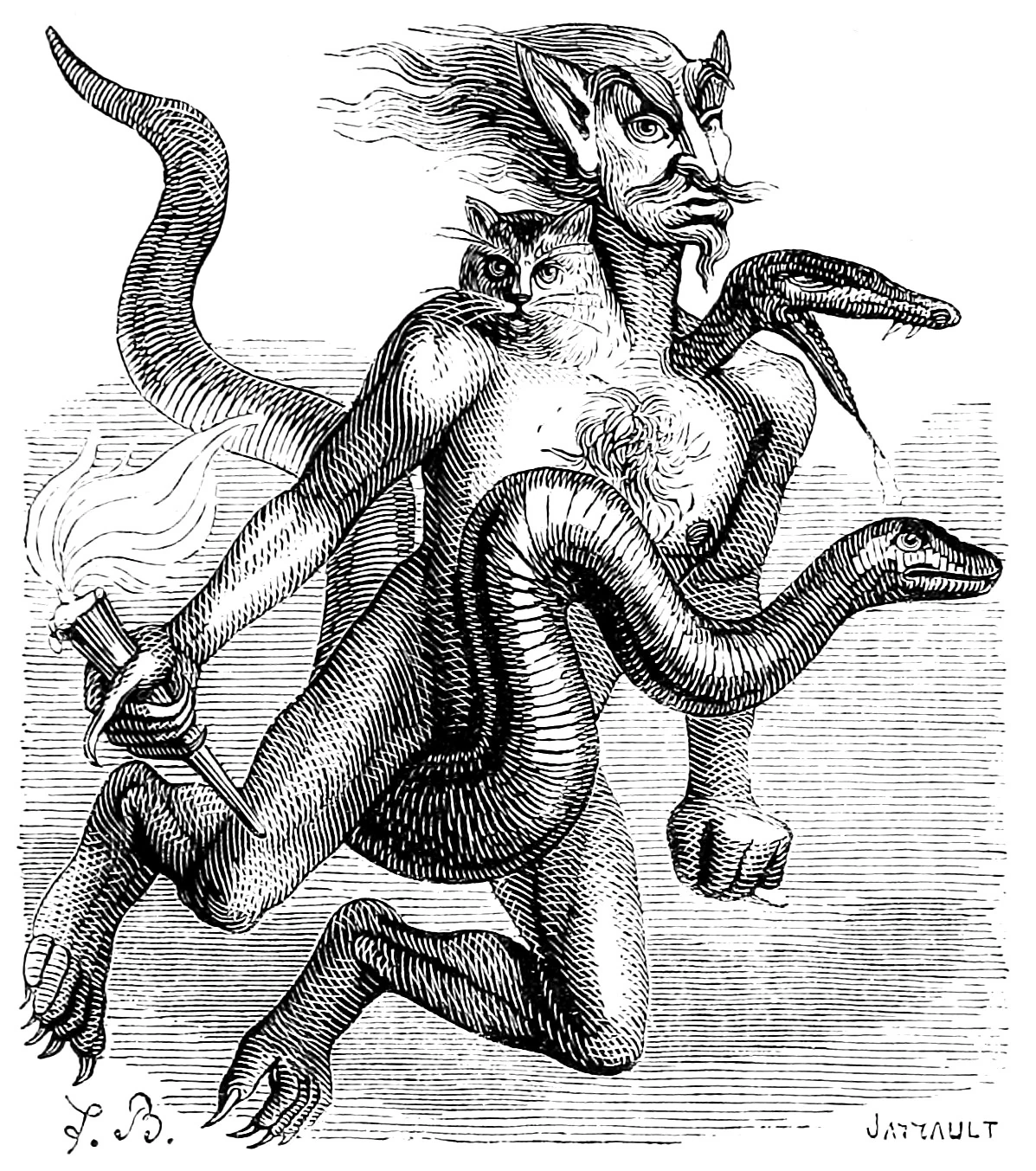
A Goetic duke with three heads, a serpent mount, and a firebrand, associated with fire and private questions.
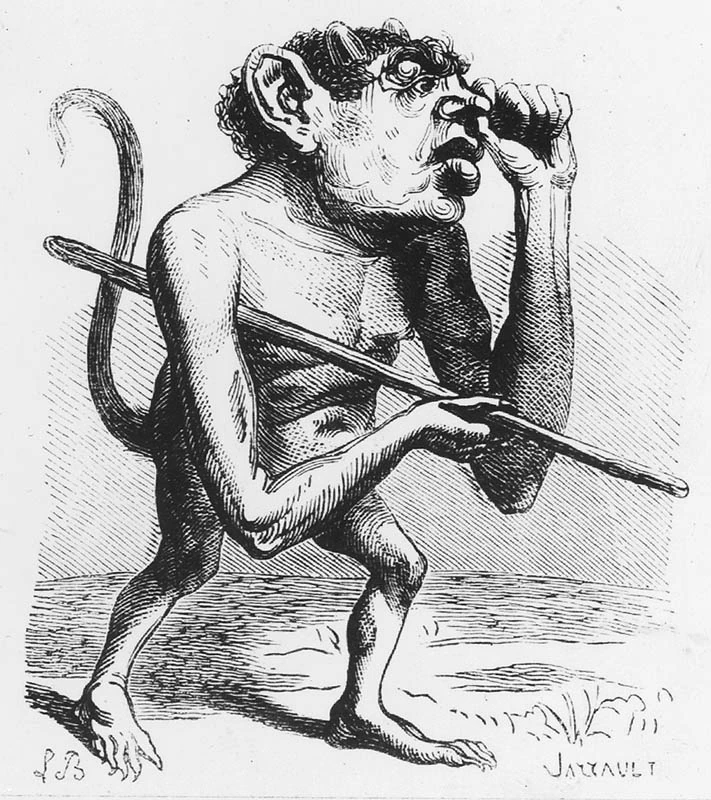
A Goetic spirit associated with rhetoric, languages, servants, and social favor.
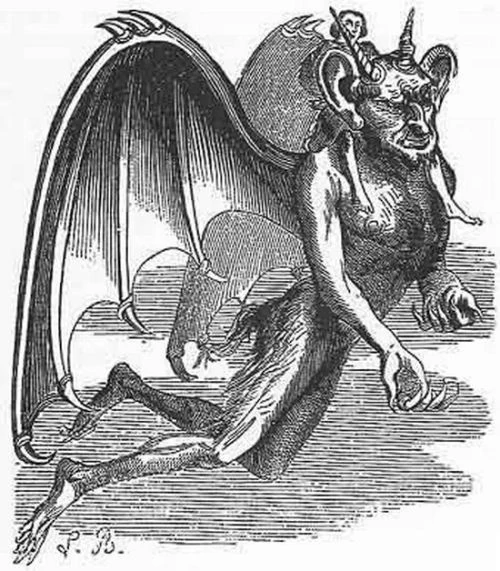
A Goetic spirit associated with learning, altered perception, familiars, and rapid travel.
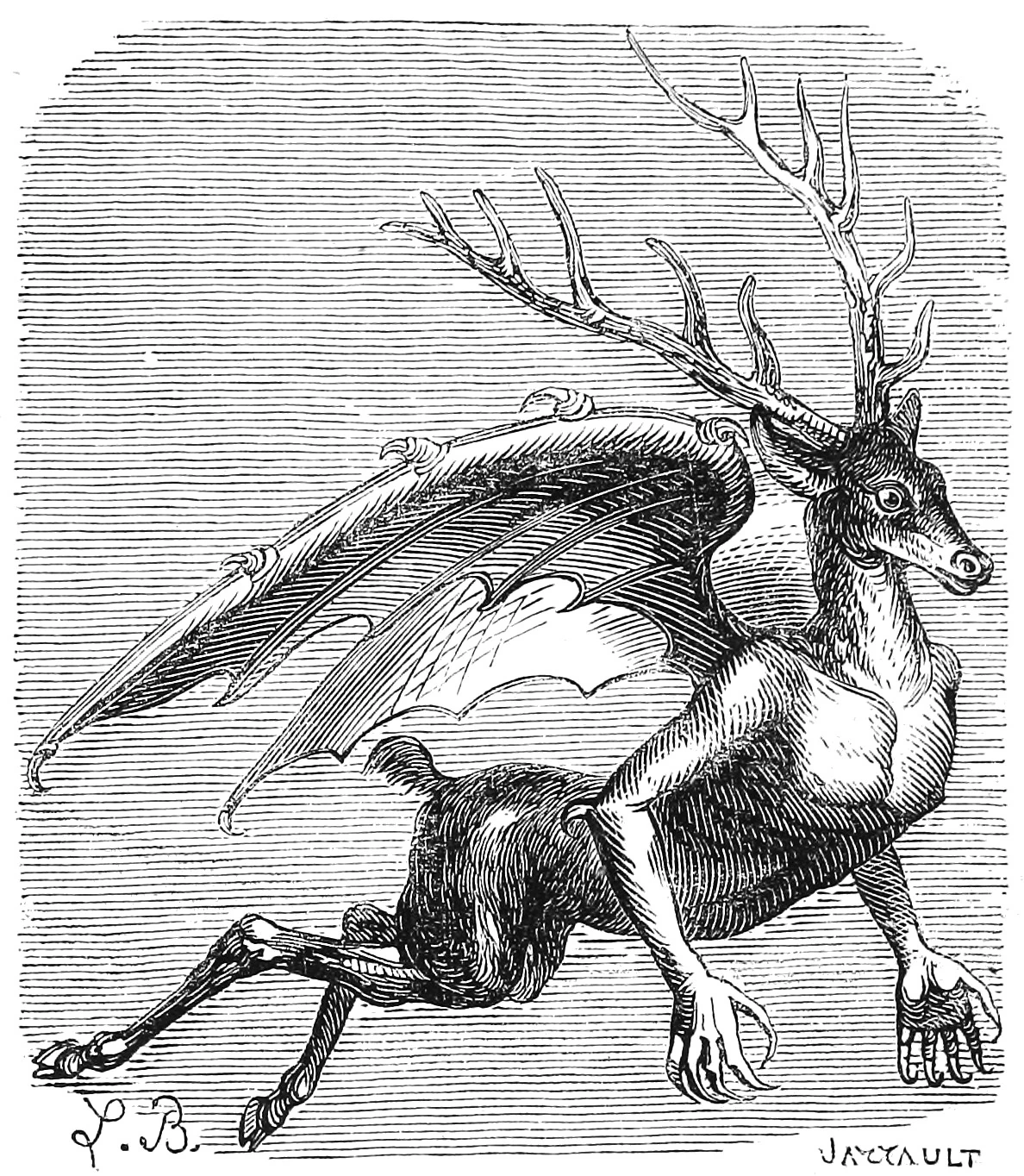
A Goetic earl depicted as a hart with a fiery tail, associated with storms and constrained answers.
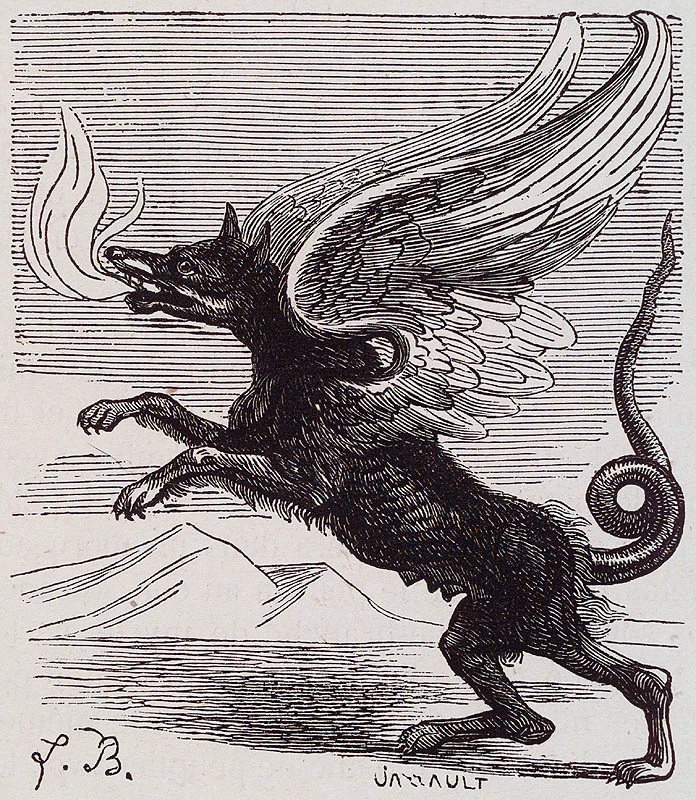
A Goetic marquis with a winged wolf form, described as a fighter who hopes to return to a heavenly throne.
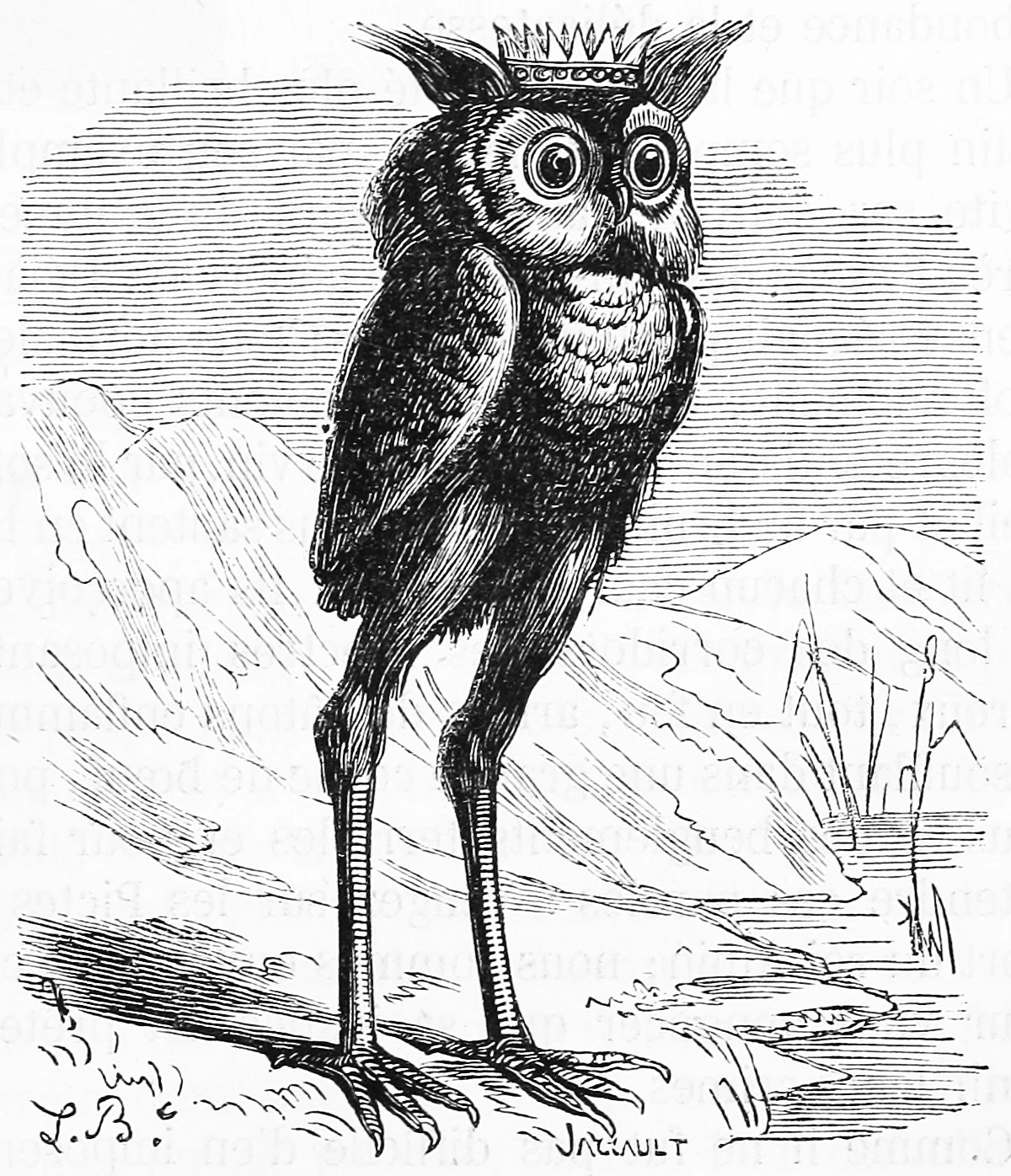
A Goetic prince associated with astronomy, herbs, and precious stones, with changing bird imagery in later reception.
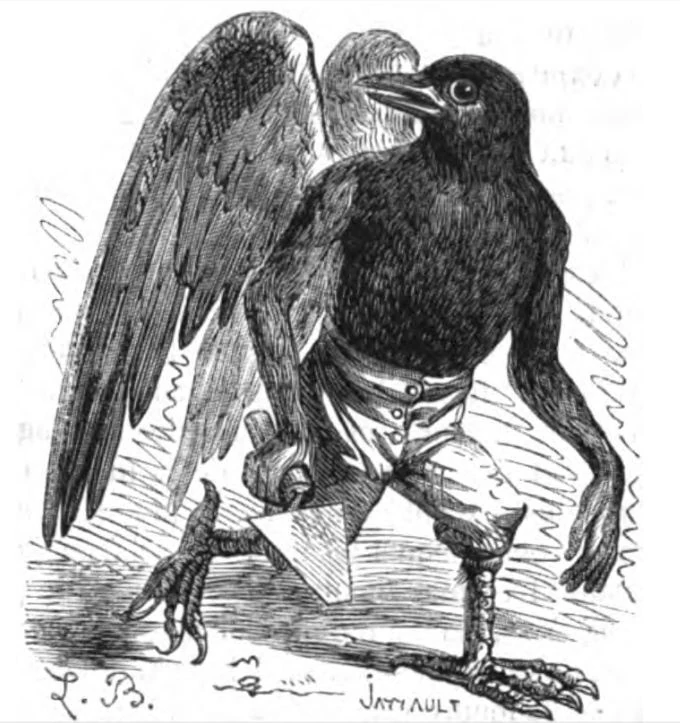
A Goetic president in a dark bird form, associated with building and a warning about offerings.
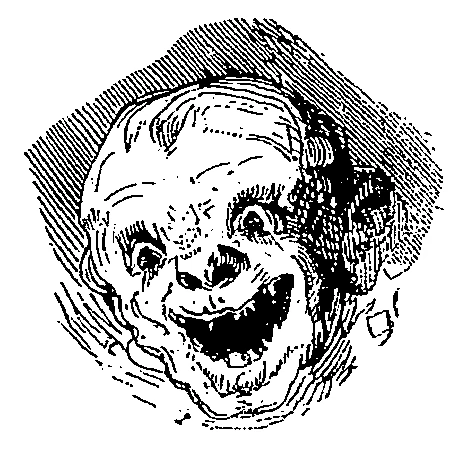
A Goetic earl associated with learned subjects, burial places, and lights at graves.