Search

Results for “Ars Goetia”

156 resultsResults prioritize title matches, then summaries and article text.Try topic browsing →
Culture & Ethics

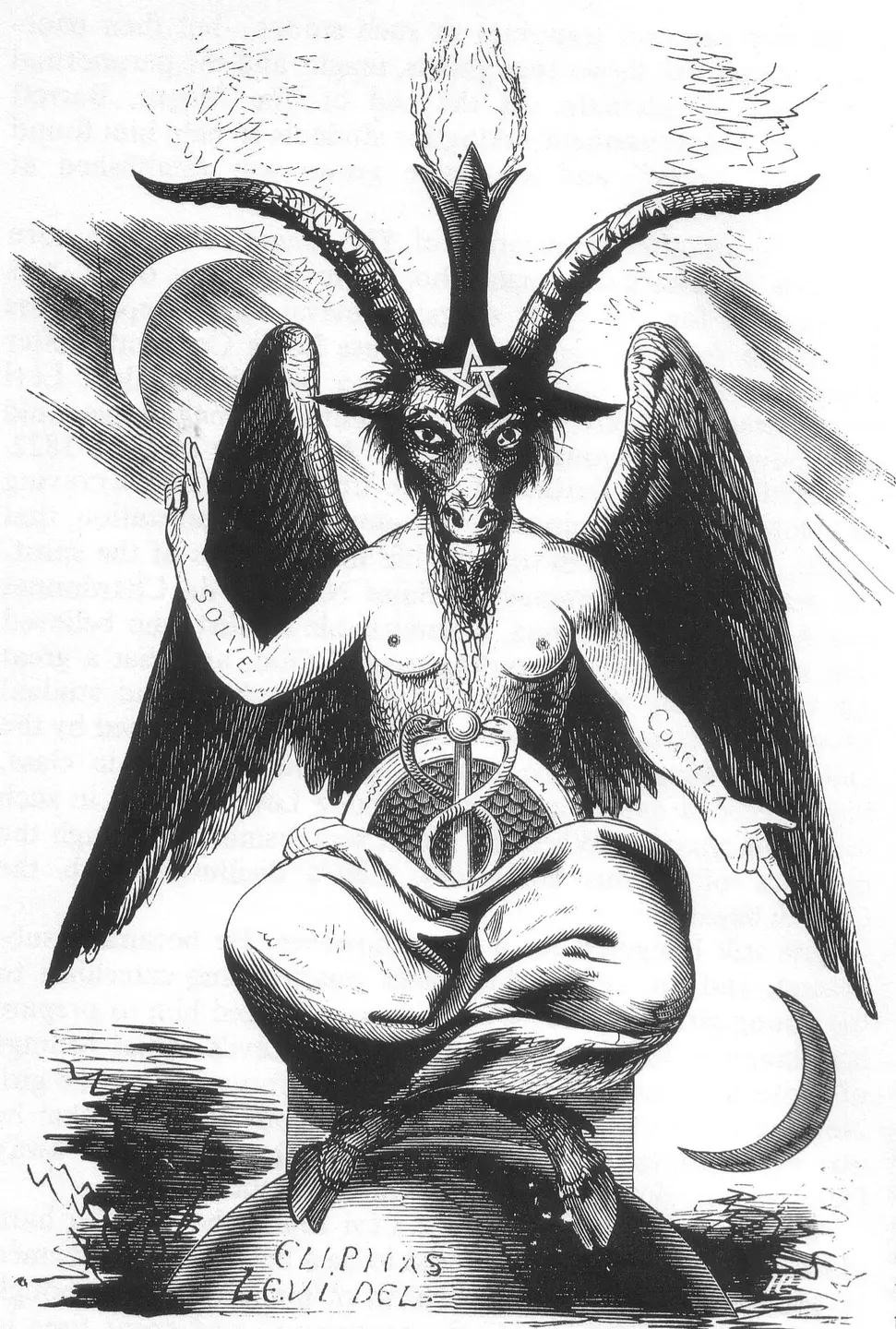
Baphomet

Baphomet is an occult figure whose history connects the medieval trial of the Knights Templar, nineteenth-century ceremonial symbolism, twentieth-century Satanic iconography, and the modern public imagery of The Satanic Temple. The familiar goat-headed, winged, androgynous figure is not a medieval portrait of a secret Templar god. It was created in the nineteenth century by the French occultist Éliphas…
History

Modern theistic Satanism

Modern theistic Satanism refers to contemporary religious currents in which Satan is understood as an independently real deity, spirit, intelligence, or metaphysical presence and is approached through devotion, ritual, prayer, magic, contemplation, or other religious practices. It is part of the wider field of modern Satanism but differs from explicitly non-theistic movements that use Satan primarily as…

Devotional Practice

Ritual in theistic Satanism

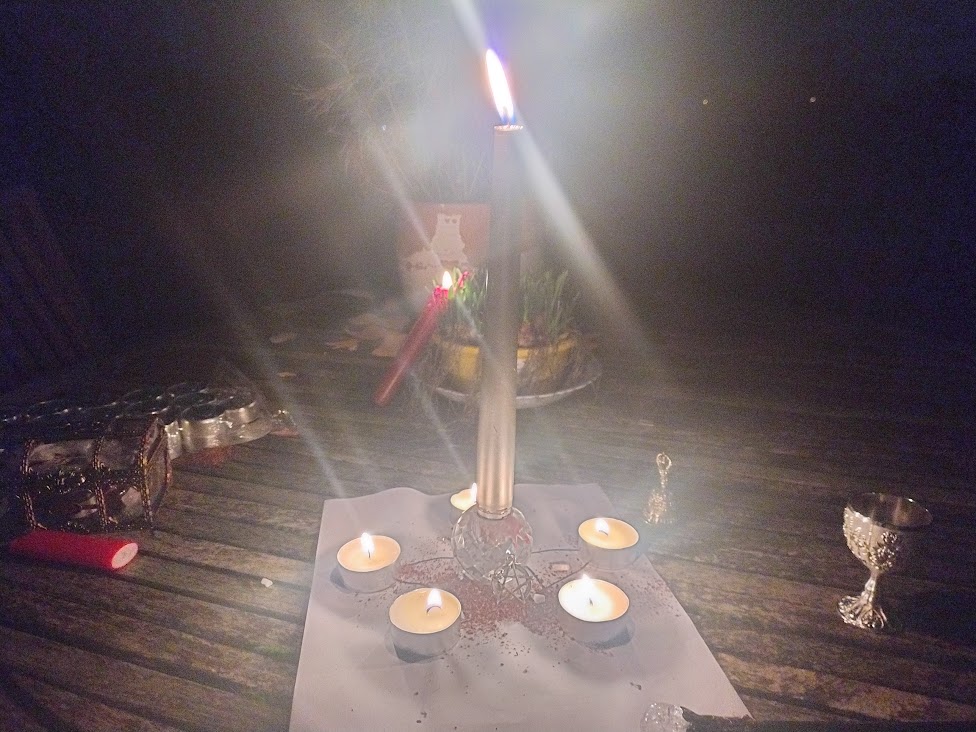
Ritual is patterned action given special religious, symbolic, social, or transformative significance. Ritual can mark time, establish sacred space, communicate with a deity, express commitment, create community, memorialize the dead, enact a transition, or focus attention on a chosen purpose. In theistic Satanism, ritual commonly includes devotional action directed toward Satan or other spirits…

Theistic Satanism

Symbolic and theistic Satanism

Symbolic and theistic Satanism are broad labels used to distinguish Satanist traditions according to how they understand Satan’s reality. In theistic Satanism, Satan is ordinarily regarded as a real deity, spirit, intelligence, or independently existing being. In symbolic or non-theistic Satanism, Satan is understood primarily as a symbol, literary figure, archetype, cultural adversary, or name for a…

Devotional Practice

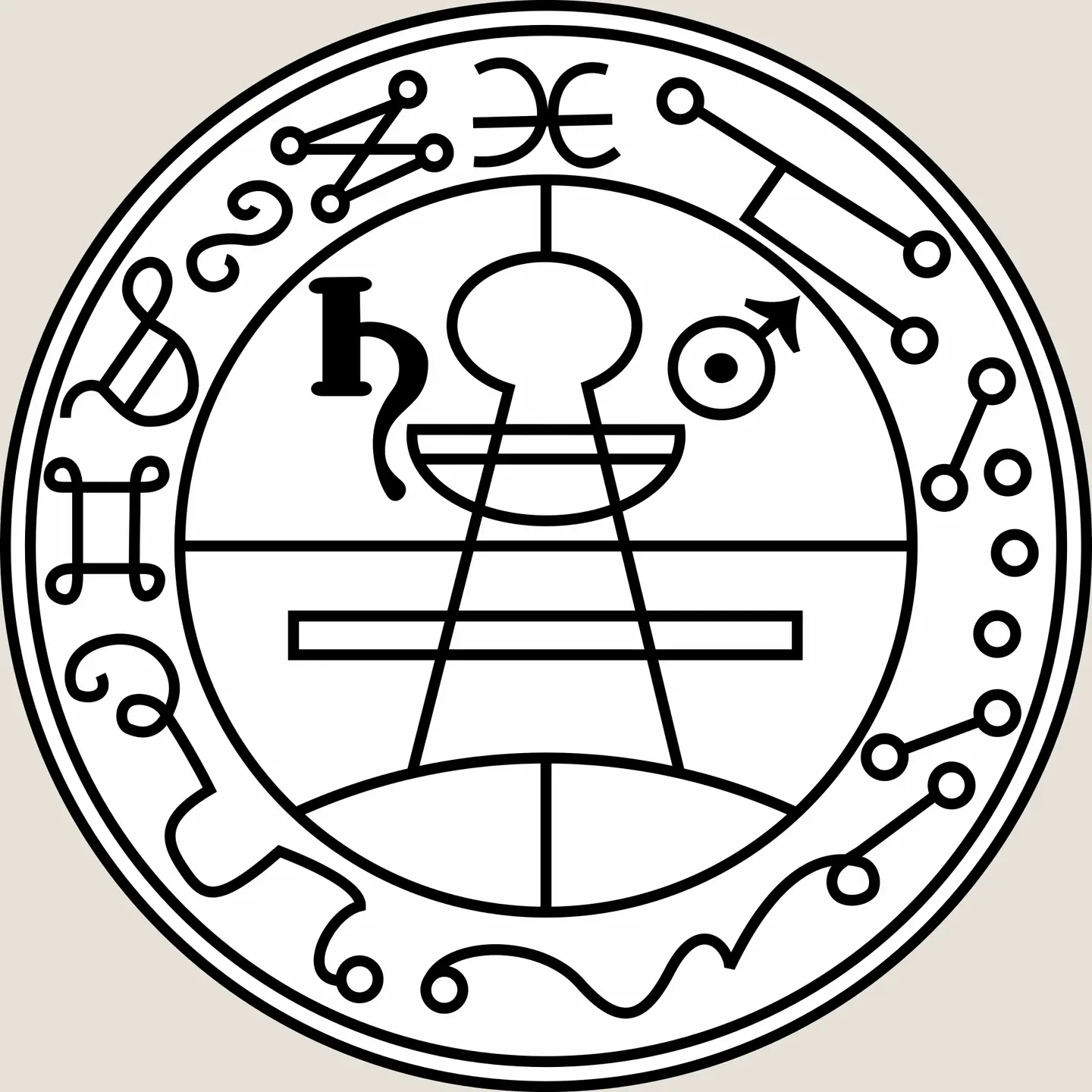
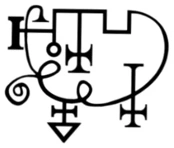
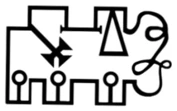
Sigils

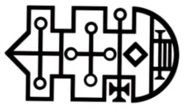
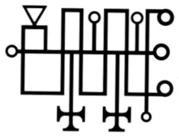
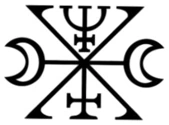
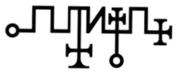
Sigils are graphic signs used in particular magical systems. Historical spirit seals, ceremonial figures, and modern personal signs should be distinguished.

Demonology & Spirits

Samigina

A Goetic marquis, also called Gamigin, associated with liberal studies and accounts of deceased souls.

Demonology & Spirits

Valefor

A Goetic duke whose description combines a lion-like form with a warning about theft and familiar spirits.

Demonology & Spirits

Leraje

A Goetic marquis described as a green-clad archer associated with conflict and arrow wounds.

Demonology & Spirits

Purson

A Goetic king riding a bear, with offices concerning hidden knowledge, treasure, and cosmology.

Demonology & Spirits

Forneus

A Goetic marquis described as a sea monster, associated with language, reputation, and rhetoric.

Demonology & Spirits

Foras

A Goetic president associated with logic, ethics, plants, stones, longevity, and lost things.

Demonology & Spirits

Raum

A Goetic earl associated with royal treasure, the destruction of cities, and altered relationships.

Demonology & Spirits

Haagenti

A Goetic president with a winged bull form, associated with wisdom and the transformation of substances.

Demonology & Spirits

Crocell

A Goetic duke, also called Procel, associated with geometry, hidden matters, and sounds of water.

Demonology & Spirits

Murmur

A Goetic spirit associated with philosophy and the compelled appearance of deceased souls.

Demonology & Spirits

Ose

A Goetic president associated with learned subjects and transformations that alter a person's understanding of identity.

Demonology & Spirits

Zagan

A Goetic spirit with a winged bull form, associated with wit and transformations of liquids and metals.

Demonology & Spirits

Andrealphus

A peacock-shaped Goetic marquis associated with geometry, measurement, astronomy, and bird transformation.

Demonology & Spirits

Cimejes

A mounted Goetic marquis associated with grammar, rhetoric, logic, and hidden treasure.

Demonology & Spirits

Seere

A Goetic prince riding a winged horse, associated with rapid movement and the recovery of hidden things.