History
Solomon in magical literature
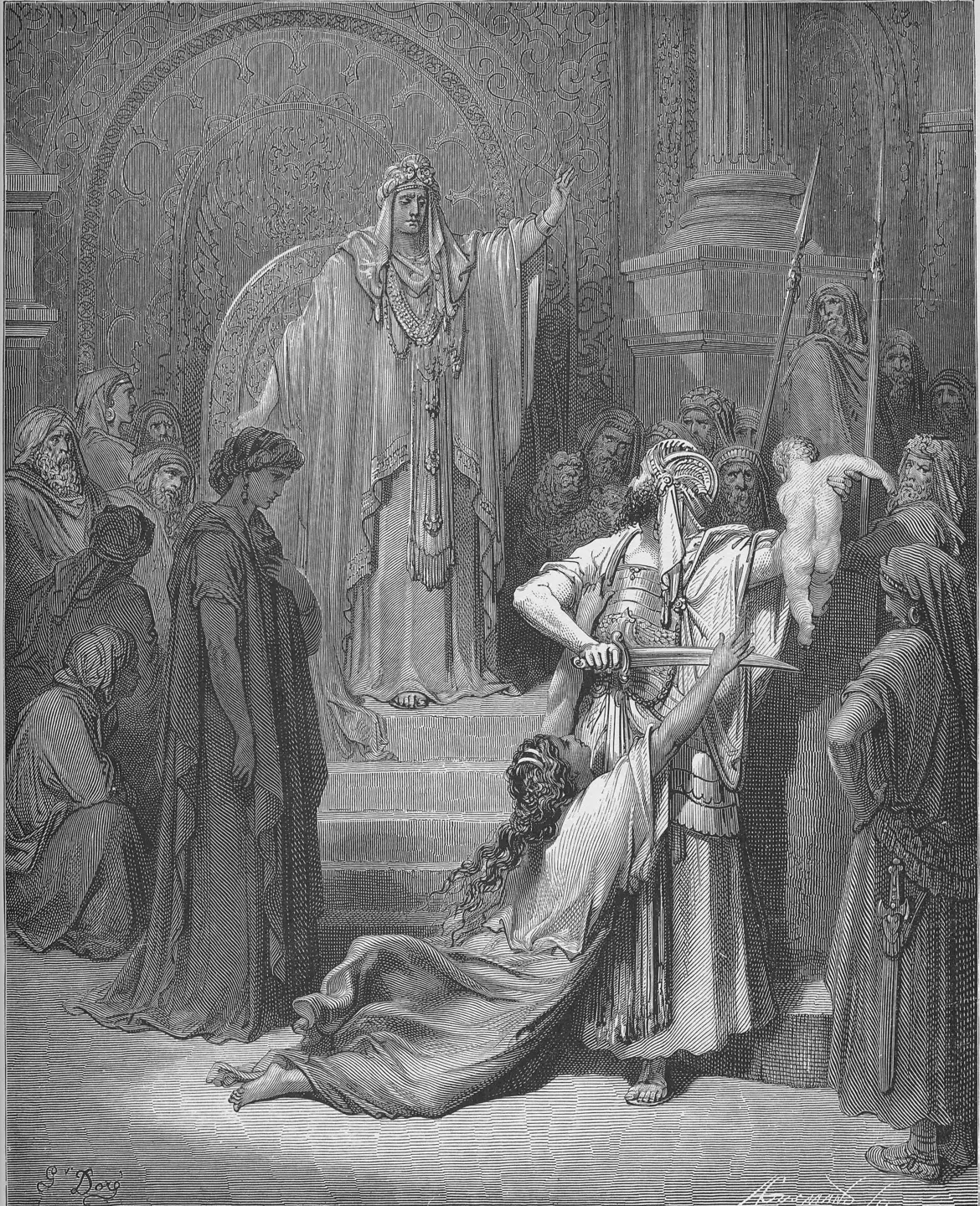
Solomon’s name supplies authority to several magical and religious works. Attribution to the king must be distinguished from the date and authorship of the surviving text.
Solomon’s name supplies authority to several magical and religious works. Attribution to the king must be distinguished from the date and authorship of the surviving text.
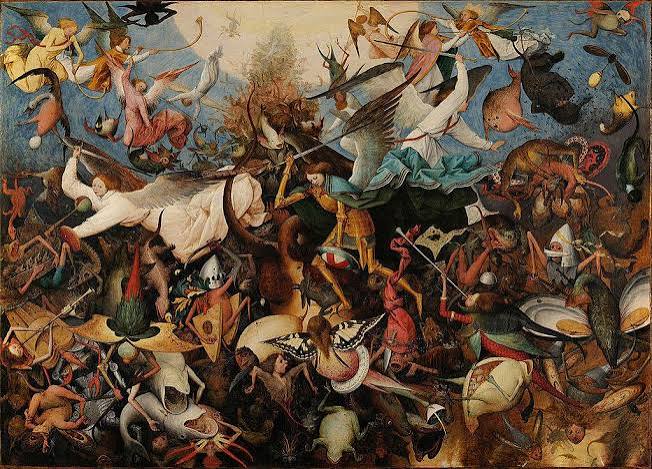
Fallen angels are heavenly beings portrayed as losing their place or proper condition through transgression. Enochic descent, Satan’s refusal to honor Adam, and the war in Revelation are distinct accounts that later interpretation can bring together.
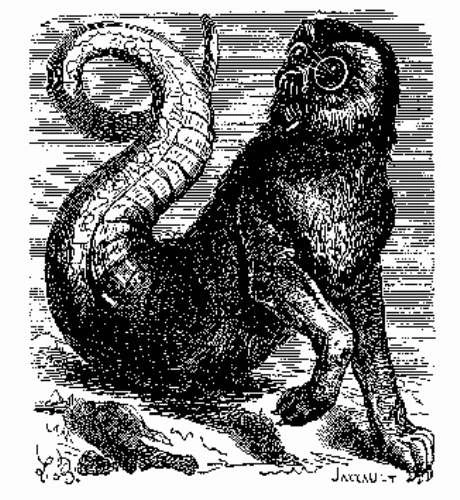
A Goetic marquis with a wolf-like appearance, associated with knowledge and the making or resolution of disputes.
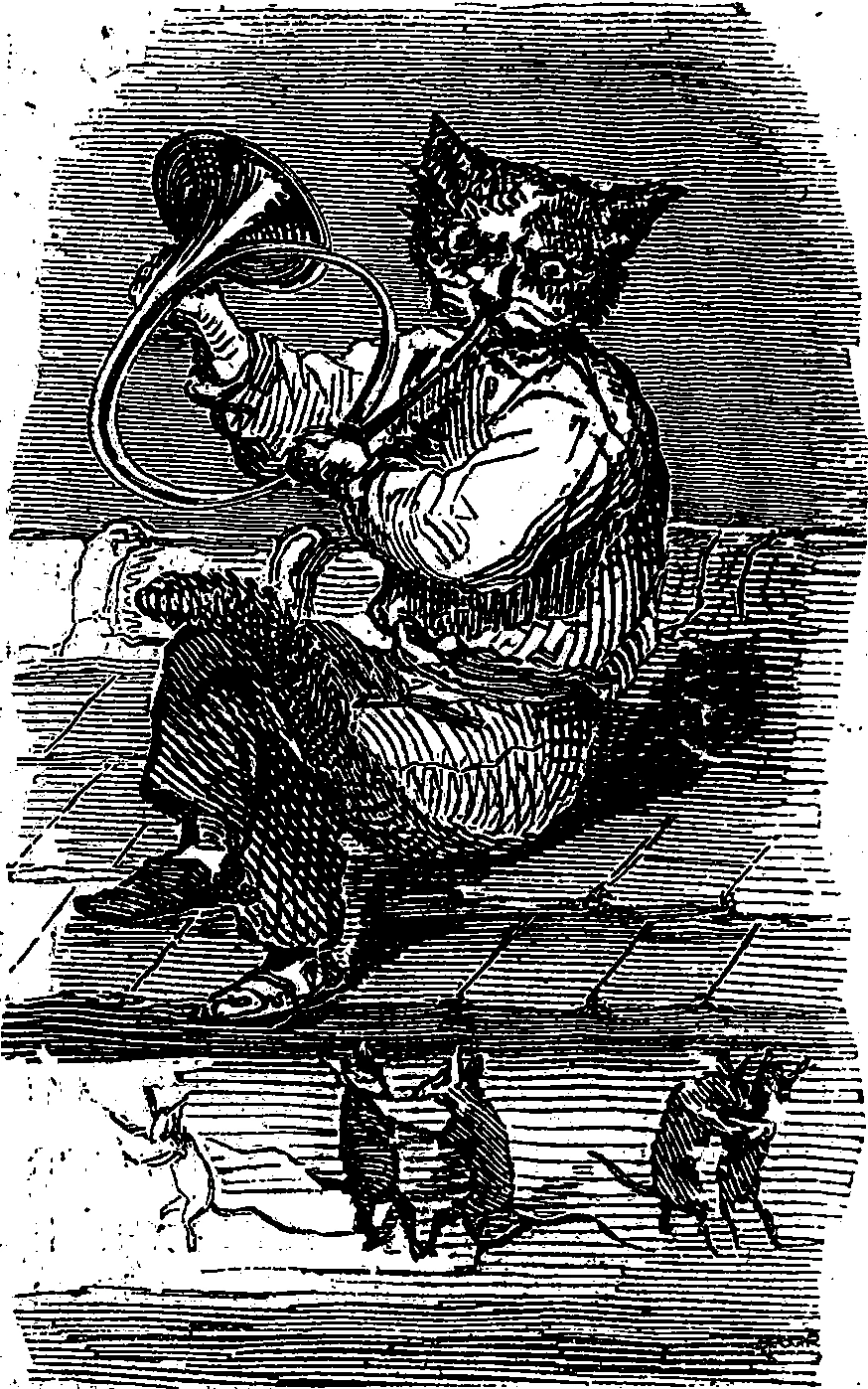
A Goetic king riding a pale horse, associated with desire and an elaborate ceremonial reception.
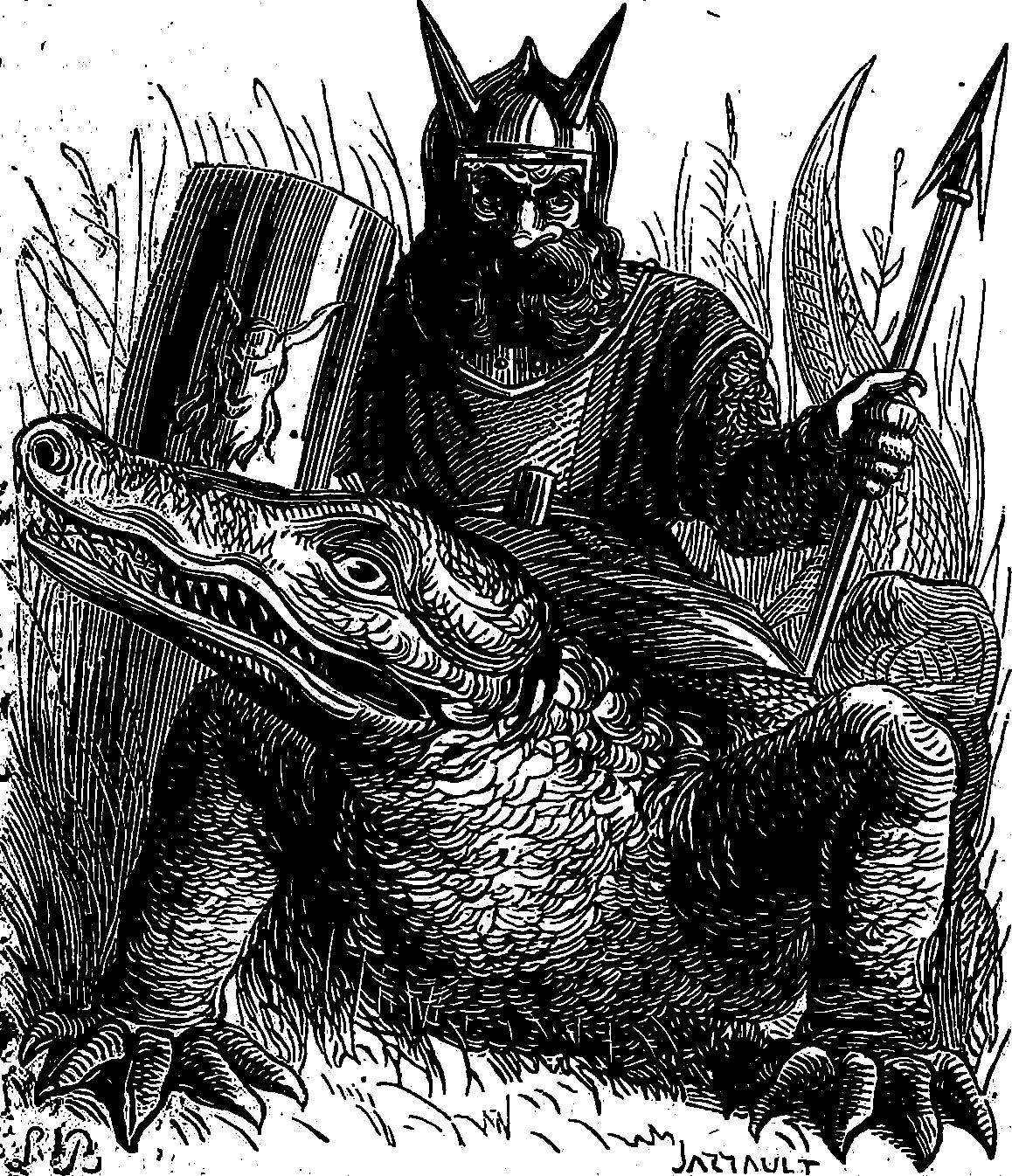
A Goetic duke, also called Saleos, described as a peaceful soldier riding a crocodile.
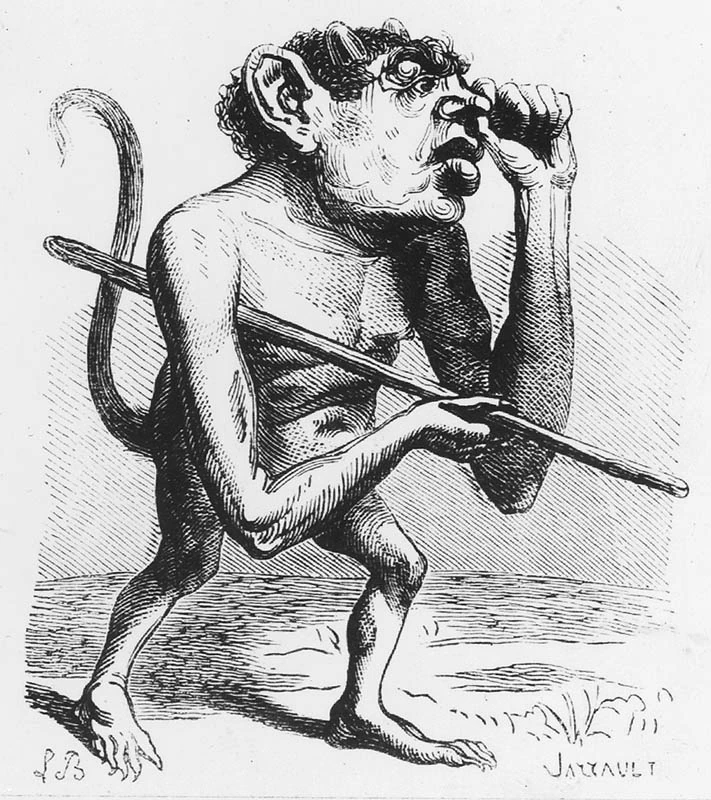
A Goetic spirit associated with rhetoric, languages, servants, and social favor.
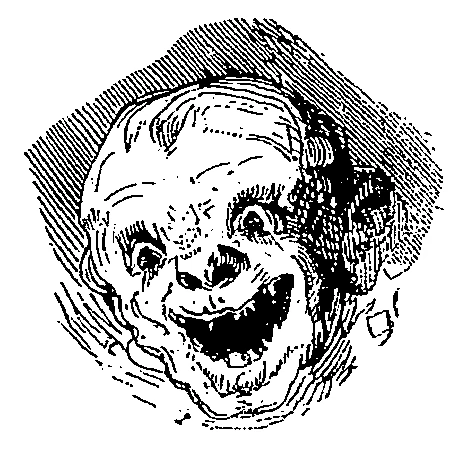
A Goetic earl associated with learned subjects, burial places, and lights at graves.
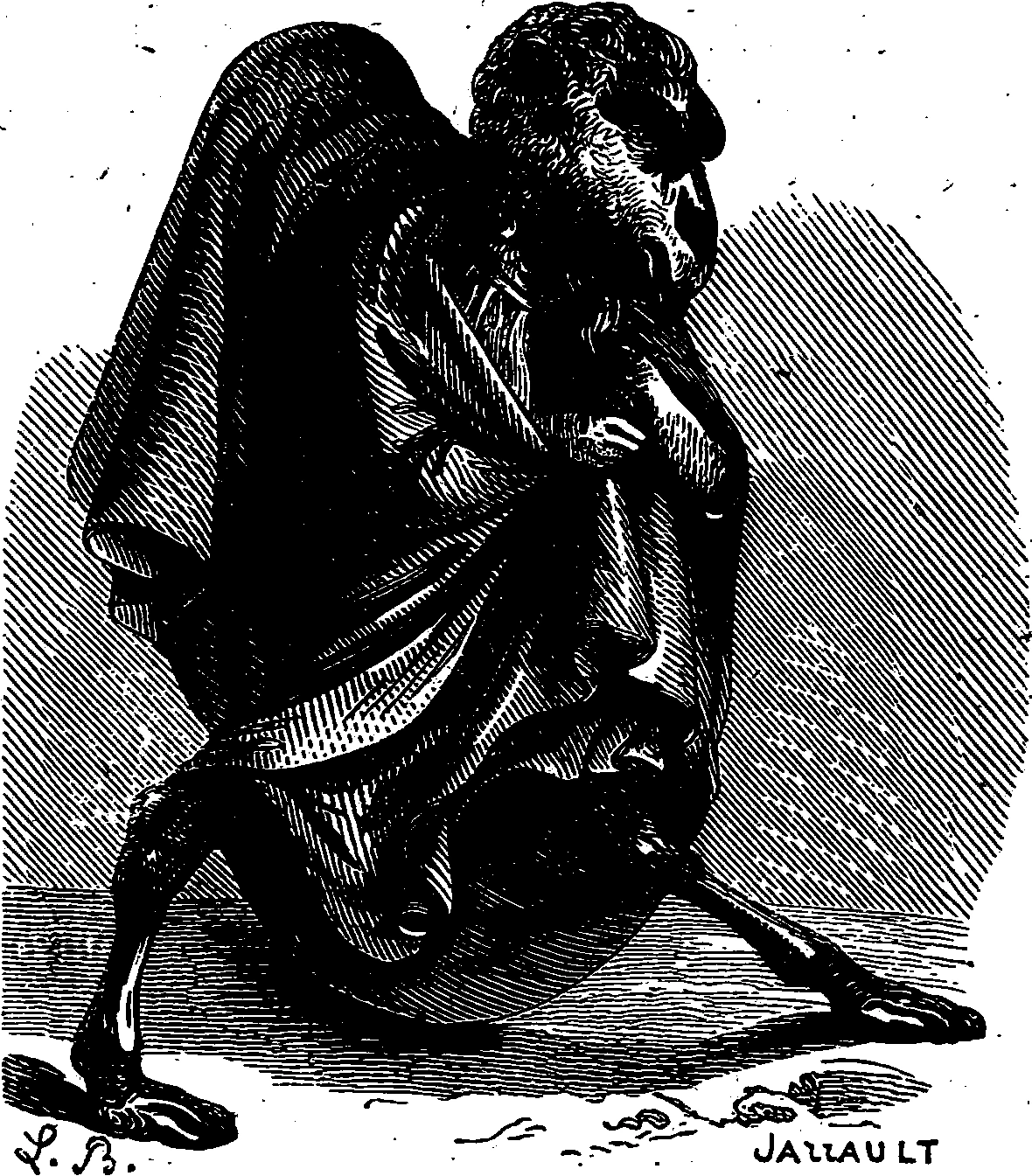
A Goetic duke first appearing as a dromedary, associated with affection, friendship, and knowledge.
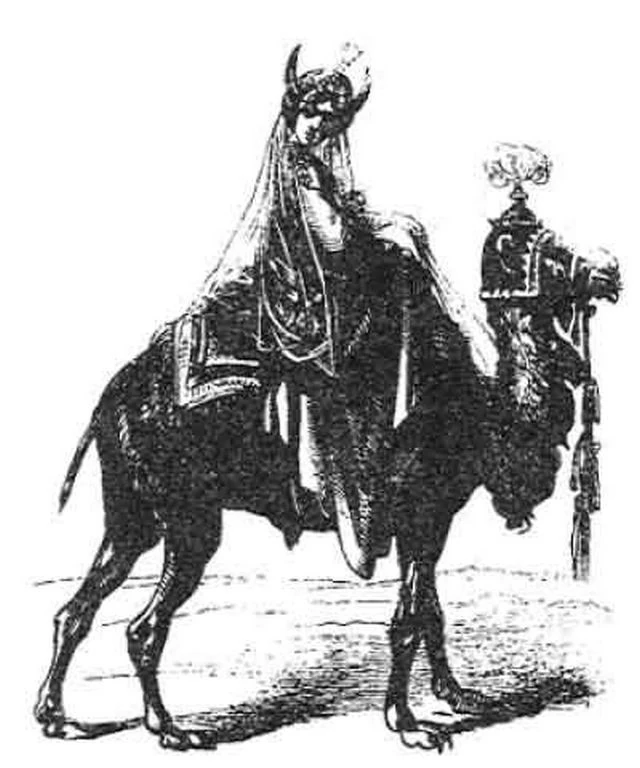
A Goetic duke depicted as a woman on a camel, associated with hidden knowledge, treasure, and attraction.
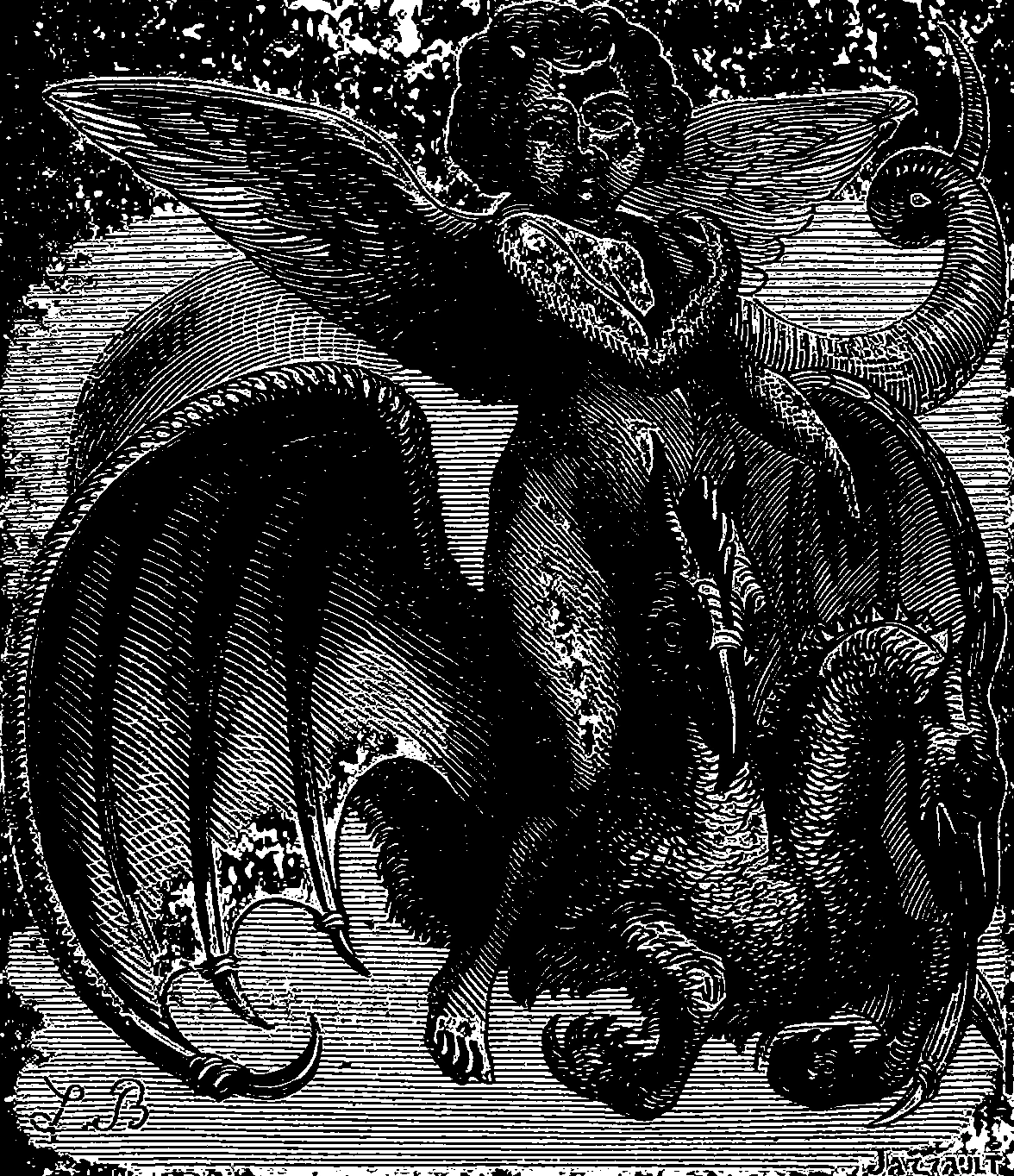
A Goetic president described as a winged boy on a two-headed dragon, associated with treasure and serpents.
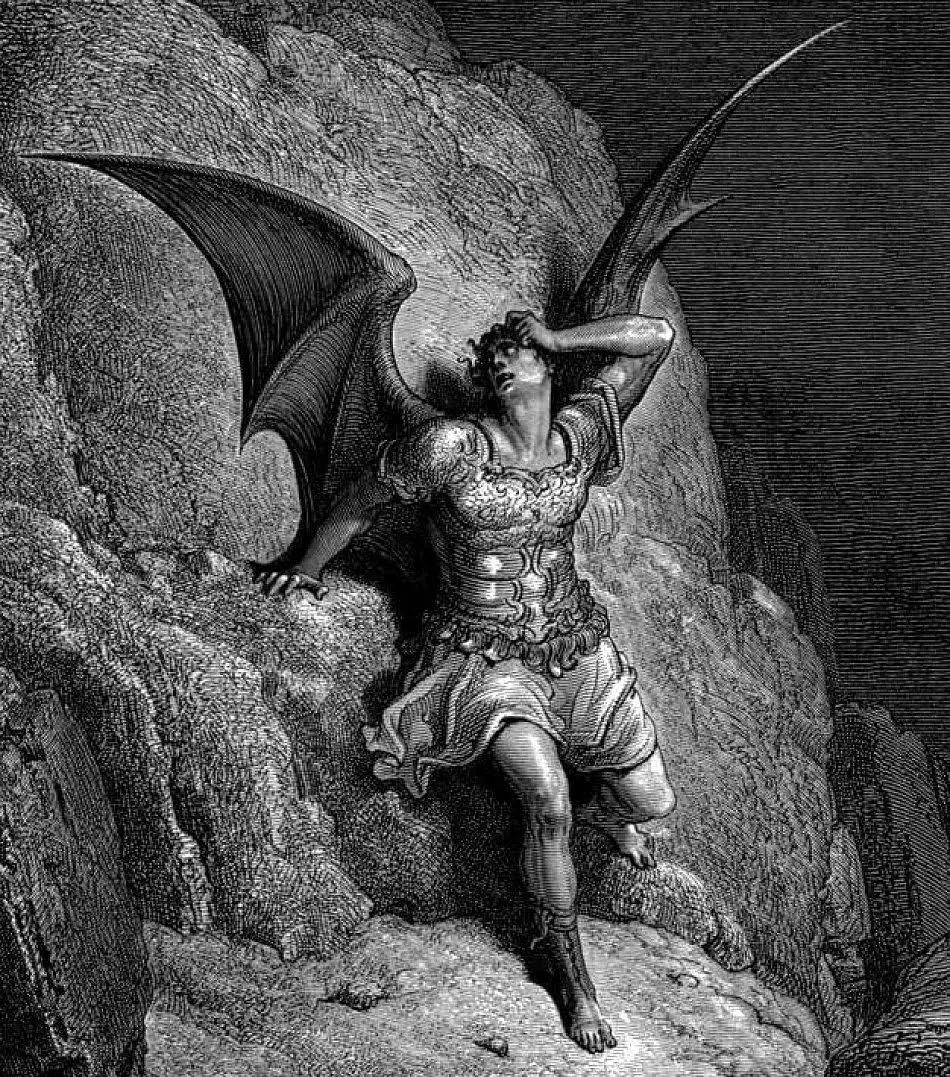
Satan is a figure whose meaning has changed substantially across Jewish, Christian, Islamic, literary, esoteric, and modern Satanic contexts. In contemporary theistic Satanism, Satan may be understood as a real deity, spirit, adversary, initiator, or metaphysical intelligence. Those modern interpretations draw on, but are not identical with, the much older history of the word and character.
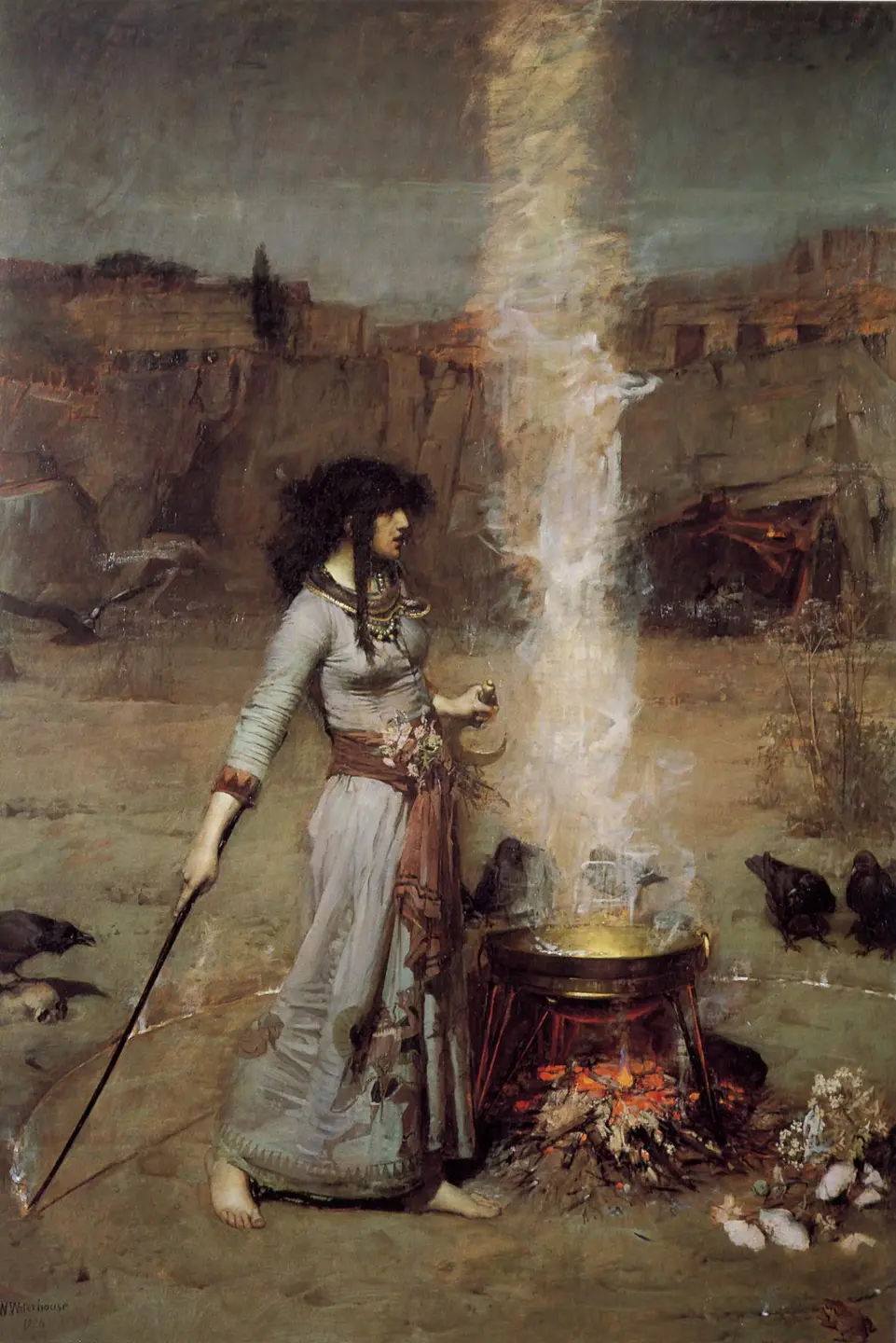
Demonolatry refers to devotion to demons or daemonic beings. Modern accounts vary in theology, authority, and their relationship with historical grimoires.
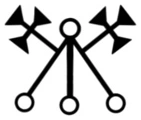
A Goetic president depicted as a lion, associated with hidden knowledge, mechanical arts, and transformation.
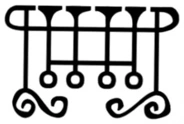
A Goetic duke associated with answers, reconciliation, and the obscure term Xenopilus.
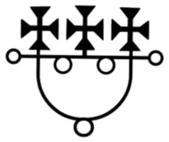
A Goetic prince portrayed with a leopard head and griffin wings, whose stated office concerns desire.
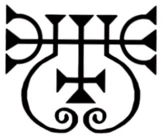
A Goetic duke depicted as a red-clad soldier whose entry concerns attraction and fertility.
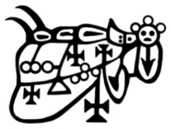
A Goetic duke associated with wealth, eloquence, and the places of the dead.
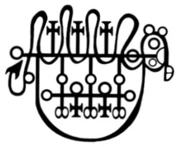
A Goetic duke portrayed as a mermaid, associated with ships, storms, and afflicted wounds.
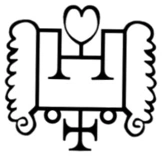
A winged lion-shaped Goetic duke associated with crafts, philosophy, and learned subjects.
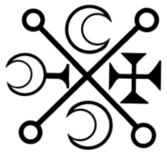
A Goetic marquis appearing as a star, associated with plants, stones, and bird-like apparitions.