Demonology & Spirits
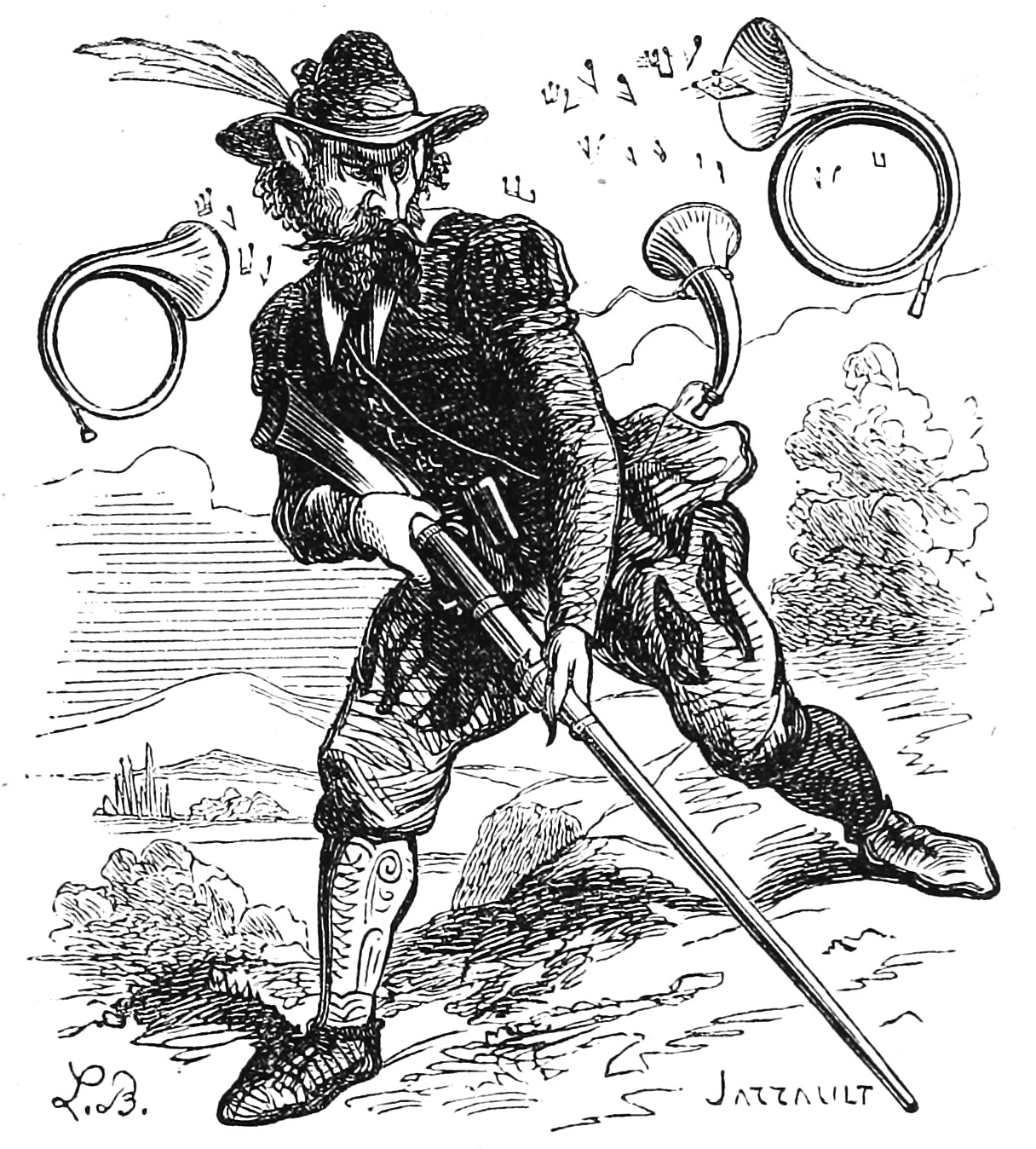
Barbatos
A Goetic duke connected with the speech of animals, enchanted treasure, and reconciliation.
A Goetic duke connected with the speech of animals, enchanted treasure, and reconciliation.

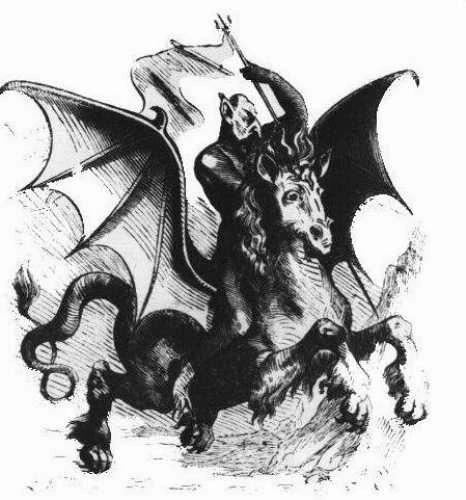
A Goetic king riding a pale horse, associated with desire and an elaborate ceremonial reception.
A Goetic duke depicted as a knight, associated with hidden matters, battles, and favor from powerful people.
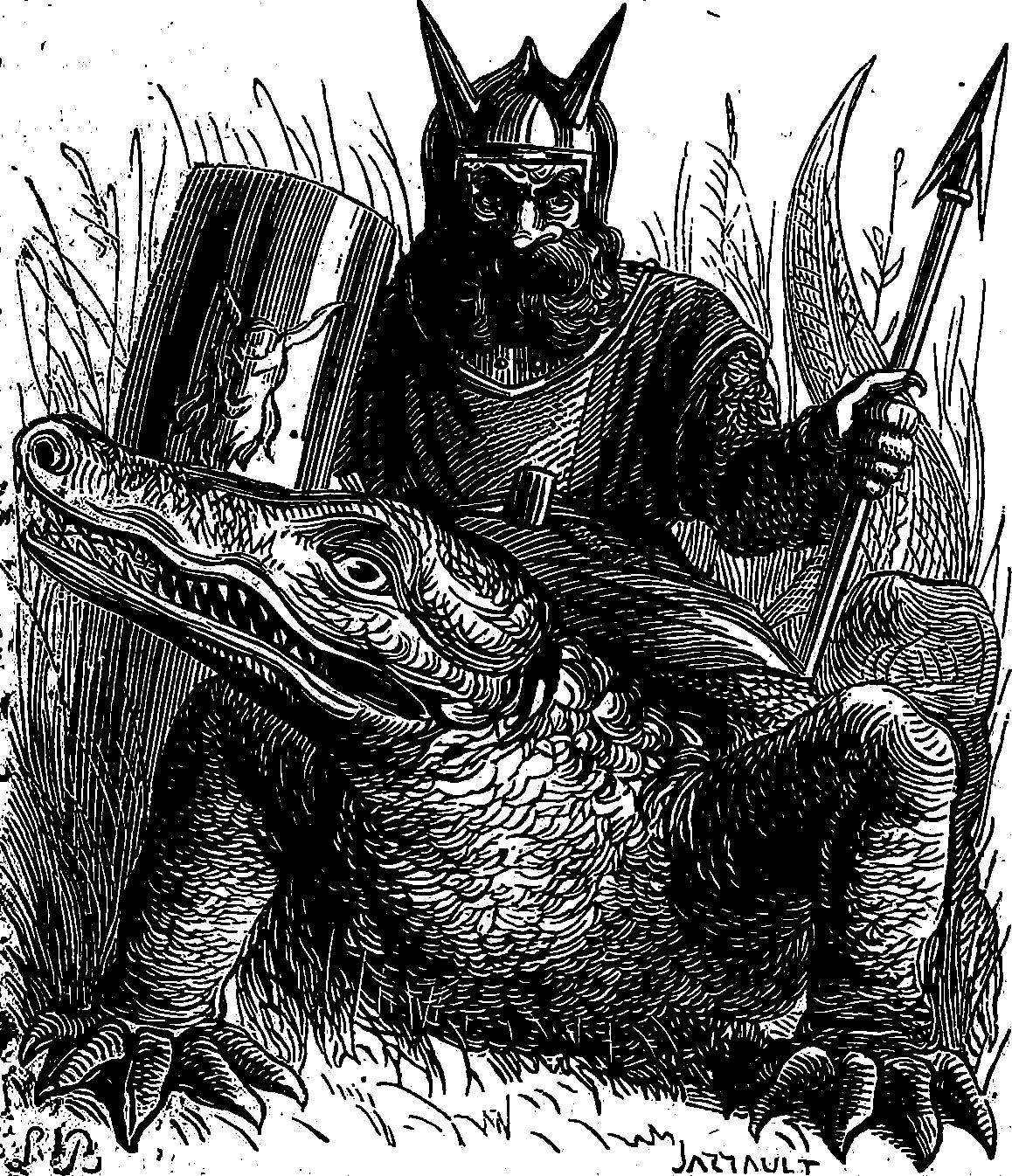
A Goetic duke, also called Saleos, described as a peaceful soldier riding a crocodile.
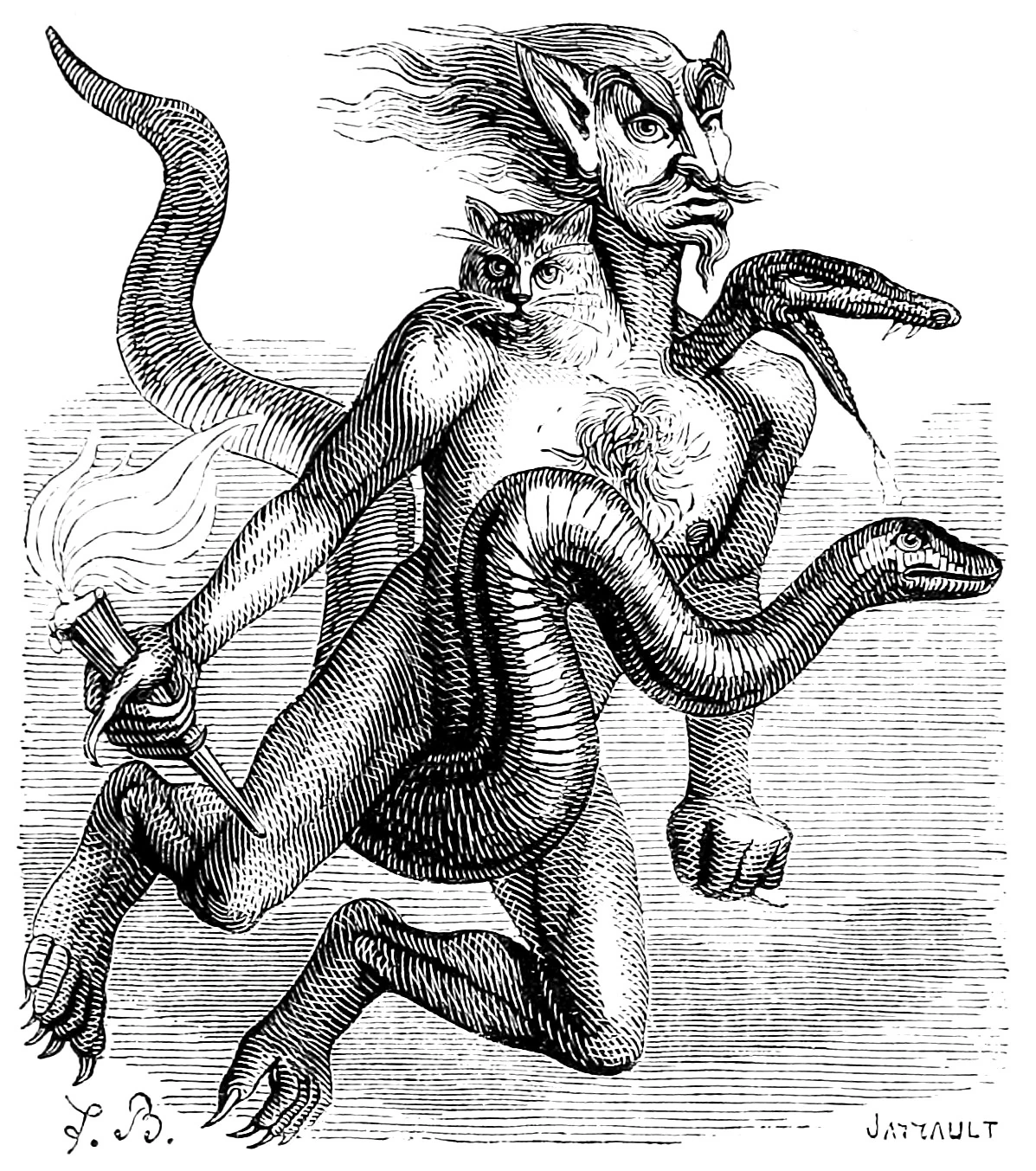
A Goetic duke with three heads, a serpent mount, and a firebrand, associated with fire and private questions.

A Goetic spirit associated with rhetoric, languages, servants, and social favor.
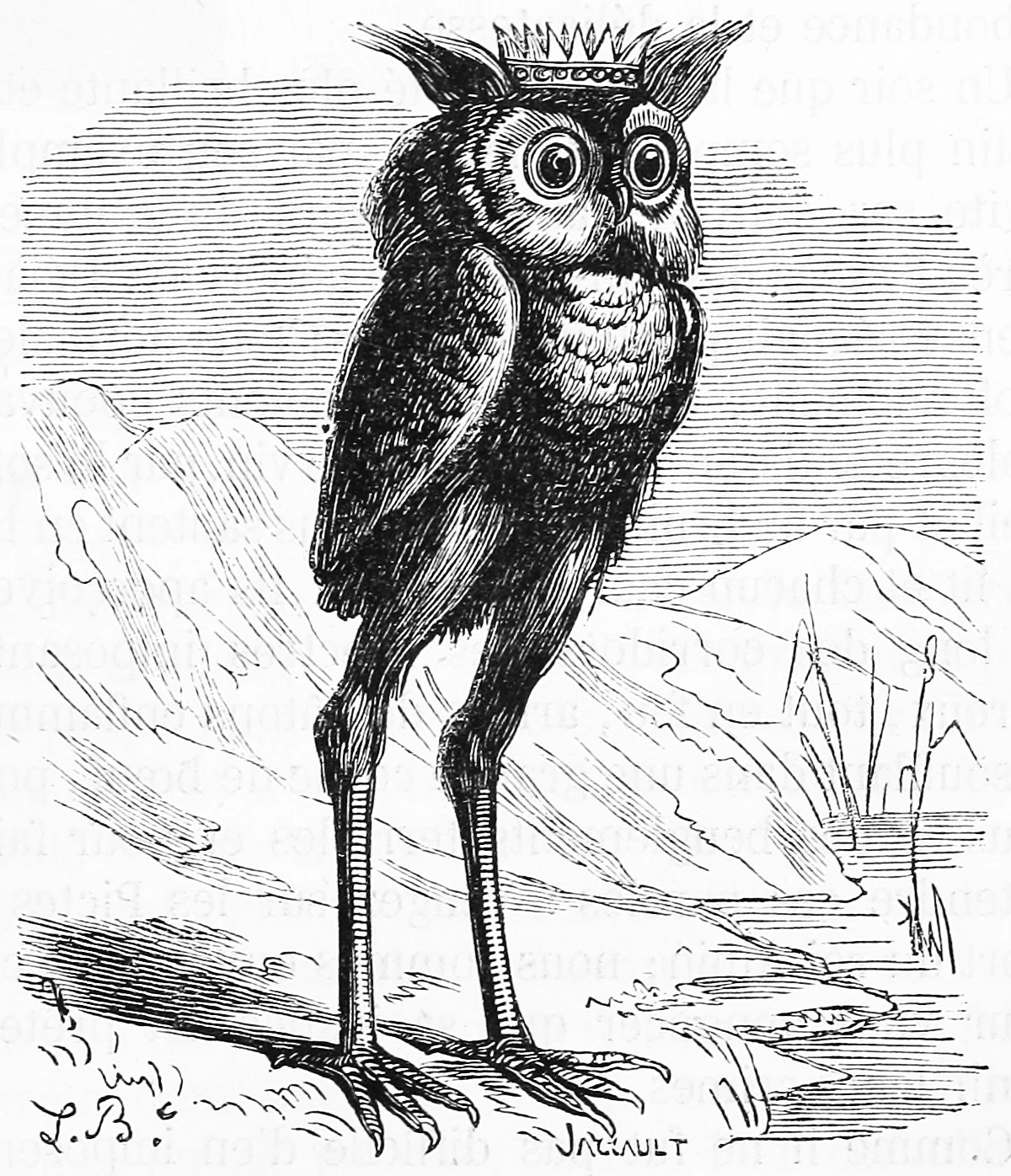
A Goetic prince associated with astronomy, herbs, and precious stones, with changing bird imagery in later reception.

A Goetic earl associated with learned subjects, burial places, and lights at graves.
A lion-faced Goetic duke who teaches astronomy and the liberal sciences.
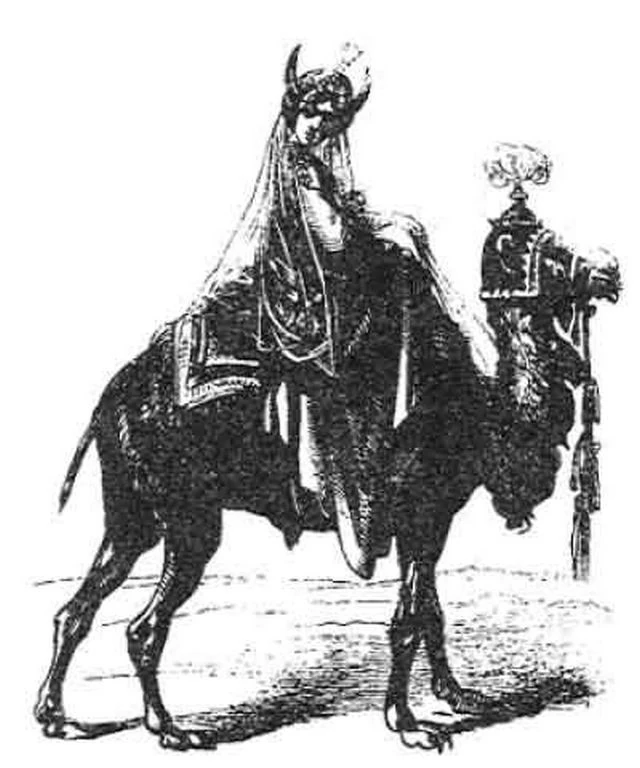
A Goetic duke depicted as a woman on a camel, associated with hidden knowledge, treasure, and attraction.
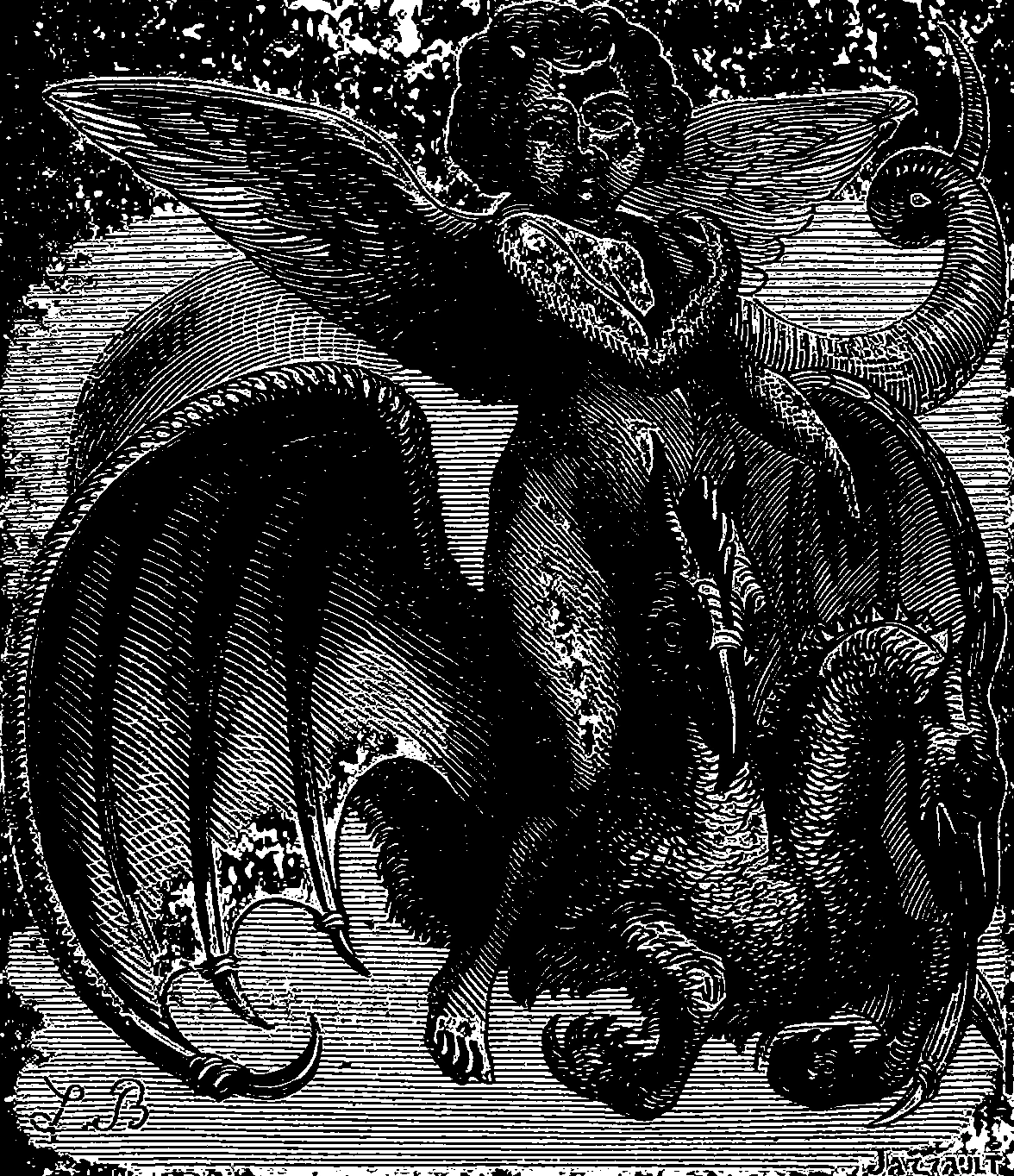
A Goetic president described as a winged boy on a two-headed dragon, associated with treasure and serpents.
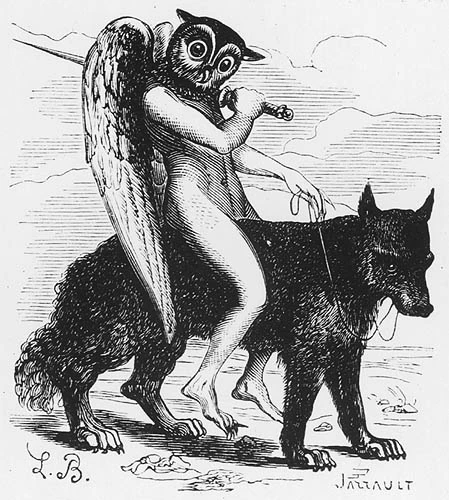
A Goetic marquis portrayed with a bird's head on a wolf, associated with discord and a warning of danger.
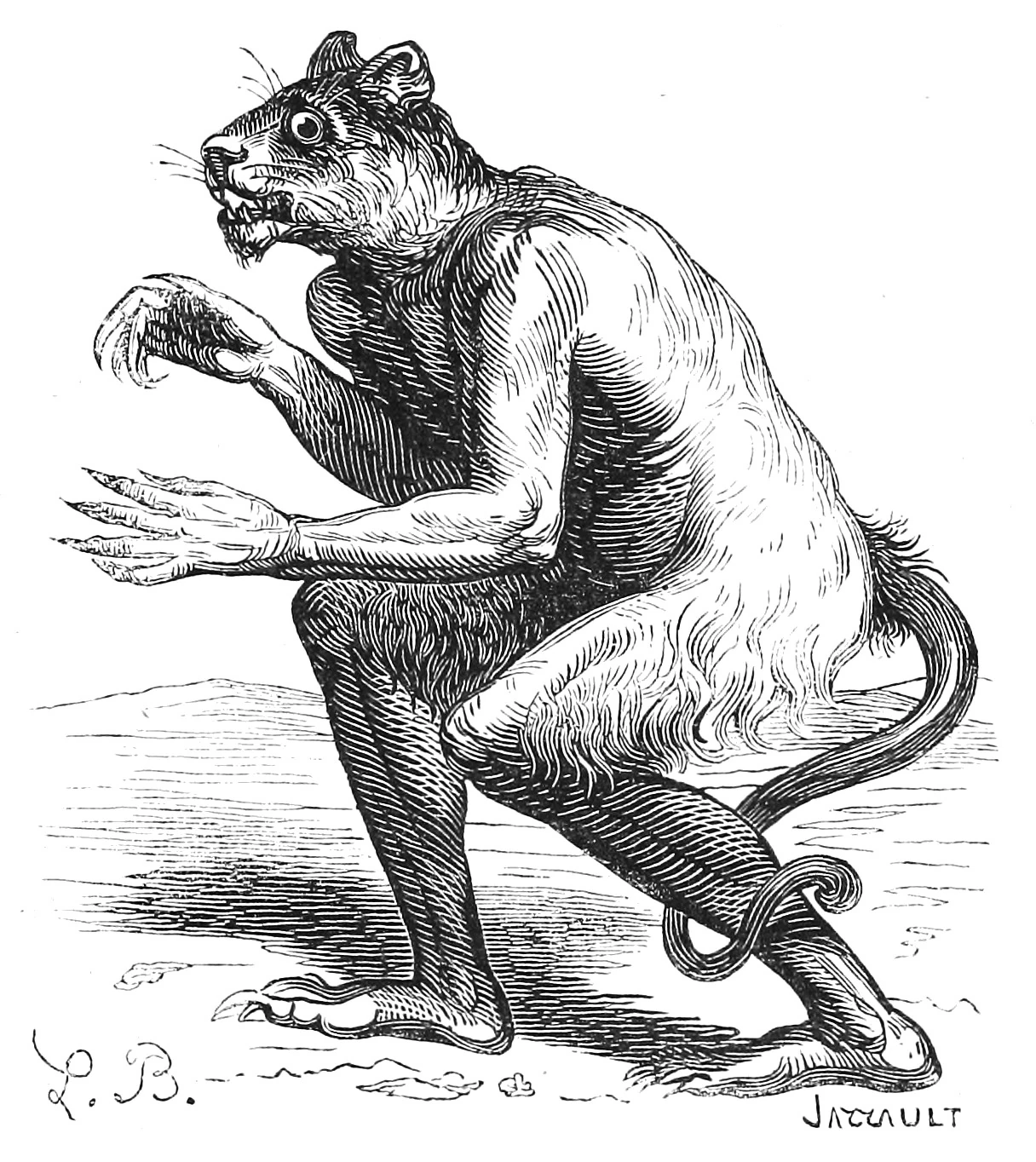
A Goetic duke, also called Flauros, associated with fiery destruction and answers about divine matters.
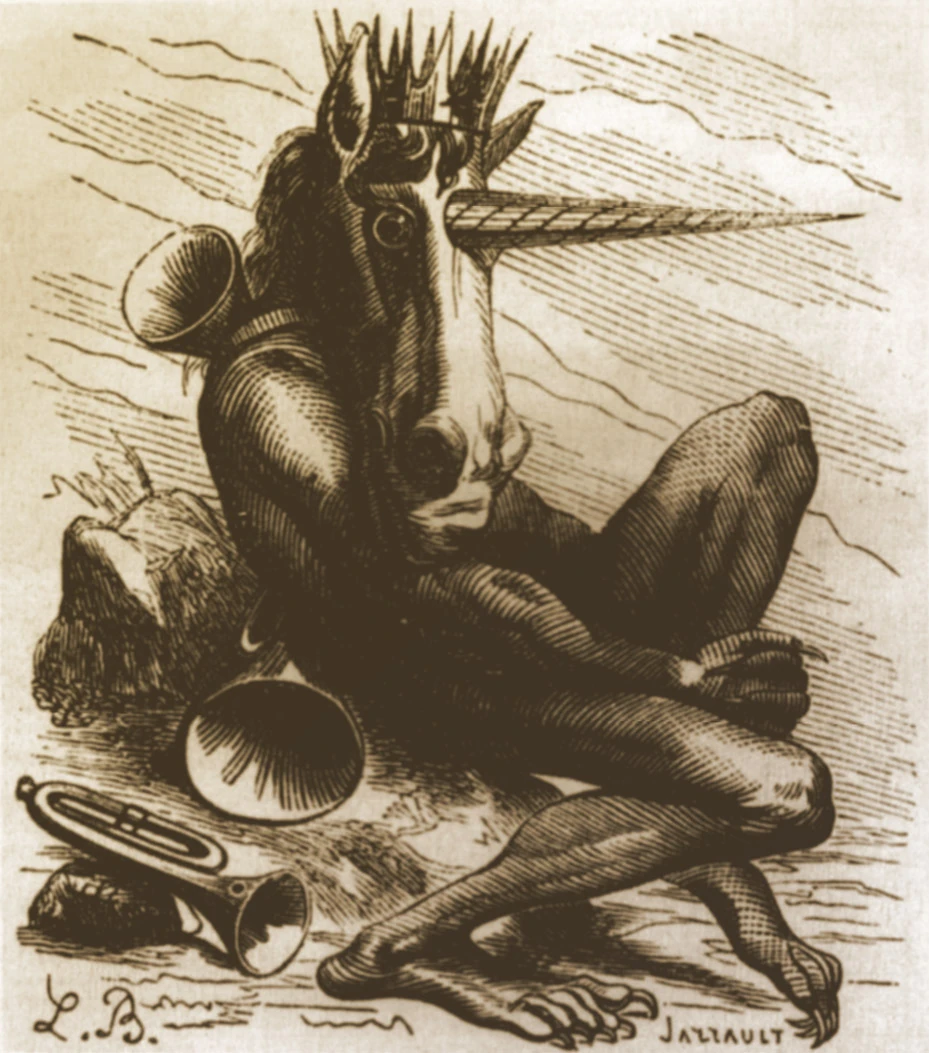
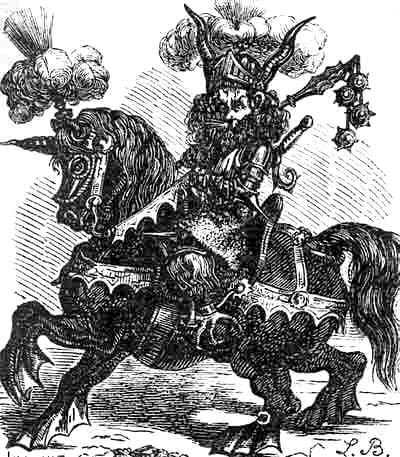
A unicorn-shaped Goetic duke associated with unseen music, bending trees, and familiars.
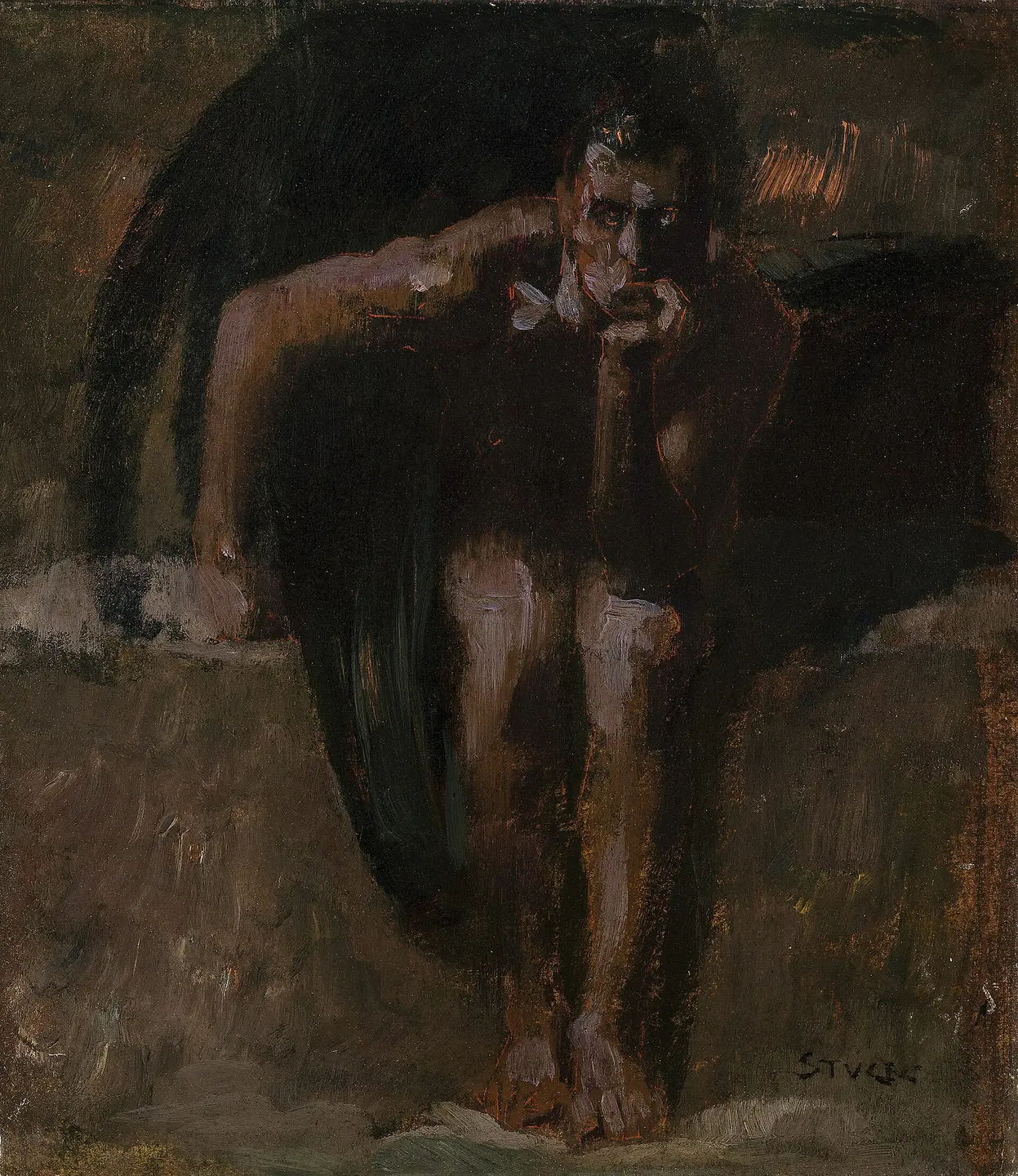
Theistic Satanism is a family of religious positions in which Satan is understood as an actually existing spiritual being, deity, intelligence, or metaphysical presence, rather than only a literary symbol or political metaphor. It is not a single church or creed. The term is best used as an umbrella for practitioners and groups whose beliefs differ on the nature of Satan, the status of other spirits,…

Prayer is intentional communication addressed to a deity, spirit, sacred power, or ultimate reality. It can include praise, petition, confession, thanksgiving, lament, dedication, silence, repetition, or simple direct speech. In theistic Satanism, prayer usually means addressing Satan or another spiritually real being rather than speaking only to oneself or performing a purely symbolic exercise.

Meditation in theistic Satanism refers to contemplative practices used to focus attention, examine experience, cultivate devotional awareness, or create a deliberate setting for approaching Satan and other spirits. There is no single Satanic meditation method. Practices range from silent sitting and breath awareness to visualization, repetitive prayer, sigil contemplation, journaling, and extended…
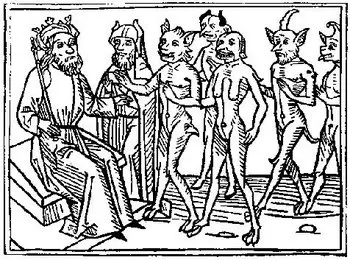
Belial appears in biblical religious language and later spirit catalogues. These uses should be distinguished rather than treated as one unchanged biography.
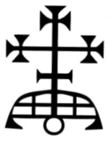
A Goetic marquis, also called Gamigin, associated with liberal studies and accounts of deceased souls.

A Goetic marquis described as a green-clad archer associated with conflict and arrow wounds.