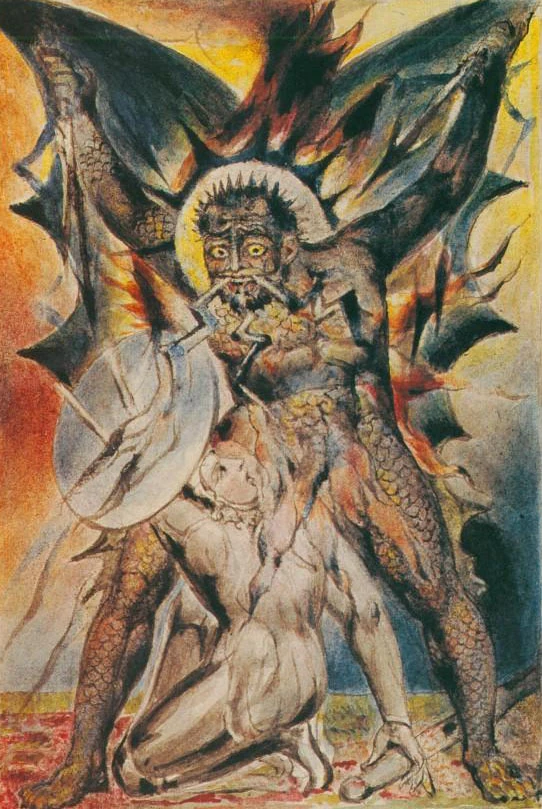
Abaddon
A biblical name associated with destruction, used in Revelation for the angel of the abyss.
98 published articles link to Ars Goetia.
A biblical name associated with destruction, used in Revelation for the angel of the abyss.
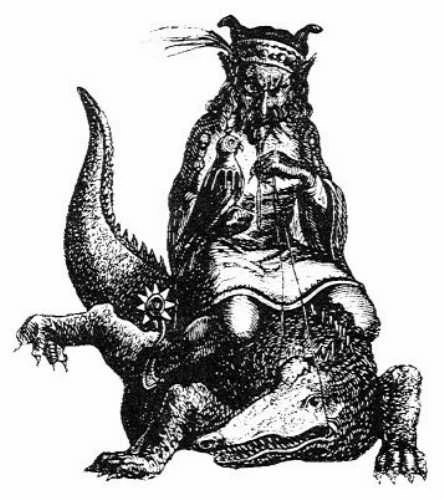
The second Goetic spirit, described as an elderly rider with a crocodile and a goshawk.
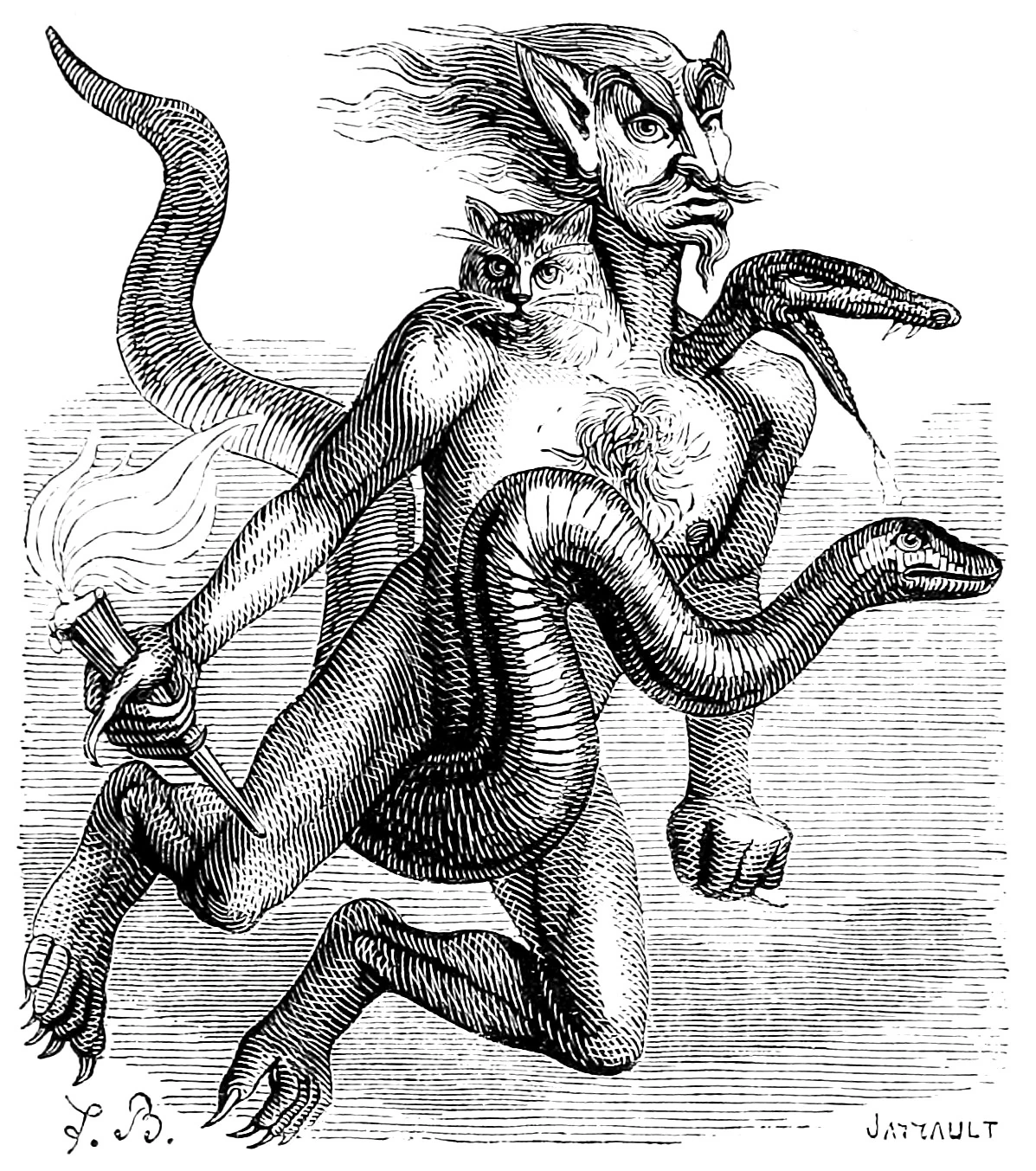
A Goetic duke with three heads, a serpent mount, and a firebrand, associated with fire and private questions.
A lion-faced Goetic duke who teaches astronomy and the liberal sciences.
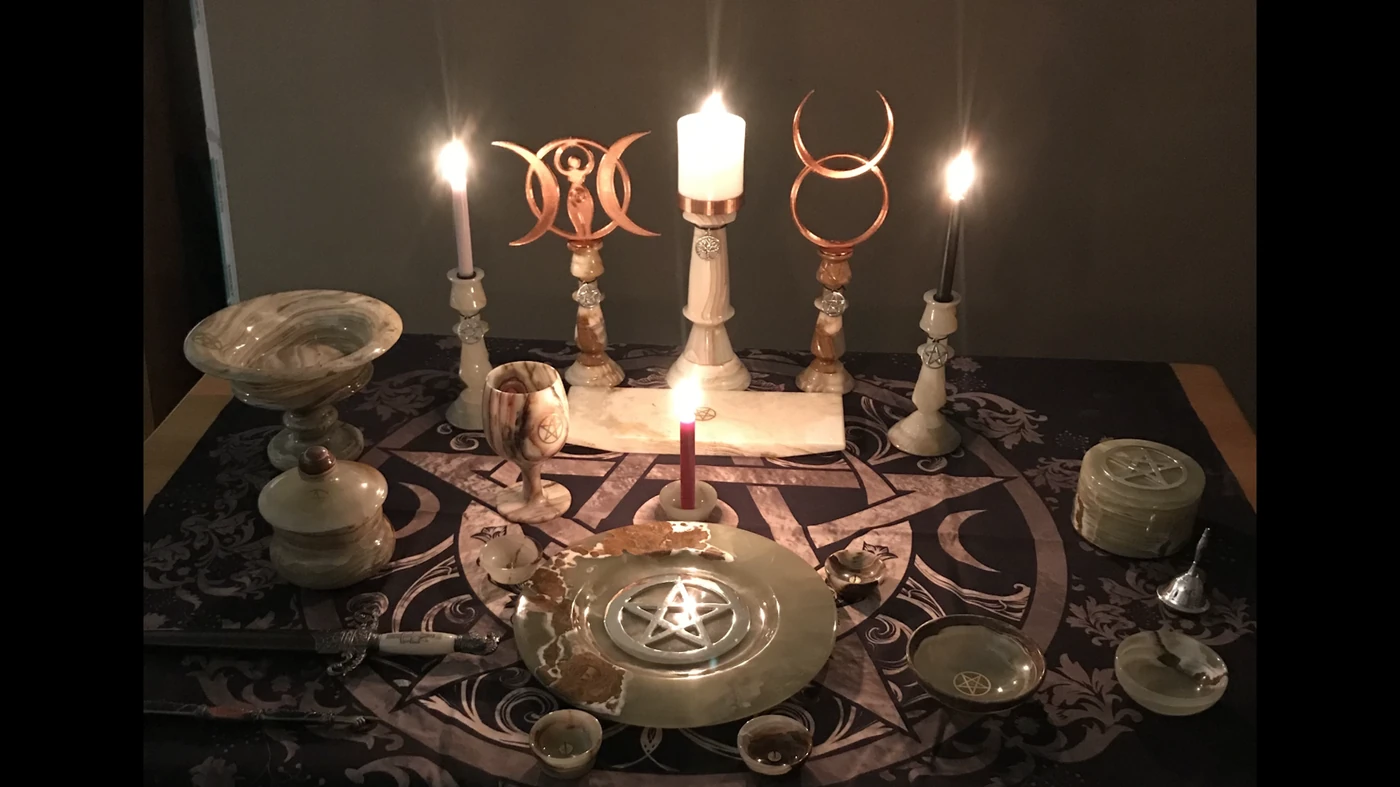
An altar is a designated place or surface used for religious devotion, ritual, offerings, sacred objects, or symbolic focus. Altars occur in many religious traditions, but their forms and meanings vary widely. In modern theistic Satanism an altar may function as a place for Prayer, Ritual, Offerings, meditation, spirit work, or the display of symbols connected with Satan and other beings.
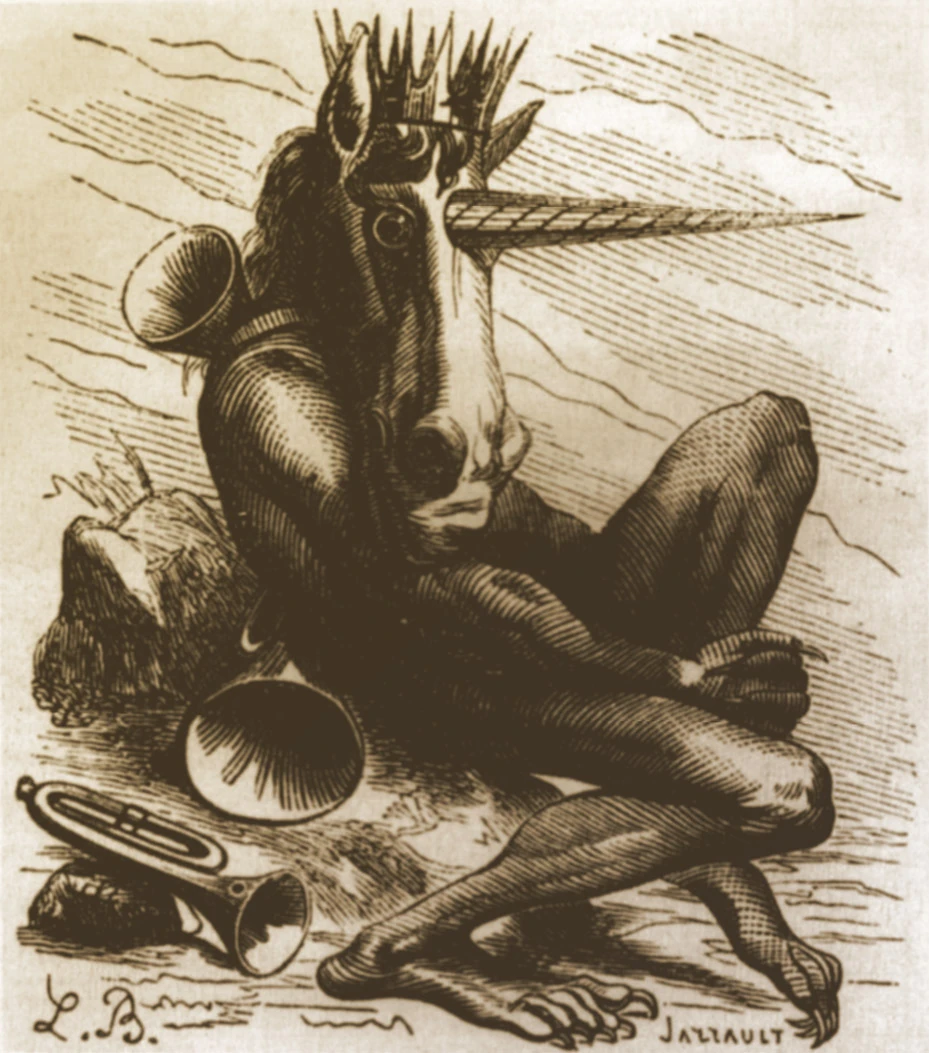
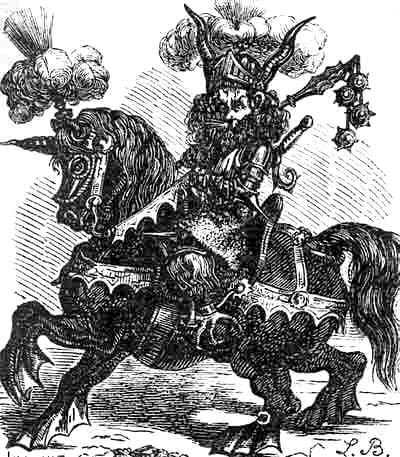
A unicorn-shaped Goetic duke associated with unseen music, bending trees, and familiars.
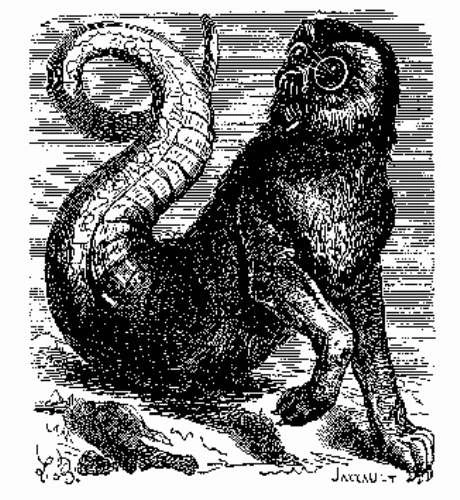
A Goetic marquis with a wolf-like appearance, associated with knowledge and the making or resolution of disputes.
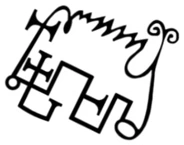
A Goetic president initially appearing as flame, associated with astrology, learning, familiars, and protected treasure.
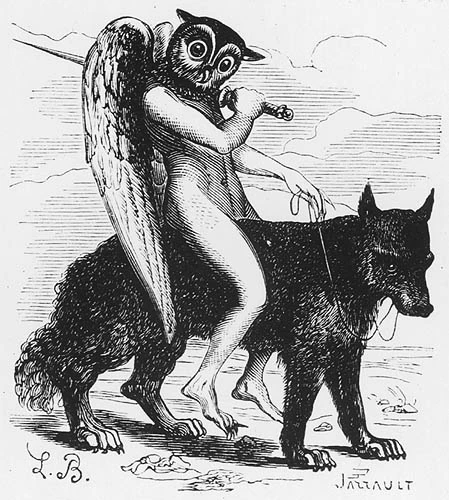
A Goetic marquis portrayed with a bird's head on a wolf, associated with discord and a warning of danger.
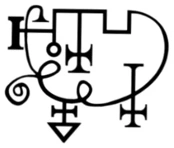
A peacock-shaped Goetic marquis associated with geometry, measurement, astronomy, and bird transformation.
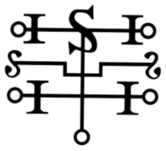
The final Goetic spirit, associated with stolen goods, concealed wrongdoing, and hidden treasure.
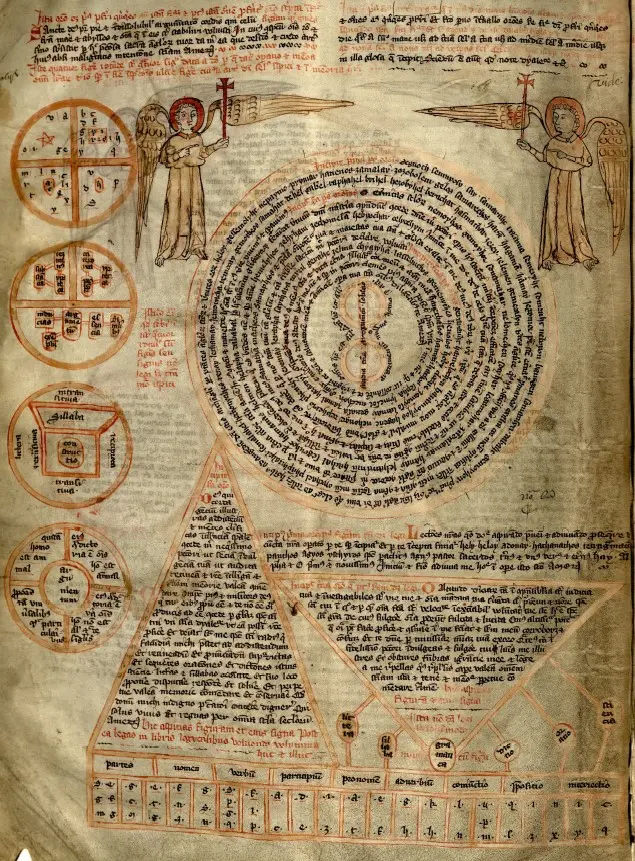
A medieval art of prayer and contemplation intended to confer learning, memory, and eloquence.
The second part of the Lemegeton, arranging aerial spirits through princes, directions, and wandering hierarchies.
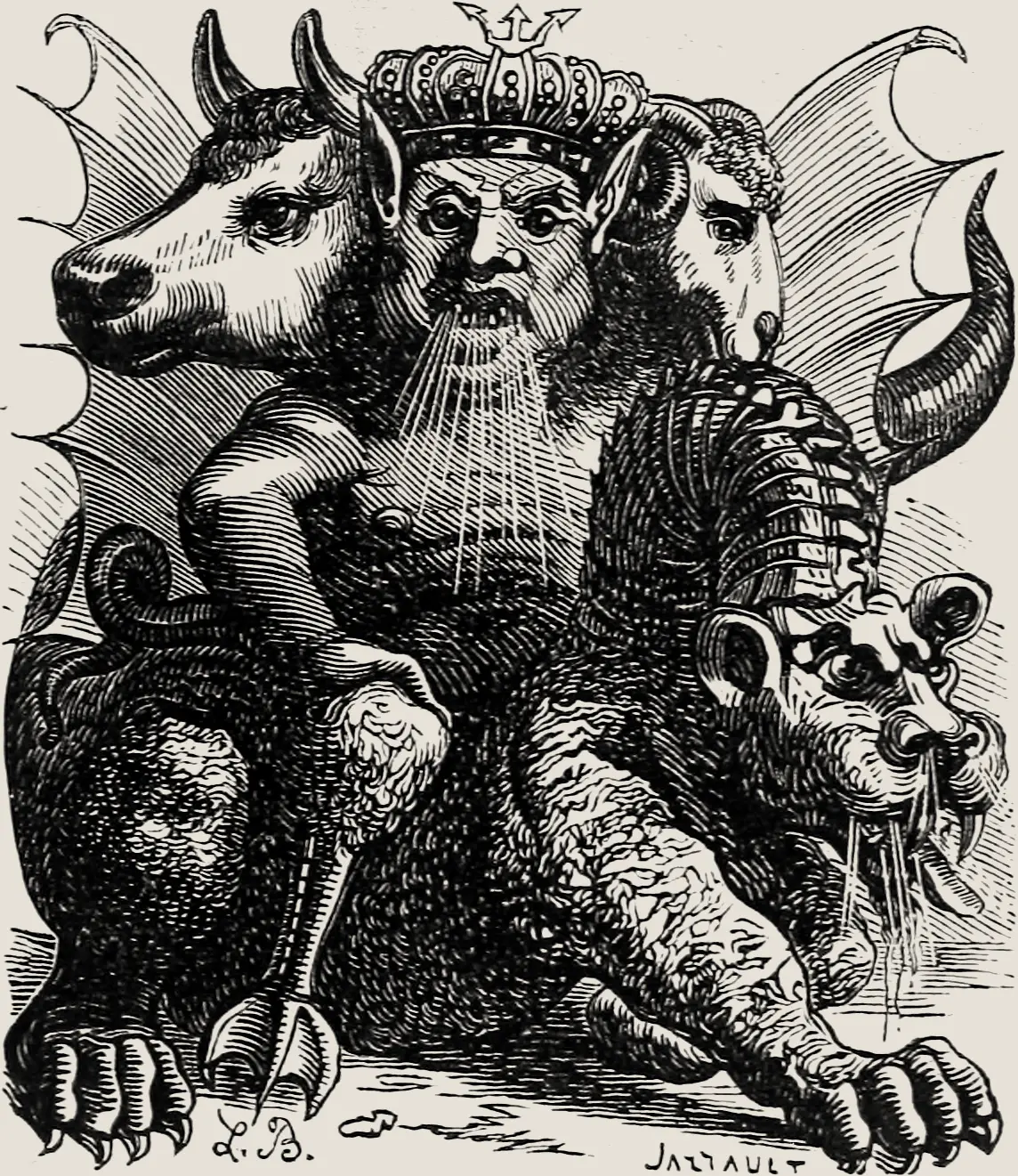
Asmodeus appears in the narrative of Tobit and in later magical and demonological literature. His different roles reflect the purposes of those texts.
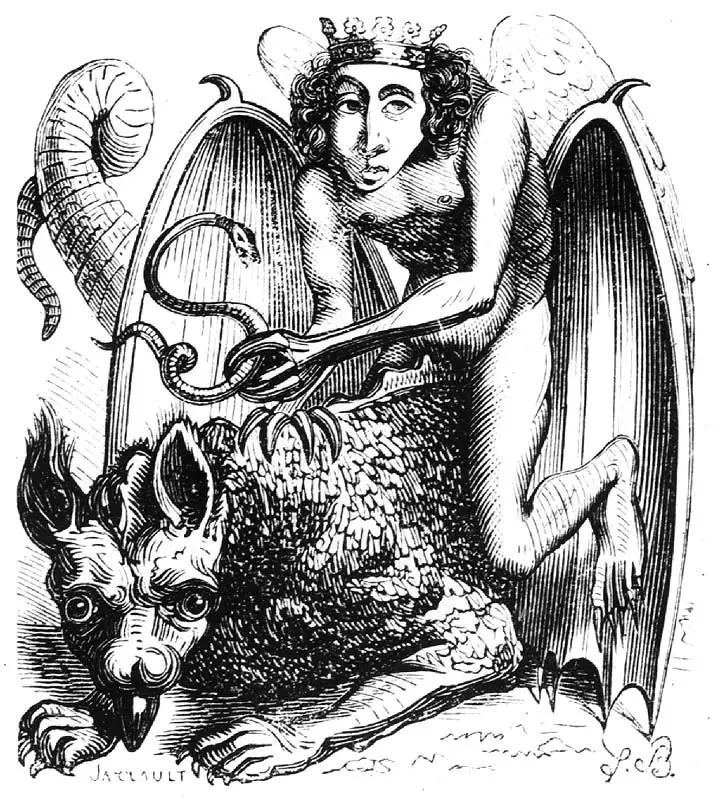
Astaroth appears in early modern spirit catalogues and later illustrated demonology. Source editions matter when comparing the figure’s rank, appearance, and supposed knowledge.
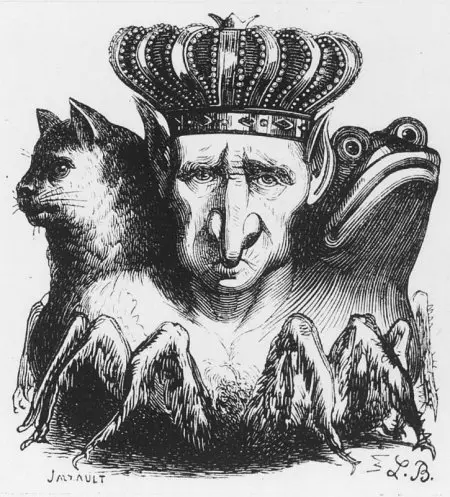
Bael is a ranked spirit in early modern magical catalogues. The Goetic figure should be distinguished from the wider use of the ancient title Baal.
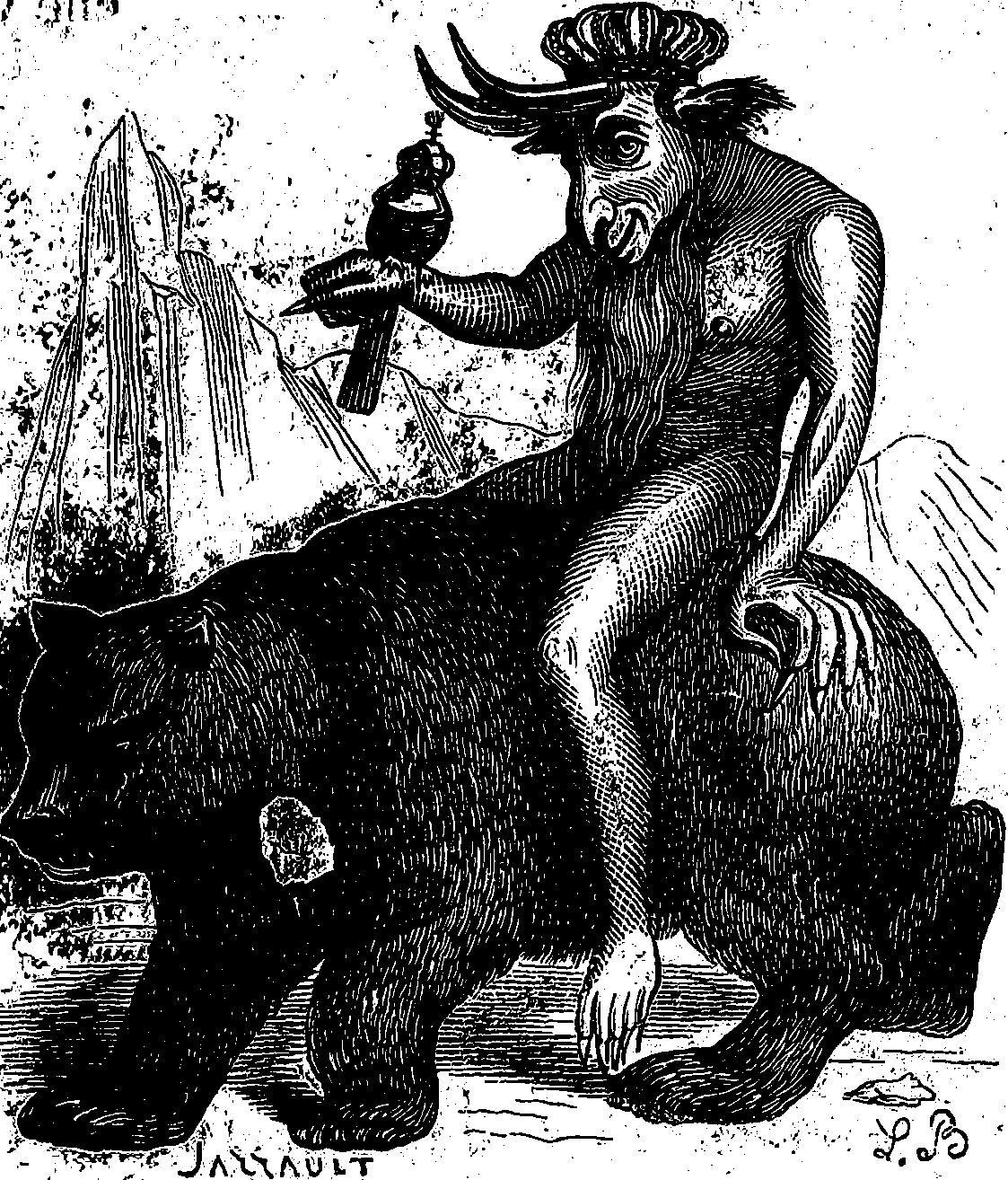
A three-headed Goetic king riding a bear, associated with answers, wit, and invisibility.
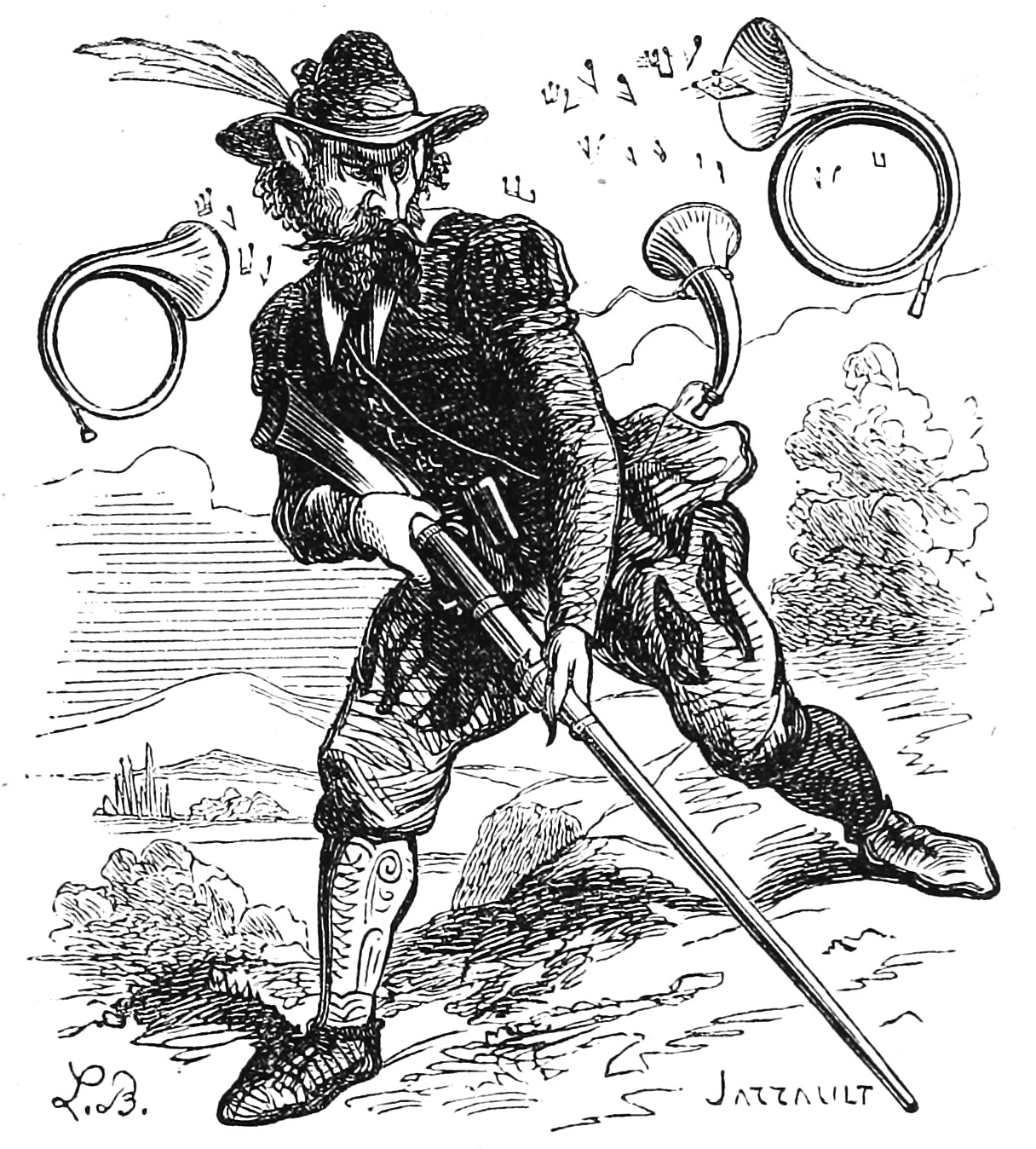
A Goetic duke connected with the speech of animals, enchanted treasure, and reconciliation.
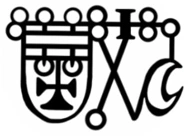
A Goetic duke associated with herbs, precious stones, and sudden travel between countries.
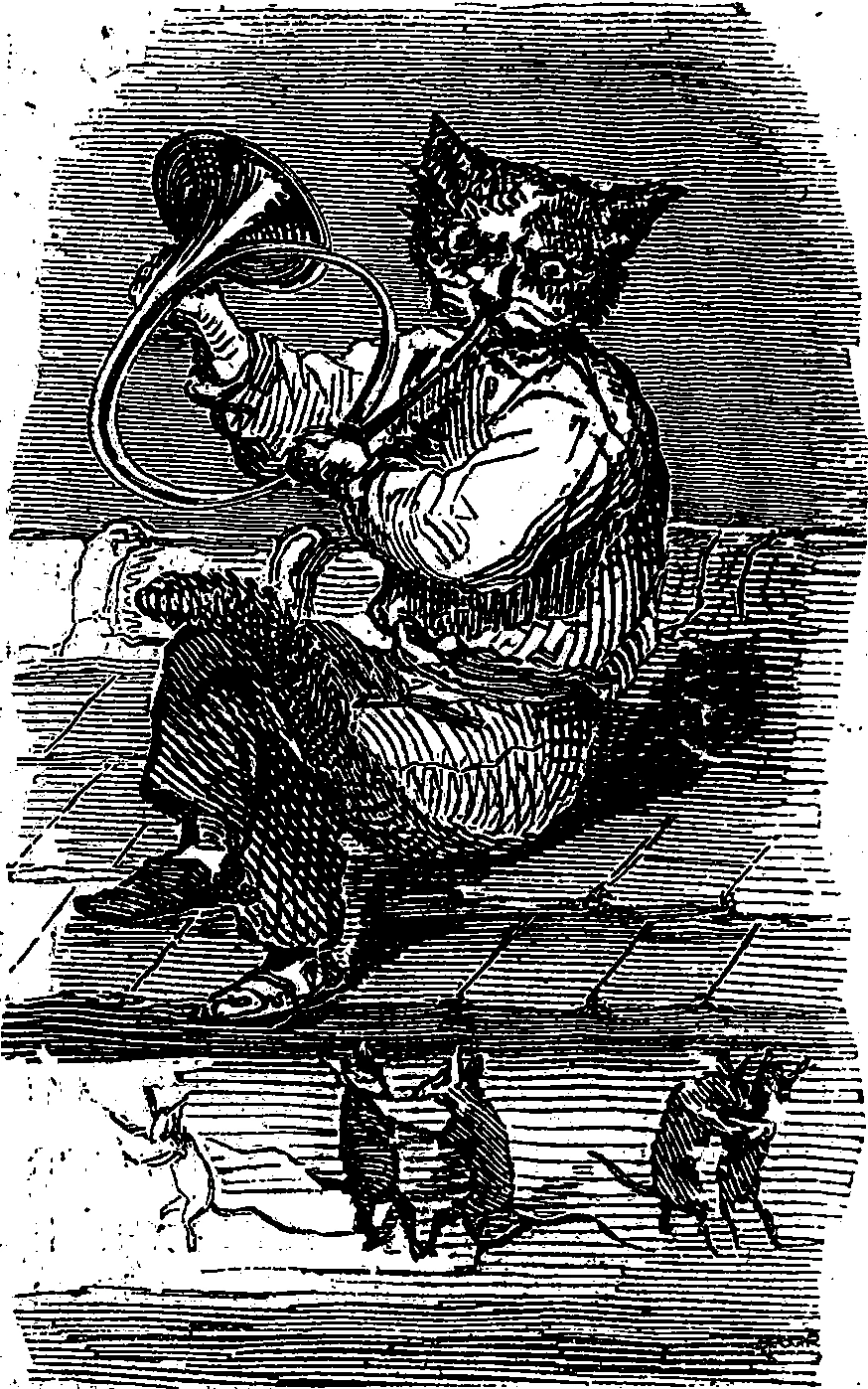
A Goetic king riding a pale horse, associated with desire and an elaborate ceremonial reception.
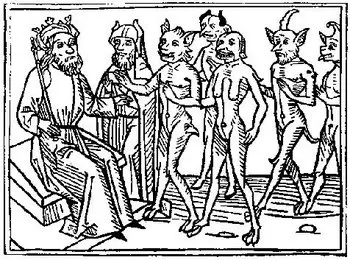
Belial appears in biblical religious language and later spirit catalogues. These uses should be distinguished rather than treated as one unchanged biography.
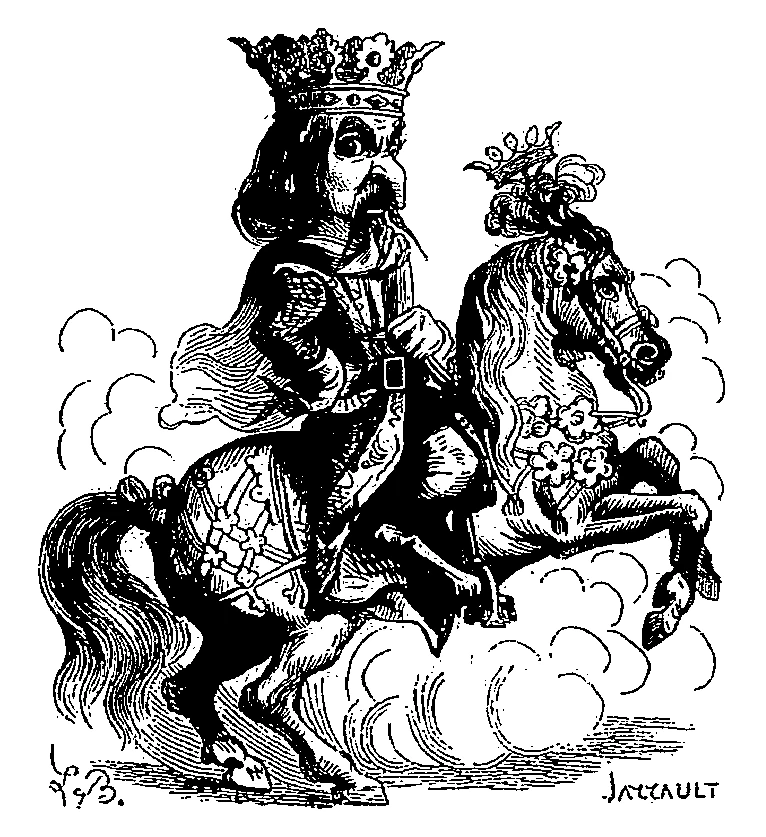
A Goetic duke riding a red horse, credited with knowledge, honors, and the transformation of metals.
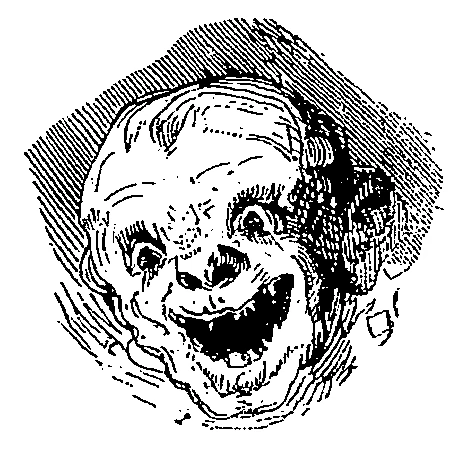
A Goetic earl associated with learned subjects, burial places, and lights at graves.
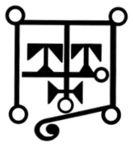
A Goetic spirit with the titles president and earl, associated with knowledge and reconciliation.
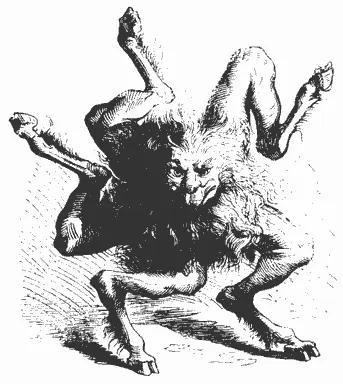
Buer is a spirit associated in magical catalogues with learning and healing. The well-known radial illustration belongs to later printed demonology.